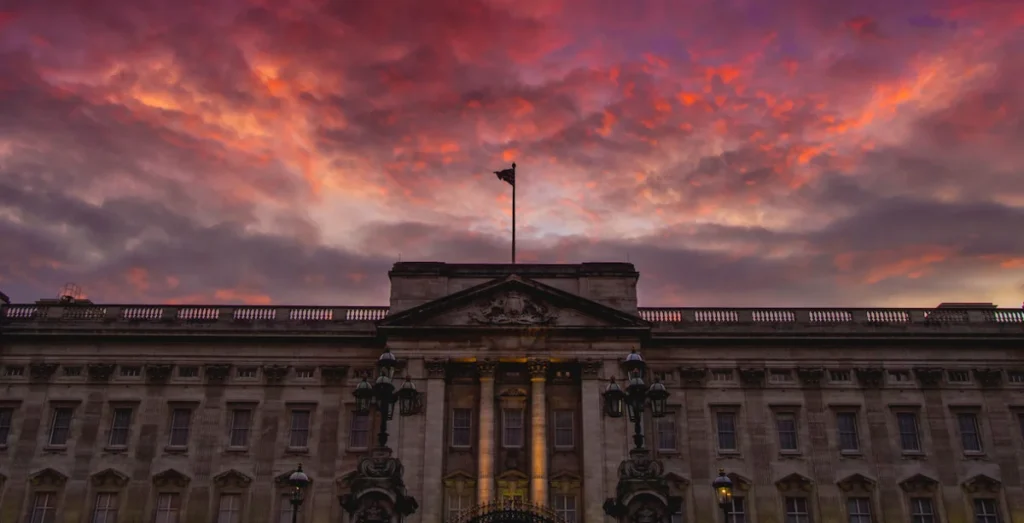

Buckingham Palace, the iconic symbol of the British monarchy for nearly two centuries, will not serve as the principal London residence for King Charles III and Queen Camilla following the completion of its extensive refurbishment next year. This significant decision marks a departure from centuries of tradition and ensures that Clarence House will continue to be the King’s London home for the foreseeable future. The move, first reported by the BBC and corroborated in the Royal Household’s latest annual financial accounts, signifies that the Palace will maintain its crucial role as the ceremonial and administrative heart of the monarchy, rather than functioning as the sovereign’s personal dwelling.
This divergence from historical precedent underscores a modern approach to royal living and public engagement. Buckingham Palace has been the official London residence of the sovereign since Queen Victoria’s relocation in 1837, establishing it as the nexus of royal life and governance. Subsequent monarchs have all made it their primary abode, cementing its status as the sovereign’s home. While Queen Victoria herself famously spent considerable time away from the Palace after the death of Prince Albert, no reigning monarch had previously chosen an alternative permanent London residence.
A Shift in Royal Tradition: The Rationale Behind the Decision
Palace officials have articulated that the arrangement was reached after "careful consideration" and is intended to facilitate greater public access to one of Britain’s most recognisable landmarks. The decision reflects a confluence of practical and symbolic factors. King Charles III and Queen Camilla, both in their late seventies, are understood to have expressed a reluctance to undertake the considerable upheaval of relocating their household after more than two decades at Clarence House, their cherished London base since their marriage in 2005.
Furthermore, palace authorities believe that by maintaining the King’s permanent residence elsewhere, Buckingham Palace can be more readily opened to the public for extended periods throughout the year. This approach aligns with a broader strategy to enhance public engagement with the monarchy and its historic properties. The ten-year refurbishment programme, which is slated for completion in March, has involved substantial modernisation of infrastructure that had become increasingly outdated. Critical systems, including electrical wiring, plumbing, and boilers, have been replaced – much of it for the first time in approximately 60 years – driven by concerns over potential fire and water damage. The completion of these works represents a significant investment in the Palace’s future operational viability.
Buckingham Palace’s Enduring Significance
Despite the King’s decision not to reside there, officials have stressed that Buckingham Palace will retain its constitutional and ceremonial importance. It will continue to be the venue for significant state occasions, including state visits, investitures, diplomatic audiences, garden parties, and major official receptions. The King and Queen will also retain private rooms within the building, designated for use during official engagements and for occasional overnight stays, ensuring their continued connection and operational presence at the Palace.
James Chalmers, the Keeper of the Privy Purse, described the arrangement as "a change from the past and a recognition of the future," while emphatically stating that Buckingham Palace would remain "the ceremonial and operational centre of royal life." A palace spokesperson echoed this sentiment, highlighting the King’s "huge affection" for the building and describing it as a "buzzing hive of royal activity." This carefully worded communication aims to reassure the public and stakeholders that the monarchy’s core functions and symbolic power remain undiminished.
Financial Transparency and the Sovereign Grant
The announcement of the King’s residential plans coincided with the publication of the monarchy’s latest financial accounts, which have garnered attention for another significant development: King Charles III has become the first British sovereign to publicly disclose the amount of tax he pays. According to the accounts, His Majesty paid £12.9 million in income and capital gains tax during the 2024-25 financial year, following a payment of £11.7 million in the preceding year. While the monarch is not legally obligated to pay income tax, this practice has been voluntarily maintained since 1993, a tradition initiated by Queen Elizabeth II.
The financial report also provides an update on the Sovereign Grant, the public funding mechanism that finances the monarchy’s official duties and the upkeep of occupied royal palaces. The temporary increase in the Grant, which was implemented to fund the Buckingham Palace refurbishment, is nearing its conclusion. Public funding for the monarchy is projected to decrease from £137.9 million to £99.9 million in the 2027-28 financial year. However, this settlement remains substantially higher than the core grant allocated before the renovation project commenced. The remaining additional funding is earmarked for essential maintenance across various occupied royal palaces, enhancements to cybersecurity measures, and the installation of more energy-efficient heating systems, reflecting a commitment to sustainability and the long-term preservation of the royal estate.
A Look Ahead: The Future of Royal Residences
The decision to keep Clarence House as the King’s primary London residence is anticipated to be in place for the duration of his reign, according to reports from The Guardian. The implications for future monarchs remain unclear. It is yet to be determined whether the Prince of Wales, upon his eventual accession to the throne, will choose to reinstate Buckingham Palace as the monarch’s principal home, thereby restoring a long-standing tradition.
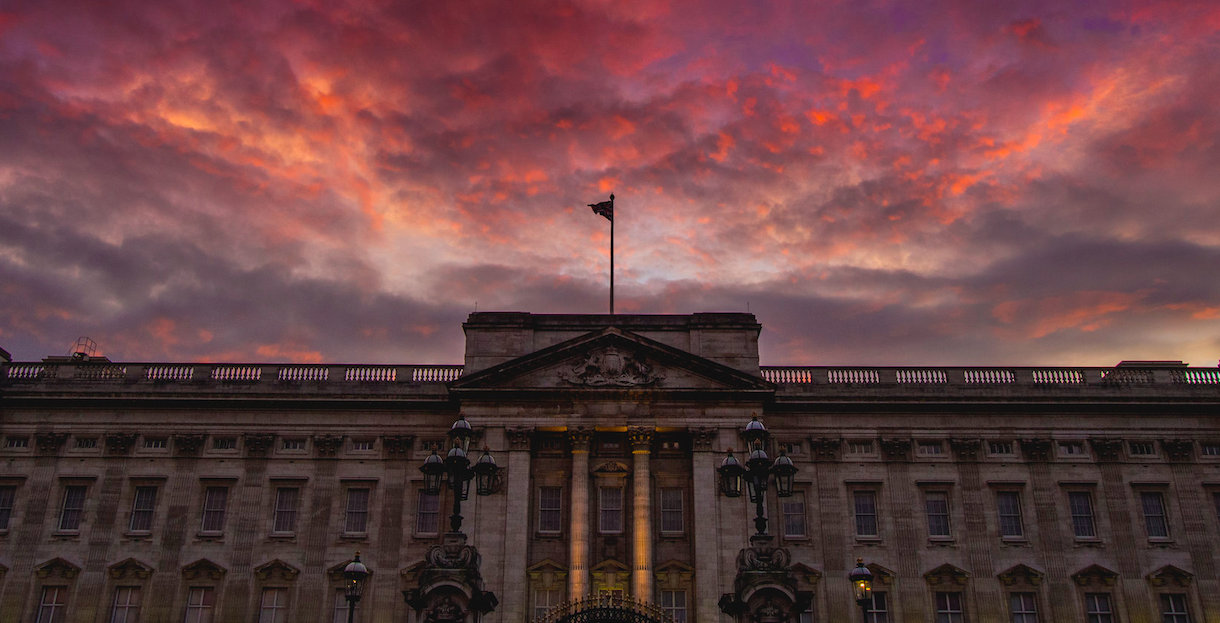
For the immediate future, Britain’s most recognisable royal residence will continue to serve as the distinguished backdrop for state occasions and national celebrations. However, at the close of each day’s official duties, the King will return not to the grandeur of Buckingham Palace, but to the more intimate and familiar setting of Clarence House. This choice, while seemingly subtle, represents a quiet yet profound redrawing of one of the monarchy’s most deeply ingrained traditions, signalling a modern adaptation to the evolving needs and preferences of the sovereign and the public.
Historical Context: The Evolution of Royal Domiciles
The decision to not reside at Buckingham Palace breaks a direct line of succession for royal dwellings that began with Queen Victoria. Upon her accession in 1837, Victoria found St. James’s Palace to be too small and, influenced by her husband, Prince Albert, opted for Buckingham Palace as her principal residence. While it was initially considered a somewhat uninspiring building, extensive renovations and additions transformed it into the grand palace we recognise today. Albert played a pivotal role in its redesign and expansion, including the addition of the East Front, which houses the iconic balcony.
Throughout the reigns of Victoria, Edward VII, George V, Edward VIII, George VI, and Elizabeth II, Buckingham Palace served as the official London home of the reigning monarch. It was the centre of their private lives as well as their public duties. For Queen Elizabeth II, Buckingham Palace was the locus of her reign for over 70 years. While she spent significant time at Windsor Castle, particularly in her later years, Buckingham Palace remained her official London residence and the administrative headquarters of the monarchy. The extensive renovations undertaken at Buckingham Palace are not unprecedented; the Palace has undergone numerous upgrades and alterations throughout its history to modernise facilities and adapt to changing needs and technologies.
The Significance of Clarence House
Clarence House, located in The Mall, has a rich history as a royal residence. It was built between 1825 and 1827 for Prince William, Duke of Clarence, who later became King William IV. The house has subsequently been home to several members of the Royal Family, including Queen Elizabeth The Queen Mother, who resided there for many years before moving to Clarence House following the death of King George VI. King Charles III and Queen Camilla themselves lived at Clarence House from their marriage in 2005 until the recent refurbishment of Buckingham Palace began. Their continued preference for Clarence House suggests a deep personal connection and a comfort with its scale and familiarity.
The choice of Clarence House as the King’s primary London residence also offers a more intimate setting for the monarch. While Buckingham Palace is designed for large-scale state events and public appearances, Clarence House provides a more manageable and personal environment for the King and Queen. This could facilitate a more direct and less formal interaction with household staff and a greater sense of personal retreat from the demands of public life.
Broader Implications for the Monarchy
This decision by King Charles III could have several broader implications for the future of the British monarchy. Firstly, it signals a willingness to adapt long-standing traditions to contemporary circumstances and personal preferences. This could be interpreted as a move towards a more modern and perhaps more accessible monarchy. By opening up Buckingham Palace more extensively to the public, the Royal Family may be seeking to enhance its relevance and connection with the populace.
Secondly, the financial transparency demonstrated in the latest accounts, particularly regarding the King’s tax payments, suggests a commitment to greater openness. This could help to bolster public trust and support for the monarchy, especially in times of economic uncertainty. The careful management of public funds, as evidenced by the conclusion of the increased Sovereign Grant, will also be crucial in maintaining public confidence.
Finally, the precedent set by King Charles III regarding his principal residence could influence future generations of royals. If Prince William chooses to continue the tradition of residing at Buckingham Palace, it would re-establish a historical continuity. Conversely, if he too opts for a different residence, it might indicate a permanent shift in how the monarch’s London home is perceived and utilised, moving away from the concept of a single, all-encompassing royal domicile. The coming years will undoubtedly reveal the lasting impact of this significant decision on the evolving landscape of the British monarchy.