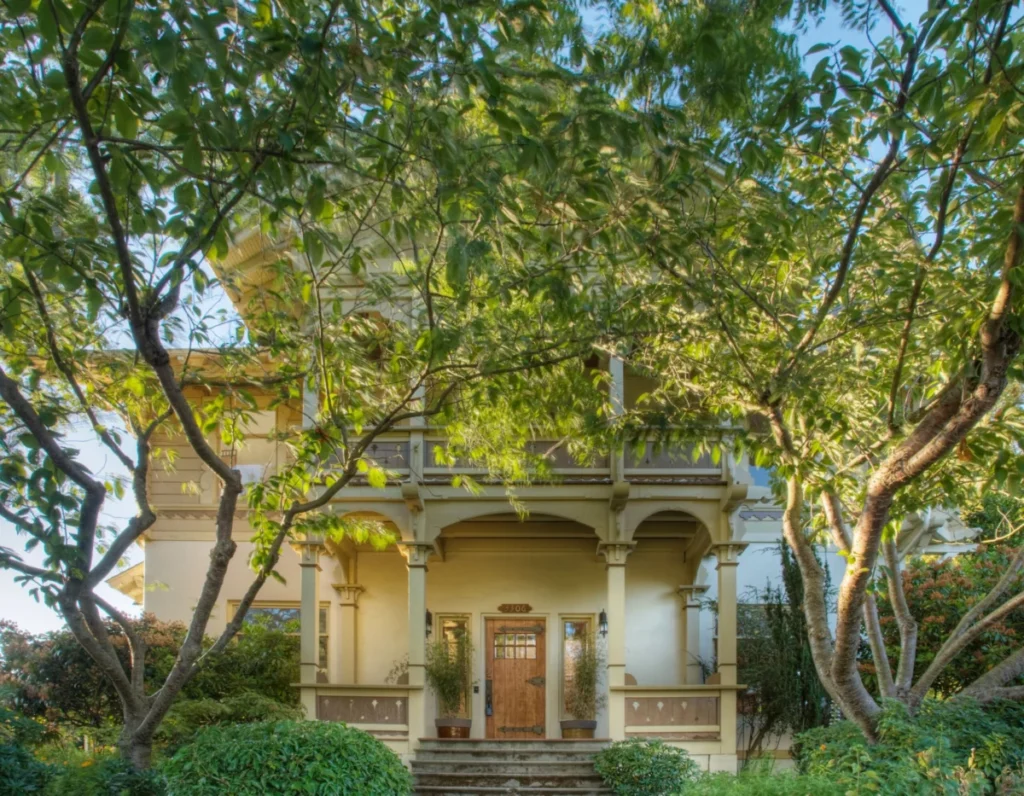

The front porch has long served as a quintessential element of residential architecture, acting as a vital bridge between the private sanctuary of the home and the public sphere of the neighborhood. In recent years, the American housing market has seen a significant resurgence in the demand for functional outdoor living spaces. According to industry data from the National Association of Home Builders (NAHB), more than 60% of new single-family homes started in the last three years include a front porch, a statistic that underscores a shift back toward community-centric design and curb-appeal-driven value. This architectural feature is no longer viewed as a mere entryway but as a sophisticated "outdoor room" that requires careful planning, specific material selection, and an understanding of structural integrity.
Architectural Typologies and the Diversity of Porch Design
The classification of a front porch is largely determined by its relationship to the main structure and its intended utility. Architects and designers distinguish between several primary styles, each offering unique aesthetic and functional benefits. One of the most enduring styles is the open porch, frequently referred to as a "farmer’s porch." These structures are characterized by their strong ground support and their ability to span the entire front facade or wrap around the sides of a residence.
Mauck Smith, co-owner and designer at BLDC Design in Shaker Heights, Ohio, notes that open porches often feature a broad connection to the surrounding green space. While some may lack a formal roof, they are designed to maximize the transition between the lawn and the home. In contrast, the bungalow porch is a staple of Craftsman-style architecture. "A bungalow porch acts as an extension to the front of a house and typically is built with columns and finished with a roof or a pergola," Smith explains. These structures are often integrated into the house’s primary roofline, providing a sense of permanence and shelter.
For homeowners seeking a more minimalist or protective entryway, the portico remains a popular choice. Typically smaller in scale, a portico focuses on sheltering the main entry door, often featuring a pediment supported by columns. Other common variations include the gable roof porch, identified by its triangular structural overhang, and the front entry porch, which may consist of a simple, durable concrete slab. Both open and bungalow styles can be enhanced with screening to provide a bug-free environment, a modification that significantly increases the hours of usable occupancy in humid or insect-prone climates.
The Interiorization of Outdoor Styling
Modern exterior design has moved away from the "patio furniture" aesthetic toward a more cohesive "interior-exterior" continuity. Professional designers now advocate for styling the front porch with the same rigor applied to a living room or parlor. Jennifer Hunter, owner of Jennifer Hunter Design, emphasizes that the porch is a space meant to be savored and serves as a primary site for socialization.
To achieve an inviting atmosphere, Hunter suggests creating dedicated seating areas using chairs and side tables, which not only facilitates conversation but also enhances the home’s overall "approachability." However, the transition to the outdoors necessitates a shift in material science. Mauck Smith advises homeowners to prioritize wood, metals, and fabrics that are specifically engineered to be waterproof and fade-resistant. The use of high-performance textiles, such as solution-dyed acrylics, allows for the comfort of indoor upholstery without the risk of mildew or sun damage.
Furthermore, designers suggest avoiding "clichéd signage" in favor of sophisticated decorative elements. This includes grouping collections of potted plants, utilizing garden stools as side tables, and incorporating lanterns or hurricanes. These lighting elements are crucial for mood transformation, allowing the space to remain functional and aesthetically pleasing long after sunset.
Strategic Solutions for Narrow and Constrained Spaces
Not every home is blessed with a sprawling wraparound deck. In urban environments or on smaller lots, narrow porches present a unique set of design challenges. Katie Gutierrez, principal interior designer at Errez Design in Miami, argues that the key to managing a narrow porch is to embrace verticality. "Stop trying to fight the height on a narrow porch and mount whatever you can," Gutierrez suggests. Her recommendations include the installation of steel sconces and the use of skinny trellises for climbing plants like jasmine or ivy.
For ground-level decor in tight spaces, tall, narrow galvanized planters with upright vegetation like boxwood or ornamental grasses can provide greenery without obstructing foot traffic. Meeshie Fahmy, founder of Haus of Meeshie in Los Angeles, suggests that small, vintage wrought-iron bistro sets and spiraling topiaries can draw the eye upward, creating an illusion of space. Fahmy also highlights the importance of color theory in small spaces; for a recent project, she utilized a pink and French blue exterior palette to create a "storybook feel" that maximized the charm of a compact area.
Lighting and architectural materials also play a role in how a narrow porch is perceived. Rainey Richardson of Rainey Richardson Interior Design in Houston notes that interesting light fixtures, such as wall sconces or pendant lights, can create a focal point when ground real estate is limited. Additionally, substituting traditional siding with stone or brick can add "visual weight" and a sense of luxury to a smaller porch, making it feel like a deliberate architectural choice rather than a spatial compromise.
Engineering for Climate Resilience and Moisture Control
A primary functional requirement of any porch is its ability to withstand the elements, particularly rain and wind. Architects often employ a "layered approach" to moisture protection. Mike Shively, partner at En Masse Architecture and Design in Chicago, suggests the introduction of a secondary threshold, such as a vestibule or a recessed entry. This creates a buffer zone that limits direct exposure to wind-driven rain and provides a practical "drop zone" for wet umbrellas and shoes, thereby protecting the home’s interior flooring.
Allison Babcock, principal designer at Allison Babcock Design in New York, echoes the importance of structural shelter. Large overhangs and covered porticos provide protection without sacrificing the open, airy feel of the porch. For more aggressive climates, Babcock recommends slatted wood screens and strategic landscaping to soften wind impact while maintaining airflow.
In terms of aesthetics that withstand weather, Gutierrez suggests using colors like sun-bleached ochre or charcoal. These hues are noted for their ability to age gracefully, often looking better as they acquire the natural patina of wear and tear over time.
The Structural Reality: Permitting and Professional Construction
While the aesthetic aspects of a porch are often the focus of homeowners, the construction phase is a complex undertaking that involves significant structural engineering. Kiril Ratia, a general contractor and founder of Ratia Construction in Chicago, warns that building a porch is not a project for the novice DIY enthusiast. The process begins not with a hammer, but with a thorough investigation of local municipal requirements and building codes.
The chronology of a professional porch build typically follows a strict sequence:
- Permitting and Zoning: Ensuring the structure meets setback requirements and local safety codes.
- Foundation and Footings: Establishing deep, stable supports that can withstand soil shifts and frost heaves.
- Framing: Constructing the skeletal structure, which must be engineered to support the weight of the roof and potential snow loads.
- Decking and Roofing: Applying the walking surface and the protective overhead cover.
- Finishing and Detailing: Installing railings, columns, and decorative trim that align with the home’s original architecture.
Ratia emphasizes that because porches are attached to the primary residence, improper construction can lead to catastrophic water damage or structural failure of the main house. "There is a reason why architects and structural engineers need to be consulted," Ratia states, highlighting the necessity of professional oversight in any structural residential work.
Broader Impact: The Porch as Social Infrastructure
Beyond the individual benefits to a homeowner, the resurgence of the front porch has broader implications for urban planning and community health. Sociologists have long argued that front porches contribute to "eyes on the street," a concept popularized by Jane Jacobs that suggests active street-facing spaces improve neighborhood safety. By encouraging residents to spend time at the front of their homes, porches foster spontaneous social interactions among neighbors, strengthening the social fabric of the community.
As the real estate market continues to evolve, the front porch remains a high-value asset. It represents a blend of historical charm and modern functionality, providing a versatile space that adapts to the needs of the 21st-century homeowner. Whether it is a narrow urban entry or a sprawling rural wrap-around, the porch continues to stand as a testament to the enduring human desire for a connection to both nature and community. Through careful design, weather-conscious material selection, and rigorous structural standards, the modern front porch is being redefined as a durable, beautiful, and essential component of the contemporary home.