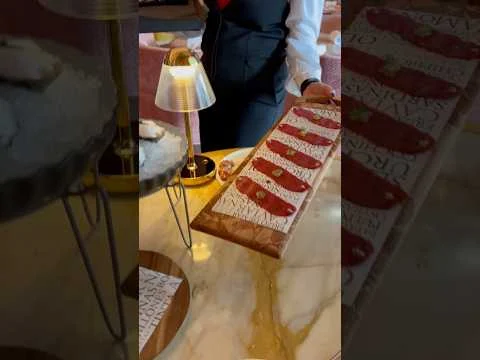

The culinary world is abuzz following the widely circulated video shared by media personality Perez Hilton, showcasing acclaimed Chef Jose Andres meticulously preparing bison at his renowned Bazaar Meat restaurant within the Palazzo Las Vegas. This high-profile endorsement, spotlighting an ingredient traditionally considered niche, is poised to significantly elevate bison’s status from a less common alternative meat to a sophisticated staple on fine dining menus, sparking conversations about its unique flavor profile, nutritional benefits, and the broader implications for sustainable ranching and evolving consumer palates. The video, published on June 20, 2026, quickly garnered attention, presenting what Hilton described as a "perfect bite," and signaling a potential shift in gastronomic trends.
A Culinary Spotlight on Bison at Bazaar Meat
The event, as captured and shared by Perez Hilton, provided a rare glimpse into the precision and artistry behind Chef Jose Andres’ culinary philosophy. Bazaar Meat, conceptualized by Andres and his ThinkFoodGroup, is celebrated for its avant-garde approach to the classic steakhouse, transforming the act of eating meat into an experiential journey. The restaurant, located within the opulent Palazzo Las Vegas, is known for its diverse selection of meats, including exotic cuts and heritage breeds, prepared with innovative techniques ranging from wood-fired grills to liquid nitrogen. The preparation of bison, a lean and flavorful red meat, by a chef of Andres’ caliber at such a prestigious venue, immediately positioned it within the upper echelons of gourmet ingredients.
Hilton’s video specifically highlighted Andres’ methodical approach, underscoring the chef’s respect for the ingredient. While the exact preparation details were not fully elucidated in the initial brief, the visual depiction suggested a focus on enhancing bison’s inherent qualities – its tenderness, earthy notes, and robust character. The choice of bison is particularly noteworthy given Bazaar Meat’s extensive menu, which already features a vast array of beef cuts, game meats, and other proteins. This deliberate selection by Chef Andres serves as a powerful testament to bison’s culinary versatility and its potential to deliver a distinctive and memorable dining experience, challenging conventional perceptions of what constitutes a premium meat offering. The engagement generated by Hilton’s share, leveraging his significant social media presence, amplified the message far beyond traditional food critics, reaching a broad audience of food enthusiasts and curious consumers.
The Resurgence of Bison: From Plains to Plate
Bison, North America’s largest land mammal, holds a profound historical and ecological significance. Once numbering in the tens of millions, these majestic animals were driven to the brink of extinction in the 19th century due to westward expansion and hunting. Their remarkable recovery, largely due to concerted conservation efforts and the establishment of national parks and private ranches, represents one of the greatest conservation successes in American history. Today, the commercial bison industry is growing, driven by increasing consumer demand for healthier, more sustainable, and unique protein sources.
Nutritionally, bison meat offers a compelling alternative to traditional beef. It is notably leaner, containing significantly less fat and cholesterol, while being richer in protein, iron, and B vitamins. A typical 3.5-ounce serving of cooked bison contains approximately 143 calories, 28 grams of protein, and only 2.4 grams of fat, making it an attractive option for health-conscious diners. Its flavor profile is often described as slightly sweeter and richer than beef, with a cleaner finish, without the gaminess sometimes associated with other wild meats. This distinct taste, coupled with its nutritional advantages, positions bison as a prime candidate for culinary exploration.
Despite its merits, bison remains "not very common" in mainstream diets compared to beef, chicken, or pork. This can be attributed to several factors: a smaller supply chain, higher price point due to more specialized ranching practices, and a lack of widespread familiarity among consumers. However, its increasing visibility in high-end restaurants, championed by influential chefs like Jose Andres, is crucial for overcoming these barriers. The move to incorporate bison into fine dining menus helps to demystify the meat, educate diners about its qualities, and slowly integrate it into the broader culinary landscape, signaling its transition from a specialty item to a recognized gourmet ingredient.
Chef Jose Andres: A Gastronomic Visionary
Chef Jose Andres, a Spanish-American culinary icon, is globally recognized not only for his innovative cuisine but also for his humanitarian efforts. Born in Mieres, Spain, Andres trained under the legendary Ferran Adrià at elBulli before moving to the United States, where he revolutionized Spanish cuisine and established a vast empire of restaurants under his ThinkFoodGroup. From the avant-garde Jaleo to the Michelin-starred minibar, Andres’ establishments consistently push culinary boundaries, blending tradition with cutting-edge techniques and global influences.
Andres’ culinary philosophy is characterized by a deep respect for ingredients, a relentless pursuit of flavor, and an unwavering commitment to innovation. He is known for his ability to transform humble ingredients into extraordinary dishes and to elevate lesser-known components to star status. His decision to feature bison prominently at Bazaar Meat aligns perfectly with this ethos. Bazaar Meat itself is a testament to his vision, designed as a "celebration of the carnivorous pleasure," offering a dramatic, interactive dining experience where various cuts and preparations of meat are showcased with theatrical flair. By applying his renowned expertise to bison, Andres not only highlights the meat’s inherent quality but also imbues it with his signature culinary narrative, transforming it into an aspirational dish for discerning diners. His influence extends beyond the plate; Andres has been a vocal advocate for sustainable food systems and the importance of diverse culinary traditions, making his endorsement of bison particularly significant in the context of responsible sourcing and ingredient diversification.
The Las Vegas Fine Dining Landscape
Las Vegas has evolved into a formidable global culinary destination, rivaling major food capitals with its concentration of celebrity chef restaurants and unparalleled dining experiences. The city’s competitive landscape demands constant innovation and a relentless pursuit of excellence from its gastronomic establishments. Fine dining in Las Vegas is not merely about food; it’s an integral part of the entertainment and luxury experience that draws millions of tourists annually. Resorts like the Palazzo, with their emphasis on high-end hospitality, consciously curate their dining portfolios to feature world-class chefs and unique concepts.
In this vibrant ecosystem, a restaurant like Bazaar Meat thrives by offering something distinctive. The decision to feature bison by Chef Andres is a strategic move within this context, appealing to a clientele that seeks novelty, quality, and an elevated experience. It caters to diners who are adventurous and willing to explore beyond conventional choices. Such high-profile culinary events contribute significantly to Las Vegas’s reputation as a gastronomic Mecca, continually raising the bar for culinary innovation and attracting food tourism. The buzz generated by Perez Hilton’s video further solidifies the city’s status as a place where cutting-edge food trends are not just observed but actively shaped and promoted.
Economic and Environmental Implications
The increased visibility of bison on such a prominent culinary stage carries significant economic and environmental implications. For the bison ranching industry, a surge in demand driven by fine dining establishments could translate into substantial growth. The North American bison herd, while growing, is still relatively small compared to cattle, with an estimated 350,000-500,000 head. Increased demand could stimulate investment in sustainable ranching practices, expand the market, and provide economic stability for ranchers who often operate on smaller scales than traditional cattle farms.
From an environmental perspective, bison ranching often aligns with more sustainable agricultural practices. Bison are native grazers adapted to the North American prairies, requiring less intervention than domesticated cattle. They thrive on natural grasses, contributing to grassland health and biodiversity, and often require less grain feed. Many bison ranchers employ rotational grazing techniques that help restore soil health, sequester carbon, and conserve water. As consumers increasingly prioritize environmentally responsible food choices, the endorsement of bison by influential figures like Chef Andres could catalyze a broader shift towards supporting more sustainable protein sources, providing a viable alternative to conventional livestock farming, which faces scrutiny over its environmental footprint. The potential for a "Chef Andres effect" on the bison market could encourage more ranchers to enter the industry and adopt best practices, leading to a more robust and sustainable supply chain.
The Power of Celebrity and Social Media in Food Trends
Perez Hilton’s role in this narrative underscores the immense power of celebrity influence and social media in shaping contemporary food trends. While traditionally known for entertainment news, Hilton’s foray into culinary endorsement highlights the evolving landscape of media and influence. His vast online reach means that a simple video clip can instantly go viral, bypassing traditional food critics and directly engaging millions of potential diners. This democratization of food media allows for rapid dissemination of trends and democratizes access to culinary experiences, albeit through a mediated lens.
The video’s success also taps into phenomena like "mukbang" culture, where the act of eating, especially of visually appealing or rare foods, becomes a form of entertainment. While not a mukbang in the traditional sense, Hilton’s enthusiastic presentation of the "perfect bite" aligns with the aspirational and experiential aspects that draw viewers to such content. It creates a vicarious dining experience that can inspire real-world culinary exploration. This blend of entertainment and culinary education demonstrates how modern media platforms can transform a niche ingredient into a must-try dish, influencing everything from restaurant reservations to grocery store purchases. For the bison industry, such unexpected endorsements are invaluable, offering exposure that traditional marketing campaigns would struggle to achieve.
Expert Insights and Future Outlook
Culinary experts and food industry analysts anticipate that this high-profile showcasing of bison will have a lasting impact. "When a chef of Jose Andres’ caliber embraces an ingredient, it sends a powerful message throughout the culinary community," remarked Dr. Evelyn Reed, a food anthropologist specializing in ingredient trends. "It validates the ingredient’s quality and encourages other chefs to experiment with it. This isn’t just about a single dish; it’s about legitimizing bison as a truly premium protein." Representatives from the National Bison Association, while not issuing an official statement on this specific event, have consistently expressed optimism about the growing market for bison. They anticipate that high-profile endorsements will accelerate consumer education and demand, potentially leading to increased herd sizes and more widespread availability in both retail and foodservice sectors.
Looking ahead, the integration of bison into fine dining is expected to continue its upward trajectory. As consumers become more discerning about the origins of their food, its nutritional value, and its environmental impact, bison stands poised to become a more frequent choice. The emphasis on unique, ethically sourced, and healthy ingredients aligns perfectly with emerging consumer preferences. The future of bison on the plate appears bright, driven by a confluence of factors: the dedication of sustainable ranchers, the visionary artistry of chefs like Jose Andres, and the powerful amplifying effect of modern media. This synergistic relationship promises to transform bison from a historical symbol into a contemporary culinary star, redefining gourmet expectations and expanding the horizons of the modern diner’s palate. The "perfect bite" shared by Perez Hilton may well be a harbinger of a broader culinary revolution, placing bison firmly on the global gastronomic map.