
The television landscape was recently marked by a significant legal settlement between CBS and Lee Mendelson Film Productions, Inc. (LMFP) following the unauthorized use of the iconic "Peanuts" theme, "Linus and Lucy," during the series finale of The Late Show with Stephen Colbert. The settlement, finalized for an undisclosed sum, resolves a copyright dispute that arose during the emotional conclusion of Colbert’s 11-season tenure on the network. In a move that aligns with the philanthropic spirit of the show’s final episodes, Lee Mendelson Film Productions has announced that the entirety of the licensing proceeds will be donated to World Central Kitchen, the non-profit organization founded by Chef José Andrés.
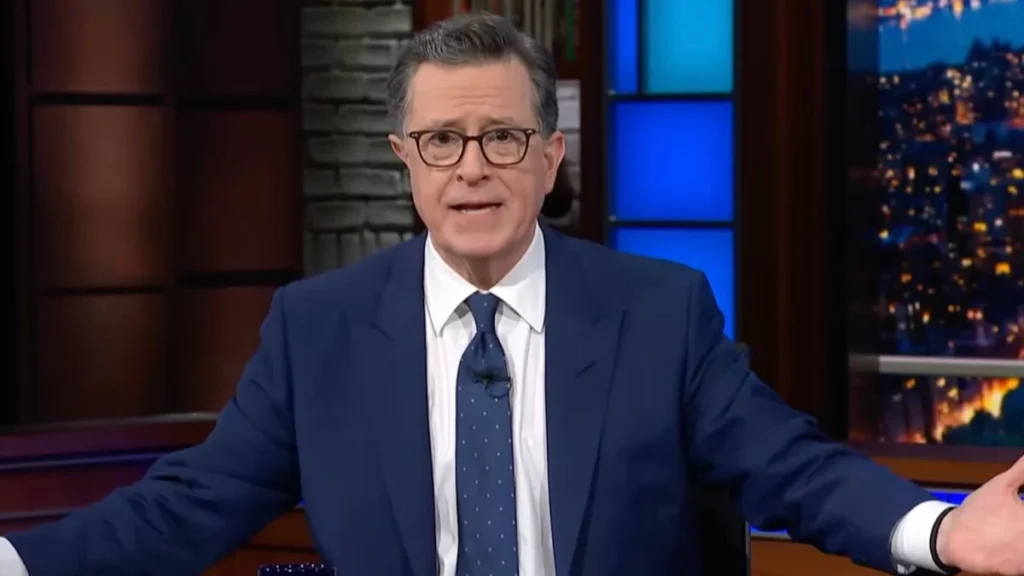
The incident occurred during the broadcast of the May 21 finale, a star-studded event that signaled the end of an era for late-night television. During a high-energy segment, bandleader Louis Cato and his ensemble, the Great Big Joy Machine, launched into a rendition of "Linus and Lucy," the 1963 jazz masterpiece composed by Vince Guaraldi. As the familiar piano riffs filled the Ed Sullivan Theater, Stephen Colbert addressed the camera with a prophetic quip, stating, “Oh no! I hope this doesn’t cost CBS any money!” The lighthearted comment underscored the reality of intellectual property law in the entertainment industry, where even brief musical tributes require rigorous clearance processes.
The Cultural Significance of Linus and Lucy
To understand the weight of the licensing dispute, one must consider the cultural pedigree of the composition in question. "Linus and Lucy" is arguably the most recognizable jazz instrumental in American history. Originally appearing on the 1964 album Jazz Impressions of A Boy Named Charlie Brown, the track became a global phenomenon following the 1965 television special A Charlie Brown Christmas.
Vince Guaraldi, a San Francisco-based jazz pianist, was commissioned by producer Lee Mendelson to score the Peanuts specials after Mendelson heard Guaraldi’s "Cast Your Fate to the Wind" on the radio. The resulting collaboration defined the sonic identity of Charles M. Schulz’s characters. Because the music is so inextricably linked to the Peanuts brand, Lee Mendelson Film Productions maintains strict oversight of its use to ensure the legacy of both Guaraldi and the Schulz estate is preserved. The unauthorized use on a major network finale, even if intended as a celebratory homage, triggered the standard enforcement protocols necessary to maintain copyright integrity.
Terms of the Settlement and Philanthropic Pivot
While the specific dollar amount of the licensing fee remains confidential, industry analysts suggest that the cost for a high-profile synchronization license—particularly for a song as iconic as "Linus and Lucy" used in a series finale—can reach into the high five or low six figures. However, the resolution of this particular dispute took a turn toward the altruistic.
Jason Mendelson, Chairman of Lee Mendelson Film Productions, issued a statement clarifying the company’s stance on the matter. "LMFP found the music’s use on The Late Show funny and entertaining, and is proud to support World Central Kitchen’s mission," Mendelson stated. He further emphasized that the primary motivation behind the enforcement was not punitive but educational. "A principal goal of our enforcement actions is to educate individuals, businesses, and government entities about the need to obtain written license agreements to use music in a commercial setting."
By directing the settlement funds to World Central Kitchen (WCK), the parties involved have turned a potential legal headache into a windfall for global crisis relief. This decision is particularly resonant given Colbert’s own history with the charity. During the penultimate episode of The Late Show, Colbert and the production team announced a massive $2.5 million donation to WCK, highlighting the show’s long-standing commitment to humanitarian efforts.
World Central Kitchen and the Impact of Global Relief
World Central Kitchen has become a cornerstone of international disaster response. Founded in 2010 by Chef José Andrés following the devastating earthquake in Haiti, the organization specializes in providing "food relief," which goes beyond mere sustenance to offer dignity and nutrition to those affected by natural disasters, climate crises, and regional conflicts.
The organization operates on a model of "food first responders," mobilizing local chefs and resources to set up community kitchens within hours of a crisis. From the frontlines in Ukraine to the aftermath of hurricanes in the Caribbean and the ongoing humanitarian challenges in Gaza, WCK has served hundreds of millions of meals. The infusion of funds from the CBS settlement adds to a growing trend of "litigation for good," where copyright settlements are diverted to charitable causes rather than corporate coffers.
Intellectual Property in Late-Night Television
The Colbert incident highlights the complexities of music licensing in the "cleared-for-broadcast" world of late-night TV. Typically, network music departments work months in advance to secure rights for every song played by house bands. These licenses are generally categorized into two types: performance rights (handled by organizations like ASCAP, BMI, or SESAC) and synchronization rights (required when music is timed to a moving image, such as a television broadcast).
In the case of a "live" performance by a house band, the lines can sometimes blur, but for a recorded series finale intended for syndication and digital streaming, the requirements are absolute. The "Linus and Lucy" performance was not merely a brief "walk-on" sting but a featured musical moment. By bypassing the traditional licensing route, CBS opened itself to a claim, though the network’s quick move to settle suggests an admission of the oversight and a desire to avoid a protracted legal battle that could tarnish the show’s farewell legacy.
A Timeline of the Late Show’s Conclusion
The settlement marks the final chapter in the timeline of Stephen Colbert’s tenure at CBS, which began in September 2015 when he took over the desk from David Letterman.
- May 20, 2026: Colbert announces a $2.5 million donation to World Central Kitchen during the second-to-last episode, solidifying the show’s philanthropic legacy.
- May 21, 2026: The series finale airs. Louis Cato and the Great Big Joy Machine perform "Linus and Lucy" without prior written authorization. Colbert jokes about the potential cost to CBS.
- June 2026: Legal representatives for Lee Mendelson Film Productions contact CBS regarding the unauthorized use of the Guaraldi composition.
- July 2026: Negotiations between CBS and LMFP conclude with a settlement agreement that includes a licensing fee and a directed donation to WCK.
- Late July 2026: Public statements are released, and the "Peanuts" estate confirms the educational intent of the enforcement action.
Public and Social Media Reaction
The irony of the situation was not lost on the public. When news of the settlement and the subsequent donation broke, social media platforms—particularly X (formerly Twitter)—saw a surge of commentary. Fans of the show noted the poetic justice in Colbert’s "accidental" philanthropy.
One viral post remarked on the absurdity of a legal payout resulting in a global benefit: “Imagine getting a payout just because someone played music on a final episode… and it still ends up feeding people lol.” Another user highlighted the "Snoopy dance" connection, writing, “Colbert pressed play and accidentally fed the whole world. Snoopy dance cost CBS millions but WCK got fed.”
The reaction reflects a broader public sentiment that favors corporate accountability when it results in tangible social good. For CBS, the payment serves as a minor budgetary line item in the context of a massive series finale, but for World Central Kitchen, the "undisclosed amount" represents thousands of meals for families in crisis.
The Broader Implications for the Industry
The resolution of the Late Show dispute serves as a case study for the television industry. It reinforces the fact that no program, regardless of its stature or the celebratory nature of the occasion, is exempt from intellectual property laws. As streaming services and digital archives make past broadcasts more accessible than ever, the "long tail" of copyright enforcement has become more vigilant.
For content creators, the takeaway is clear: the "ask for forgiveness rather than permission" strategy is a costly gamble. However, the Mendelson family’s approach offers a template for how copyright holders can protect their assets while fostering goodwill. By choosing to donate the settlement, LMFP successfully defended their copyright without appearing predatory or litigious in the eyes of the public.
As Stephen Colbert moves into the next phase of his career, his final broadcast will be remembered not just for its guests or its humor, but for a final, unintended act of charity. The "Linus and Lucy" incident ensures that the music of Vince Guaraldi continues to serve a purpose beyond entertainment, providing a rhythmic backdrop to humanitarian efforts across the globe. Through this settlement, the "Peanuts" gang, a late-night icon, and a world-class chef have formed an unlikely alliance, proving that even in the rigid world of corporate law, there is room for a "glorious" finale.