
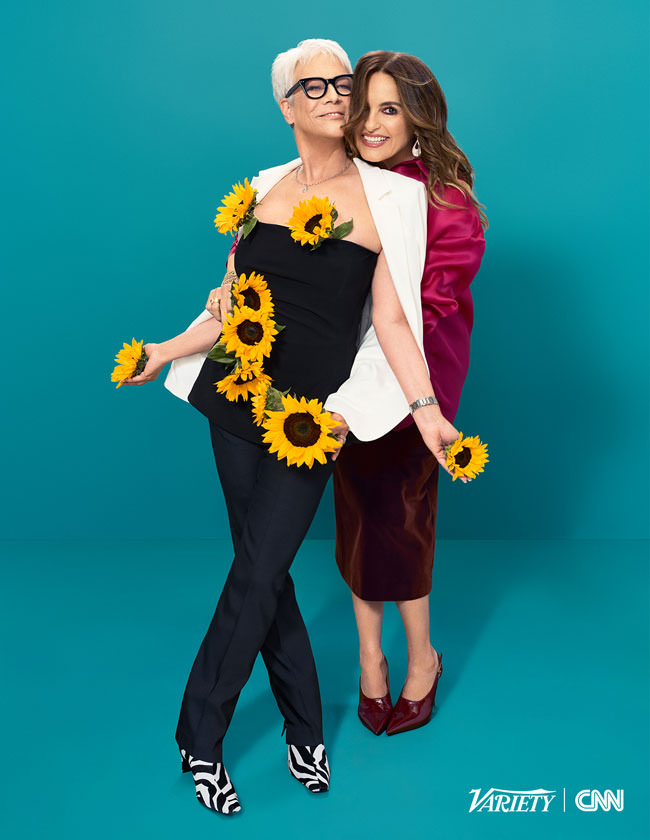
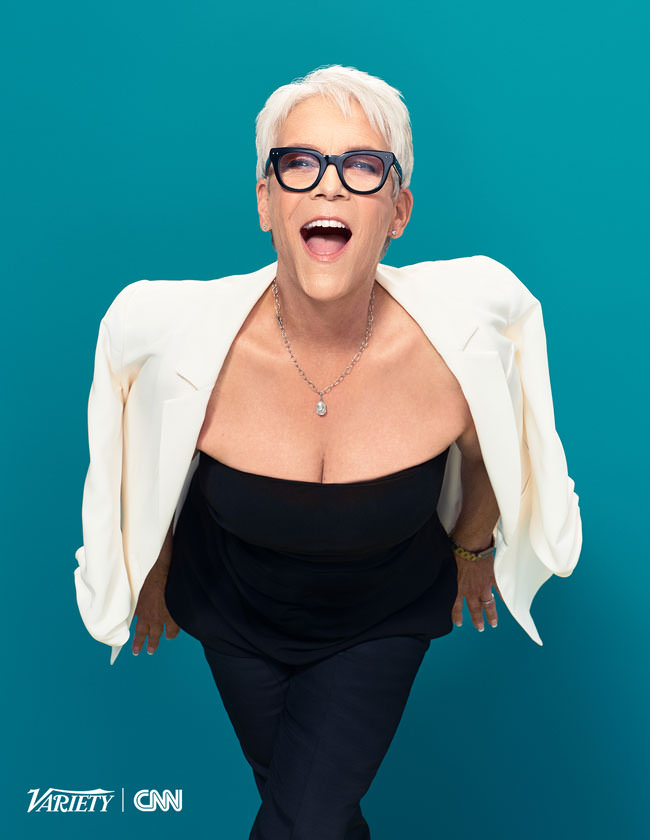
The intersection of Hollywood history and modern television excellence took center stage in the latest installment of Variety’s "Actors on Actors" series, featuring Academy Award winner Jamie Lee Curtis and Emmy Award winner Mariska Hargitay. The conversation, ostensibly a professional exchange between two of the industry’s most enduring figures, quickly transcended the typical promotional dialogue to explore a deeply personal shared history rooted in the Golden Age of Hollywood. Both women, daughters of legendary icons, used the platform to reconcile their pasts, celebrate their current professional heights, and advocate for the continued rise of female leadership in the entertainment industry.
A Shared History on Sunset Boulevard
The connection between Curtis and Hargitay predates their professional careers by decades, rooted in a physical and cultural landmark of Los Angeles. During the conversation, Curtis revealed a historical footnote that few in the public were aware of: the two grew up in the same "pink house" on Sunset Boulevard at different intervals. The estate, originally owned by the musical duo Sonny and Cher, was later purchased by Jamie Lee Curtis’s father, the legendary Tony Curtis, following his marriage to a younger woman—a detail Jamie Lee noted with a wry expression of historical displeasure.
Hargitay, the daughter of 1950s sex symbol Jayne Mansfield and former Mr. Universe Mickey Hargitay, also called the residence home. Despite a photograph existing of the two as children standing in the driveway, their paths did not cross again for decades. Curtis reflected on the strangeness of this gap, questioning how two individuals with such symmetrical family histories—both being children of massive stars navigating the complexities of legacy—could remain strangers for so long. Hargitay described their connection as being "sisters from another mother or father," acknowledging the unique psychological landscape inhabited by children of Hollywood royalty.
The Catalyst for Reunion: My Mom Jayne
The impetus for their eventual reunion was Hargitay’s recent foray into documentary filmmaking. While working on "My Mom Jayne," a project dedicated to exploring the life and legacy of her mother, Jayne Mansfield, Hargitay found herself back in Los Angeles. Mansfield, who died in a tragic car accident in 1967 when Mariska was only three years old, remains a figure of intense public fascination, often overshadowing the woman behind the "blonde bombshell" persona.

Hargitay’s journey into her mother’s archives led her to a storage unit in Los Angeles, a process she described as emotionally taxing. During a conversation with actress Amy Landecker, the subject of the shared "pink house" arose, prompting Landecker to facilitate a connection between Hargitay and Curtis. The resulting phone call was described by both as a pivotal emotional moment. Hargitay noted that Curtis possesses a "unique lens" on her story, one informed by the shared experience of being a "legacy" child in a town that often prioritizes image over the human reality of its stars.
During their private meeting at Curtis’s home, which included a modest lunch of pasta salad and lemon cake, the two discussed long-held family secrets. Hargitay spoke candidly about her biological father, the entertainer Nelson Sardelli, a fact that had been a "sensational secret" for a portion of her life. The vulnerability of this meeting established a bond that both women now describe as an essential pillar of their current lives.
Professional Milestones: The Bear and Law & Order: SVU
While their personal histories provided the emotional core of the discussion, their current professional achievements highlighted their status as industry titans. Hargitay, who has portrayed Captain Olivia Benson on "Law & Order: Special Victims Unit" (SVU) for over a quarter-century, requested a "top ten" list of episodes from Curtis to better understand her friend’s artistic journey. In return, Hargitay delved into Curtis’s recent acclaimed work on the FX/Hulu series "The Bear."
Curtis’s portrayal of Donna Berzatto, the volatile and deeply troubled matriarch of the Berzatto family, has been hailed as a masterclass in television acting. Hargitay specifically pointed to the Season 3 episode "Ice Chips," which features a prolonged, high-intensity interaction between Donna and her daughter, Natalie (played by Abby Elliott), during childbirth. Curtis revealed that the grueling, emotionally raw scenes were captured in just two takes, a testament to her "fearless" approach to the craft.
Curtis attributed this fearlessness to her early career experiences, specifically a lesson learned from the late John Ritter during the production of the sitcom "Anything but Love." Ritter, who was a producer on the show, told Curtis that "freedom comes from fearlessness," a mantra she carried into her breakout physical role in James Cameron’s "True Lies."
The Architecture of Female Leadership
A significant portion of the dialogue focused on the shifting power dynamics within television production. Curtis highlighted that Hargitay is the "heartbeat" of the "SVU" machine, a show that has become a cultural institution. More importantly, she noted that the production is now increasingly led by women—a rarity during the early years of both women’s careers.
Hargitay credited the current success and healthy environment of "SVU" to showrunner Michele Fazekas and directing producer Brenna Malloy. She emphasized that having women in these leadership positions is "everything," as it fosters a collaborative and supportive atmosphere that was often missing in male-dominated writers’ rooms and sets of the 1990s.
Curtis echoed this sentiment, referencing her own involvement in the upcoming series "Scarpetta," based on the novels by Patricia Cornwell. Curtis serves as a producer on the project and noted that her involvement was solidified by Nicole Kidman. The two discussed the importance of women over 60 not just remaining visible in the industry, but actively "being the boss" and directing the narrative. Curtis admitted that her desire to produce stemmed from a wish to be in a position of authority, rather than just being an actor for hire.
New Horizons and the Lure of the Stage
The conversation concluded with a look toward the future, specifically Hargitay’s upcoming stage debut. Despite her 25-year tenure on "SVU," Hargitay revealed that performing in a play has been a lifelong goal that she had previously deferred for the stability of television. She recalled a conversation in her 20s with legendary stage actress Kathleen Chalfant, who advised her not to "sell out" to television. Hours later, Hargitay received the offer for "SVU," a role that would define her career but keep her away from the theater for decades.
Hargitay is set to star in "Every Brilliant Thing," a play that deals with themes of depression and the list of things that make life worth living. She described the opportunity as "playing in a different sandbox" and a chance to show audiences a side of her that is distinct from the stoic Olivia Benson. Curtis immediately pledged her support, promising to attend the performance and celebrating Hargitay’s willingness to take a creative risk at this stage of her career.
Implications for the Industry
The "Actors on Actors" session between Curtis and Hargitay serves as a broader commentary on the evolution of Hollywood. It highlights a transition from the era of the "studio system" and the isolated celebrity dynasties of the 20th century to a more interconnected, transparent, and female-led industry.
By discussing their "complicated pasts" and the burden of legacy, Curtis and Hargitay humanize the experience of the "nepo baby" long before the term became a social media pejorative. Their conversation suggests that for children of the Golden Age, the industry was not just a career path but a labyrinthine family business that required decades of navigation to truly master.
Furthermore, their focus on female showrunners and the advocacy work Hargitay does through her Joyful Heart Foundation demonstrates how modern actors are leveraging their platforms for systemic change. The "sisterhood of caring," as Curtis described it, represents a shift where professional success is measured not just by ratings or awards, but by the humanitarian impact and the health of the working environment.
As both women move into their next chapters—Hargitay on the stage and Curtis in the producer’s chair—their reunion stands as a symbolic bridge between Hollywood’s storied past and its more inclusive future. The "pink house" on Sunset Boulevard may have been where their stories began, but their conversation for Variety makes it clear that they are now the architects of their own legacies.