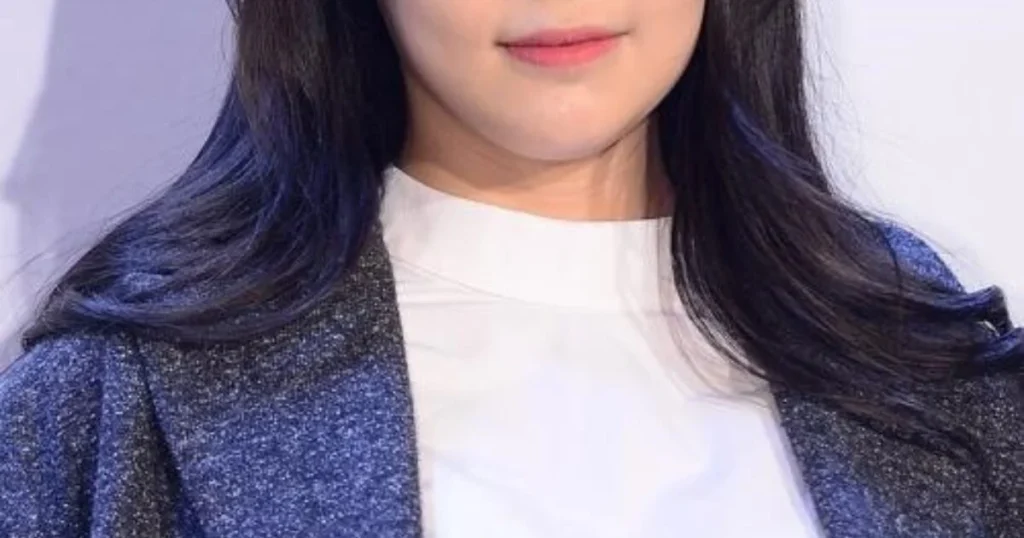

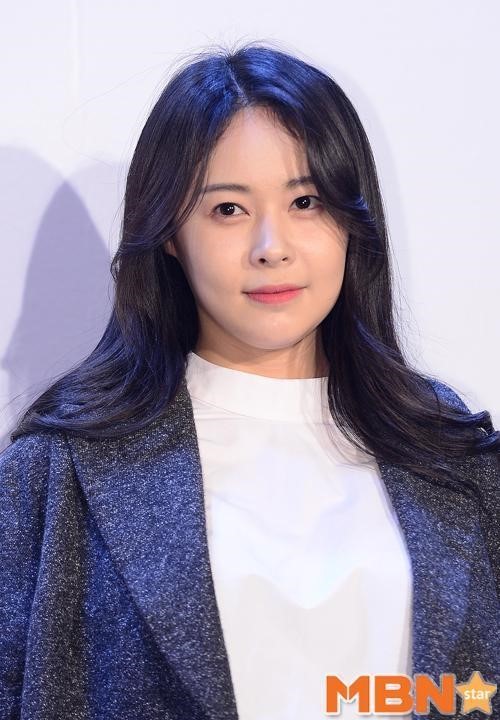
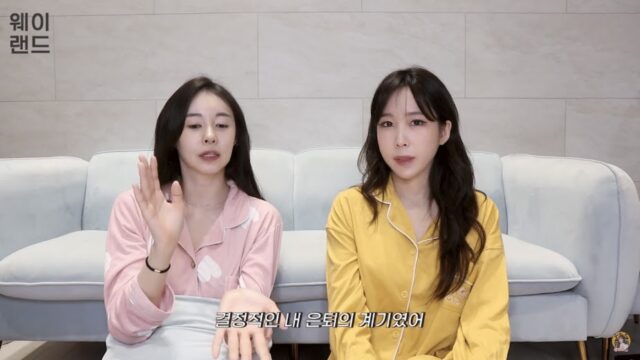
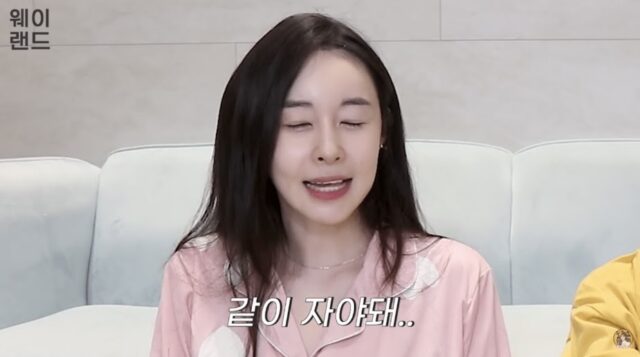
Heo Yi Jae, who is perhaps best known for her leading role in the 2007 hit drama Goong S (also known as Prince Hours) and the film Sunflower, was once heralded as "the next Kim Tae Hee" due to her striking visuals and promising acting range. However, her career was marked by unexplained hiatuses and an eventual withdrawal from the spotlight that left fans and industry analysts puzzled. The clarity the public sought arrived in 2021 when Heo appeared on the YouTube channel WayLand, hosted by former Crayon Pop member Way. During the interview, Heo recounted the specific instances of psychological and sexual harassment that served as the "last straw," leading her to abandon her career entirely.
The Nature of the Allegations and the "Chemistry" Pretext
The crux of Heo Yi Jae’s exposé centers on a married male co-star who allegedly utilized his senior position and the production’s requirements for romantic "chemistry" to pressure her into a sexual relationship. According to Heo, the actor’s behavior shifted from professional to aggressively hostile after she repeatedly declined his inappropriate advances. The harassment was not merely a series of isolated comments but an orchestrated attempt to undermine her professional standing on set.

In one of the most chilling segments of her testimony, Heo recalled a specific confrontation in which the actor attempted to gaslight her into sexual compliance. The actor reportedly asked her why she thought their on-screen relationship did not feel authentic to the audience. When Heo expressed confusion, the actor allegedly told her that for a male and female actor to truly appear as a couple, they "needed to sleep together." Heo’s immediate and firm rejection of this proposition—stating clearly that she would "hate that"—triggered a violent outburst. The actor reportedly responded with verbal profanities, calling her a "fcking btch," and began throwing objects in a fit of rage.
This incident, Heo explained, was the culmination of a long period of "gapjil"—a Korean term referring to the abuse of power by those in superior positions. She noted that the actor’s hostility made the filming environment unbearable, and because he was a leading man with significant influence, the production staff often stood by or attempted to appease him rather than protecting the junior actress.
Chronology of Heo Yi Jae’s Career and Retirement
To understand the impact of these revelations, it is necessary to examine the timeline of Heo Yi Jae’s career. She debuted in the mid-2000s and quickly gained recognition for her role in Sunflower (2006) alongside Kim Rae-won. Her casting in Goong S (2007) was intended to be her breakout moment, positioning her as a central figure in the Hallyu wave.

Between 2008 and 2011, Heo’s activity began to fluctuate. She appeared in Single Dad in Love and the film Girlfriends, but by 2011, she announced her marriage and subsequent retirement from the industry. While many assumed her departure was a personal choice to focus on family life, her 2021 testimony suggests that the trauma experienced on set had already soured her perception of the profession. After a brief attempt at a comeback in the 2016 drama You Are a Gift, she again retreated from public life.
The timeline of her retirement aligns with a period in the Korean entertainment industry where "Me Too" sentiments had not yet reached a mainstream tipping point. At that time, junior actresses often faced immense pressure to maintain the "peace" on set, with little to no institutional support for reporting harassment by senior colleagues or influential stars.
Industry Dynamics and the Culture of Silence
The resurgence of Heo Yi Jae’s story on online communities such as theqoo and Nate Pann has sparked a broader analysis of the structural issues within the K-Drama production ecosystem. Journalistic investigations into the industry have frequently pointed to the "Director-Writer-Lead Actor" triad as the ultimate authority on any given set. In this hierarchy, supporting actors and junior leads are often vulnerable to the whims of those above them.
Supporting data from various South Korean labor advocacy groups suggests that workplace harassment in the arts remains a significant concern. According to a 2018 survey conducted by the Korea Film Council (KOFIC) and the Women in Film Korea association, roughly 46% of respondents in the film industry reported having experienced some form of sexual harassment. The data further revealed that the majority of these incidents involved a power imbalance, where the perpetrator held a more senior or influential role than the victim.
In Heo’s case, the harassment was reportedly common knowledge among some staff members, yet the prevailing culture prioritized the completion of the project and the reputation of the male lead over the safety of the actress. This culture of silence is often reinforced by the high financial stakes of television production, where any delay or scandal involving a lead actor can result in massive losses for production companies and broadcasters.
Legal Constraints and the "Witch Hunt" Dilemma
One of the most controversial aspects of Heo Yi Jae’s exposé is her decision not to name the actor involved. While this has led to intense speculation and "detective work" by netizens—who have cross-referenced her filmography to identify potential candidates—Heo has explicitly asked the public to refrain from witch hunts.
The decision to remain anonymous regarding the perpetrator’s identity is often a legal necessity in South Korea. The country’s strict defamation laws, specifically Article 307 of the Criminal Act, allow for individuals to be prosecuted for "defamation by alleging facts." Under this law, even if a statement is true, if it is deemed to have damaged a person’s social reputation without a clear "public interest" justification, the speaker can face criminal charges. For an actress like Heo, naming a powerful figure could result in a protracted and expensive legal battle that she might not win, regardless of the truth of her claims.
Consequently, the public is left with "blind items," which create a secondary set of issues. When the identity of an alleged harasser is not confirmed, the shadow of suspicion often falls on multiple innocent parties who happened to work with the victim during the timeframe mentioned. This creates a cycle of speculation that can be damaging to the industry at large, yet it remains one of the few ways victims can share their stories without immediate legal retaliation.
Broader Impact and the Path Toward Reform
The impact of Heo Yi Jae’s testimony extends beyond the immediate shock of the allegations. It serves as a stark reminder of the talent lost to the industry due to toxic work environments. Heo was a promising actress whose career was effectively terminated by the actions of a colleague and the negligence of a production system that failed to intervene.
In recent years, there have been efforts to reform these dynamics. Organizations like the Center for Gender Equality in Korean Film (DeunDeun) have been established to provide legal and psychological support to victims of industry harassment. Furthermore, many production contracts now include clauses regarding workplace conduct, and the rise of social media has made it more difficult for high-profile individuals to suppress allegations of abuse.
However, as the resurfacing of Heo’s story suggests, the trauma of past incidents continues to resonate. The public reaction today is markedly different from what it might have been a decade ago; there is now a much lower tolerance for "gapjil" and a higher demand for accountability. Netizens have expressed horror not just at the actor’s behavior, but at the realization of how many other actresses may have faced similar ultimatums in silence.
The case of Heo Yi Jae remains a landmark example of the "Me Too" movement’s enduring relevance in South Korea. It highlights the need for a systemic shift where the "chemistry" of a production is built on professional respect rather than coercion, and where the safety of the cast and crew is viewed as the primary metric of a project’s success. While Heo may not return to acting, her bravery in speaking out provides a voice for those still navigating the complexities of an industry that is only beginning to confront its darkest corners.