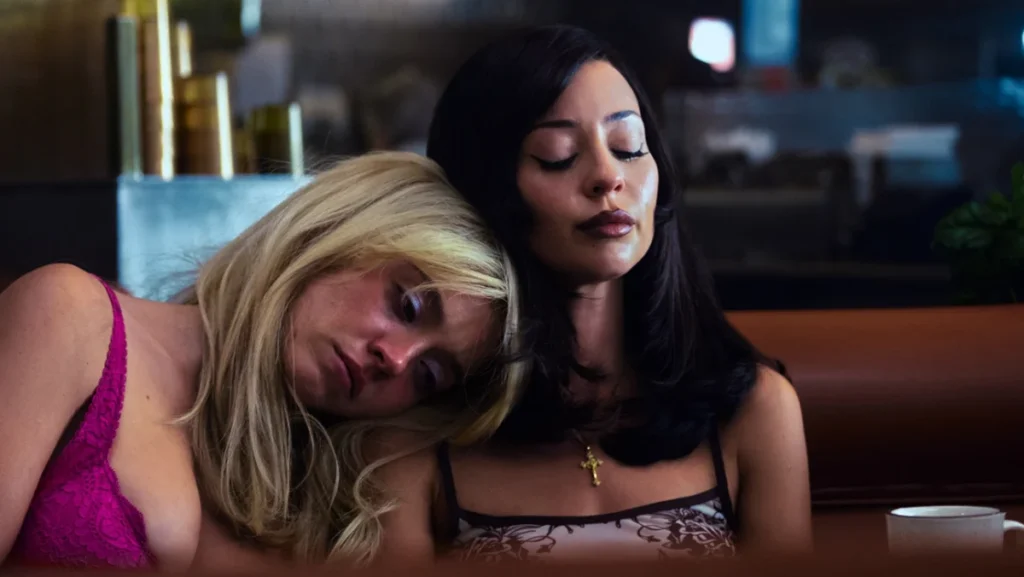

The critically acclaimed HBO drama Euphoria delivered a devastating blow to its millions of viewers with the season three finale, "In God We Trust," which aired Sunday night, confirming the long-speculated demise of its central character, Rue Bennett, portrayed by Emmy-winning actress Zendaya. The finale, which also served as the unexpected conclusion to the entire series, saw Rue succumb to an accidental overdose, a narrative choice fiercely defended by series creator Sam Levinson as an "honest ending" reflective of the brutal realities of addiction. This pivotal episode marks a definitive close for one of television’s most visually distinctive and thematically challenging shows, leaving an indelible mark on its audience and the landscape of contemporary teen dramas.
The Tragic Arc of Rue Bennett and the Finale’s Grim Reality
Since its premiere in 2019, Euphoria has captivated audiences with its unflinching portrayal of the complex lives of high school students grappling with addiction, trauma, identity, and mental health. At the heart of this narrative was Rue Bennett, a 17-year-old struggling with severe drug addiction following her father’s death. Her journey throughout the first two seasons was a tumultuous cycle of brief sobriety, intense relapses, and the profound impact her choices had on her family, friends, and her on-again, off-again girlfriend, Jules Vaughn (Hunter Schafer). Zendaya’s raw and vulnerable performance earned her two Primetime Emmy Awards for Outstanding Lead Actress in a Drama Series, solidifying Rue as one of television’s most compelling, albeit tragic, figures.
The third season finale, titled "In God We Trust," brought Rue’s protracted battle to a definitive, and for many, heartbreaking end. The episode depicts Rue taking Percocet pills obtained from Alamo, which are revealed to be laced with fentanyl. This accidental overdose culminates in her death, a narrative development that resonates with grim authenticity given the character’s long history of substance abuse and the pervasive opioid crisis depicted within the series’ universe. Levinson, known for his gritty realism and willingness to push boundaries, has consistently maintained that Euphoria aims to reflect the harsh realities faced by many young people, and Rue’s death, while profoundly sad, aligns with this foundational principle.
Sam Levinson’s Justification: An "Honest Story About Addiction and Grief"
In a post-show segment aired on HBO, Sam Levinson articulated the rationale behind the controversial decision to kill off the show’s protagonist. "It felt like an honest ending," Levinson stated, emphasizing his commitment to portraying the unvarnished truth of addiction. "The honest ending is people like Rue don’t make it." He elaborated on his overarching thematic goals for the season, explaining, "I think in the end, I wanted to tell an honest story about addiction. I also wanted to tell a story about grief and the emotional turmoil that it can create."
This perspective stems from Levinson’s own well-documented struggles with substance abuse, which he has openly discussed as a driving force behind his creation of Euphoria. His personal experience imbues the show with a visceral authenticity, often leading to intense and sometimes polarizing storytelling choices. For Levinson, Rue’s death is not merely a plot device but a stark reflection of the devastating odds faced by many individuals caught in the grip of addiction. It serves as a narrative culmination of the repeated relapses, the near-fatal incidents, and the emotional toll Rue’s addiction took on herself and those who loved her. The decision underlines a grim message: not everyone gets a second chance, a reality often softened or avoided in mainstream television narratives.
A Poignant Tribute to Angus Cloud
The finale also featured an intensely emotional dream sequence during Rue’s overdose, where she shares an interaction with Fezco, the kind-hearted drug dealer who often served as an unlikely protector for Rue. This sequence incorporated previously unseen footage of actor Angus Cloud, who tragically passed away in July 2023 at the age of 25 from an accidental overdose involving fentanyl, cocaine, and methamphetamine. The inclusion of Cloud in Rue’s final moments adds an extra layer of profound sadness and meta-narrative poignancy, transforming the scene into a powerful, albeit fictionalized, elegy.
Levinson became visibly emotional when discussing this aspect of the finale, stating, "I wanted to tell the story for Angus and for people who weren’t granted a second chance." Cloud’s death sent shockwaves through the entertainment industry and among Euphoria‘s dedicated fanbase. His portrayal of Fezco, a character with a complex moral compass and a surprising depth of empathy, had garnered him a strong following. The decision to weave his image into Rue’s death sequence serves as a direct and heartfelt tribute, acknowledging the real-world tragedy that mirrored the fictional struggles depicted on screen. It reinforces the show’s commitment to shedding light on the opioid crisis, a public health emergency that claims tens of thousands of lives annually, with fentanyl being a primary driver of overdose deaths due to its extreme potency. This artistic choice powerfully intertwines the show’s fictional narrative with the very real and devastating impact of addiction on young lives, both within and outside the confines of the Euphoria universe.
The End of an Era: Euphoria Concludes with Season Three
Following the broadcast of the season three finale, HBO officially confirmed that Euphoria would not return for a fourth season, making the episode the definitive series ender. This announcement, while perhaps foreshadowed by the finality of Rue’s fate, still came as a surprise to many, especially given the show’s immense popularity and critical acclaim. The decision to conclude the series after three seasons, rather than stretching its narrative, could be attributed to a confluence of factors.
One significant challenge for the production has been the escalating fame and demanding schedules of its primary cast members. Zendaya, in particular, has become a global superstar with leading roles in major film franchises and other high-profile projects. Similarly, actors like Jacob Elordi (Nate Jacobs), Sydney Sweeney (Cassie Howard), and Hunter Schafer have seen their careers skyrocket, making it increasingly difficult to align their availability for an ensemble drama. The logistical complexities of coordinating such a sought-after cast, combined with Levinson’s meticulous and often time-consuming creative process, likely contributed to the decision.
Furthermore, the narrative itself presented inherent challenges. The premise of Euphoria centers around high school students, yet the actors portraying them are now well into their twenties and thirties. Maintaining the illusion of high school life while advancing mature storylines becomes increasingly difficult with each passing year. Ending the series with Rue’s death, while controversial, provides a powerful and unambiguous conclusion to its central narrative arc, arguably preventing the show from overstaying its welcome or diluting its impactful themes.
Cast and Crew Reflections
Beyond Levinson’s direct comments, other cast members have also begun to reflect on their experiences with Euphoria. Hunter Schafer, who played Jules Vaughn, Rue’s intricate and often turbulent romantic interest, shared a heartfelt sentiment about Zendaya. "She was my soul mate," Schafer remarked, reflecting on their deep on-screen connection. "I was so lucky to have her as my first scene partner in the series." Such statements underscore the profound bonds formed among the cast and the significant impact the show had on their personal and professional lives. While other cast members have not yet publicly commented on the finale’s specific events or the series’ conclusion, the sentiment of gratitude and emotional connection likely resonates across the ensemble, who have navigated complex and often emotionally taxing material together. The show’s raw depiction of relationships, both romantic and platonic, created a unique dynamic that extended beyond the screen.
Broader Implications and Euphoria‘s Legacy
The conclusion of Euphoria and the controversial ending for Rue Bennett will undoubtedly spark widespread debate among fans, critics, and addiction specialists. Some may laud Levinson’s uncompromising artistic vision and his commitment to realism, viewing Rue’s death as a necessary, albeit painful, truth about addiction. Others may criticize the decision as overly bleak, arguing that it removes the possibility of hope and recovery, especially for a character around whom so much of the audience’s empathy was built. This dichotomy highlights the ongoing societal discussion about how addiction is portrayed in media—whether to emphasize the devastating consequences or to focus on paths to recovery and resilience.
Regardless of individual reactions, Euphoria has cemented its place as a groundbreaking and culturally significant series. It redefined the visual language of television, employing innovative cinematography, vibrant aesthetics, and a distinctive musical score that became hallmarks of its identity. It also fearlessly tackled sensitive and often taboo subjects, including drug addiction, sexual assault, mental health crises, and gender identity, sparking important conversations among its predominantly young audience. The show’s impact on fashion, music, and the broader cultural zeitgeist is undeniable.
By concluding the series with such a definitive and tragic end for its protagonist, Euphoria leaves a lasting, albeit somber, legacy. It is a show that dared to depict the uglier truths of adolescence with a stylistic flair and emotional depth rarely seen. Its exploration of addiction, grief, and the search for identity in a chaotic world will continue to resonate, prompting viewers to confront difficult realities and reflect on the complexities of human struggle. The final image of Rue, now a symbol of the ultimate cost of unchecked addiction, ensures that Euphoria‘s "honest ending" will be remembered and discussed for years to come. The series, for all its visual extravagance and dramatic intensity, ultimately grounded itself in the starkest of realities, forcing its audience to confront the truth that, for some, the fight against addiction can indeed be a losing battle.