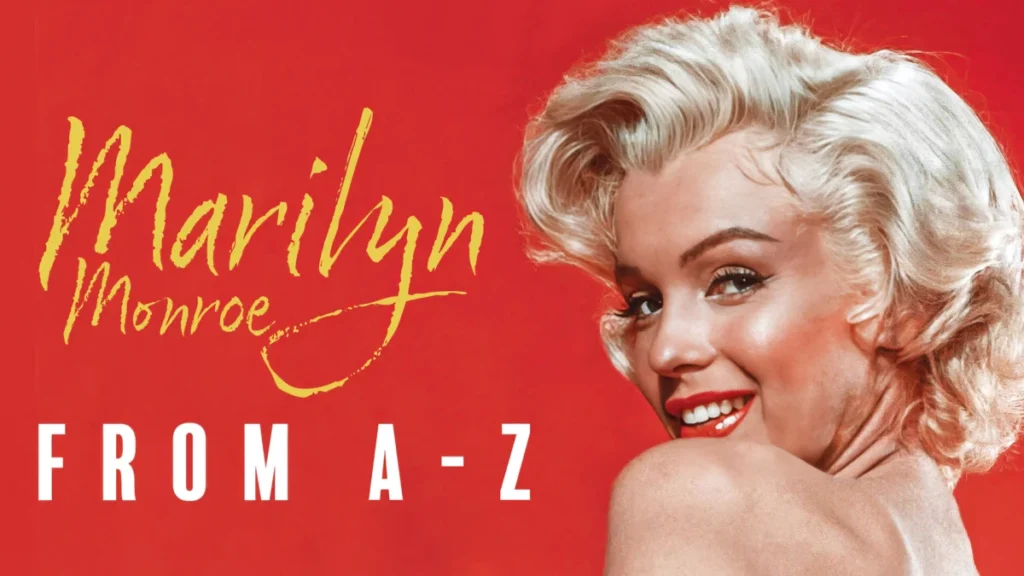

Marilyn Monroe was far more complex than the blond bombshells she portrayed onscreen. Behind the glamour was a driven, thoughtful person who worked incredibly hard to overcome a difficult upbringing and build a career where she would be taken seriously. This exploration delves into her remarkable life, career, and lasting legacy, highlighting fascinating facts, relationships, and defining moments that cemented her status as an eternal icon. From her early struggles to her meteoric rise and tragic end, Monroe’s story is a testament to resilience, talent, and the enduring power of cultural impact.
The Genesis of a Star: Early Life and Defining Influences
Born Norma Jeane Mortenson on June 1, 1926, in Los Angeles, California, Marilyn Monroe’s early life was marked by instability and hardship. Her mother, Gladys Pearl Baker, struggled with mental health issues and was unable to consistently care for her daughter. Consequently, Norma Jeane spent much of her childhood in foster homes and orphanages. This tumultuous upbringing profoundly shaped her, instilling a deep-seated need for security and affection, which she would often seek in her personal relationships and professional life.
Her formative years were characterized by a series of guardians, each with their own circumstances and limitations. The longest period of stability came with Grace McKee Goddard and her husband, Erwin Goddard, who were close friends of her mother. It was Grace McKee, a studio publicist, who first recognized Norma Jeane’s potential for a career in Hollywood. This early exposure to the world of filmmaking, however distant, planted a seed that would later blossom.
The stark contrast between her difficult childhood and the dazzling persona she would later embody underscores the immense effort Monroe invested in crafting her image and career. Her ambition was not merely to be famous, but to be recognized for her acting prowess, a desire often overshadowed by her captivating beauty.
Crafting the Icon: From Norma Jeane to Marilyn Monroe
Norma Jeane’s journey into the public eye began in her late teens. She married James Dougherty at 16, a union that provided temporary stability. During World War II, while her husband was serving overseas, she began working at a radio parts factory. It was there that a photographer, David Conover, discovered her and featured her in Yank magazine. This marked her initial foray into modeling, which quickly led to a contract with the Blue Book modeling agency.
Her early modeling success paved the way for screen tests and a minor role in the 1948 film The Shocking Miss Pilgrim. Recognizing her potential, 20th Century Fox signed her to a contract. It was during this period that she adopted the stage name Marilyn Monroe, a combination of her mother’s maiden name and the first name she chose herself. The transformation from Norma Jeane to Marilyn Monroe was a deliberate act of self-creation, a shedding of her past and an embrace of a new identity designed for the spotlight.
Her early film roles were often small, playing archetypal "dumb blonde" characters. However, Monroe possessed an innate talent for comedic timing and a vulnerability that resonated with audiences. Films like The Asphalt Jungle (1950) and All About Eve (1950) showcased her burgeoning talent, earning her critical attention and paving the way for more substantial roles.
A Defining Decade: Rise to Stardom and Cinematic Milestones
The 1950s were the zenith of Marilyn Monroe’s career. She transitioned from supporting roles to leading lady status, solidifying her position as one of Hollywood’s biggest stars. Her performances in films such as:
- Gentlemen Prefer Blondes (1953): This iconic musical cemented her status as a sex symbol and comedic talent. Her portrayal of Lorelei Lee, a gold-digging showgirl, earned her widespread acclaim and introduced memorable musical numbers like "Diamonds Are a Girl’s Best Friend." The film’s success demonstrated her ability to carry a movie and connect with a massive audience.
- How to Marry a Millionaire (1953): Starring alongside Betty Grable and Lauren Bacall, Monroe played a naive but charming woman pursuing wealthy husbands. Her chemistry with her co-stars and her comedic timing were again highlighted, further solidifying her appeal.
- The Seven Year Itch (1955): Directed by Billy Wilder, this film featured one of the most enduring images in cinematic history: Monroe’s white dress billowing up as she stands over a subway grate. While the scene became a cultural touchstone, it also highlighted the tension between her public persona and her desire for artistic respect.
- Bus Stop (1956): In a departure from her usual roles, Monroe played a saloon singer in this drama. Her performance was lauded by critics for its depth and emotional resonance, proving her capabilities beyond comedy and glamour.
- The Prince and the Showgirl (1957): Her first British production, this film saw her acting alongside Laurence Olivier. While the production was reportedly challenging, Monroe’s performance as Elsie Marina was noted for its charm and ability to hold her own against the seasoned actor.
- Some Like It Hot (1959): This classic comedy, also directed by Billy Wilder, is widely considered one of the greatest films of all time. Monroe’s portrayal of Sugar Kane, a ukulele-playing singer, earned her a Golden Globe Award for Best Actress. Her performance showcased her impeccable comedic timing and her ability to imbue a character with both vulnerability and zest.
These films not only showcased her versatility but also demonstrated her immense box office draw. She was a global phenomenon, her image gracing magazine covers and her films breaking attendance records.
Beyond the Screen: Personal Life and Complex Relationships
Marilyn Monroe’s personal life was as captivating and, at times, as tumultuous as her on-screen persona. Her high-profile marriages and relationships often made headlines, reflecting her constant search for love, stability, and understanding.
- James Dougherty (1942-1946): Her first husband, Dougherty was a stable presence during her formative years. Their marriage ended when Monroe’s modeling career began to take off, leading her to pursue opportunities in Hollywood.
- Joe DiMaggio (1954): Her marriage to the legendary baseball player was brief but intensely scrutinized. While DiMaggio reportedly cherished Monroe, their lifestyles and the constant public attention proved too much. Their divorce after just nine months was a significant event, highlighting the pressures of fame on their relationship.
- Arthur Miller (1956-1961): Her marriage to the acclaimed playwright Arthur Miller was a significant chapter, representing her desire for intellectual companionship and a life beyond the superficiality of Hollywood. Miller’s support was instrumental in her move to New York and her pursuit of more serious acting roles. However, their differing worlds and the pressures of her career and health ultimately led to their divorce.
Monroe also had notable friendships, including with figures like Frank Sinatra and acting coach Lee Strasberg, who became a mentor and significant influence on her career and personal development. Her struggles with anxiety, depression, and addiction were also well-documented, adding a layer of tragedy to her public image.
The Marilyn Monroe Production Company: A Quest for Artistic Control
In 1955, frustrated by the limited and often superficial roles offered by 20th Century Fox, Marilyn Monroe took a bold step: she formed her own production company, Marilyn Monroe Productions (MMP). This was a significant move for an actress in the 1950s, demonstrating her ambition and her desire for greater artistic control over her career.
MMP’s first production was The Prince and the Showgirl (1957), a British film co-produced with Associated British Picture Corporation. This venture allowed Monroe to negotiate her own terms and work with directors and actors of her choosing. Later, MMP also produced Some Like It Hot (1959), a critical and commercial triumph that showcased Monroe’s talent and earning power.
The formation of MMP was a testament to Monroe’s business acumen and her determination to be taken seriously as an artist. It was a struggle against the studio system, a system that often sought to exploit her image rather than nurture her talent. Her success in establishing and running her own company was a groundbreaking achievement that paved the way for other actors seeking greater autonomy.
The Legacy of an Icon: Enduring Influence and Cultural Impact
Marilyn Monroe’s untimely death on August 5, 1962, at the age of 36, sent shockwaves around the world. Despite her tragically short life, her impact on popular culture remains profound and far-reaching.
Artistic and Cultural Influence:
- Feminine Ideal and Sex Symbol: Monroe redefined the image of the Hollywood sex symbol, combining overt sensuality with a disarming vulnerability. Her image continues to inspire fashion, art, and advertising.
- Acting and Comedic Talent: Beyond her beauty, Monroe was a gifted comedic actress. Her performances in films like Some Like It Hot and The Seven Year Itch are studied for their precision and nuance. Her ability to convey complex emotions through seemingly simple characters is a testament to her skill.
- Enduring Fashion Icon: Her style, from her signature blonde curls to her iconic white dress, remains instantly recognizable and frequently emulated. She embodied a glamorous yet accessible fashion sense that continues to influence trends.
- Symbol of Hollywood Glamour and Tragedy: Monroe represents both the allure and the pitfalls of the Hollywood dream. Her life story serves as a cautionary tale about the pressures of fame and the human cost of celebrity.
Supporting Data and Broader Impact:
- Box Office Success: During her peak, Monroe was one of the highest-paid actresses in Hollywood, consistently drawing large audiences to her films. Her movies generated hundreds of millions of dollars in revenue, a significant sum for the era, underscoring her commercial power.
- Critical Re-evaluation: While often typecast early in her career, later critical analyses have increasingly recognized the depth and complexity of her performances. Her work in films like Bus Stop and Some Like It Hot is now widely celebrated for its artistic merit.
- Enduring Cultural Presence: Decades after her death, Marilyn Monroe remains a ubiquitous cultural figure. Her image is constantly revisited in films, documentaries, books, and art installations. The "Marilyn Monroe" brand continues to be licensed and celebrated, indicating her sustained commercial appeal.
- Feminist Interpretations: While initially viewed primarily as a sex symbol, contemporary interpretations of Monroe often highlight her resilience, her ambition to be taken seriously as an actress, and her struggle against the patriarchal Hollywood system. Her creation of Marilyn Monroe Productions is seen as a pioneering act of female empowerment within the industry.
Official Responses and Academic Analysis:
The enduring fascination with Marilyn Monroe has led to extensive academic study and numerous biographies and documentaries. Scholars and historians have analyzed her life through various lenses, including gender studies, film theory, and the sociology of celebrity. These analyses often highlight the tension between her carefully constructed public persona and her private struggles, as well as her significant contributions to cinematic history. While there are no "official responses" in the traditional sense, the continuous stream of academic and journalistic work dedicated to her life serves as a testament to her lasting cultural significance.
Conclusion: A Life Beyond the Spotlight
Marilyn Monroe’s life was a tapestry woven with threads of profound talent, relentless ambition, deep vulnerability, and enduring charisma. She transcended the limitations of her early life to become a global icon, a symbol of Hollywood’s golden age, and a figure whose image and legacy continue to captivate and inspire. Her journey from Norma Jeane to Marilyn Monroe was a deliberate act of self-definition, a testament to her desire to control her narrative and leave an indelible mark on the world. The complexities of her life, her artistic achievements, and the enduring mystery surrounding her persona ensure that Marilyn Monroe remains not just a star, but an eternal icon.