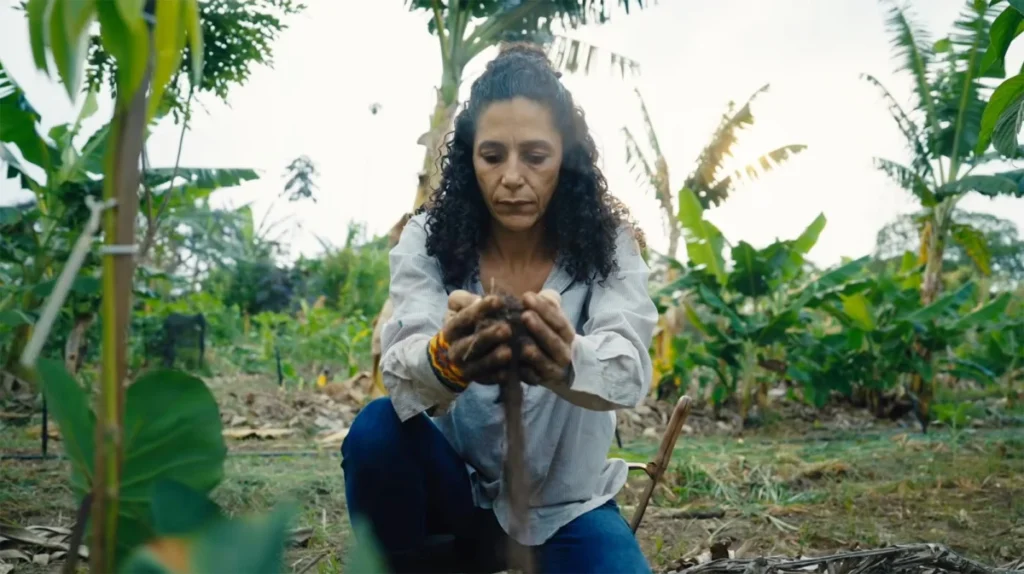

Prime Video has unveiled the official trailer for the highly anticipated documentary Groundswell, a film poised to offer a compelling vision for the future of global agriculture and its profound impact on the planet. Set to premiere on the streaming platform on June 5, 2026, Groundswell represents the culminating chapter in a significant documentary trilogy from directors Josh and Rebecca Tickell, following the critically acclaimed Kiss the Ground and Common Ground. This latest installment, which made its debut as a Special Screening at the prestigious 2026 Cannes Film Festival, broadens its scope to encompass a global perspective, narrated by acclaimed actors Demi Moore and Woody Harrelson.
A Global Movement for Soil Health and Climate Resilience
Groundswell delves into the transformative power of regenerative agriculture, a suite of farming practices designed to revitalize living soil, sequester significant amounts of atmospheric carbon deep underground, and enhance the nutritional density of food produced. The film argues that these methods are not theoretical ideals but are already being implemented at scale by a diverse coalition of farmers, scientists, Indigenous leaders, and forward-thinking visionaries across five continents. Their collective efforts are presented as a tangible solution to three interconnected crises that pose an existential threat to humanity: climate change, the alarming rate of species extinction, and the catastrophic degradation of arable land.

The documentary’s central thesis is that by embracing regenerative principles, humanity can not only mitigate environmental damage but actively reverse it. The trailer, released on YouTube, offers a glimpse into the film’s narrative, showcasing intimate portraits of individuals and communities actively engaged in reshaping their relationship with the land. The tagline, "Farm by farm, we can actually heal the entire world," encapsulates the film’s optimistic yet urgent message.
The Tickell Trilogy: A Decade of Advocacy
The Tickell directing duo has established a formidable reputation for their impactful environmental filmmaking. Groundswell is the culmination of a decade-long commitment to exploring and advocating for sustainable agricultural practices. Their previous works have laid the groundwork for this final chapter:
- Kiss the Ground (2020): This foundational film introduced audiences to the concept of soil regeneration and its potential to combat climate change, garnering widespread attention and sparking a growing interest in the topic.
- Common Ground (2023): Expanding on the themes of its predecessor, Common Ground explored the American context of regenerative farming, highlighting the economic and environmental benefits for farmers and communities. It featured a notable cast, including Jason Momoa, Woody Harrelson, Rosario Dawson, and Laura Dern, underscoring the growing mainstream recognition of the regenerative agriculture movement.
Groundswell builds upon this legacy by taking a truly global view, demonstrating that the principles of regenerative agriculture are universally applicable and essential for planetary health. The film’s premiere at Cannes, a festival renowned for its focus on artistic merit and often reserved for narrative features, signals the growing cultural and societal importance of environmental documentaries. The selection of Groundswell as a Special Screening acknowledges its significant contribution to public discourse on critical global issues.

Regenerative Agriculture: A Measurable Impact
The film meticulously documents how regenerative agriculture addresses the intertwined crises of climate change, biodiversity loss, and soil depletion. Key elements of these practices include:
- Carbon Sequestration: By promoting healthy soil ecosystems, regenerative farming techniques enhance the soil’s capacity to draw down atmospheric carbon dioxide and store it in organic matter. This process is crucial in mitigating the effects of greenhouse gas emissions. Scientific studies have indicated that healthy soils can store vast amounts of carbon. For instance, research published in Nature has suggested that agricultural soils globally hold significant carbon reserves, and regenerative practices can enhance this capacity. A report by Project Drawdown, a research organization that identifies and evaluates climate solutions, lists regenerative agriculture as a key strategy with the potential to sequester gigatons of carbon.
- Biodiversity Enhancement: Unlike conventional farming methods that can deplete soil biodiversity and harm ecosystems, regenerative practices foster a richer environment for microorganisms, insects, and other wildlife. This revival of biodiversity is essential for healthy ecosystems and sustainable food production. The film likely showcases examples of increased insect populations, improved water cycles, and a greater abundance of plant and animal life on farms employing these methods.
- Soil Health and Fertility: Regenerative agriculture focuses on building soil structure, increasing organic matter, and improving water retention. This leads to more resilient crops, reduced reliance on synthetic fertilizers and pesticides, and ultimately, more nutrient-dense food. Data from organizations like the Rodale Institute has demonstrated that organic and regenerative farming systems can produce yields comparable to or even exceeding conventional methods, while simultaneously improving soil health metrics.
- Economic Viability for Farmers: The film aims to illustrate how these practices can also lead to economic benefits for farmers, reducing input costs and improving crop resilience in the face of extreme weather events. This aspect is crucial for widespread adoption and ensuring the long-term sustainability of the movement.
Narrators and Visionaries: Amplifying the Message
The involvement of Demi Moore and Woody Harrelson as narrators lends significant weight and visibility to Groundswell. Their participation underscores the film’s ambition to reach a broad audience and engage them in the critical conversation surrounding our food systems and environmental future. Harrelson, in particular, has a well-documented history of environmental activism and has been a vocal proponent of regenerative agriculture, having also appeared in Common Ground. Their voices, combined with the compelling stories of farmers and scientists featured in the film, are expected to resonate deeply with viewers.
A Timeline of Hope and Action
The journey to Groundswell has been a deliberate and impactful one, spanning over a decade of dedicated filmmaking and advocacy:

- 2020: The release of Kiss the Ground introduces the concept of regenerative agriculture to a global audience, laying the foundation for a broader movement.
- 2023: Common Ground delves deeper into the American context, showcasing practical applications and the potential for economic and environmental benefits. The film garners critical acclaim and increases public awareness.
- Early 2026: Groundswell receives its premiere at the 2026 Cannes Film Festival as a Special Screening, signaling its significance and artistic merit.
- June 5, 2026: Groundswell becomes available for streaming worldwide on Prime Video, making its powerful message accessible to millions.
Broader Implications and the Path Forward
The release of Groundswell arrives at a pivotal moment in history, with mounting evidence of the escalating climate crisis and its multifaceted impacts. The film’s emphasis on regenerative agriculture as a viable and scalable solution offers a tangible pathway towards a more sustainable and equitable future.
The implications of this movement extend beyond environmental concerns:
- Food Security: By revitalizing soil and enhancing agricultural resilience, regenerative practices can contribute to more stable and secure food supplies, particularly in regions vulnerable to climate shocks.
- Rural Economic Development: The shift towards regenerative agriculture can empower farmers, create new economic opportunities, and foster stronger rural communities.
- Public Health: The production of more nutrient-dense food and the reduction of pesticide use can have positive long-term effects on public health.
Groundswell is more than just a documentary; it is a call to action, a testament to the power of human ingenuity, and a beacon of hope in the face of global challenges. By highlighting the profound connection between healthy soil, healthy ecosystems, and a healthy planet, the film invites viewers to reconsider their relationship with the food they consume and the land that sustains them, offering a practical blueprint for renewal, one acre at a time. The film’s broad release on Prime Video is expected to further accelerate the adoption of regenerative agriculture and inspire a new generation of environmental stewards.