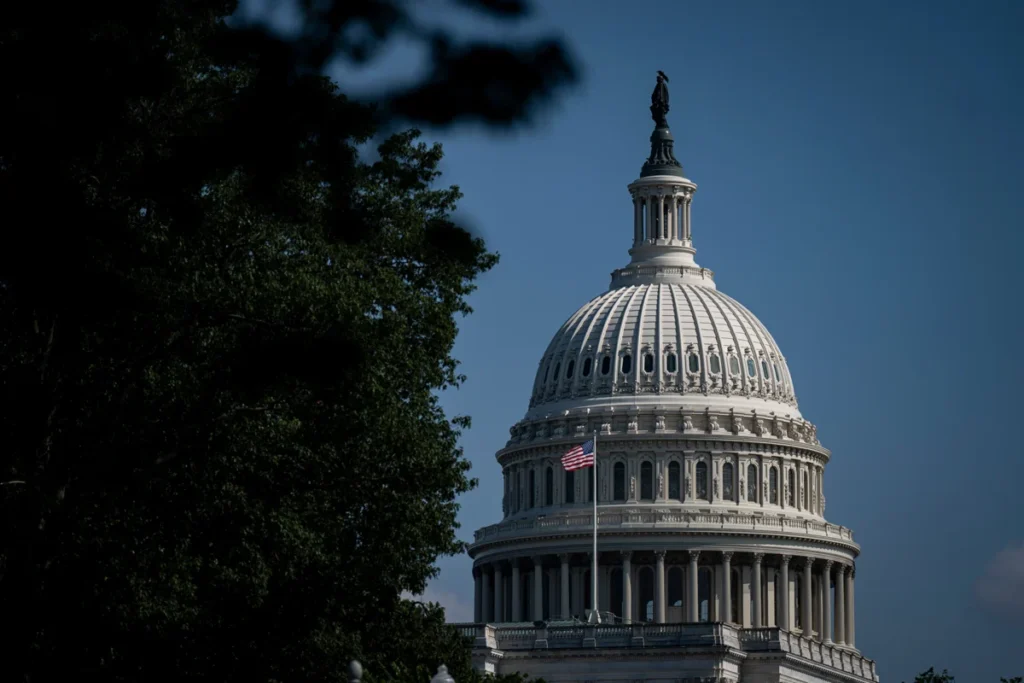

As the 119th United States Congress convenes, a landscape of proposed legislation directly impacting the music industry is taking shape. Billboard is meticulously tracking these bills, which span crucial areas such as songwriting, licensing, artist royalties, ticketing practices, and the viability of live performances. The potential for these legislative actions to reshape the operational and economic framework of the music business is significant, prompting close attention from artists, consumers, and corporations alike.
The current legislative session reflects a growing bipartisan acknowledgment of the music industry’s multifaceted contributions and challenges. A notable aspect of these ongoing discussions is the broad coalition of support, with key industry organizations like the Recording Academy and the Recording Industry Association of America (RIAA) actively advocating for the passage of these measures. Major record labels and live entertainment powerhouses such as Live Nation are also deeply invested, signaling a united front in shaping the future of music policy.
Understanding the legislative journey of these bills is essential. The process is often intricate and protracted, marked by repeated introductions, committee reviews, public hearings, and revisions. Bills may emerge in differing forms in both the House of Representatives and the Senate, necessitating careful navigation through bicameral channels. Ultimately, successful legislation must pass votes in both chambers before being presented to the President for signature into law. Billboard’s comprehensive tracking aims to demystify this process, providing a centralized resource for understanding the history, proponents, and potential ramifications of each piece of music-related legislation before the 119th Congress. This ongoing report will be updated to reflect developments, new bill introductions, and their evolving significance for the music ecosystem.
Key Legislative Arenas and Their Potential Impact
The legislative agenda for the 119th Congress touches upon several critical facets of the music industry, each with the potential to introduce substantial changes. These include:
Songwriting and Royalty Structures
A central focus of legislative efforts is the modernization and equitable distribution of royalties for songwriters and composers. Historically, the digital age has presented complex challenges in tracking and compensating creators for the use of their work across various platforms. Bills addressing these issues often seek to:
- Reform Statutory Licensing Rates: Proposals may aim to adjust the rates at which digital music services pay royalties for the public performance and mechanical reproduction of songs. This could involve updating outdated rate-setting mechanisms to better reflect current market values and digital consumption patterns.
- Enhance Transparency in Royalty Payments: Legislation might mandate greater transparency from digital service providers and music publishers regarding how royalties are calculated and distributed. This could empower songwriters to better understand their earnings and ensure fair compensation.
- Address the Value Gap: Some proposals tackle the perceived "value gap," the disparity between the revenue generated by digital platforms and the royalties paid to creators. Efforts may focus on ensuring that platforms that benefit significantly from music content contribute more equitably to its creators.
The implications of these reforms could be far-reaching. For songwriters, clearer and more robust royalty streams could provide greater financial stability and encourage continued creative output. For digital platforms, revised licensing structures might necessitate adjustments to their business models and operational costs. Consumers could potentially see indirect effects on the pricing or availability of music streaming services, though the primary aim is often to rebalance economic benefits toward creators.
Ticketing and Live Performance Economics
The live music sector, a vital revenue generator for artists and a significant contributor to local economies, is another area targeted by legislative scrutiny. Issues surrounding ticketing practices have been a persistent concern for fans and industry stakeholders. Potential legislative interventions include:
- Combating Ticket Scalping and Predatory Pricing: Bills may seek to regulate the resale of tickets, aiming to curb the practice of scalping where tickets are bought in bulk by bots or resellers and then sold at exorbitant markups. This could involve price caps or restrictions on automated ticket purchasing software.
- Improving Ticket Purchasing Transparency: Legislation could mandate clearer disclosure of all fees associated with ticket purchases, ensuring consumers are fully aware of the total cost before completing a transaction.
- Enhancing Consumer Protection in Secondary Markets: Measures might aim to provide greater recourse for consumers who purchase tickets through resale platforms, addressing issues like fraudulent tickets or non-delivery.
- Addressing Venue and Promoter Practices: Beyond ticketing, some legislation might explore the economic relationships between venues, promoters, and artists, potentially seeking to ensure fairer contract terms or revenue sharing.
The impact of ticketing reform could significantly alter the landscape for concertgoers, potentially making tickets more accessible and affordable. For artists, greater control over ticket distribution and pricing could lead to increased revenue and a stronger connection with their fanbase. Ticketing platforms and resellers, however, might face new regulatory burdens or limitations on their business operations.
Music Tourism and Cultural Investment
Recognizing the economic power of music to drive tourism and cultural engagement, some legislative proposals aim to foster growth in this sector. These initiatives could involve:
- Incentivizing Music Tourism Development: Legislation might offer tax credits or grants to cities and regions that develop and promote music-related tourism initiatives, such as music festivals, historical music sites, or music heritage trails.
- Supporting Local Music Ecosystems: Efforts could be made to provide funding or policy support for local music venues, independent artists, and music education programs, recognizing their role in building vibrant cultural communities and attracting visitors.
- Promoting Music Heritage Preservation: Bills could allocate resources for the preservation of historically significant music venues, recording studios, and other cultural landmarks that contribute to a region’s musical identity and appeal to tourists.
The economic implications of such legislation could be substantial, potentially creating new jobs, stimulating local economies, and enhancing the cultural appeal of various regions. Artists and music entrepreneurs might benefit from increased opportunities and support for their creative endeavors.
The Legislative Process: A Marathon, Not a Sprint
The journey of a bill from conception to law is a complex and often lengthy process, particularly in a bicameral system like the U.S. Congress. Understanding this process provides context for the current legislative discussions:
- Introduction: A bill is formally introduced in either the House of Representatives or the Senate by a member of that chamber.
- Committee Referral: Upon introduction, the bill is referred to the relevant committee(s) based on its subject matter. For music industry legislation, this might include committees focused on Judiciary, Commerce, Science, and Technology, or others depending on the specific provisions.
- Committee Action: Committees hold hearings, gather expert testimony, debate the bill, and may propose amendments. A bill can be reported out of committee favorably, unfavorably, or indefinitely postponed.
- Floor Debate and Vote: If a bill is favorably reported by a committee, it proceeds to the floor of its respective chamber for debate, amendment, and a vote.
- Passage in Second Chamber: If a bill passes one chamber, it is sent to the other chamber, where it undergoes a similar committee and floor process.
- Conference Committee (if necessary): If the House and Senate pass different versions of the same bill, a conference committee, composed of members from both chambers, is formed to reconcile the differences.
- Final Vote: Once both chambers agree on a final version, it is sent to the President.
- Presidential Action: The President can sign the bill into law, veto it (which can be overridden by a two-thirds vote in both chambers), or take no action (in which case it becomes law after 10 days if Congress is in session, or fails if Congress adjourns).
The introduction of legislation in the 119th Congress marks a crucial stage, but the path forward will involve navigating these various hurdles. The sustained advocacy of industry groups and the bipartisan nature of some proposals suggest a serious intent to address these issues.
Industry Engagement and Stakeholder Perspectives
The active involvement of industry stakeholders underscores the significance of the proposed legislation. Organizations like the Recording Academy, which represents musicians and recording professionals, and the RIAA, which advocates for the recorded music industry, play a pivotal role in educating lawmakers and garnering support. Their engagement is crucial for ensuring that legislative proposals accurately reflect the needs and realities of the music ecosystem.
Major record labels, often at the forefront of the industry’s economic engine, have a vested interest in the outcomes of legislation concerning licensing and royalty distribution. Similarly, Live Nation, a dominant force in live entertainment, is closely monitoring developments related to ticketing and venue economics. The collective voice of these entities, alongside independent artists and smaller businesses, contributes to the complex dialogue surrounding music policy.
While the provided article does not include specific quotes from these entities within the current legislative context, their historical engagement with such issues suggests a consistent focus on:
- Fair Compensation for Creators: Ensuring that artists and songwriters are adequately compensated for their work in the digital age.
- Market Stability and Growth: Promoting policies that foster a healthy and growing music market, benefiting both creators and businesses.
- Consumer Access and Experience: Balancing industry interests with the desire for accessible and enjoyable music consumption for fans, both through recordings and live performances.
The legislative process is dynamic, and Billboard’s continued monitoring will provide essential updates on how these bills progress and what impact they may ultimately have on the music industry. The 119th Congress represents a critical juncture where policy decisions could significantly shape the future of music creation, distribution, and consumption for years to come.