
The 79th annual Cannes Film Festival has once again transformed the French Riviera into the epicenter of global cinema and high fashion, drawing an unprecedented array of international talent, filmmakers, and luxury brands to the Boulevard de la Croisette. As the festival enters its final stages, the red carpet has served as a critical platform for major fashion houses to debut their latest couture collections while simultaneously providing a high-stakes stage for the promotion of the year’s most anticipated cinematic works. This year’s festival is particularly notable for its blend of established cinematic legends and a rising generation of talent, all navigating the rigorous sartorial expectations of one of the world’s most photographed events.
The Strategic Intersection of Fashion and Cinema
The red carpet at Cannes is far more than a ceremonial entrance; it is a multi-million dollar marketing apparatus. For luxury conglomerates such as LVMH and Kering, the festival represents a peak period for Earned Media Value (EMV). Analysts estimate that a single appearance by a high-profile ambassador can generate upwards of $5 million in media impact within 24 hours. The 2026 season has seen a heavy reliance on "exclusive" brand partnerships, where stars are contracted to wear specific labels for the duration of the 12-day event.
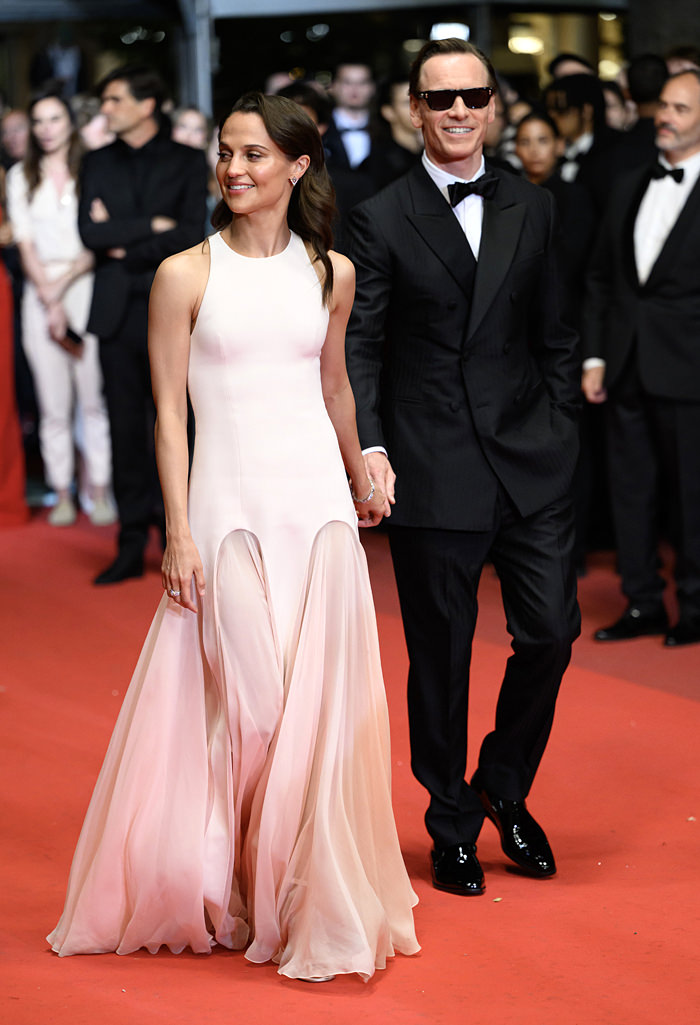
Among the most prominent collaborations this year is the continued partnership between Louis Vuitton and a diverse roster of talent. At the premiere of the film HOPE, Alicia Vikander appeared in a custom Louis Vuitton ensemble. The gown featured a minimalist, pale bodice contrasted with a highly detailed, textured skirt, a signature of the house’s current creative direction. Accompanying her was Michael Fassbender, who opted for a classic tailored suit by Berluti, reinforcing the trend toward traditional masculine elegance in formal evening wear.
Highlights from the Mid-Festival Premieres
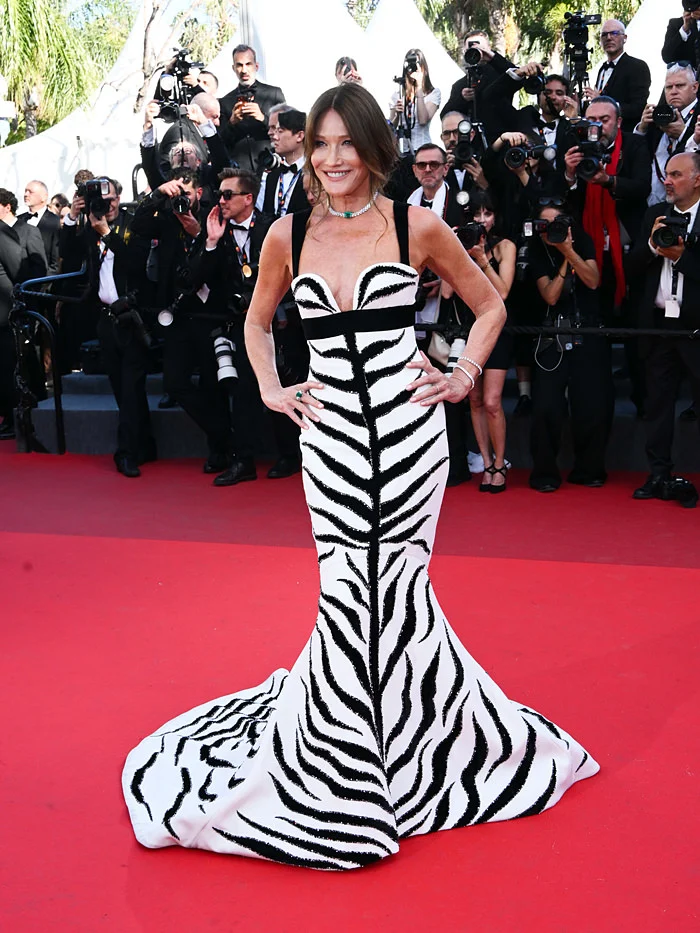
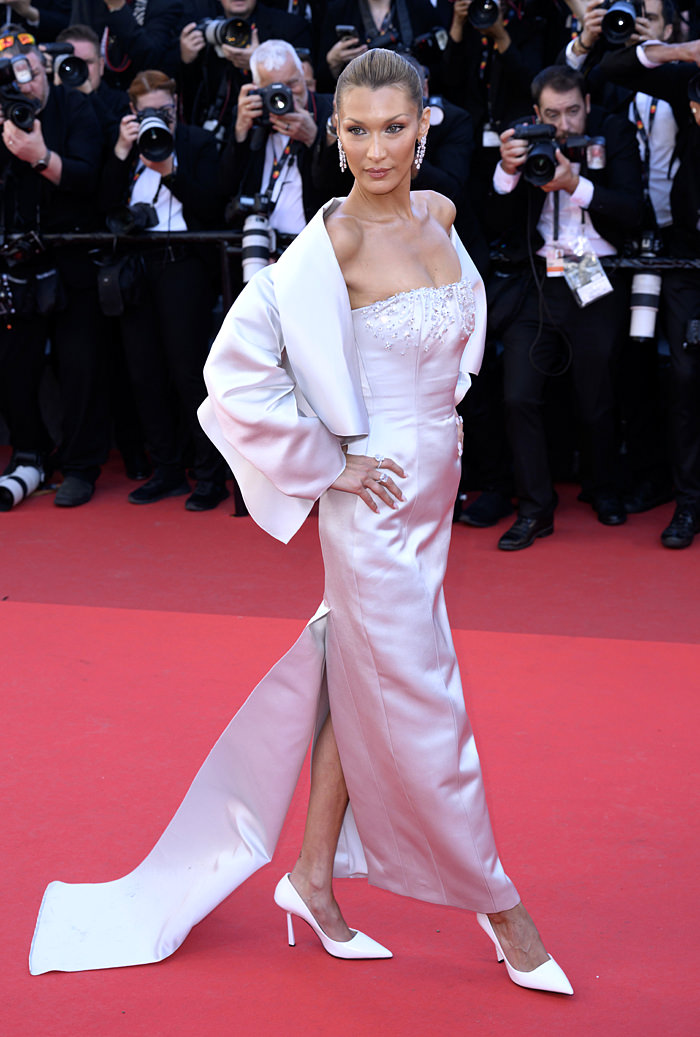
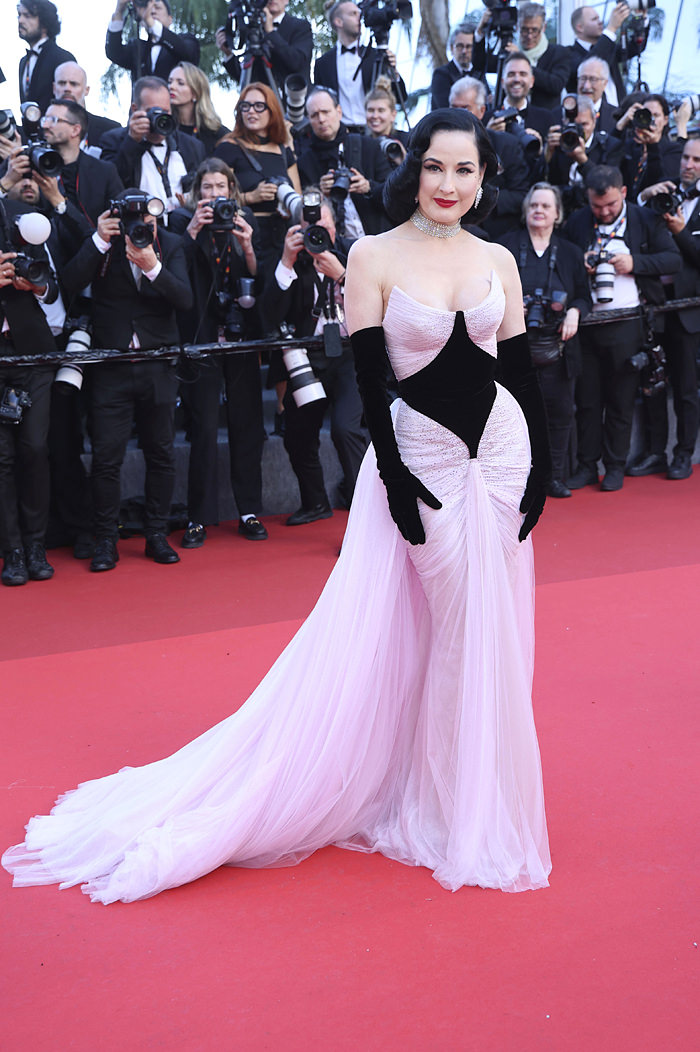
As the competition for the Palme d’Or intensified, the red carpet reflected the shifting moods of the films being showcased. The premiere of GARANCE saw a return to "Old Hollywood" glamour, led by model Bella Hadid in a structured Prada gown. Fashion critics noted that the choice highlighted the enduring appeal of mid-century silhouettes in a contemporary context. Joining her was former French First Lady Carla Bruni, who wore Roberto Cavalli Couture. Bruni’s gown featured bold zebra-stripe motifs and a distinctive black band, though industry reactions to the strap detailing were mixed, with some suggesting it distracted from the gown’s inherent fluidity.
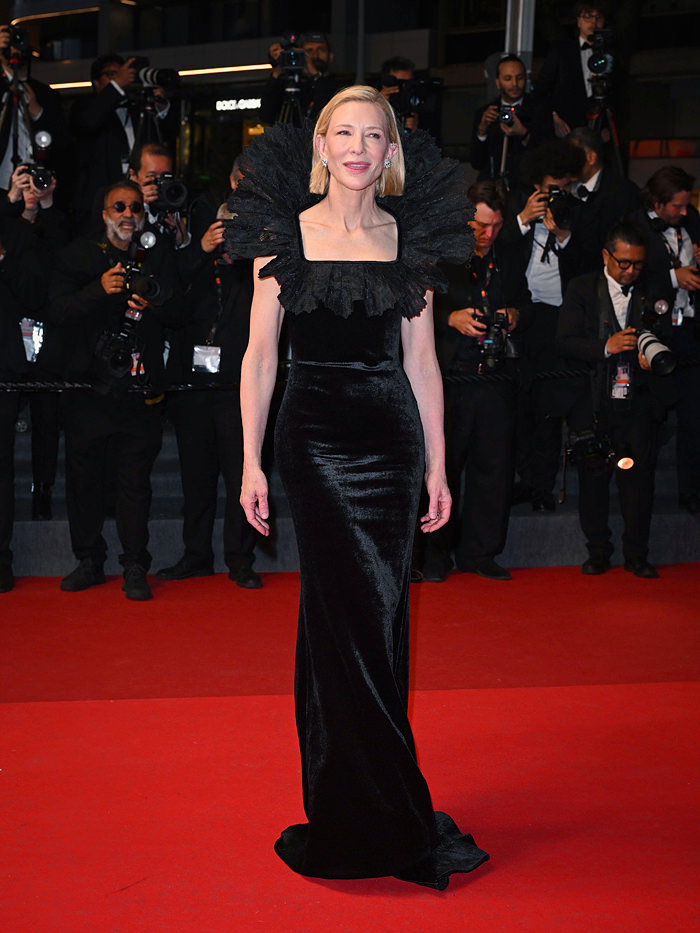
In a rare departure from the spotlight, Cate Blanchett attended the PAPER TIGER premiere in Louis Vuitton. While Blanchett is traditionally a focal point of fashion analysis, her appearance in this instance was described by some observers as uncharacteristically understated. This shift toward "quiet luxury" on the red carpet has been a burgeoning trend in 2026, as some actors choose to redirect the public’s focus toward the creative merits of the films rather than the extravagance of their attire.
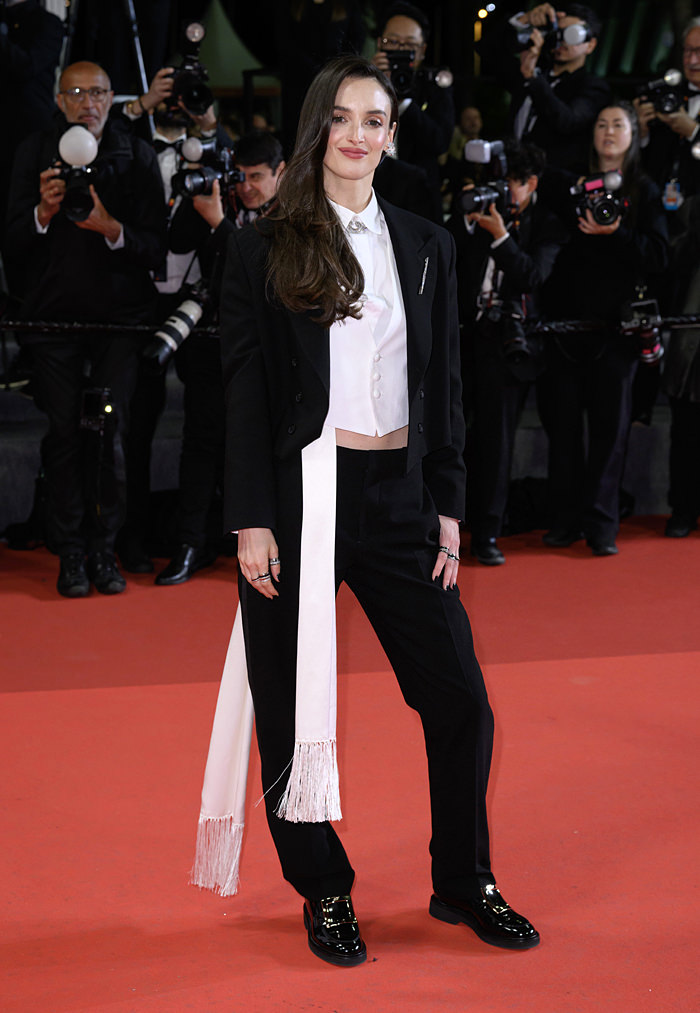
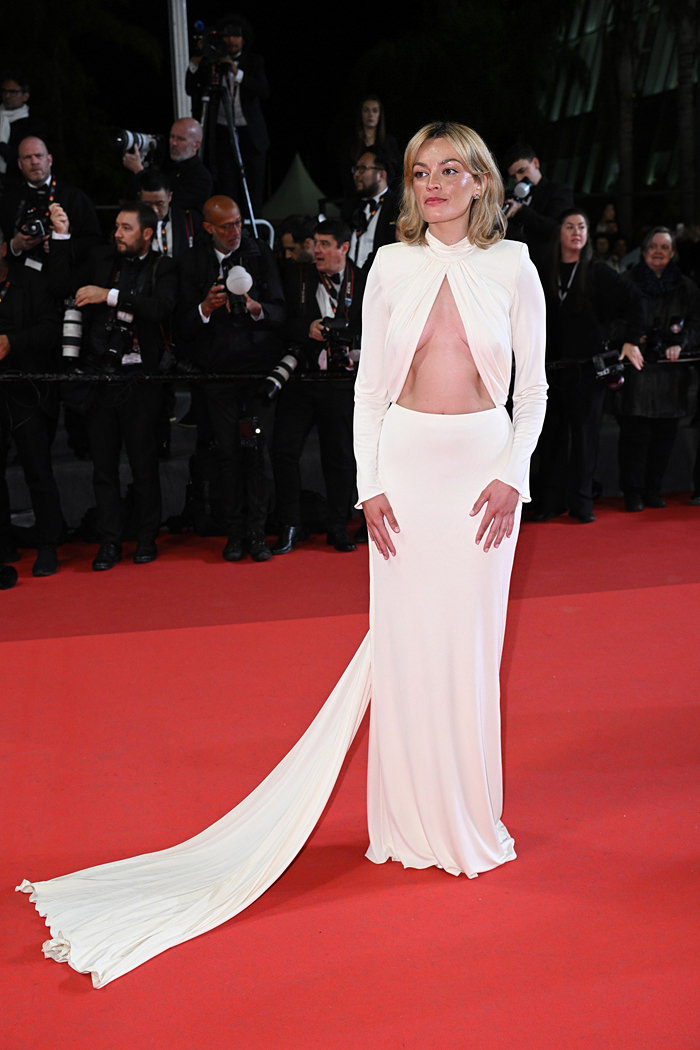
The premiere of FULL PHIL introduced a more experimental aesthetic. Charlotte Le Bon arrived in a Dior ensemble that featured a controversial scarf accessory and a midriff-baring cut. Simultaneously, Emma Mackey represented Louis Vuitton in a look that polarized spectators. While some praised the avant-garde nature of the design, others suggested the silhouette lacked the cohesion typically associated with the house’s red-carpet output.
The Rise of Balenciaga and the New Avant-Garde
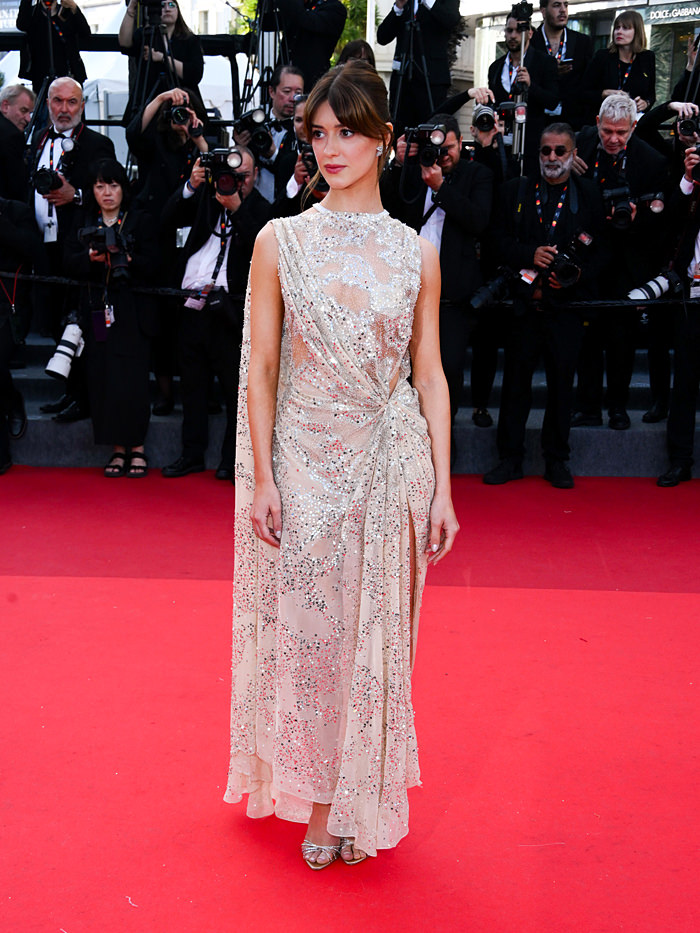
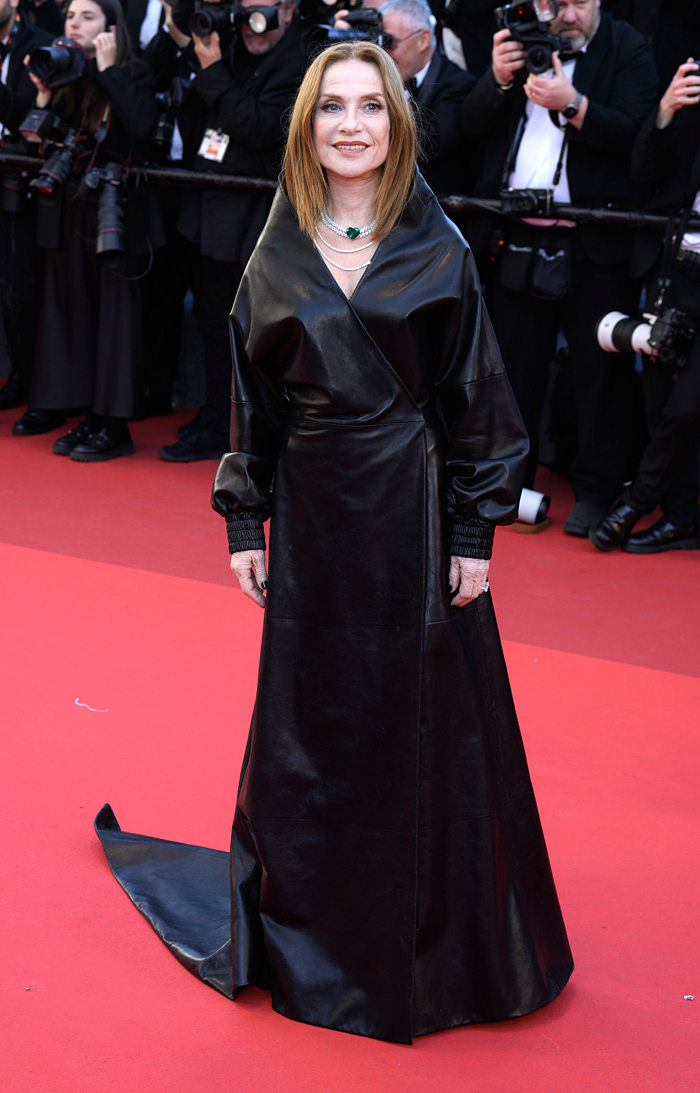
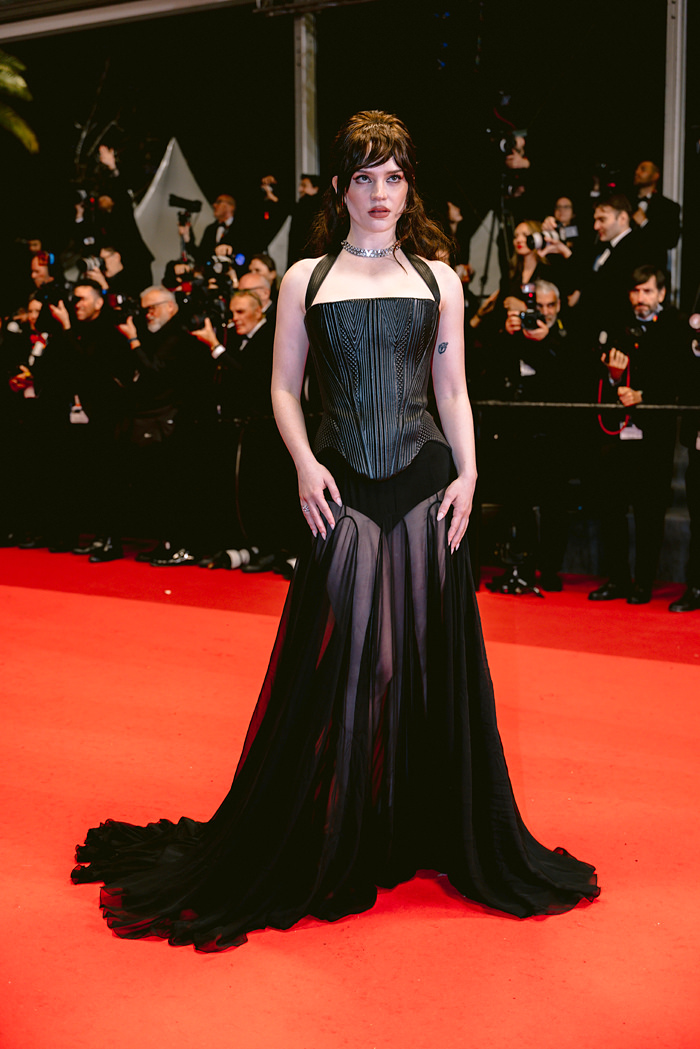
Balenciaga, under its current creative leadership, has maintained a significant presence at the 2026 festival, often leaning into darker, more architectural themes. Daisy Edgar-Jones attended the FJORD premiere in a Balenciaga gown that was widely praised for its striking simplicity and precise tailoring. In contrast, the premiere of KARMA featured Isabelle Huppert in a "witchy" Balenciaga design characterized by leather textiles and a hooded silhouette. Industry experts noted that while the use of heavy leather in the Mediterranean heat was a bold choice, it solidified Huppert’s reputation as a fearless proponent of high-concept fashion.
This avant-garde movement was further exemplified by Halsey at the SHEEP IN THE BOX premiere. Wearing Andreas Kronthaler, the artist opted for an overdesigned, voluminous gown that challenged traditional red-carpet proportions. While the look was a significant departure from the evening’s more conservative styles, it underscored the festival’s role as a space for creative risk-taking.
Men’s Fashion and the Evolution of the Tuxedo
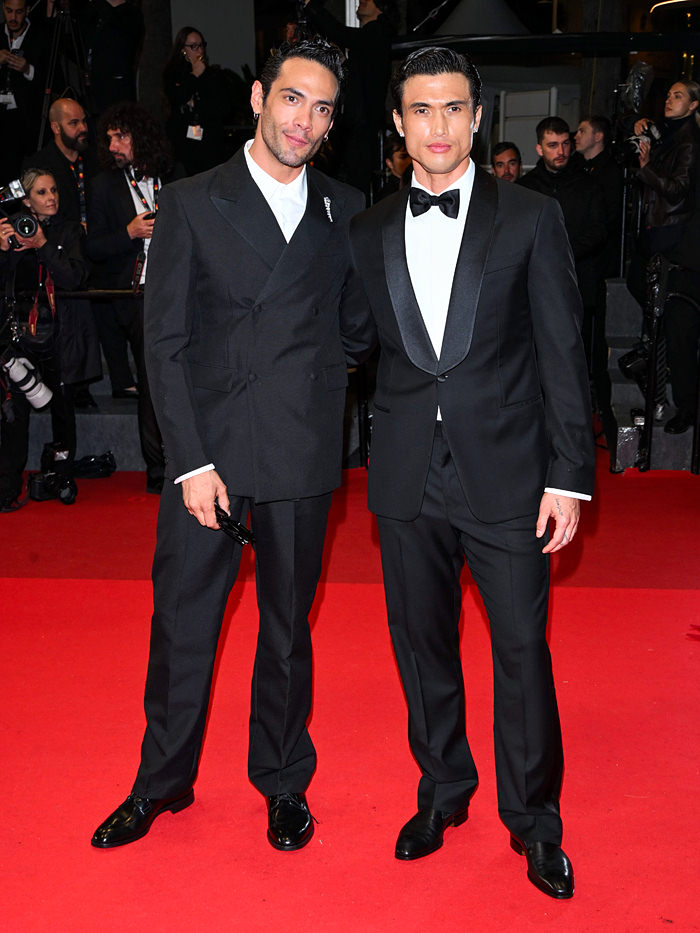
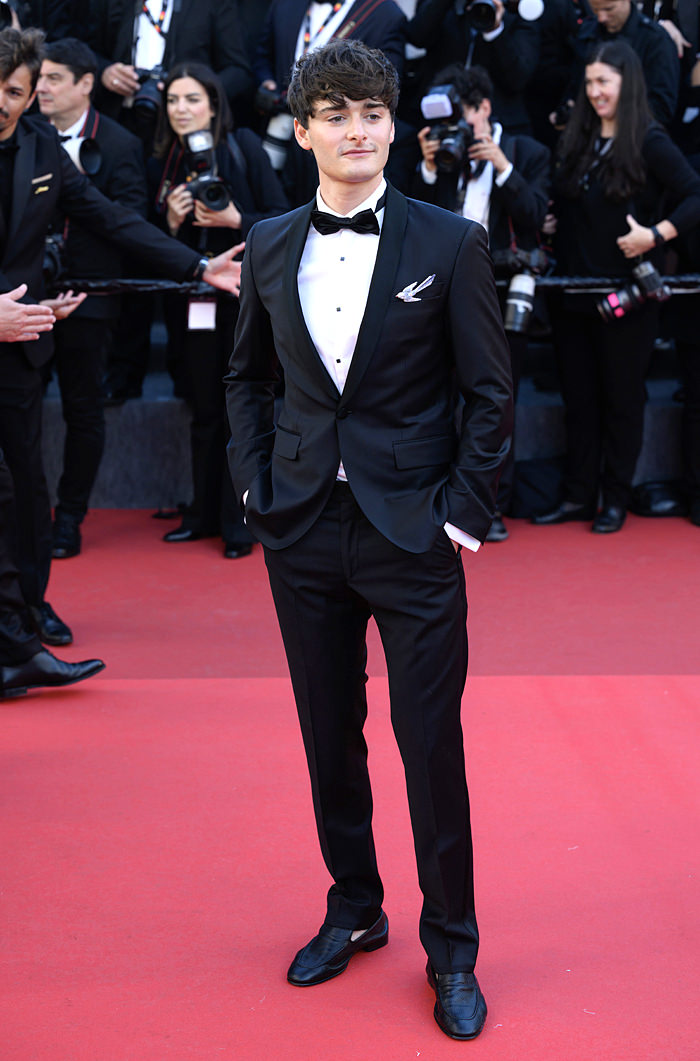
The 2026 festival has also seen a diversification in menswear, moving beyond the standard black tuxedo. At the HER PRIVATE HELL premiere, Diego Calva (in Prada) and Charles Melton (in Louis Vuitton) showcased the importance of grooming and bone structure in elevating classic tailoring. Meanwhile, Noah Schnapp attended THE BELOVED premiere in a Karl Lagerfeld tuxedo, though his choice to go sockless sparked a debate among traditionalists regarding the boundaries of formal etiquette.
Stellan Skarsgård, attending the FJORD premiere in AMI Paris, was cited as a prime example of "sophisticated maturity." His relaxed yet impeccably tailored look suggested that the Mediterranean setting allows for a slight softening of rigid formal codes, provided the quality of the garment remains paramount.
Supporting Data and Economic Impact
The scale of the Cannes Film Festival remains unrivaled in the industry. According to data released by the festival’s organizing committee, the 2026 edition has seen:
- Accredited Attendees: Over 35,000 film professionals.
- Journalists: 4,200 representatives from 90 countries.
- Economic Impact: An estimated €200 million generated for the city of Cannes and the surrounding region.
- Security: A force of 1,000 personnel ensuring the safety of the Palais des Festivals.
The "Cannes Effect" also extends to the digital realm. Data from social media analytics firms indicate that "Cannes Red Carpet" was the top-trending fashion search globally for eight consecutive days, surpassing the engagement levels of the previous year’s Met Gala. This digital footprint is a primary driver for luxury brands, who view the festival as the ultimate window for global visibility.
Official Responses and Cultural Implications
Festival Director Thierry Frémaux has repeatedly emphasized that while the red carpet is a vital component of the event’s allure, the "cinema must remain at the heart of the Croisette." In a brief statement earlier this week, Frémaux addressed the balance between fashion and film, noting, "The elegance of the participants is a tribute to the artists whose work we celebrate. It is a sign of respect for the screen."
However, the 2026 festival has not been without its critiques. Cultural commentators have pointed out the increasing "influencer-ification" of the red carpet, where individuals with no direct connection to the films being screened are invited for their social media reach. This has led to calls for a more curated guest list to preserve the festival’s prestige.
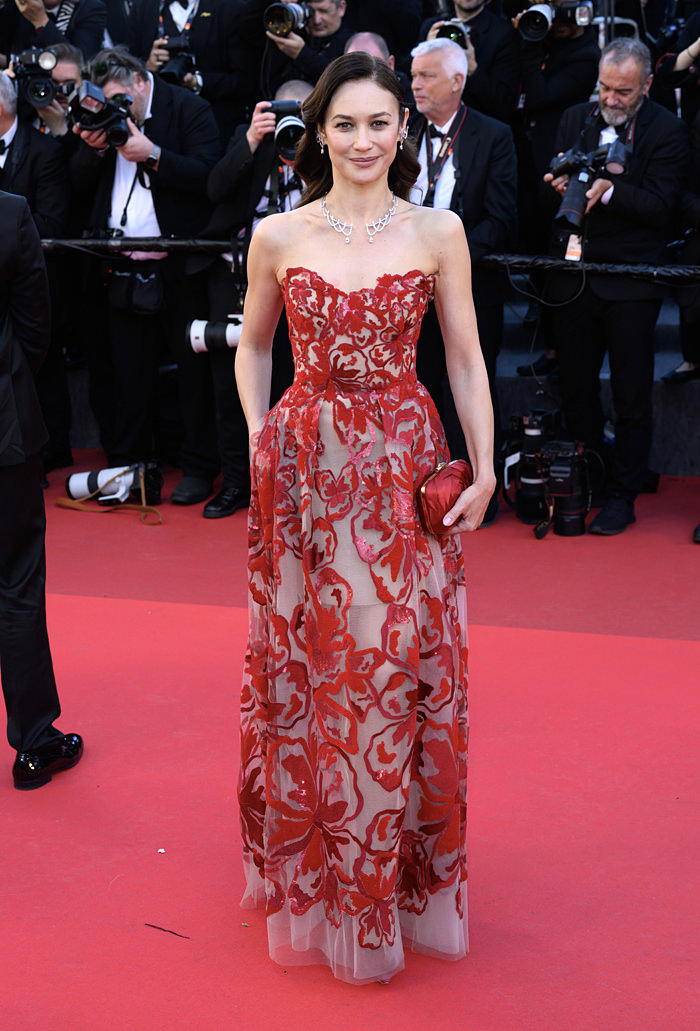
Furthermore, the environmental impact of the festival continues to be a point of discussion. In response to pressure from sustainability advocates, several stars—including Olga Kurylenko, who wore a lined sheer gown by Elie Saab at the KARMA premiere—have highlighted the use of sustainable textiles and archival pieces. The festival itself has implemented a "Green Policy" for 2026, aiming to reduce carbon emissions from private jet travel and local transport.
Chronology of the 2026 Red Carpet Catch-Up
The festival’s sartorial journey can be categorized into three distinct phases:
- The Opening Salvo: The first three days were dominated by "Power Dressing," with a focus on structured gowns and high-jewelry partnerships (notably Chopard and Cartier).
- The Mid-Week Experimentalism: Days four through eight saw a shift toward more daring designs, including the leather motifs seen on Isabelle Huppert and the voluminous shapes favored by Halsey.
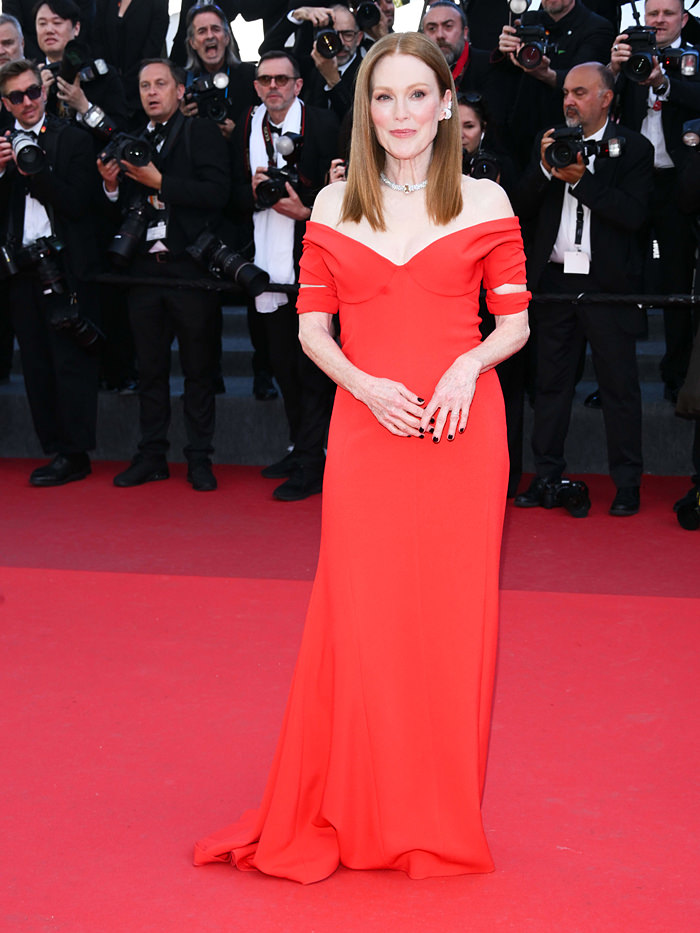
- The Closing Elegance: As the awards ceremony approaches, the red carpet is trending back toward timeless silhouettes, as seen in Julianne Moore’s Bottega Veneta gown at the GARANCE premiere, despite minor criticisms regarding its sleeve construction.
Looking Ahead to the Palmes d’Or
As the 79th Cannes Film Festival nears its conclusion, the focus will shift from the red carpet to the jury’s deliberations. However, the fashion legacies established during these two weeks will persist in the form of global advertising campaigns and editorial spreads. The 2026 "Catch-Up" reveals a festival in transition—one that remains deeply rooted in the glamour of the past while aggressively embracing the technological and social changes of the future. Whether it is the "witchy" allure of Balenciaga or the "sexy grandpa" chic of Stellan Skarsgård, the Croisette continues to define the visual language of the global elite.