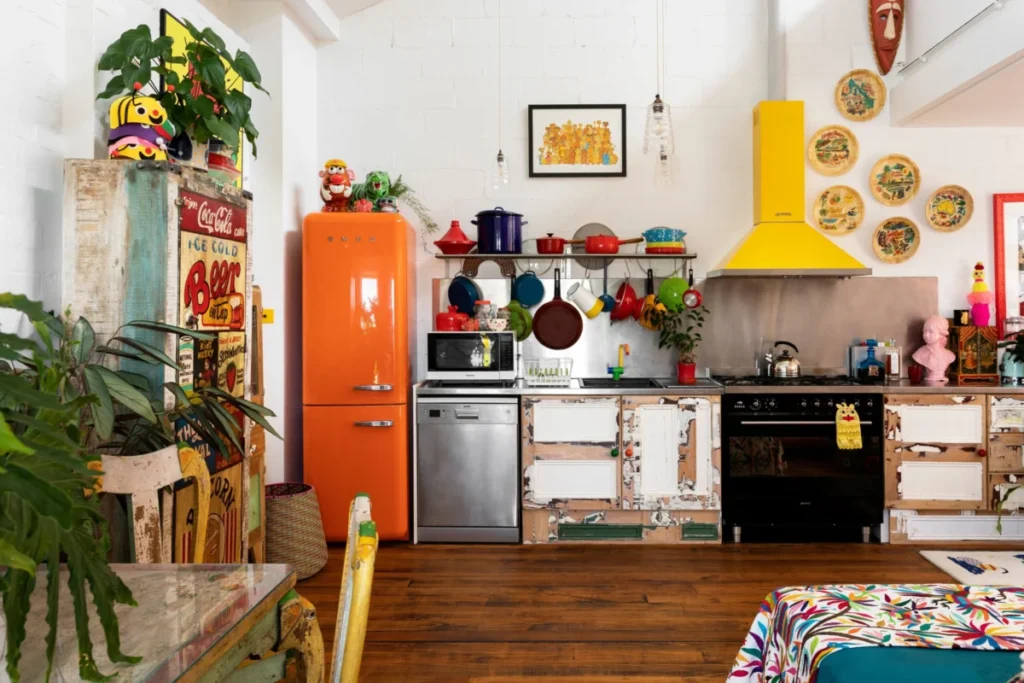

The kitchen has long been considered the functional heart of the home, but in recent years, the boundary between utility and aesthetics has blurred significantly. Modern interior design now demands that even the most mundane household tools—those traditionally hidden away in cabinets or relegated to the "back of house"—contribute to a curated domestic environment. This shift is most evident in the evolution of the dish drying rack, an object once defined by cheap plastic and rust-prone wire, which has been reimagined by leading global designers as a sculptural centerpiece.
.jpg)
For residents of urban environments where counter space is at a premium and dishwashers are often a luxury rather than a standard fixture, the dish rack is a permanent resident of the kitchen landscape. This constant visibility has catalyzed a market for "elevated" drying solutions. High-design options from brands such as Alessi, Simplehuman, and HAY are no longer merely functional; they are engineered to eliminate common hygiene issues like soapy puddles, mildew, and foggy glassware, all while maintaining an elegant silhouette.
The Evolution of Kitchen Utility: From Function to Form
Historically, the kitchen was a strictly utilitarian space, often separated from the living and dining areas. However, the rise of open-plan living in the mid-20th century and the "professionalization" of the home kitchen in the 2000s changed how homeowners interact with their tools. According to market research data, the global kitchenware market was valued at approximately $62 billion in 2023 and is projected to grow at a compound annual growth rate (CAGR) of 4.5% through 2030. This growth is driven largely by a consumer preference for premium, durable, and aesthetically pleasing products.

The shift toward high-design dish racks reflects a broader trend in environmental psychology: the idea that a well-organized and visually pleasing environment reduces stress and improves domestic well-being. A cluttered or unsightly counter can contribute to "visual noise," making the chore of cleaning feel more burdensome. By contrast, a rack that doubles as a piece of art can turn a repetitive task into a more mindful, elevated experience.
Material Science and Hygiene in Modern Design
One of the primary drivers behind the redesign of the dish rack is the need for better hygiene and material longevity. Traditional racks often utilized low-grade plastics that became brittle or coated metals that eventually chipped and rusted. Modern iterations prioritize materials that are both resilient and antimicrobial.
.jpeg)
Diatomaceous Earth and Rapid Absorption
The introduction of "stone" drying mats, such as those utilized by the brand Dorai, represents a significant leap in kitchen technology. These mats are often made from diatomaceous earth—a naturally occurring, siliceous sedimentary rock. This material is highly porous and can absorb moisture almost instantly, allowing it to evaporate before mold or bacteria can form. This technology was first popularized in high-end bath mats but has transitioned into the kitchen to solve the problem of "counter-puddles" and the subsequent damage they cause to stone and wood surfaces.
Stainless Steel and Fingerprint Resistance
For more traditional frames, 304-grade stainless steel has become the industry standard for high-end racks. Brands like Simplehuman have further innovated by adding fingerprint-resistant coatings and hydrophilic finishes to plastic components. These finishes ensure that water spreads out rather than beading, which prevents the formation of unsightly water spots and residue.

A Curated Selection: Leading Design Profiles
As the market has expanded, several distinct design philosophies have emerged, catering to different kitchen sizes, styles, and user needs.
The Avant-Garde: Alessi and HAY
For those who view their kitchen as a gallery, the Alessi APD04 "A Tempo" Dish Drainer and the HAY Shortwave Dish Rack offer sculptural forms that challenge the traditional "box" shape. The Alessi model, designed by Pauline Deltour, features a rhythmic wire construction that resembles a sound wave. Its vertical spires are engineered to hold plates upright without the need for a bulky frame. Similarly, HAY’s Shortwave rack uses undulating steel to create a topographic landscape on the counter, proving that industrial design can be both playful and functional.

The Efficiency Experts: Simplehuman and Yamazaki Home
In kitchens where volume is the primary concern, Simplehuman’s Steel Frame Dishrack stands out as a feat of engineering. It features an integrated drip tray with a swivel spout that directs water directly into the sink. This "closed-loop" system prevents moisture from ever touching the counter. Yamazaki Home, a Japanese brand known for its "Small Space" philosophy, offers a more compact, streamlined version. Their racks often include wooden handles and minimalist frames that reflect the "Japandi" aesthetic—a fusion of Japanese minimalism and Scandinavian functionality.
The Space-Savers: Kohler and Umbra
In micro-apartments or studio dwellings, the "over-the-sink" model has become a vital tool. The Kohler Sink Utility Rack, available through retailers like Crate & Barrel, utilizes the unused air space over the sink basin. This allows water to drip directly into the drain, eliminating the need for a tray altogether. For those who prefer to clear their counters entirely after the dishes are dry, collapsible options like the Umbra UDry Mat or the Lawei Bamboo Rack provide a foldable solution that can be tucked into a drawer, maintaining the "clean counter" look preferred by minimalists.

Supporting Data: The Cost of Quality
While a basic plastic dish rack can be purchased for under $20, the high-design options featured in the current market range from $100 to over $220. Industry analysts suggest this price premium is justified by the "cost-per-use" metric. Given that a dish rack is used daily and is subject to constant moisture and weight, high-quality materials like stainless steel and diatomaceous stone offer a longer lifespan, reducing the need for frequent replacements.
Furthermore, a 2022 survey on home organization revealed that 68% of respondents felt more motivated to maintain a clean kitchen when they used tools they considered "beautiful." This suggests that the aesthetic value of these objects serves a functional purpose in habit formation and home maintenance.

Broader Impact on the Home Goods Industry
The success of the elevated dish rack has signaled a shift for retailers. Legacy brands like IKEA have had to adapt, producing more streamlined, stainless steel options like the Ordning series to compete with boutique design houses. This competition has democratized high-end aesthetics, making "minimalist" and "modernist" looks available at various price points.
Interior designers are also increasingly involved in the selection of these everyday items. "We no longer just pick the tiles and the cabinets," says one New York-based designer. "We are now curating the items that live on the counter. A cheap dish rack can ruin a $100,000 kitchen renovation. The rack needs to feel like an extension of the architecture."

Chronology of the Dish Rack Transformation
- Pre-1990s: The era of the "utilitarian-only" rack. Most models are white plastic-coated wire with a separate plastic tray.
- Early 2000s: The rise of stainless steel. Professional-style kitchens become trendy, leading to the first wave of metal racks.
- 2010s: The "Design Revolution." Brands like Alessi begin collaborating with renowned industrial designers to create "statement" kitchen tools.
- 2020-Present: The "Wellness and Material" era. Post-pandemic home focus leads to the adoption of antimicrobial materials and "sculptural" forms that prioritize mental well-being and kitchen hygiene.
Conclusion: The Future of the Kitchen Counter
As urban living continues to favor smaller, more efficient spaces, the demand for multifunctional and aesthetically pleasing kitchen tools will only increase. The dish drying rack has successfully transitioned from a hidden necessity to a prominent design feature, reflecting a broader cultural shift toward valuing the "art of the everyday." Whether it is through the use of rapid-dry stone technology or the application of rhythmic, sound-wave-inspired steel, these objects prove that even the most mundane chore can be elevated through thoughtful design. The nod of approval from a "design-head" roommate is no longer just about the furniture in the living room—it is about the elegant silhouette of the rack sitting next to the sink.