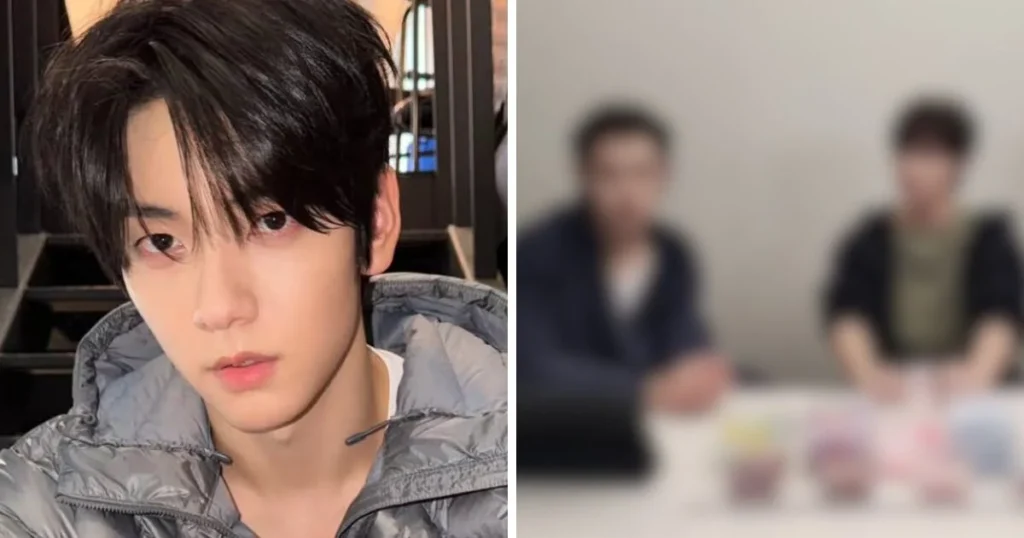

The landscape of modern digital celebrity is increasingly fraught with sophisticated technological perils, none more damaging than the proliferation of unauthorized artificial intelligence manipulations. In late October 2026, Tomorrow X Together (TXT)—one of the prominent global pillars of fourth-generation K-pop—found themselves directly embroiled in this digital crossfire. Members Yeonjun, Taehyun, and Huening Kai delivered a series of nuanced and carefully measured remarks during a live broadcast on the fan interaction platform Weverse. While ostensibly discussing upcoming promotional content and unit configurations, the subtext of their conversation was widely interpreted by their global fandom, known as MOA, as a veiled reference to the severe malicious rumors and alleged deepfake imagery targeting their leader, Soobin. This unfolding controversy highlights the dangerous intersection of advanced synthetic media generation, cross-border social media dissemination, and the stringent protective measures required by major entertainment management agencies in the digital age.
The Genesis of the Digital Controversy

The chain of events leading to the members’ recent public remarks began on Chinese social media platforms, predominantly Weibo, where a coordinated wave of malicious speculation emerged. Anonymous accounts began propagating unverified claims alleging that Soobin, born Choi Su-bin, had engaged in a private romantic relationship with an unidentified male, reportedly utilizing a specialized dating application to facilitate the alleged liaison. To substantiate these fabricated claims, the perpetrators circulated a series of digital assets, including sexually explicit photographs and video screengrabs, claiming to depict the K-pop idol.
Within hours of the initial posts, the material crossed linguistic and geographic boundaries, rapidly spreading across global platforms such as X (formerly Twitter). However, the fandom mobilized swiftly, conducting forensic digital analyses of the circulated imagery. Supporters pointed out glaring inconsistencies in lighting, anatomical proportions, and digital artifacting characteristic of generative adversarial networks (GANs) and modern deepfake technologies. The prevailing consensus among international fan communities was that the material constituted an intentional, highly malicious smear campaign designed to assassinate the idol’s character and disrupt TXT’s ongoing promotional cycle.
Despite overwhelming evidence pointing toward digital fabrication, the situation escalated when a social media influencer associated with the initial leak doubled down on the claims. The individual asserted that the distributed screenshots were merely static frames extracted from a larger video file, deliberately implying a pattern of behavior rather than an isolated incident. This escalation intensified the emotional distress of the fandom, prompting widespread demands for immediate, decisive legal intervention from TXT’s agency, BIGHIT MUSIC, a subsidiary of HYBE.

Chronology of Events and the Weverse Broadcast
The timeline of the crisis reflects a swift escalation from fringe online rumors to a mainstream crisis management scenario for one of South Korea’s premier music labels:
- Mid-October 2026: Malicious rumors and alleged explicit deepfake imagery targeting TXT member Soobin begin circulating on Chinese social media platforms, specifically Weibo.
- October 20-21, 2026: The rumors gain traction on global networks like X, prompting swift pushback from MOA, who highlight structural anomalies in the media indicating AI manipulation.
- October 22, 2026: BIGHIT MUSIC issues an official, strongly worded statement condemning the dissemination of false information and pledging uncompromising legal action.
- October 25, 2026: TXT members Yeonjun, Taehyun, and Huening Kai host a live-streamed broadcast on Weverse, during which they deliver cryptic advice regarding internet literacy and digital skepticism.
During the October 25 Weverse live stream, the atmosphere shifted perceptibly when the discussion turned toward the consumption of media and information in the digital age. Huening Kai addressed the viewing audience with a deliberate and measured cadence, stating, "MOA, you shouldn’t put too much trust in just what’s right in front of you." Following a noticeable conversational pause, the other members reinforced the sentiment. Yeonjun added contextual weight by noting that external appearances can be profoundly deceptive, while Taehyun delivered a more explicit warning regarding online consumption, advising fans not to place undue trust in narratives circulating across the internet.

While the members framed these statements within the broader context of discussing upcoming unit songs and teasing future releases, the fandom immediately recognized the deeper implications. Given the strict operational guidelines enforced by K-pop management agencies—which frequently prohibit artists from directly addressing sensitive legal or defamatory controversies without prior clearance—fans interpreted the broadcast as a calculated, indirect show of solidarity with Soobin. Social media platforms were swiftly flooded with commentary from supporters analyzing the video clips, noting the deliberate pauses and pointed phrasing utilized by the members to offer reassurance without violating corporate communication protocols.
Official Response and Legal Implications
Recognizing the severe reputational damage and psychological toll associated with deepfake exploitation, BIGHIT MUSIC abandoned its usual policy of silence regarding minor gossip, issuing a stern and unambiguous legal warning on October 22. The agency categorized the circulating materials as defamatory falsehoods and malicious fabrications specifically engineered to target the artist.

In its official announcement, the label stated that it had initiated comprehensive monitoring procedures to gather evidence across domestic and international platforms. Furthermore, BIGHIT MUSIC emphasized a zero-tolerance policy, declaring that perpetrators would face rigorous prosecution through judicial channels with absolute refusal to negotiate settlements or grant leniency. This aggressive stance reflects a growing recognition within the South Korean entertainment industry that passive reputation management is wholly inadequate against the rapid, cross-border scale of AI-driven harassment.
Broader Impact on the K-pop Industry and Digital Security
The incident involving Soobin is not an isolated occurrence but rather part of an increasingly alarming trend affecting high-profile public figures globally, and the South Korean entertainment sector in particular. The democratization of high-fidelity generative AI tools has lowered the technical barrier for malicious actors seeking to produce convincing synthetic pornography and defamatory media. Idols, whose livelihoods depend heavily on public perception, brand endorsements, and parasocial fan relationships, are uniquely vulnerable to these targeted digital assaults.

Legal experts and digital rights advocates have repeatedly pointed out the systemic lag between the rapid evolution of synthetic media technologies and the enforcement capabilities of existing penal codes. While South Korea enacted stricter legislation targeting sexually explicit deepfakes—imposing heavy prison sentences for the distribution of non-consensual synthetic pornography—enforcement remains complex when perpetrators operate across international jurisdictions or utilize decentralized, encrypted communication channels.
The episode underscores a critical transitional phase for agencies like HYBE and BIGHIT MUSIC. Beyond traditional crisis PR, entertainment conglomerates are increasingly forced to invest in advanced digital forensics, cross-border legal partnerships, and proactive monitoring algorithms to intercept defamatory content before it achieves viral velocity. For TXT and their fandom, the controversy serves as a stark reminder of the digital vulnerabilities inherent in contemporary celebrity, while simultaneously solidifying the solidarity between the artists and their supporters in navigating an increasingly complex and deceptive media landscape.