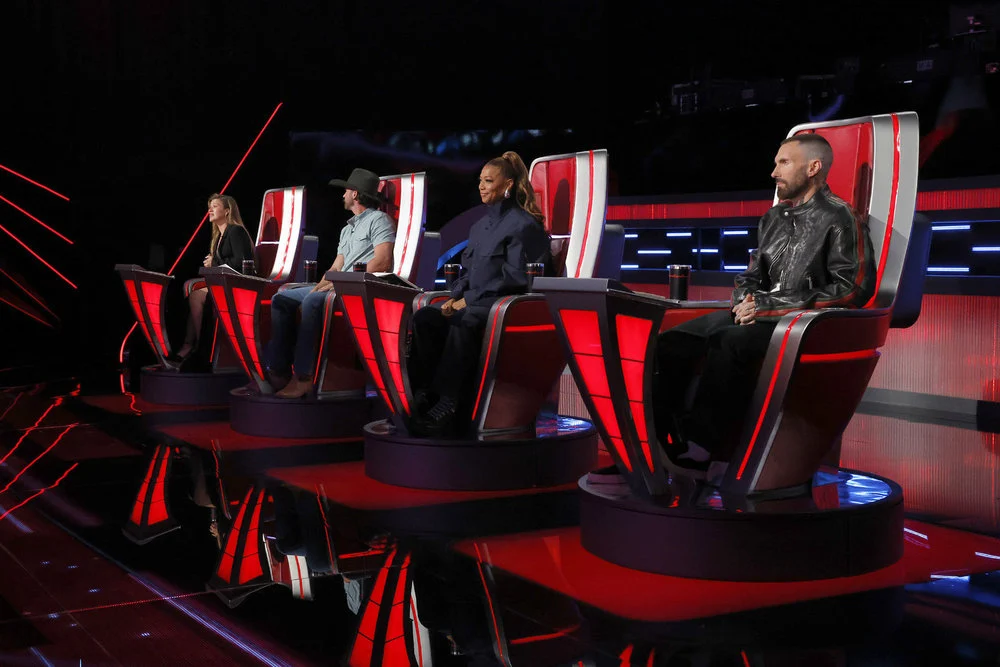

The Monday, November 2, broadcast of NBC’s The Voice marked a significant turning point in the show’s thirty-season history, introducing the inaugural Cut Week. This unprecedented format change served as the most aggressive elimination phase the long-running reality singing competition has ever implemented. With 28 artists remaining at the start of the episode, the stakes were set at an all-time high, as more than half of the contestants were forced to exit the stage, thinning the herd ahead of the highly anticipated Live Shows.
The procedural shift required coaches Kelly Clarkson, Adam Levine, Riley Green, and Queen Latifah to refine their rosters under immense pressure. Each coach was granted the authority to select two artists from their teams of seven to automatically advance. The remaining five contestants from each group were then forced to compete for a single, final spot, leaving the fate of many talented performers in the hands of their mentors during a high-stakes performance showcase.
The Mechanics of Cut Week
The structural overhaul of the competition is designed to accelerate the narrative pace as the program transitions from pre-recorded segments to live broadcasts. By forcing the coaches to make immediate, definitive decisions, the production team has effectively increased the psychological tension inherent in the competition.
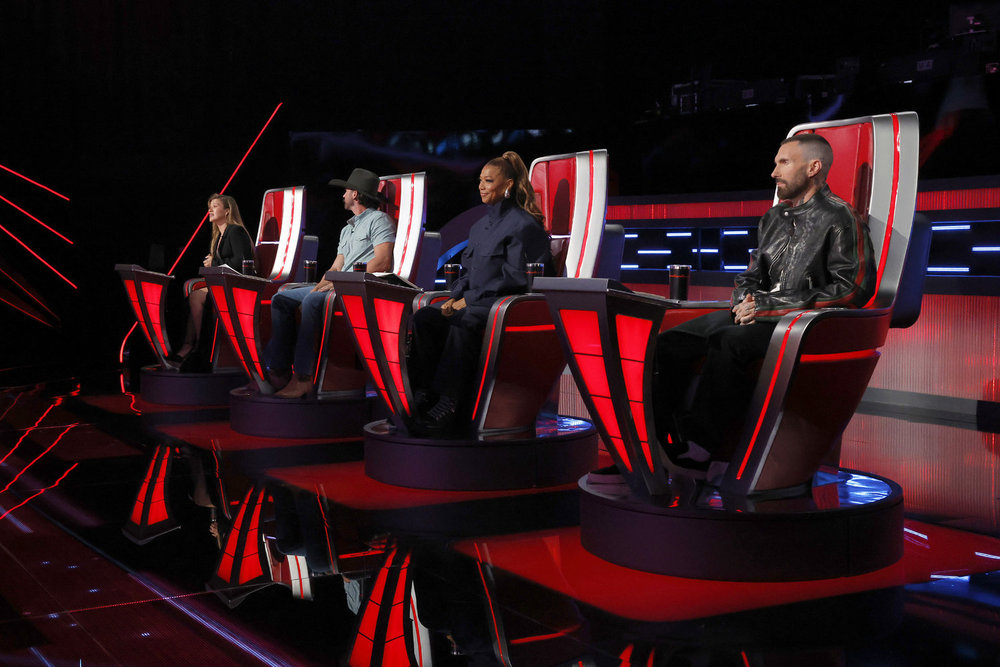
In addition to the three guaranteed spots per team, the show has implemented a public-voting component to determine the final member of the Top 13. The 16 artists who were not selected by their coaches during this round remain in contention for a wildcard slot, determined by viewer votes cast between the conclusion of the November 2 episode and the subsequent broadcast on November 9. This hybrid approach—balancing coach expertise with fan engagement—underscores the show’s strategy to maintain audience investment during the transition to live television.
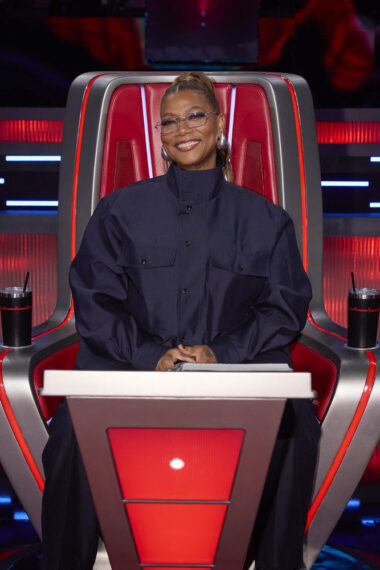
Team Queen Latifah: A Focus on Versatility
Queen Latifah’s approach to the elimination centered on identifying artists who displayed both technical proficiency and potential for long-term growth. Her first selection, Mia Knight, has been a standout since the Blind Auditions, with Latifah noting that the 16-year-old possesses a maturity that defies her age. BigCountry, Latifah’s second pick, was chosen for his artistic depth and his refusal to adhere to a single genre, traits the coach believes will allow him to evolve as the competition progresses.
The remaining team members, including Bryan Jaymes, Destinee Monroe, Alt Bloom, Lillie Kolich, and Chari, participated in a series of intense performances. Destinee Monroe, a former member of Team Adam, received high praise from her former coach, Adam Levine, who noted the necessity for more female rock vocalists in the competition. However, it was Lillie Kolich who ultimately secured the final spot on Team Queen, with Latifah praising her unique phrasing and distinctive vocal tone.
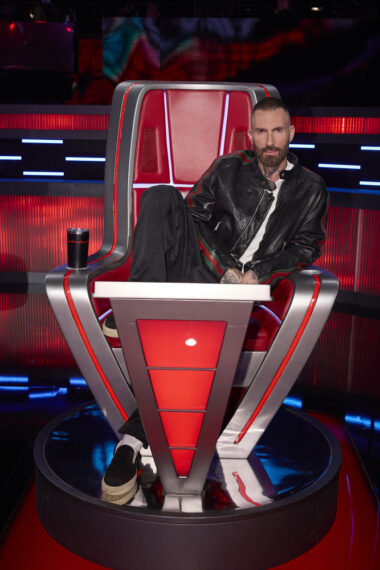
Team Adam Levine: Prioritizing Competitive Grit
Adam Levine’s strategy for the Cut Week proceedings emphasized "fight" and vocal range. He chose Lexi Stephens and Connor Closs as his automatic qualifiers, citing Stephens’s potential to win the entire competition and Closs’s versatility as a performer.
The remaining candidates—Evan James, Dakota Cohen, Owen Uffens, Amanda Mikkel, and Brandon Diaz—faced a rigorous evaluation. Levine, known for his analytical approach to vocal technique, was particularly impressed by Dakota Cohen’s performance of Fuel’s "Hemorrhage (In My Hands)." Levine ultimately selected Cohen to fill his third spot, arguing that her commitment to the rock genre and her stage presence made her an essential asset for the team’s success in the live rounds.
Team Riley Green: Honoring Traditional Roots
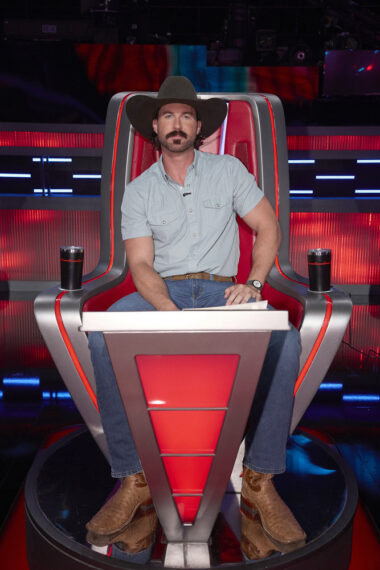
Country music artist Riley Green prioritized authenticity and vocal character in his selections. He moved Cade Mower and the duo Ferryn & Brinkley directly to the next stage, identifying them as performers who align closely with his own musical sensibilities.
The performances of Allie Rae, Everett Bounds, Keiyana Osmond, Kayleigh Mathews, and Joe Henley provided a diverse look at contemporary country music. Joe Henley, who delivered a powerful rendition of Keith Whitley’s "Don’t Close Your Eyes," earned a standing ovation from all four coaches. Green’s decision to move Henley forward was driven by the contestant’s natural tone and ability to honor the traditional roots of the genre, a move that Green believes will resonate deeply with the show’s demographic.
Team Kelly Clarkson: Identifying Future Superstars
Kelly Clarkson utilized her deep understanding of vocal mechanics to navigate the cuts. She chose Koumba Diallo and Anna McElroy to move forward, citing their pitch accuracy and ability to execute songs without wavering.
The competition for the third spot was arguably the most intense of the evening, featuring performances from Marcus Ladden Jr., Brooklyn Marie, Brianna Cameron, Nina Howland, and Kyle Davis. Clarkson was particularly moved by the performance of 13-year-old Brianna Cameron, whose rendition of Natalie Cole’s "Inseparable" drew comparisons to a young Whitney Houston. Clarkson’s choice of Cameron was rooted in the contestant’s ability to reveal new layers of vocal ability, a trait that the coach deemed worthy of progression to the live stage.
Statistical Context and Future Implications
The reduction of the field from 28 to 12 (with one pending wildcard) represents a 57% reduction in the talent pool within a single episode. This rapid thinning of the ranks serves as a catalyst for the Live Shows, where the standard of performance is expected to escalate significantly.
The current team rosters heading into the November 9 episode are as follows:
- Team Queen Latifah: Mia Knight, BigCountry, Lillie Kolich
- Team Adam Levine: Lexi Stephens, Connor Closs, Dakota Cohen
- Team Riley Green: Ferryn & Brinkley, Cade Mower, Joe Henley
- Team Kelly Clarkson: Koumba Diallo, Anna McElroy, Brianna Cameron
The implications of this transition are twofold. First, the move to live performances removes the safety net of multiple takes and extensive post-production editing, exposing the artists to the unfiltered critique of both the coaches and the national audience. Second, the reliance on the viewer-vote wildcard for the final spot in the Top 13 shifts the power dynamic from the coaches to the public, forcing the remaining contestants to focus on audience connection and marketability.
Looking Ahead to the Live Shows
As The Voice moves into the first of its six planned Live Shows, the pressure on the remaining artists will continue to mount. The introduction of Cut Week has served its primary purpose: to eliminate the ambiguity of the earlier rounds and establish a clear hierarchy of talent. By narrowing the field to those who have demonstrated consistent performance quality and distinct artistic identities, the producers have set the stage for a highly competitive conclusion to the season.
The upcoming November 9 broadcast will serve as a definitive litmus test for the contestants, as the wildcard winner joins the ranks. The industry impact of these performances will be closely monitored, as The Voice continues to function as a significant platform for emerging artists to secure recording contracts and build national followings. As the season progresses, the balance between technical vocal prowess and the "X-factor" that audiences demand will ultimately determine which artist earns the title. The intensity witnessed during this week’s episodes is a harbinger of the high-stakes environment that will define the remainder of Season 30.