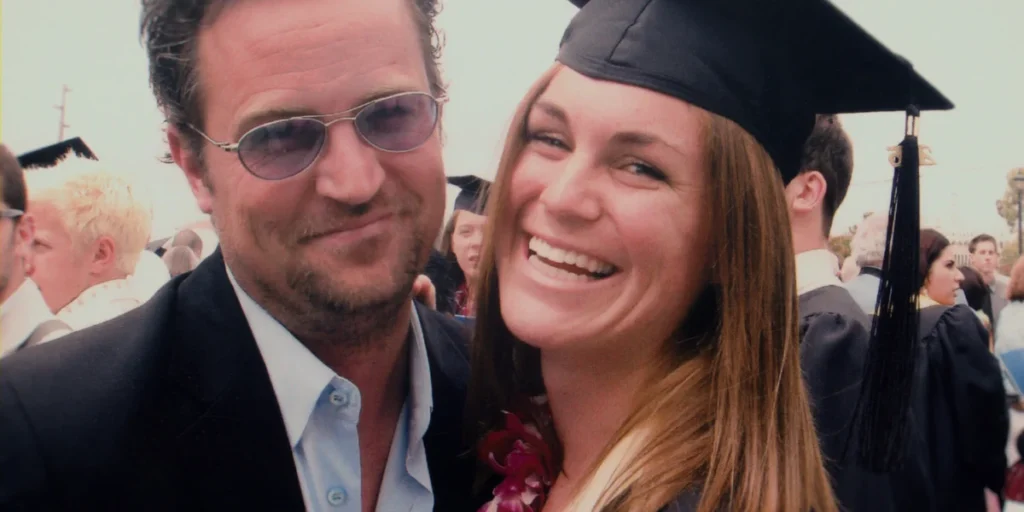

Netflix’s new three-part documentary series, The One About Matthew Perry, directed by Mary Robertson—best known for her work on Quiet on Set: The Dark Side of Kids TV—arrives on the streaming platform on Tuesday, October 27. Rather than serving as a standard, star-studded Hollywood tribute or a salacious tabloid breakdown of the beloved actor’s tragic final days and the subsequent federal investigations into his passing, the docuseries takes a distinctly intimate and sobering approach. Through interviews with family members, lesser-known colleagues, and figures from the recovery community, the project examines the intersection of intense global celebrity and lifelong substance use disorder, though it struggles at times with bloated pacing and conventional biographical recapping.
Main Facts and Structural Overview
At its core, The One About Matthew Perry is an earnest, non-exploitative examination of the human toll of addiction when viewed from slightly outside the blinding glare of the A-list celebrity bubble. The series deliberately avoids relying on high-profile talking heads. Noticeably absent from the project are any of Perry’s primary Friends co-stars—such as Jennifer Aniston, Courteney Cox, Lisa Kudrow, Matt LeBlanc, or David Schwimmer—as well as major creative forces behind the historic NBC sitcom. Instead, the production centers its narrative on individuals who knew Perry away from the cameras or supported him through his decades-long public and private battles.
The project spans three hours, a runtime that critics have argued stretches a compelling feature-length concept into an over-extended docuseries. While it includes standard archival clips, talk-show footage, and biographical beats outlining Perry’s meteoric rise to fame, these familiar elements often feel perfunctory. The true narrative weight of the series rests on the shoulders of those intimately affected by Perry’s struggles, offering a poignant look at the limits of caregiving, love, and intervention in the face of severe addiction.
Chronology and Background Context
Matthew Perry’s journey to superstardom is a well-documented chapter of television history. Born in Williamstown, Massachusetts, and raised primarily in Ottawa, Canada, Perry moved to Los Angeles as a teenager to pursue acting. After landing several minor television roles in the late 1980s and early 1990s, his career reached stratospheric heights in 1994 when he was cast as Chandler Bing on NBC’s Friends. The sitcom became a defining cultural touchstone of the late 20th century, running for 10 seasons and making its core cast international icons.
However, behind the comedic genius and the multi-million-dollar syndication checks lay a harrowing private battle with alcohol and prescription drug addiction. Perry famously detailed these struggles in his 2022 bestselling memoir, Friends, Lovers, and the Big Terrible Thing, where he revealed that he had spent millions of dollars on treatment attempts and experienced severe health crises related to his substance use.
On October 28, 2023, Perry was found dead at his Los Angeles home at the age of 54. The initial coroner’s report later determined his cause of death to be the acute effects of ketamine, leading to multi-jurisdictional criminal investigations into the individuals who supplied the substance. While competing streaming platforms quickly rushed out sensationalized true-crime specials capitalizing on the immediate aftermath of his death, The One About Matthew Perry steers clear of that narrative territory, opting instead for a sociological and deeply personal character study.
Supporting Data and Perspectives from Relatives and Associates
Because Mary Robertson bypassed the expected roster of Hollywood A-listers, the documentary derives its emotional resonance from figures whose voices have rarely, if ever, been featured in mainstream retrospectives of Perry’s life.
Foremost among them is Mia Perry Bowick, Matthew’s younger sister, who was born when the actor was 14 years old. Growing up alongside a sibling who was rapidly ascending to global fame shaped her perspective in profound ways. Her decision to pursue a career as a psychotherapist was directly inspired by watching her brother’s decades-long battle with addiction. In the documentary, Bowick shares heartbreaking recollections—such as discovering her brother’s first stint in rehabilitation through a tabloid headline and recounting the harrowing events of the day he passed away. These candid reflections provide a grounding human element that elevates the project above standard celebrity retrospectives.
The series also highlights early-era companions such as Roger Castillo and David Pressman, friends from Perry’s pre-fame days struggling as young actors in Hollywood, frequenting venues like the Formosa Cafe. Furthermore, the documentary features former romantic partners such as Renée Ashton, offering intimate glimpses into Perry’s private life without the protective media training typical of mega-celebrities.
Crucially, the latter half of the series shifts focus to figures from Perry’s life in recovery. Individuals like Tim Harrington—who met Perry in treatment and subsequently lived at his home for a year—and West Huddleston, who collaborated with the actor on drug court advocacy campaigns, underscore Perry’s dedication to helping others fighting the same disease. Through these accounts, the documentary illustrates how Perry utilized his platform in his later years to champion criminal justice reform and addiction recovery initiatives.
Broader Impact and Critical Implications
The One About Matthew Perry arrives at a time of intense cultural reflection regarding how the entertainment industry handles mental health, addiction, and public scrutiny. In recent years, documentaries focusing on deceased or exploited child stars and television icons—such as Quiet on Set—have sparked vital industry-wide conversations about the duty of care networks and studios owe to their talent.
While the series succeeds in humanizing the collateral damage of addiction, media analysts and television critics have pointed out structural flaws in its execution. Reviewers have noted that the inclusion of standard archival clips, generic cultural commentary, and talking-head industry figures—such as former NBC entertainment president Warren Littlefield—adds little new information to the public record, much of it having already been covered in Perry’s own memoir and previous retrospectives.
Had the production been edited down to a taut, 100-minute feature film focused exclusively on the perspectives of his family, close friends, and recovery advocates, media critics suggest it would have emerged as a sharper, more resonant piece of non-fiction filmmaking. Nevertheless, the series achieves its primary emotional goal: forcing viewers to confront the stark reality that immense wealth, global adoration, and professional triumph are often entirely powerless against the deeply entrenched mechanisms of chemical dependency.
As streaming platforms continue to navigate the delicate line between honoring late cultural figures and satisfying audience demand for biographical content, The One About Matthew Perry serves as a complex case study. It demonstrates both the limitations of traditional celebrity documentary formats and the profound emotional power found when storytelling shifts its focus away from the myth of stardom and toward the shared human vulnerability underneath.