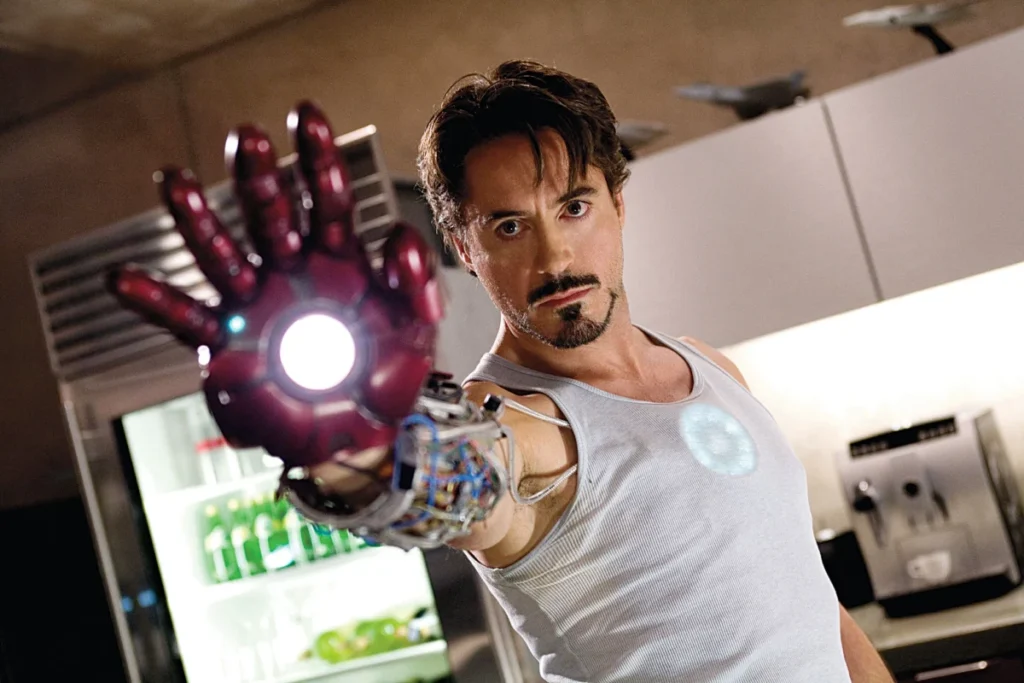

The cinematic landscape underwent a seismic shift in 2008, marking the genesis of the Marvel Cinematic Universe (MCU), a sprawling interconnected storytelling experiment that would redefine modern blockbuster production. As anticipation builds for the upcoming Phase Six installment, Avengers: Doomsday, a rigorous examination of the franchise’s origins reveals the strategic architecture that transformed a comic book imprint into a global cultural phenomenon. The "Infinity Saga," which spanned the first three phases of the MCU, began with a calculated risk that relied on the foundational strength of six pivotal films released between 2008 and 2012.
The Genesis of a Cinematic Universe
In the mid-2000s, Marvel Studios, then an independent production house, embarked on an ambitious strategy to bring its core library of characters to the big screen. The objective was unprecedented: rather than producing disparate sequels, the studio sought to weave individual character arcs into a singular, cohesive narrative tapestry. This required meticulous planning, beginning with Iron Man, which premiered on May 2, 2008.
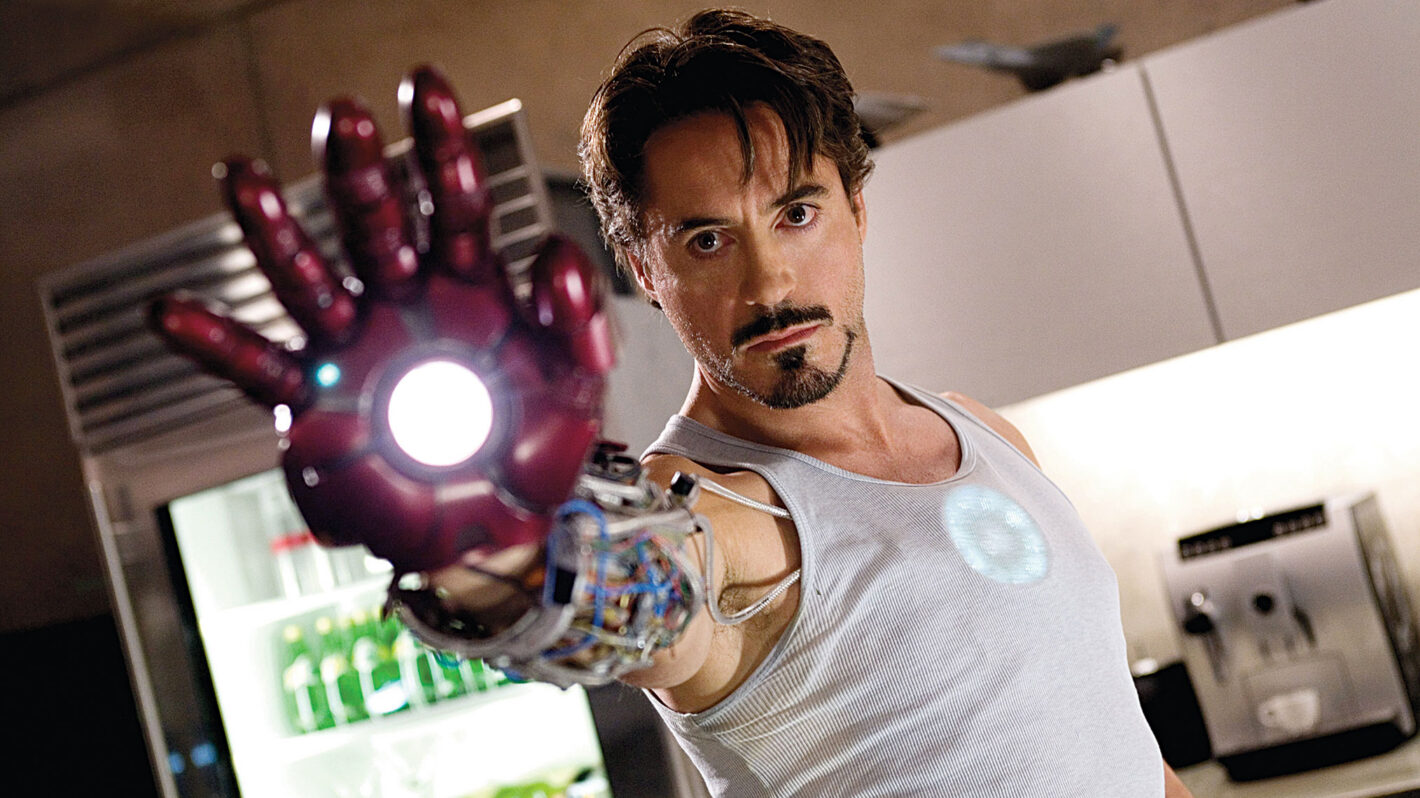
Directed by Jon Favreau, Iron Man was the lynchpin of this new era. The film introduced Robert Downey Jr. as Tony Stark, a casting choice that would become the heartbeat of the franchise for the next decade. By grounding the fantastical elements of an armored superhero in the stark realities of the military-industrial complex and Middle Eastern conflict, the film provided a blueprint for Marvel’s grounded-yet-mythic tone. The financial success of Iron Man, which grossed over $585 million worldwide against a $140 million budget, served as the definitive proof-of-concept for the studio’s long-term business model.
Chronological Development of Phase One
The timeline of Phase One was designed to introduce the individual members of what would eventually become the Avengers. Following the success of Iron Man, the studio expanded its scope:
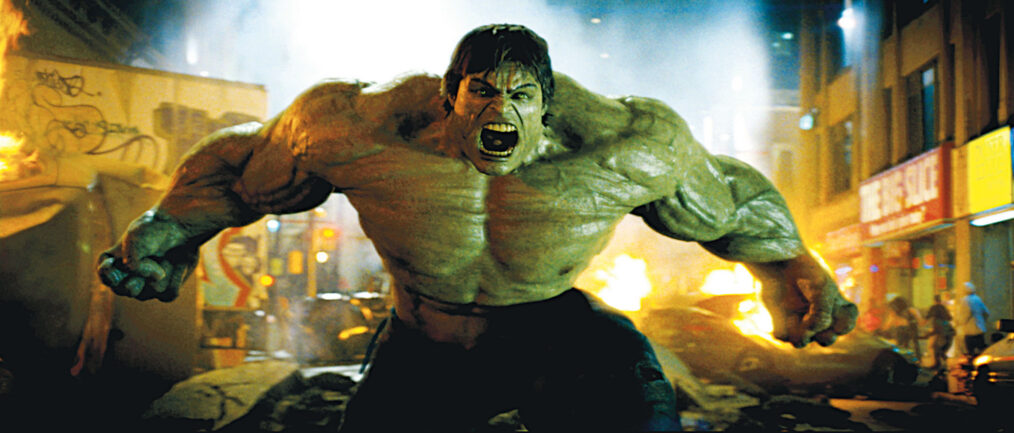
- The Incredible Hulk (June 2008): Directed by Louis Leterrier, this installment sought to establish the presence of gamma-irradiated threats. While Edward Norton initially portrayed Bruce Banner, the character’s subsequent recasting with Mark Ruffalo in 2012 highlights the fluid nature of the early MCU’s creative evolution.
- Iron Man 2 (May 2010): This sequel served as a narrative bridge, introducing S.H.I.E.L.D. operative Natasha Romanoff (Scarlett Johansson) and formalizing the transition of Don Cheadle into the role of James Rhodes. It focused on the global proliferation of Stark’s technology, raising the stakes for governmental intervention.
- Thor (May 2011): Director Kenneth Branagh brought a Shakespearean gravitas to the franchise, successfully integrating high-fantasy elements into a universe that had previously been defined by terrestrial science. This film introduced the concept of the "Cosmic" side of the MCU, featuring the debut of Tom Hiddleston as the antagonist Loki.
- Captain America: The First Avenger (July 2011): Set during the Second World War, this film established the historical roots of the MCU. By introducing Steve Rogers (Chris Evans) and the Tesseract, the film bridged the gap between historical conflict and modern-day threats.
- The Avengers (May 2012): The culmination of the previous four years, Joss Whedon’s The Avengers was the first major test of the interconnected model. By uniting the disparate leads in a battle for New York City, the film established a new paradigm for "event cinema," grossing $1.5 billion and solidifying the MCU’s dominance in the box office.
Strategic Implications and Industry Impact
The success of Phase One had profound implications for the film industry. Marvel Studios utilized post-credits scenes—a hallmark of the franchise—to incentivize audience loyalty and provide subtle, iterative world-building. This technique transformed the theatrical experience into a long-form serialized event, where each film acted as a chapter in a larger, multi-volume epic.
Furthermore, the integration of S.H.I.E.L.D. as a recurring administrative agency provided a narrative glue that connected the individual heroes. Analysts have noted that this "shared universe" model allowed Marvel to mitigate the risks associated with individual character films; if one installment underperformed, the overarching narrative thread ensured that the brand remained relevant.
Comparative Data and Performance Metrics
The financial trajectory of the MCU during Phase One demonstrated a steady upward trend in market share and brand equity. While The Incredible Hulk faced lukewarm reception, both critically and commercially, the rapid iteration of the Iron Man series and the introduction of Thor and Captain America proved that the "Marvel Method"—a focus on character-driven narratives punctuated by high-stakes spectacle—was highly scalable.
The studio’s ability to pivot from the grounded technological thriller of Iron Man to the mythological space-opera of Thor allowed them to capture a broader demographic. By 2012, the franchise had secured its position as the premier intellectual property in global entertainment, with the total Phase One budget of approximately $700–800 million generating a multi-billion dollar return on investment.
Reflections on the Legacy of the Infinity Saga
The legacy of these foundational films lies in their consistency of tone and character development. The creative team, led by Kevin Feige, maintained a focus on the human vulnerabilities of these god-like entities. Tony Stark’s health crisis in Iron Man 2, Bruce Banner’s struggle for internal control, and Steve Rogers’s displacement in time provided the emotional stakes necessary for the audience to invest in the spectacle.
As the franchise moves toward Avengers: Doomsday and the conclusion of the Multiverse Saga, the events of Phase One serve as a necessary reference point. The narrative arcs established in 2008—specifically the relationship between the Avengers, the threat of cosmic-level entities, and the inherent danger of advanced technology—remain central to the current overarching plot.
Expert Analysis and Industry Response
Industry historians and film critics often cite the 2008–2012 period as the most critical years for the studio. During these years, Marvel navigated the transition from a licensed entity to a powerhouse under the acquisition of The Walt Disney Company. This transition provided the capital and distribution network required to scale the MCU to its current proportions.
Reflecting on this era, creative leads have frequently noted that the primary challenge was not the action, but the continuity. Maintaining a coherent internal logic across multiple directors and writers required a level of oversight previously unseen in the industry. The establishment of "The Marvel Creative Committee" during this era was instrumental in ensuring that disparate films felt like part of a single, unified vision.
Looking Toward the Future
The upcoming release of Avengers: Doomsday marks a significant pivot in the franchise’s history. As the studio prepares to revisit the scale and scope of earlier team-up films, the influence of Phase One remains unmistakable. The character beats established in the original Avengers film—specifically the banter, the internal friction among team members, and the reliance on individual strengths to solve impossible problems—continue to inform the character development of newer heroes entering the fray.
In summary, the Infinity Saga was not merely a series of origin stories; it was a masterclass in long-term narrative planning. By prioritizing character depth alongside technological innovation, Marvel Studios successfully translated the serialized nature of comic books into a medium that demanded patience and dedication from its audience. The foundation laid by the 2008–2012 slate of films remains the bedrock upon which the modern cinematic landscape is built, serving as a reminder that even the most ambitious projects must begin with the core essentials: a strong story, compelling characters, and a clear vision for the future. As audiences prepare for the next chapter, the lessons learned during the construction of Phase One continue to guide the evolution of the Marvel Cinematic Universe.