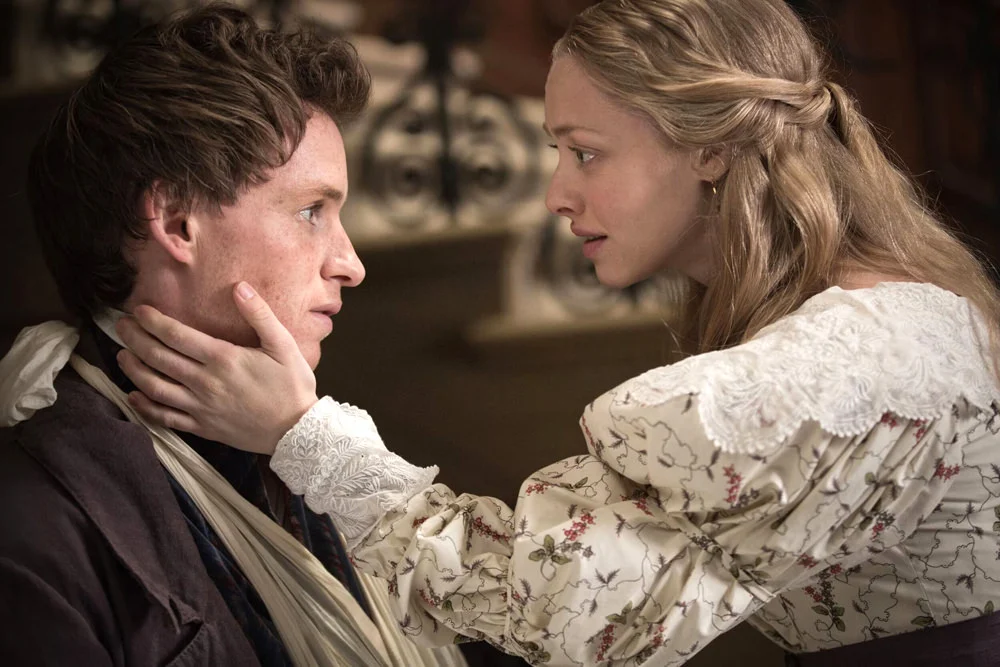

The 2012 cinematic adaptation of Les Misérables, directed by Academy Award-winning filmmaker Tom Hooper, remains one of the most polarizing musical adaptations of the 21st century. Released by Universal Pictures, the film boasted an illustrious ensemble cast featuring Hugh Jackman as Jean Valjean, Russell Crowe as Inspector Javert, Anne Hathaway as Fantine, Amanda Seyfried as Cosette, and Eddie Redmayne as Marius. While the production achieved substantial commercial success and garnered critical acclaim upon its initial theatrical run—culminating in eight Academy Award nominations and three wins, including a Best Supporting Actress trophy for Hathaway—revisiting the film reveals deep-seated divisions regarding its artistic execution.
Main Facts and Production Overview
Adapted from the legendary stage musical by Alain Boublil, Claude-Michel Schönberg, and Herbert Kretzmer, which itself derives from Victor Hugo’s monumental 1862 novel, Hooper’s film attempted to reinvent the movie musical genre. The production’s primary distinguishing feature—and the focal point of ongoing debate among critics, musicians, and film historians—was the director’s decision to capture the actors’ vocals live on set rather than relying on the industry standard of pre-recorded studio tracks.

This ambitious choice aimed to prioritize raw dramatic authenticity over pristine musical perfection. However, it fundamentally altered the texture of the performances. The ensemble was forced to sing while physically exerting themselves in elaborate, large-scale sequences, ranging from chest-deep water during the opening penal colony number to the gritty, chaotic environments of 19th-century Paris.
Chronology and Development of the Adaptation
The journey of bringing Les Misérables to the silver screen was a decades-long endeavor. Following the unprecedented global triumph of the stage musical after its 1980 Parisian debut and subsequent 1985 London opening, various Hollywood studios attempted to adapt the property for film. For years, projects stalled in development hell due to the sheer scale of the narrative and the complexities of translating a nearly entirely sung-through stage production into a cinematic medium.
By 2011, Universal Pictures secured the rights and enlisted Tom Hooper, fresh off his Best Director Oscar win for The King’s Speech (2010). Principal photography took place between March and June 2012 across various locations in England and France. The marketing campaign heavily emphasized the live-singing gimmick, positioning the project as a groundbreaking immersive experience that would bridge the gap between traditional cinema and live theatrical performance. Upon its release in December 2012, the film grossed over $441 million worldwide against a production budget estimated at $61 million, proving its immense commercial viability despite polarizing critical reactions.

Supporting Data and Vocal Performance Analysis
An analytical breakdown of the film highlights a stark dichotomy between performers with extensive musical theater backgrounds and those primarily recognized for dramatic screen acting.
The production’s strongest vocal moments frequently emerged from actors accustomed to stage performance. Samantha Barks, who reprised her acclaimed West End role as Éponine, delivered vocal performances defined by stability and emotional resonance. Similarly, Aaron Tveit brought a polished, theatrical authority to the role of Enjolras. Amanda Seyfried, utilizing her classical training, navigated the soaring operatic demands of Cosette with technical precision, anchoring the melodic highlights alongside Eddie Redmayne, whose vocal intensity surprised many skeptics.
Conversely, the performances of the primary leads—Jackman, Hathaway, and Crowe—faced intense scrutiny from music professionals. Hathaway’s rendition of “I Dreamed a Dream” became a viral cultural touchstone and secured her an Academy Award, yet music critics noted that her technique was compromised by hyper-ventilated sobs and deliberate vocal cracking designed to simulate psychological devastation. While undeniably powerful on an emotional level, these choices pushed the material away from musical harmony and into aggressive melodrama. Russell Crowe’s portrayal of Javert drew widespread critique for his restrained, baritone whisper-singing, which lacked the operatic bombastic weight traditionally demanded by the score.

Methodological Debate: Live Vocals Versus Studio Tracks
The core controversy surrounding Hooper’s direction rests on the technical execution of the score. In standard cinematic musicals, actors record their vocals in controlled studio environments months prior to filming, allowing them to focus entirely on pitch, tone, and breath control. On set, they lip-sync to these tracks while executing choreography or dramatic action.
Hooper discarded this methodology to eliminate the artificiality of lip-syncing. An on-set pianist, communicating via earpiece, accompanied the actors in real-time, allowing them to dictate the tempo of the music based on their immediate physical and emotional state.
Proponents of this approach argue that it captured a level of vulnerability and immediate dramatic truth rarely seen in studio-bound musicals. Critics, however, contend that the method handicapped the score. By forcing actors to prioritize crying, gasping, and physical straining while holding complex musical notes, the production sacrificed vocal clarity. Furthermore, Hooper’s directorial style—characterized by aggressive, disorienting close-ups, rapid editing, and sweeping camera movements—exacerbated the sensory overload, leaving audiences little room to process the lyrical narrative.

Broader Impact and Implications for the Movie Musical
The legacy of the 2012 Les Misérables adaptation extends far beyond its box-office tallies and awards cabinet. It serves as a permanent case study in the tension between cinematic realism and theatrical convention.
The film demonstrated that mainstream audiences possess an appetite for sweeping, dramatic historical musicals, paving the way for subsequent box-office behemoths like La La Land (2016) and The Greatest Showman (2017). However, it also served as a cautionary tale regarding the limitations of applying gritty, naturalistic film techniques to heightened, stylized art forms.
By stripping away the theatrical distance that allows audiences to appreciate the musical architecture of Boublil and Schönberg’s score, Hooper created an experience that felt relentlessly over-directed and emotionally exhausting. Ultimately, the 2012 film remains a fascinating paradox: a commercially triumphant cinematic spectacle that simultaneously alienated purists of the theatrical canon through its aggressive rejection of musical convention.