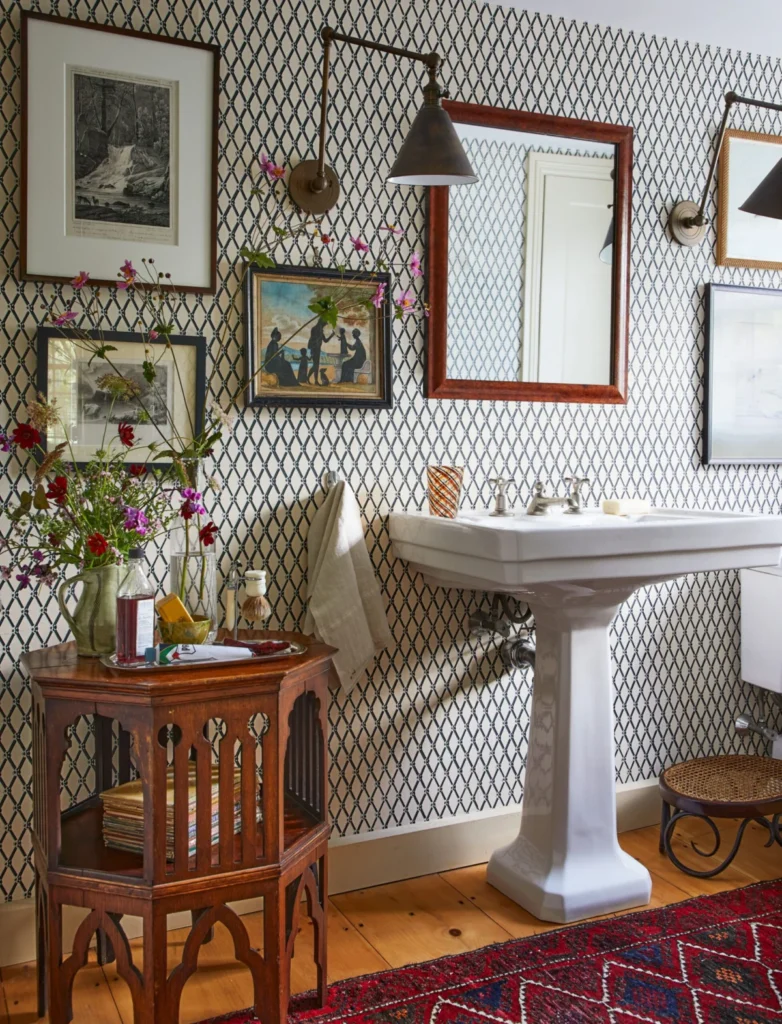

The modern residential bathroom has transitioned from a purely utilitarian room into a high-functioning personal sanctuary, creating a significant demand for organizational solutions that do not require invasive structural renovations. As property owners and renters alike seek to maximize square footage in both historic homes and contemporary urban apartments, the market for freestanding bathroom storage cabinets has expanded to offer a diverse range of styles, from midcentury-modern aesthetics to industrial-minimalist designs. Industry experts note that while a traditional vanity remains a staple, the increasing volume of personal care products and the desire for spa-like atmospheres have made secondary storage units essential for maintaining a clutter-free environment.
The Shift Toward Freestanding Storage Solutions
In the current interior design landscape, there is a marked shift away from permanent built-in cabinetry in favor of freestanding, mobile, or wall-mounted units. This trend is driven largely by the rising cost of professional contracting services and a growing demographic of long-term renters who wish to personalize their spaces without violating lease agreements. By integrating freestanding wall cabinets—ranging from compact two-tier units to floor-to-ceiling towers—homeowners can address storage deficits in real-time.

The necessity for these pieces is particularly acute in older architecture. For instance, homes built during the 1930s often featured bathrooms with minimal surface area, frequently lacking even basic medicine cabinets. Modern storage solutions, such as wire baskets and linen towers, provide the necessary infrastructure to house items that were once relegated to overcrowded countertops or inconveniently located hallway closets.
Market Analysis and Consumer Trends
The global home organization and storage market has seen steady growth over the last decade, with the bathroom segment representing a significant portion of consumer spending. According to recent market research, the demand for bathroom furniture is expected to continue rising as consumers prioritize "wellness" at home. The integration of high-quality materials, such as FSC-certified woods and tempered fluted glass, reflects a consumer willingness to invest in pieces that offer both durability and high-end design.
Data suggests that consumers are increasingly looking for "multifunctional" pieces. A storage cabinet is no longer just a place to hide toiletries; it is frequently used as a display shelf for biophilic elements, such as trailing plants, or as a secondary surface for decorative trays and fragrances. This convergence of utility and decor is a hallmark of the current "maximalist" and "cottagecore" design movements, which emphasize the curated display of personal items.

Detailed Analysis of Leading Storage Designs
To understand the current state of the market, it is necessary to examine the specific design categories that are dominating the industry. These selections represent the intersection of historical influence, material innovation, and spatial efficiency.
Midcentury-Modern Revivals
The midcentury-modern aesthetic remains a dominant force in the furniture industry, characterized by tapered legs, clean lines, and warm wood tones. The West Elm Mid-Century Bathroom Pharmacy Cabinet serves as a primary example of this trend. Drawing inspiration from 1950s and 1960s silhouettes, these units often utilize "acorn" finishes and minimalist hardware. The inclusion of glass panels allows for the display of high-quality linens, while lower drawers provide concealed storage for less aesthetic essentials.
Spatial Efficiency for Urban Living
As urban living spaces shrink, brands like Yamazaki Home have pioneered the "slim-profile" movement. Their pull-out storage cabinets, often measuring less than six inches in width, are engineered to fit into the neglected "gap" between a toilet and a wall or a vanity and a shower. Despite their narrow footprint, these units utilize vertical space to store up to 12 rolls of toilet paper or cleaning supplies. This design philosophy emphasizes the "hidden" nature of storage, ensuring that utilitarian items do not disrupt the visual flow of a small room.

Customizable Luxury and Hardware Integration
For the high-end market, brands such as Rejuvenation focus on customization and the quality of finishes. The Wallace Bath Storage Cabinet highlights a trend where the customer can select from various hardware options—such as polished nickel or aged brass—to match existing bathroom fixtures. This level of detail allows for a cohesive look that mimics a custom-built renovation at a fraction of the cost and time.
The Rise of Industrial Maximalism
In contrast to the neutral tones of traditional bathroom furniture, companies like Mustard Made have introduced industrial-style metal lockers in vibrant colorways. These "Mixer" cabinets use fluted glass and bold colors like "Butter" yellow to cater to a younger, design-forward demographic. This move toward "splashy colorways" indicates a departure from the all-white bathroom trend that dominated the early 2000s, suggesting that consumers are becoming more adventurous with their interior palettes.
Material Science and Sustainability
Material choice plays a critical role in the longevity of bathroom furniture, given the high-humidity environment. The use of white oak and reclaimed pine has become increasingly popular due to their natural resistance and aesthetic warmth.
.jpeg)
- FSC-Certified White Oak: Featured in collections like Crate & Barrel’s Batten series, this material ensures that the wood is sourced from responsibly managed forests. The addition of marble tops provides a cold, non-porous surface that is ideal for bathroom environments.
- Fluted and Tempered Glass: This material has seen a resurgence because it offers a "semi-private" storage solution. It blurs the outlines of cluttered items while still allowing light to pass through, preventing the cabinet from feeling like a heavy, dark block in the corner of a room.
- Powder-Coated Steel: Used in budget-friendly and industrial designs, this finish protects against rust and corrosion, which are common issues in poorly ventilated en suites.
Chronology of Bathroom Evolution
To appreciate current storage solutions, one must look at the timeline of the domestic bathroom’s development:
- Early 20th Century: The bathroom was a luxury. Storage was non-existent; most items were kept in bedroom washstands.
- 1930s-1950s: The "standardized" bathroom emerged. Small, built-in medicine cabinets became common, but they were often the only dedicated storage space.
- 1970s-1990s: The rise of the "master suite" led to larger vanities. However, these were often deep "dark holes" where items were easily lost.
- 2010-Present: The "organizational revolution" took hold. Influenced by professional organizers and social media, consumers began seeking specialized, freestanding pieces that allow for granular categorization of products (skincare, haircare, linens).
Psychological Impact of Organized Spaces
The drive for better bathroom storage is not merely aesthetic; it is rooted in environmental psychology. Research indicates that "visual noise"—the clutter of multiple bottles, tubes, and towels—can increase cortisol levels, the body’s primary stress hormone. By providing a "place for everything," storage cabinets facilitate a more meditative morning and evening routine.
Designers often suggest that the bathroom should be the most organized room in the house because it is the first space a person enters upon waking and the last before sleeping. A well-placed linen cabinet or a minimalist storage tower can transform a chaotic morning scramble into a streamlined experience.
.jpeg)
Broader Implications for the Real Estate Market
The availability of high-quality, freestanding bathroom furniture has broader implications for the real estate and rental markets. In high-density cities like New York, London, and Tokyo, "storage capacity" is a primary metric for property value. However, when landlords fail to provide adequate built-ins, the burden falls on the tenant.
The portability of these units means that a "design investment" is no longer tied to a specific address. A high-end storage cabinet from Pottery Barn or Rejuvenation can move with the owner from a starter apartment to a forever home. This "mobile investment" strategy has changed how furniture brands market their products, focusing on durability and timeless style rather than trend-chasing.
Furthermore, the "affordable design" sector, led by IKEA, has democratized the ability to maintain an organized home. The MOSSJÖN series, for example, brings high-end features like fluted glass to a price point accessible to a wider audience. This democratization ensures that the benefits of an organized, stress-free environment are not reserved for those with large renovation budgets.
.jpeg)
Conclusion
As the definition of the home continues to evolve, the bathroom remains a focal point for innovation in organization. The transition from wire baskets under the sink to sophisticated, freestanding cabinetry represents a maturation of the interior design industry. Whether it is through the use of reclaimed wood to evoke a "cottagecore" aesthetic or the application of Japanese-inspired slim-line engineering for small apartments, the best bathroom storage cabinets are those that acknowledge the unique spatial and psychological needs of the modern inhabitant. By choosing pieces that reflect personal style—be it midcentury-modern, minimalist, or maximalist—homeowners can effectively "remodel" their lives without ever having to move a wall.