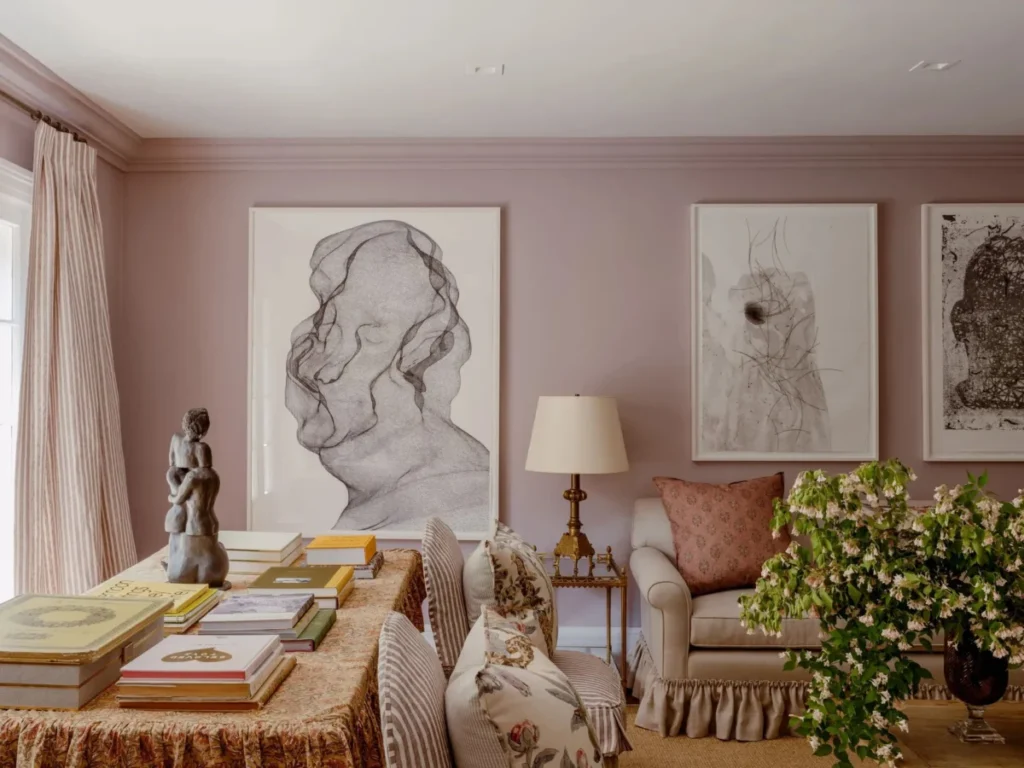

We have all, at some point, succumbed to the convenience of "lighting lethargy"—that familiar trap where a hastily purchased, mass-market table lamp occupies our bedside table for years, or a harsh, garish flush mount remains the sole light source in a living room. However, in the world of professional interior design, the choice of lighting is rarely an afterthought. A vintage lamp is more than just a functional object; it serves as a deliberate design statement, signaling that a homeowner has prioritized historical context and aesthetic intentionality over the convenience of a last-minute, impulse-driven retail purchase.
When a designer selects a vintage fixture, they are engaging in a dialogue with history. Whether the piece reflects the sleek geometry of Midcentury Modernism, the streamlined elegance of Art Deco, or the opulent drama of the Hollywood Regency era, it demonstrates a sophisticated understanding of interior styling. Such pieces show that the inhabitant has looked beyond the immediate utility of the object to consider the overall narrative of the space. In the current market, the acquisition of high-quality vintage lighting is viewed as a hallmark of design literacy, elevating a home from a generic showroom to a curated environment.
The Evolution of the Vintage Lighting Market
The market for vintage lighting has undergone a significant transformation over the last decade. Historically, sourcing these items required physical attendance at estate sales, dusty antique malls, or specialized auction houses. Today, the digital revolution has democratized access, allowing collectors and casual decorators alike to browse high-end archives from their smartphones.
According to industry reports from leading home decor marketplaces, the demand for vintage lighting has surged by approximately 35% since 2020. This growth is largely attributed to the "sustainability movement" in home design, as consumers increasingly favor the circular economy—repurposing high-quality craftsmanship from previous decades rather than purchasing new, mass-produced items that often lack the same longevity or material integrity.
Navigating the Leading Retailers
For those looking to begin or expand their collection, several key digital platforms have emerged as essential resources. Each offers a different value proposition, catering to various levels of expertise and budget.
1stDibs: The Gold Standard for Rarities
1stDibs remains the preeminent destination for collectors seeking museum-quality artifacts. It is the platform most frequently cited by interior designers and celebrity home stylists when sourcing iconic pieces. A Charlotte Perriand sconce, for instance, is more than a light fixture; it is a signal of a well-read home, suggesting that a monograph on Le Corbusier is likely sitting on a nearby coffee table. The catalog is vast, ranging from rare Italian designer pieces, such as the 1960s Gelato lamp by Carlo Nason, to sophisticated Bauhaus-style desk lamps. For the "design dork" or the serious collector, 1stDibs provides the provenance and historical significance that justifies its premium price points.
Etsy: The Hub for Keyword-Driven Discovery
Etsy has evolved from a craft marketplace into a powerful search engine for vintage decor. Unlike platforms that focus on high-ticket designer names, Etsy thrives on "vibe-based" searching. By utilizing specific keywords like "Art Deco" or "ginger jar lamp," users can unearth hidden gems from independent sellers across the globe. Because individual sellers often determine their own shipping and pricing, it is possible to find exceptional value compared to high-end galleries. The platform’s strength lies in its global network; it is not uncommon for collectors to source unique pieces from the United Kingdom, Slovenia, or small, woman-owned shops in the United States, such as Philadelphia’s Betsu or Chicago’s Spears Furnishings.
eBay: The Repository of "Sleeper Hits"
For those with the patience to dig through vast backlogs, eBay remains an unparalleled resource. It is the place where one can find the "sleeper hit"—that specific, obscure item one might have seen in a magazine years ago and never expected to find again. From vintage Noguchi paper lamps to kitschy conch shell fixtures and original Tiffany glass shades, the sheer volume of inventory ensures that almost any style of lighting will eventually surface. The primary advantage of eBay is its auction-style format, which occasionally allows buyers to acquire significant design pieces at prices far below market appraisal.
The Rise of Reissues: Marrying History with Modern Utility
While the appeal of an authentic antique is undeniable, there is a parallel market for "vintage reissues." High-end retailers like Design Within Reach (DWR) have formed strategic partnerships with original manufacturers to bring back iconic designs that have been out of production for decades.
This trend addresses a critical issue in the vintage market: the deterioration of electrical components. Authentic antiques often require professional rewiring to meet modern safety standards, which can be both costly and complex. Reissues, however, provide the aesthetic silhouette of a 1950s classic with the reliability of modern wiring, standardized bulbs, and contemporary energy efficiency. Notable examples include the re-release of Verner Panton’s 1971 Panthella lamp, the Herman Miller Nelson Cigar Lotus floor lamp (originally 1952), and the vibrant, space-age Nessino table lamp from 1967.
Environmental Impact and Professional Stewardship
The shift toward vintage and antique lighting is also supported by organizations like Rejuvenation, which operate on a philosophy of "restoration as a service." Rejuvenation maintains a dedicated studio in Portland, Oregon, where a team of specialists restores over 3,000 antique fixtures annually. This initiative is explicitly designed to mitigate environmental impact, keeping high-quality brass, glass, and iron components out of landfills while preserving the craftsmanship of the 20th century.
When a consumer chooses a restored vintage brass task lamp over a new, plastic-heavy alternative, they are participating in a larger environmental stewardship effort. The lifecycle of a well-made vintage lamp can span over a century, whereas modern mass-market lighting is often designed with a planned obsolescence of only a few years.
A Brief Chronology of Notable Lighting Styles
To understand the value of a vintage lamp, one must understand its place in history:
- 1920s–1930s (Art Deco): Characterized by geometric shapes, streamlined forms, and the use of materials like chrome, glass, and bakelite. These pieces often reflect the optimism of the Machine Age.
- 1940s–1950s (Midcentury Modern): A move toward organic shapes, functionality, and the innovative use of new materials like fiberglass and molded plywood. Designers like Greta Grossman and George Nelson defined this era.
- 1960s–1970s (Space Age/Pop): Defined by bold, vibrant colors, plastic, and futuristic, spherical shapes. The Nessino lamp is a prime example of this period’s rejection of traditional, rigid forms.
- 1980s (Postmodernism): A reaction against the minimalism of the previous decades, featuring eclectic, colorful, and often ironic designs that challenged traditional concepts of "good taste."
Analysis: The Long-Term Implications for Homeowners
Investing in vintage lighting is fundamentally a hedge against the ephemeral nature of "fast furniture." As the interior design industry moves away from the trend-cycle of social media-driven aesthetics, there is a palpable shift toward items that possess soul and history.
From an economic perspective, iconic vintage lighting pieces have proven to be resilient assets. A genuine, period-correct lamp from a renowned designer often appreciates in value over time, unlike mass-market items that lose value the moment they are removed from their packaging. Furthermore, the inclusion of such pieces in a home adds a layer of "lived-in" authenticity that is difficult to replicate with new inventory.
Conclusion: Making the Right Choice
The transition from a basic, functional lamp to a vintage statement piece is more than an aesthetic upgrade; it is an act of curation. Whether one opts for the rarities found on 1stDibs, the global treasure hunt of Etsy, the bargain-finding potential of eBay, or the technical reliability of a DWR reissue, the goal remains the same: to create a space that feels personal, intentional, and enduring.
As we continue to evaluate our domestic environments, the lighting we choose to live with becomes a reflection of our values. By opting for vintage, we are not only elevating the "vibe" of our rooms but also honoring the history of design and committing to a more sustainable, thoughtful way of living. When the lights are finally dimmed in the evening, the warmth cast by a vintage piece does more than illuminate a room—it reminds us that our homes are the sum total of the choices we make.