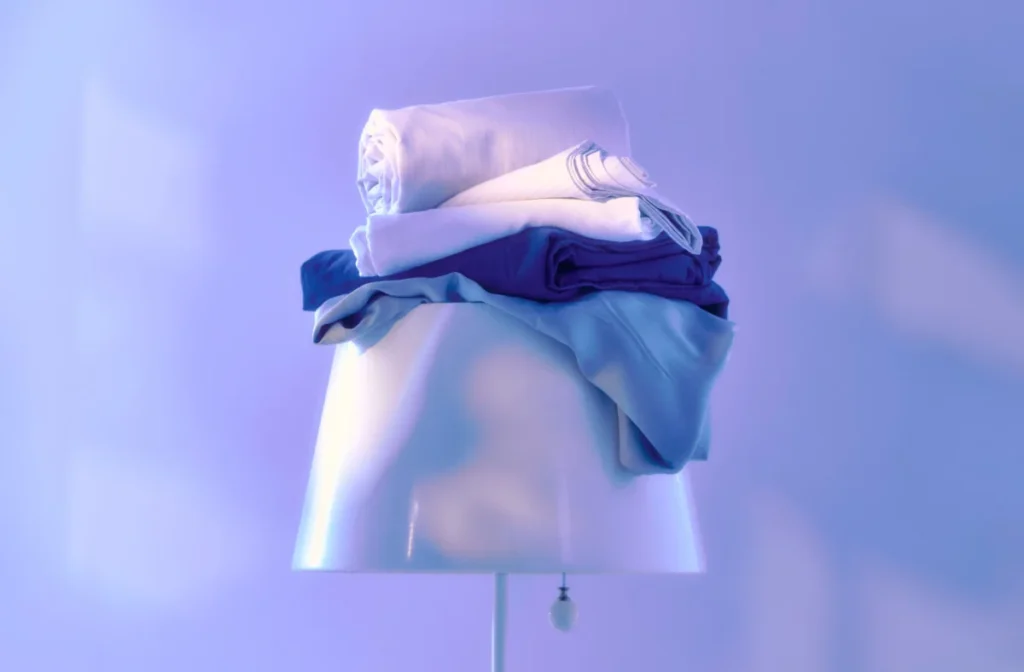

The global bedding market, valued at approximately $74 billion in 2023, has undergone a significant transformation as consumer focus shifts toward the "sleep economy"—a sector dedicated to optimizing rest through high-performance textiles and ergonomic design. Within this expanding landscape, the concept of the "bedding capsule collection" has emerged as a strategic approach to home curation. Rather than amassing a surplus of mediocre linens, industry experts and design editors now advocate for a refined selection of high-quality sets tailored to specific tactile preferences and seasonal requirements. Following extensive multi-year testing in residential environments, the Architectural Digest (AD) editorial team has identified eight definitive sheet sets that represent the pinnacle of current market offerings, spanning various materials from organic sateen to sustainable eucalyptus fibers.
The Methodology of Real-World Textile Evaluation
To provide a factual assessment of these products, the AD team eschewed traditional laboratory-only testing in favor of long-term residential use. This methodology acknowledges that the true measure of a textile’s quality lies in its performance after multiple laundering cycles and its adaptability to varying climates. The testing protocols involved editors using the sheets in diverse living conditions—ranging from humid urban apartments to temperature-controlled suburban homes—over periods extending from several months to five years.
The evaluation criteria focused on three primary pillars: durability, moisture management, and aesthetic longevity. Testers documented how fibers responded to high-heat drying, the rate of pilling in high-friction areas, and the degree of color fastness in dyed fabrics. By surveying a full team of design professionals, the study gathered a comprehensive data set that accounts for different sleep profiles, including "hot sleepers" who require high breathability and "cold sleepers" who prioritize insulation.
The Gold Standard of Organic Sateen: Boll & Branch
The Boll & Branch Signature Hemmed Sheet Set has maintained its position as the top overall recommendation for several years, a feat attributed to its adherence to rigorous ethical and quality standards. Priced at approximately $279 for a queen set, these sheets are manufactured using 100% organic cotton and carry both Fair Trade and GOTS (Global Organic Textile Standard) certifications.
Data from long-term testing indicates that the sateen weave—a structure that places more threads on the surface of the fabric—provides a balance of softness and cooling properties. Rachel Fletcher, AD’s shopping director, noted that the set she tested remained in constant rotation for five years, reporting that the fabric actually increased in softness over time. While slight color fading was observed after dozens of washes, the structural integrity of the long-staple cotton fibers remained intact, preventing the pilling often associated with lower-grade cotton blends.
Innovations in Sustainable Textiles: Bamboo and Eucalyptus
As environmental consciousness drives consumer behavior, the demand for semi-synthetic fibers like viscose from bamboo and lyocell from eucalyptus has surged. These materials are noted for their moisture-wicking capabilities, which are scientifically superior to traditional cotton in terms of absorption and evaporation rates.
The Quince Bamboo Sheet Set, priced competitively at $135, has been identified as a leading option for those seeking the silk-like texture of bamboo at an accessible price point. Testing revealed that these sheets are particularly effective for "chronically cold" sleepers who layer multiple blankets, as the airiness of the bamboo prevents overheating. However, the data also highlighted a vulnerability: the smooth surface of bamboo viscose tends to retain oily residues from skincare products more prominently than matte fabrics.
Similarly, the Sijo AiryWeight Tencel Sheet Set, derived from eucalyptus, was recognized for its performance in high-humidity environments. Lauren Arzbaecher, a shopping producer, categorized these as a "tad silkier" than bamboo, noting their resistance to pilling after repeated laundering. This durability is a key metric for consumers looking for long-term value in sustainable bedding.
The Science of the "Crisp" Feel: Percale and Hotel Quality
Percale, a plain-weave fabric characterized by a one-over, one-under thread structure, remains the industry standard for those who prefer a "crisp" and "cool" sensation. Unlike sateen, percale is matte and highly breathable, making it the preferred choice for summer months or warm-climate residents.
Brooklinen’s Classic Percale Core Sheet Set ($219) was highlighted for its ability to replicate the sensory experience of luxury hotel bedding. Testers noted a "satisfying crinkle" and a cooling layer that felt smooth against the skin. Supporting data suggests that high-quality percale, like the Brooklinen set, benefits from a thread count between 300 and 600; counts higher than this often compromise breathability by clogging the weave.
For a more decorative approach to percale, the Serena & Lily Hydrangea Percale Sheet Set ($398) was cited for its artistic value. Beyond the aesthetic appeal of its Palestinian-inspired and coastal motifs, the fabric was described as "almost translucent," providing a lightweight feel that mimics the texture of flower petals. This set represents the intersection of high-end interior design and functional textile engineering.
Artisanal Linen and the Rise of "Cottagecore"
The "Cottagecore" aesthetic—a design movement emphasizing rural, traditional life—has fueled a resurgence in linen bedding. Linen, made from the fibers of the flax plant, is historically valued for its extreme durability and thermoregulating properties.
Piglet in Bed’s Gingham Linen Blend Sheet Set ($395) offers a hybrid approach, combining European linen with long-staple cotton. This blend addresses one of the common criticisms of pure linen: its initial coarse texture. The testing data indicated that the blend provides a "brushed" feel, described by contributor Yelena Moroz Alpert as "lived-in" and "cushy."
In the luxury segment, the Erica Tanov Cypress Washed Linen Sheet Set ($798) represents the pinnacle of artisanal bedding. Unlike mass-produced linens that may use chemical softeners, this set utilizes a stonewashing process to achieve softness. Julia Harrison, a shopping writer, emphasized that the price point reflects the Palestinian-inspired embroidery and the thickness of the material, which proved durable enough to withstand significant physical stress, including household accidents.
Foundational Comfort: Supima Cotton
For consumers seeking a classic, no-frills option, Supima cotton remains a critical material. Supima is a trademarked name for Pima cotton grown in the United States, representing less than 1% of the world’s cotton. Its extra-long fibers provide superior strength and softness.
The Buffy Supima Cotton Sheet Set ($195) was evaluated as an ideal "transitional" sheet. Testing showed that the fabric provides a moderate weight—heavier than percale but more breathable than heavy flannel. It was specifically noted for its performance during 60-degree nights, where it provided sufficient insulation without inducing night sweats. The durability of the Supima fiber also ensures that the sheets maintain their shape and "hand feel" through years of use.
Maintenance and Longevity: Expert Recommendations
To maximize the lifespan of these investments, the AD report included consultation with cleaning experts. Mary Gagliardi, a scientist at Clorox known as "Dr. Laundry," emphasized that regular maintenance is the most significant factor in textile longevity.
Key maintenance findings include:
- Washing Frequency: Sheets should ideally be laundered once a week to remove skin cells, oils, and dust mites. For those who do not sleep "hot," this interval can be extended to two weeks.
- Temperature Control: Hot water is recommended for cotton and synthetics to ensure deep cleaning, while linen requires a delicate cycle with cold water to prevent excessive wrinkling and fiber breakdown.
- Drying Protocols: While many consumers prefer the convenience of a dryer, line-drying is recommended for embroidered or delicate linen sets to preserve intricate details.
- Ironing: While not strictly necessary for hygiene, low-heat steaming is preferred over direct ironing to avoid heat-damage to the fibers.
Market Implications and Future Outlook
The shift toward "capsule bedding" reflects a broader consumer trend toward sustainable consumption and "quiet luxury." As the market for premium home goods continues to grow, brands are increasingly focusing on transparency regarding material origins and manufacturing processes. The success of direct-to-consumer (DTC) brands like Quince and Brooklinen suggests that consumers are willing to pay a premium for high-quality materials when they are paired with clear value propositions and verified performance data.
Ultimately, the choice of sheets is a highly personal decision influenced by physiological needs and stylistic preferences. However, the data gathered by the AD editorial team suggests that by investing in high-quality materials—whether organic cotton, sustainable eucalyptus, or artisanal linen—consumers can significantly improve their sleep hygiene and the aesthetic value of their homes. As the bedding industry evolves, the emphasis on durability and "real-world" performance is likely to remain the primary driver of consumer trust and brand loyalty.