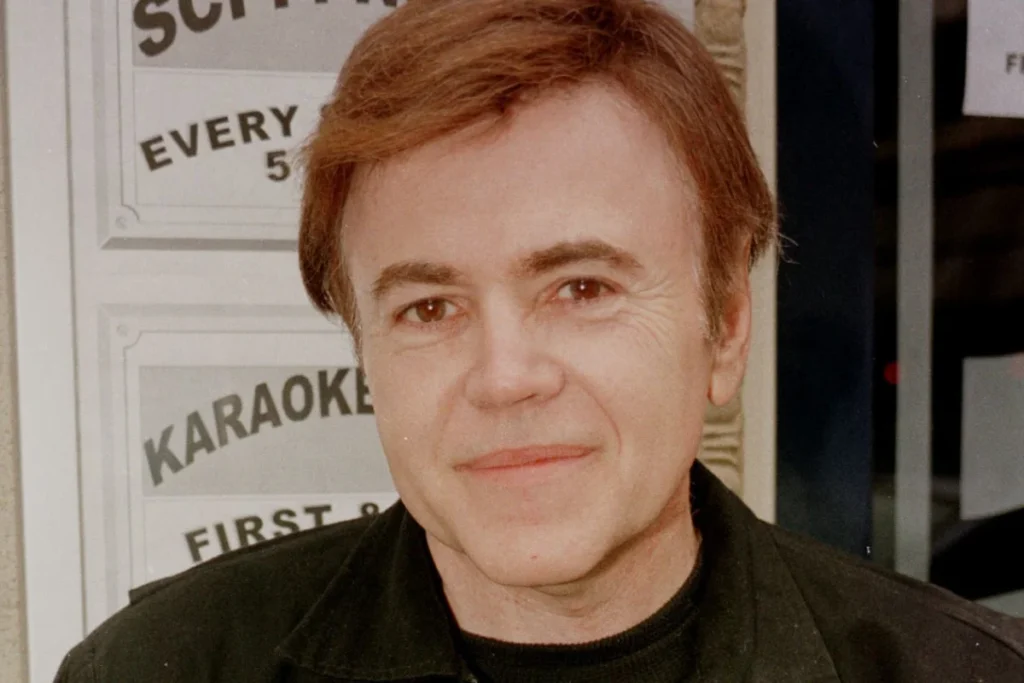

The global science fiction community is mourning the loss of Walter Koenig, the esteemed actor best known for his portrayal of the earnest and intelligent Ensign Pavel Chekov in the original Star Trek television series. Koenig, who turned 90 in September, passed away at his home in North Hollywood on Sunday evening. His death, confirmed by his talent agency, Galactic Productions, marks the end of an era for the remaining cast members of the iconic 1960s space odyssey, leaving behind a legacy defined not only by his on-screen contributions but by his profound and lasting connection to the fan base that sustained the franchise for decades.
A Career Defined by The Enterprise and Beyond
Born in Chicago in 1936, Koenig’s journey into the entertainment industry was marked by a steady commitment to his craft. He joined the cast of Star Trek during its second season in 1967, bringing a youthful, optimistic energy to the USS Enterprise as the Russian navigator Pavel Chekov. His character, introduced during the height of the Cold War, provided a rare moment of international cooperation on screen, helping to cement Star Trek’s reputation as a forward-thinking, inclusive vision of the future.
Following the cancellation of the original series in 1969, Koenig’s involvement with the franchise did not cease. He reprised his role in seven feature films, starting with 1979’s Star Trek: The Motion Picture and concluding with 1994’s Star Trek Generations. Beyond his work in the Star Trek universe, Koenig found success in other science fiction staples. In the 1990s, he gained critical acclaim for his portrayal of the complex and villainous psychic Alfred Bester in the influential television series Babylon 5. His versatility allowed him to move seamlessly between the heroic, wide-eyed navigator and the calculating, morally ambiguous antagonist, showcasing a range that garnered respect from critics and peers alike.
The Passing of a Generation
The loss of Koenig is felt acutely by his former colleagues, many of whom have shared personal reflections on his character and his impact on their lives. William Shatner, who portrayed Captain James T. Kirk, expressed his sorrow via Instagram, noting the specific nature of Koenig’s interaction with fans. "Although we did not know each other well away from the set, we shared the later seasons of the original Star Trek series and the six films that followed," Shatner wrote. "What I observed, and what so many fans have expressed over the years, was a man who genuinely loved the Star Trek community."

Shatner highlighted a recurring theme in tributes to Koenig: his refusal to remain distant from the people who supported his career. At conventions, where many actors might prefer the safety of a private green room, Koenig was frequently found among the fans, engaging in genuine conversation. This accessibility created a bond between the actor and the public that transcended the typical celebrity-fan dynamic.
George Takei, who played Hikaru Sulu, shared a particularly intimate reflection on their nearly six-decade-long friendship. Their connection was solidified when Koenig served as the best man at Takei’s wedding to Brad Altman in 2008. "Walter and I met on the bridge of the Enterprise in the 1960s, and we stayed friends for nearly six decades," Takei noted. The coincidence of their personal milestones—Koenig’s 90th birthday occurring on the same day as Takei’s 18th wedding anniversary—serves as a poignant reminder of the intertwined lives of the original crew members.
Chronology of a Storied Life
- 1936: Walter Koenig is born in Chicago, Illinois.
- 1967: Joins the cast of Star Trek as Ensign Pavel Chekov.
- 1979–1994: Appears in seven Star Trek feature films.
- 1980: Publishes Chekov’s Enterprise, a behind-the-scenes memoir of his time on the show.
- 1990s: Plays the iconic role of Alfred Bester in Babylon 5.
- 2008: Serves as best man at the wedding of George Takei and Brad Altman.
- 2010: Suffers the personal tragedy of losing his son, Andrew.
- 2022: Loses his wife of many years, actress Judy Levitt.
- 2023: Voices his original character’s son in the final season of Star Trek: Picard.
- 2026: Passes away at age 90 in North Hollywood.
Institutional and Cultural Impact
The impact of Walter Koenig on the cultural fabric of science fiction cannot be overstated. When Star Trek debuted, it was a modest success that faced cancellation, yet it birthed a fandom that eventually forced the studio to invest in films, spin-off series, and a massive merchandise empire. Koenig was instrumental in this evolution. His dedication to attending conventions and engaging in the literary and academic discourse surrounding the show helped bridge the gap between the 1960s production and the modern streaming iterations of the franchise.
From an industry perspective, Koenig represented the "working actor" ethos—a professional who moved between writing, directing, teaching, and performing with humility. His decision to write Chekov’s Enterprise provided fans with a rare, honest look at the chaotic and often difficult production environment of the 1960s, helping to humanize the icons of the series.
Industry Tributes and Legacy
The outpouring of support from across the industry speaks to his reputation as a "thoughtful man" and "loyal friend." Kim Cattrall, who worked alongside Koenig on Star Trek VI: The Undiscovered Country, offered a succinct but heartfelt farewell: "Rest well dear Walter. It was a pleasure sharing the bridge with you."

Adam Nimoy, son of Leonard Nimoy, also paid tribute, highlighting the camaraderie that existed between the families of the main cast. His recollection of Koenig’s work in the "oddball" episodes of the series underscores the actor’s willingness to experiment and commit to the eccentric nature of the show’s scripts.
As the industry reflects on the loss of another member of the original bridge crew, it is clear that Koenig’s death marks the conclusion of a pivotal chapter in television history. His life, while punctuated by significant personal loss—including the deaths of his wife, Judy Levitt, and his son, Andrew—was defined by a persistent, quiet dignity. He is survived by his daughter, Danielle, and a legacy that continues to influence how science fiction is consumed and appreciated globally.
Analysis: The Fading Echo of a Pioneering Era
The death of Walter Koenig invites an analysis of how the Star Trek franchise has functioned as a surrogate family for both the cast and the audience. Unlike many other franchises, Star Trek was built on the premise of a collaborative, utopian future. The actors, who spent decades at conventions and in the media together, became living embodiments of that future.
Koenig’s passing emphasizes the fragility of this era. As the stars of the 1960s age, the industry is left to grapple with how to preserve their specific, human contributions to pop culture. Koenig’s particular contribution was the democratization of the celebrity experience. By refusing to remain behind the "signing table," he signaled to his audience that the fans were as much a part of the Star Trek story as the actors on the bridge. This shift in the power dynamic between fan and creator is one of the most enduring legacies of the original series, and it is a practice that modern media entities continue to study and emulate today.
In the final assessment, Walter Koenig will be remembered not merely as an ensign on a fictional ship, but as a man who navigated the complexities of life with the same steady hand he brought to the helm of the Enterprise. His career was a tapestry of creative endeavors that spanned over half a century, but it was his character, warmth, and unwavering commitment to the community that made him a beloved figure in an industry that often prioritizes spectacle over substance. As the tributes continue to arrive, the message is clear: the bridge is a little quieter, but the course he charted remains steady.