
The cast of HBO’s critically acclaimed period drama, The Gilded Age, gathered in New York City for an exclusive screening and panel discussion to celebrate the upcoming third season. The event, held at a prominent Manhattan venue, served as a sartorial departure for the actors, who famously portray the rigid socialites and ambitious entrepreneurs of late 19th-century New York. Ditching the corsets, bustles, and top hats that define the series’ 1880s aesthetic, the ensemble cast showcased a range of modern high-fashion looks that underscored the disconnect between their historical personas and their contemporary identities. This transition, often referred to in fashion circles as the Dockery Maneuver—named after Downton Abbey’s Michelle Dockery—is a strategic styling choice used by actors in period pieces to remind audiences and industry peers of their versatility and modern relevance.
The Evolution of The Gilded Age Narrative
Since its debut in January 2022, The Gilded Age, created by Julian Fellowes and co-written by Sonja Warfield, has captured a significant viewership by exploring the "Opera Wars" and the friction between "Old Money" and "New Money" in post-Civil War America. Season 2 concluded with several major shifts: the triumph of the Metropolitan Opera House over the Academy of Music, the unexpected inheritance received by Ada Brook (Cynthia Nixon), and the continued ascent of the Russell family.
The New York screening provided a first look at the thematic direction of Season 3. Producers have hinted that the upcoming episodes will delve deeper into the burgeoning labor movements of the era, the continued evolution of the Black elite in Brooklyn, and the shifting domestic power dynamics within the van Rhijn and Russell households. The red carpet event was not merely a promotional stop but a statement of the show’s enduring cultural impact and its status as a cornerstone of HBO’s prestige programming.
Sartorial Highlights and Red Carpet Analysis
The red carpet served as a masterclass in modern gala attire, with each cast member opting for looks that contrasted sharply with the heavy silks and structured millinery of the show’s costume designer, Kasia Walicka-Maimone.
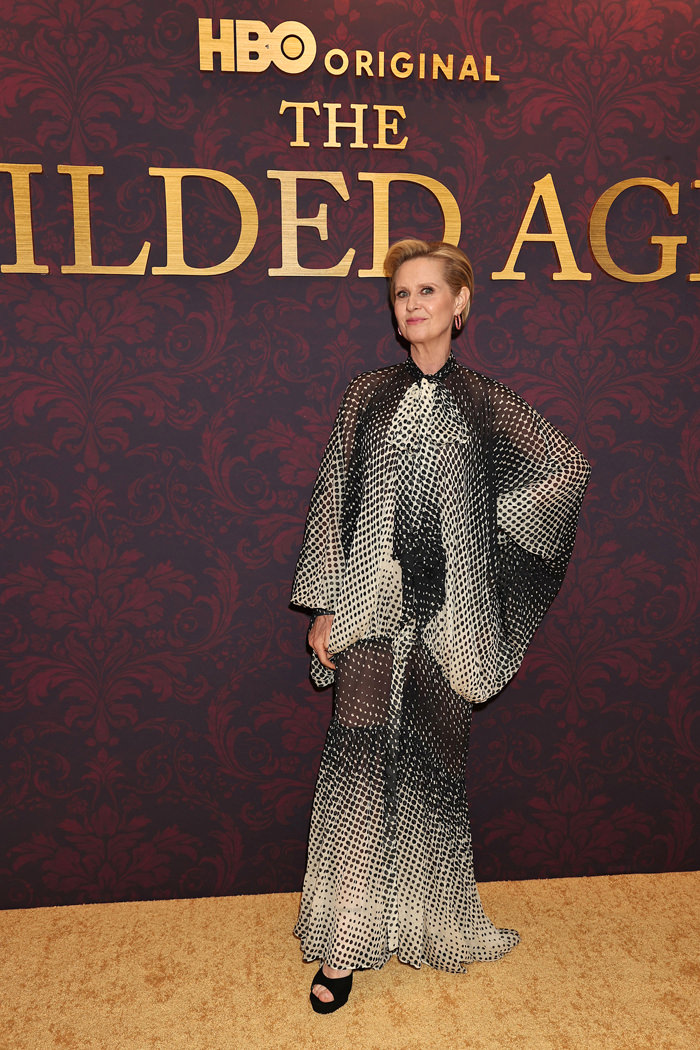
Cynthia Nixon: Bold Artistry
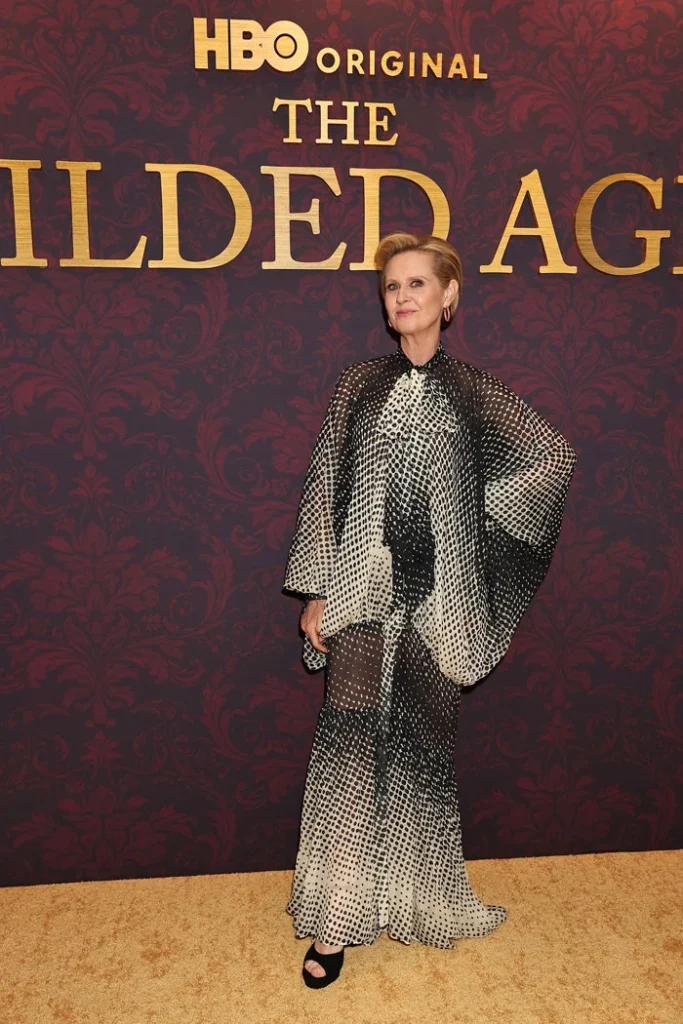
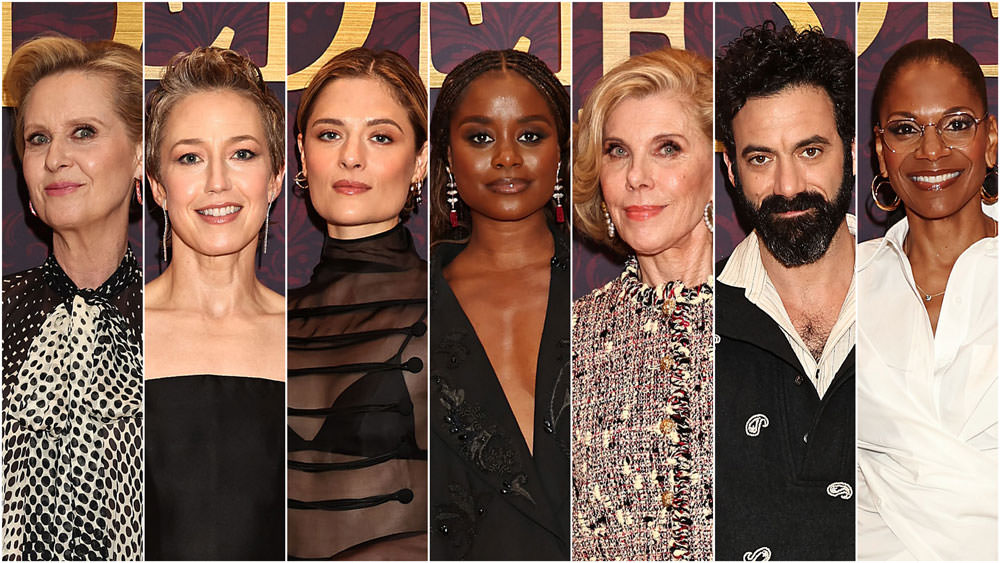
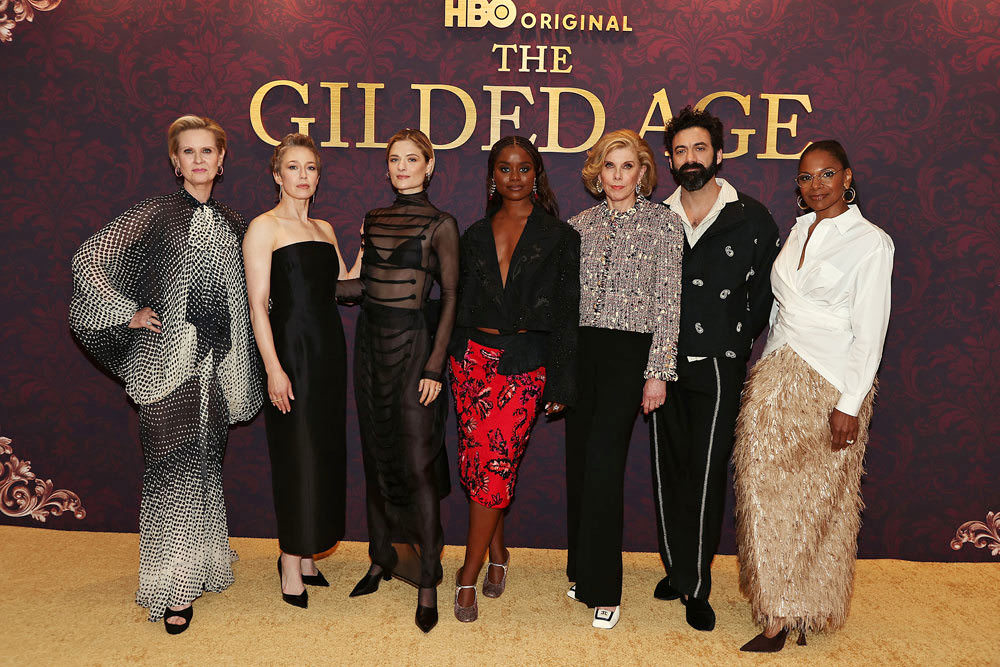
Cynthia Nixon, who portrays the soft-spoken yet resilient Ada Brook, arrived in a garment defined by a bold, eye-catching print and an elegant, sweeping silhouette. The dress utilized a sophisticated drape that provided a sense of movement, a stark contrast to the restrictive Victorian gowns her character wears. Fashion analysts noted that the choice of a busy, avant-garde print is a refreshing departure for the red carpet, signaling a confidence in personal style that mirrors her character’s newfound independence in the series.
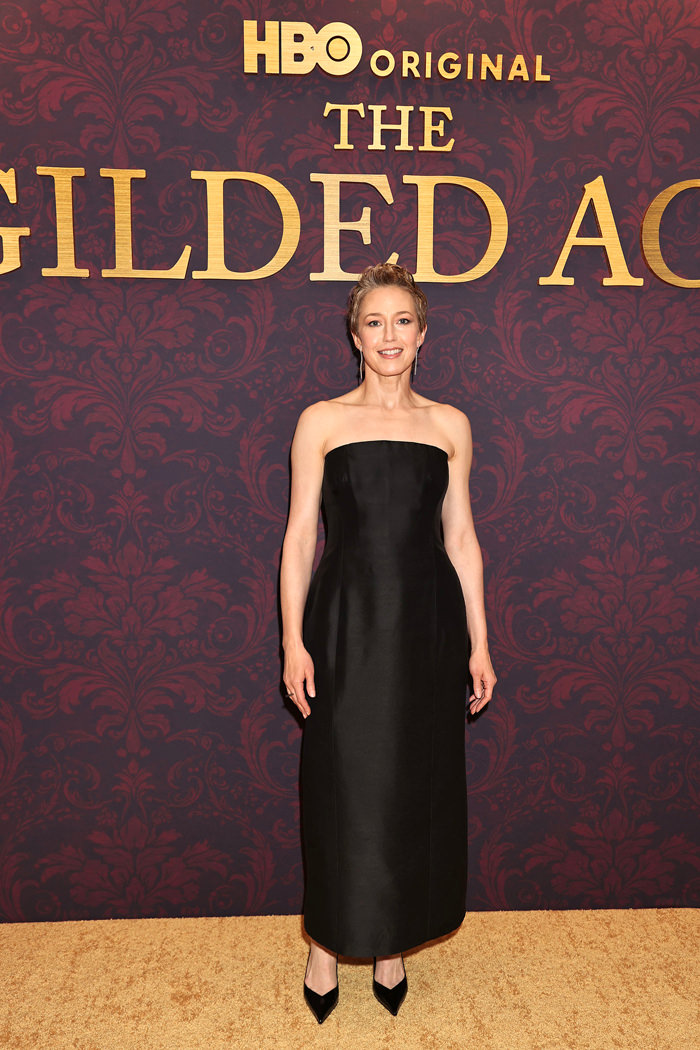
Carrie Coon: Minimalist Sophistication
Carrie Coon, the actress behind the formidable social climber Bertha Russell, opted for a more restrained approach. Her dress was characterized by clean lines and a monochromatic palette, emphasizing a "quiet luxury" aesthetic. While the garment was praised for its chic simplicity, some observers suggested that the look could have been elevated with more aggressive styling—perhaps a statement cuff or a diamond pendant—to better reflect the opulence associated with the Russell empire. Nonetheless, her hair and makeup were flawlessly executed, maintaining a modern, polished edge.
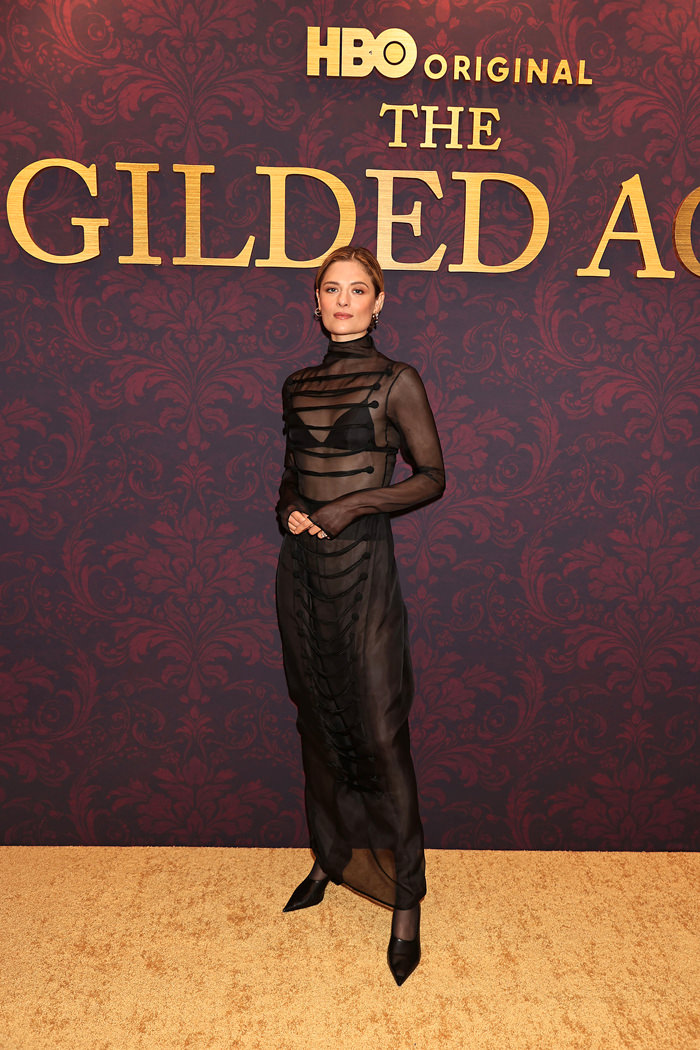
Louisa Jacobson: The Jacobson Ploy
Louisa Jacobson, playing the idealistic Marian Brook, made perhaps the most dramatic statement of the evening in a sheer ensemble by the designer label Khaite. This look represented the pinnacle of the "Dockery Maneuver," effectively erasing any trace of her character’s 19th-century modesty. The top half of the dress featured intricate construction that drew significant praise from fashion critics, though the transition to the skirt was viewed by some as less resolved. By choosing such a daring, contemporary piece, Jacobson successfully positioned herself as a modern fashion icon outside the confines of the period drama.
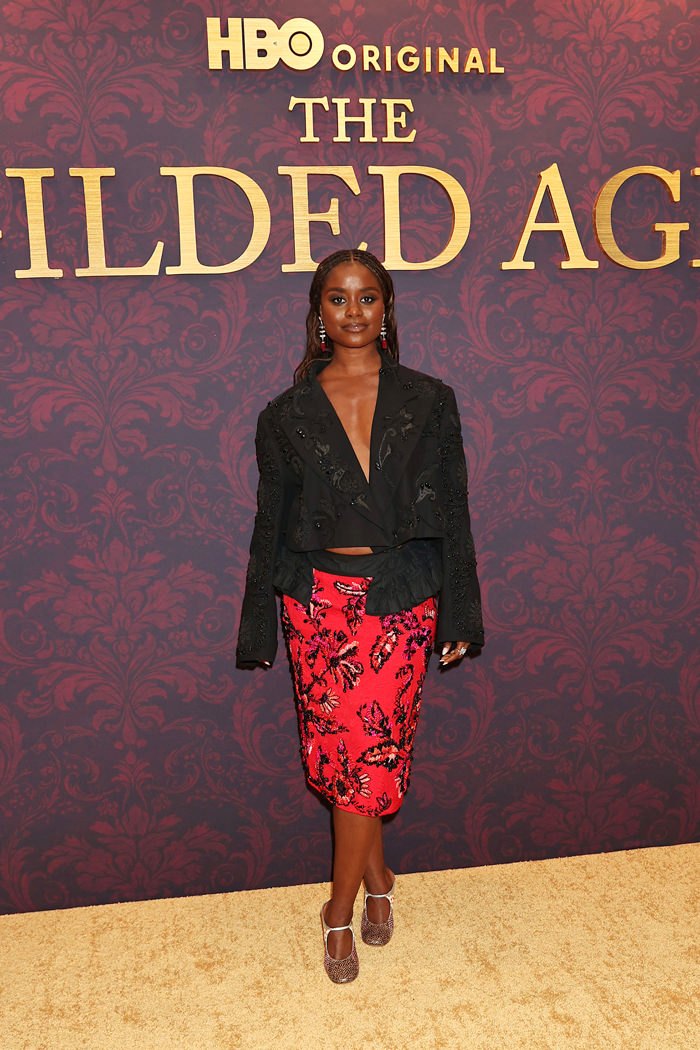
Denée Benton and Audra McDonald: Texture and Contrast
Denée Benton, who portrays the ambitious writer Peggy Scott, wore an ensemble that featured a striking skirt. However, critics noted a slight disconnect between the skirt and the top half of the outfit, suggesting the footwear choice lacked the necessary cohesion to anchor the look.
In contrast, Broadway legend Audra McDonald, who plays Dorothy Scott, leaned into the "feather" trend that has dominated recent red carpets. While the use of feathers on skirts has become a common trope in evening wear, the structured bodice of her outfit was lauded for its architectural precision and flattering fit.
Christine Baranski and Morgan Spector: Modern Power Dressing
Christine Baranski, the matriarch Agnes van Rhijn, traded her character’s high-collared lace for a sophisticated pantsuit. The pieces were perfectly tailored to her frame, though her choice of footwear—which leaned toward a casual, sneaker-like silhouette—sparked debate among stylists regarding its appropriateness for a formal black-tie screening.
Morgan Spector, known as the "robber baron" George Russell, brought a modern twist to menswear. He wore a gorgeous jacket paired with pants featuring a prominent white stripe. While the stripe was a polarizing detail, the overall look was praised for its boldness. Spector’s choice to eschew a traditional tuxedo in favor of a more experimental silhouette reflects a broader trend in Hollywood toward expressive male fashion.
Production Timeline and Industry Context
The journey to Season 3 has been marked by consistent growth in viewership. Following the Season 2 finale in December 2023, HBO quickly announced the renewal of the series. Production for the third season commenced in the summer of 2024, with filming taking place across various historical locations, including Newport, Rhode Island, and specialized sets in New York and Troy, New York.
The Gilded Age has become an essential economic driver for these regions. According to data from the Rhode Island Film & TV Office, the production has contributed tens of millions of dollars to the local economy through hotel stays, catering, and the employment of local artisans and extras. Furthermore, the show has revitalized interest in Gilded Age history, leading to a measurable uptick in tourism for the Newport Mansions and the Museum of the City of New York.
Critical Analysis of the Show’s Impact
The success of The Gilded Age lies in its ability to mirror contemporary societal concerns through a historical lens. Themes of wealth inequality, the influence of new technology (such as the introduction of electricity in Season 1), and the struggle for racial and gender equality remain deeply resonant.
Industry analysts point out that HBO’s investment in the series represents a commitment to high-budget, "appointment television" in an era dominated by streaming fatigue. The show’s meticulous attention to historical detail—from the etiquette of a formal dinner to the specific architecture of a 61st Street mansion—has set a new standard for period dramas. This commitment to authenticity extends to the casting of numerous Tony Award-winning Broadway actors, ensuring that the performances match the grandeur of the sets.
The Panel Discussion: Looking Ahead
During the post-screening panel, the cast and creators discussed the challenges of maintaining the show’s scale while deepening the emotional stakes for the characters. Julian Fellowes noted that the Gilded Age was a period of "extraordinary change," where the old world was being forcibly replaced by the new. He hinted that Season 3 would focus on the "consequences of ambition," as characters like Bertha Russell find that staying at the top of the social ladder is often more difficult than climbing it.
The actors also reflected on the physical demands of the show. Many noted that returning to the 1880s costumes after a hiatus requires a period of "re-adjustment" to the physical constraints of the era’s fashion. This makes the modern freedom of the New York screening red carpet all the more significant for the cast.
Conclusion and Future Implications
The New York screening and panel for The Gilded Age Season 3 served as a powerful reminder of the series’ status as a cultural phenomenon. By balancing historical accuracy with modern storytelling sensibilities, the show has carved out a unique space in the television landscape. The red carpet event highlighted the talent and versatility of its ensemble, proving that while they may be masters of the bustle and the bow, they are equally at home in the vanguard of contemporary fashion.
As Season 3 approaches, the anticipation remains high. With a narrative that continues to expand its scope and a cast that has fully inhabited their complex roles, The Gilded Age is poised to remain a dominant force in prestige television. The transition from the rigid social structures of 1883 to the flashing lights of a 2026 New York premiere underscores the timeless appeal of stories about power, family, and the ever-changing American identity.