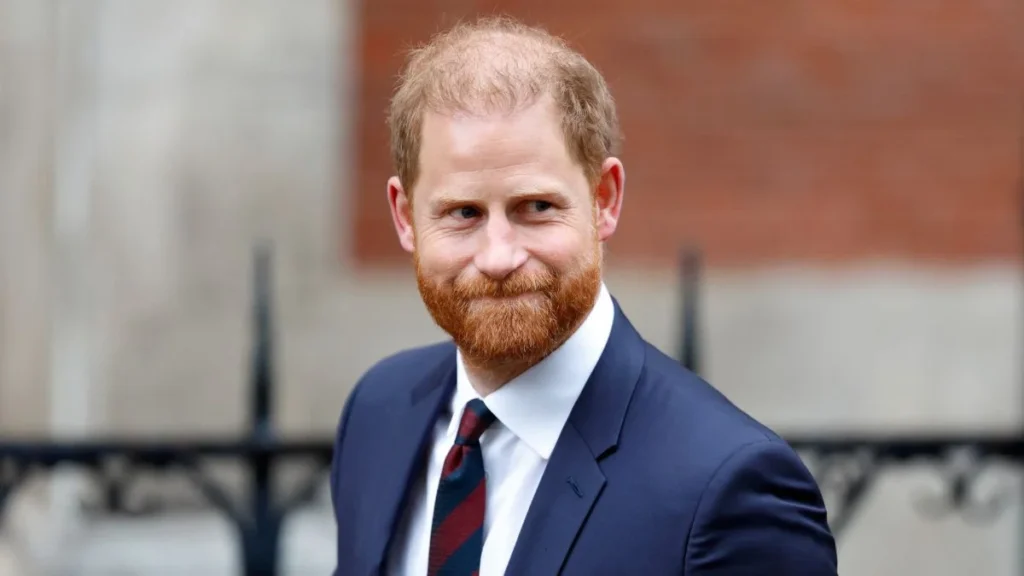

The Duke of Sussex is reportedly charting a fresh course for his media career following a recent return to the United Kingdom, with insiders indicating that a solo podcast and a major archival documentary dedicated to his late mother, Princess Diana, are currently under development. These potential endeavors signal that Prince Harry intends to continue utilizing digital platforms to share historical narratives and personal perspectives, despite enduring fractures in his relationship with senior members of the British royal family.
According to reports originating from prominent royal commentators and international publications, the proposed audio project has been heavily influenced by the success of alternative royal and athletic podcasts—such as the venture hosted by Mike Tindall, husband of Zara Tindall. Observers note that such media formats have historically proven effective in humanizing public figures and shifting public sentiment. As the Duke weighs his commercial and creative options in Britain, the audio landscape presents an accessible, direct-to-consumer medium that requires minimal traditional broadcasting infrastructure while maximizing global reach.
The evolution of Prince Harry’s media strategy represents a fascinating case study in modern public relations, royal diplomacy, and digital branding. To fully understand the weight of these reported upcoming projects, one must examine the chronology of the Duke and Duchess of Sussex’s media trajectory since stepping back as working members of the royal family in 2020.
A Comprehensive Timeline of Sussex Media Ventures
The transition of Prince Harry and Meghan Markle from senior working royals to independent media entrepreneurs has been marked by a series of high-profile, multi-platform releases. A review of this timeline highlights how the couple has progressively shifted from institutional partnerships to independent content creation:
- January 2020: Prince Harry and Meghan Markle announce their intention to step back as senior working members of the British royal family, seeking financial independence.
- September 2020: The couple signs a landmark multi-year production deal with Netflix to produce documentaries, docuseries, feature films, and children’s programming through their production banner, Archewell Productions.
- December 2020: The Sussexes sign an exclusive multi-year audio partnership with Spotify estimated to be worth tens of millions of dollars, launching Archewell Audio with a holiday special.
- March 2021: The heavily watched CBS primetime interview with Oprah Winfrey airs globally, offering the couple’s first comprehensive, unscripted platform to discuss institutional pressures and family estrangement.
- August 2022: Meghan Markle launches her inaugural Spotify podcast series, Archetypes, which explores the historical labels and stereotypes holding women back.
- December 2022: The six-part documentary series Harry & Meghan premieres on Netflix, breaking streaming records and offering deep personal insights into their courtship, media intrusion, and departure from the UK.
- January 2023: Prince Harry publishes his explosive, best-selling tell-all memoir, Spare, detailing his upbringing, military service, and fractured familial relationships, setting global publishing records for non-fiction sales.
- June 2023: Archewell Audio and Spotify mutually agree to part ways after the release of a single season of Archetypes, prompting a re-evaluation of the couple’s audio strategy.
- July 2024: Prince Harry makes a surprise guest appearance on the Joe Marler Will See You Now podcast, discussing mental health, personal struggles, and coping mechanisms, thereby testing the waters of independent guest audio appearances.
- Late 2025 to 2026: Following a series of targeted UK visits and ongoing discussions regarding commercial ambitions, reports emerge that Prince Harry is exploring a dedicated independent podcast format alongside a documentary honoring Princess Diana.
The Mechanics of the Proposed Podcast and Diana Documentary
The upcoming audio project is understood to be distinct from the Spotify partnership that concluded in 2023. Industry analysts suggest that by observing the strategies of independent podcasters, Prince Harry has recognized the value of conversational, unscripted dialogue. Sources close to the production discussions indicate that the podcast would likely focus on themes of resilience, mental health, global advocacy, and perhaps informal interviews with cultural figures, athletes, and changemakers.
Simultaneously, the companion project focusing on Princess Diana represents a deeply personal undertaking. The documentary reportedly aims to honor Diana’s humanitarian legacy, cultural impact, and enduring memory. To achieve this, Harry has allegedly reached out to several trusted confidants, former colleagues, and close friends of his late mother to secure firsthand accounts and previously untold anecdotes. Furthermore, discussions are reportedly underway regarding an accompanying audiotape series featuring archival or newly curated audio elements related to Diana’s life and public service.
Navigating Institutional Barriers and Royal Archives
A central hurdle facing Prince Harry’s reported documentary project is access to authenticated historical documents, photographs, and media footage held within official royal archives. Historically, documentary filmmakers focusing on the British monarchy rely heavily on institutional cooperation to secure high-resolution archival assets and permission for specific locations.
However, relations between the Duke of Sussex and Buckingham Palace remain strained. King Charles III has reportedly maintained a firm framework of guidance regarding official communications and engagements with family members living abroad. Despite these barriers, sources indicate that Harry has not entirely abandoned the prospect of appealing for specific access to royal archives that could add academic and historical weight to his mother’s documentary.
The dilemma places the institution in a delicate position. Granting access could be interpreted as an official endorsement of an independent commercial production, while completely barring access may fuel public narratives of institutional stonewalling.
The Position of Prince William and the Palace Response
While King Charles retains nominal oversight over official royal properties and archives, Prince William, the Prince of Wales, occupies a similarly watchful stance. According to palace insiders, Prince William has maintained a strict policy of non-engagement regarding his brother’s commercial and media enterprises.
Under British legal frameworks and intellectual property norms, Prince William possesses no legal mechanism to prevent Prince Harry from recording a podcast, writing a memoir, or producing a documentary about historical figures, provided such works do not violate copyright, defamation, or strict privacy laws. Consequently, the Prince of Wales’s options are largely confined to maintaining a firm personal boundary, withholding direct cooperation, and declining requests for institutional assistance or family commentary.
This strategy of calculated distance appears to be the collective approach adopted by the wider royal household. Representatives for both Buckingham Palace and Kensington Palace have consistently declined to comment on private family matters, media rumors, or prospective professional projects undertaken by the Duke and Duchess of Sussex. As of press time, representatives for Prince Harry have likewise issued no formal confirmation regarding the reported podcast launch or the Diana documentary timeline.
Broader Implications for Media and the Monarchy
The ongoing divergence between the working royal family and the Duke of Sussex highlights a broader transformation in how high-profile public figures manage their reputations in the twenty-first century. Traditional institutions have long relied on controlled, highly curated press releases, state-sanctioned interviews, and ceremonial duties to maintain public relevance. In contrast, the modern digital landscape favors direct-to-consumer storytelling, algorithmic engagement, and unmediated personal narratives.
For Prince Harry, pursuing a podcast and an archival documentary offers both commercial viability and narrative control. It allows him to speak directly to global audiences without the editorial filter of traditional media corporations or the constraints of palace protocol. However, these ventures also carry inherent risks. Continued public focus on familial divisions can risk fatiguing audiences and reinforcing perceptions of ongoing friction between the UK-based monarchy and its California-based members.
As the media landscape continues to evolve, the success of Prince Harry’s rumored podcast and Princess Diana documentary will ultimately depend on production quality, audience appetite, and the ability to offer fresh insights into familiar narratives. Whether these projects bridge historical divides or further cement institutional boundaries remains one of the most closely watched dynamics in contemporary royal affairs.