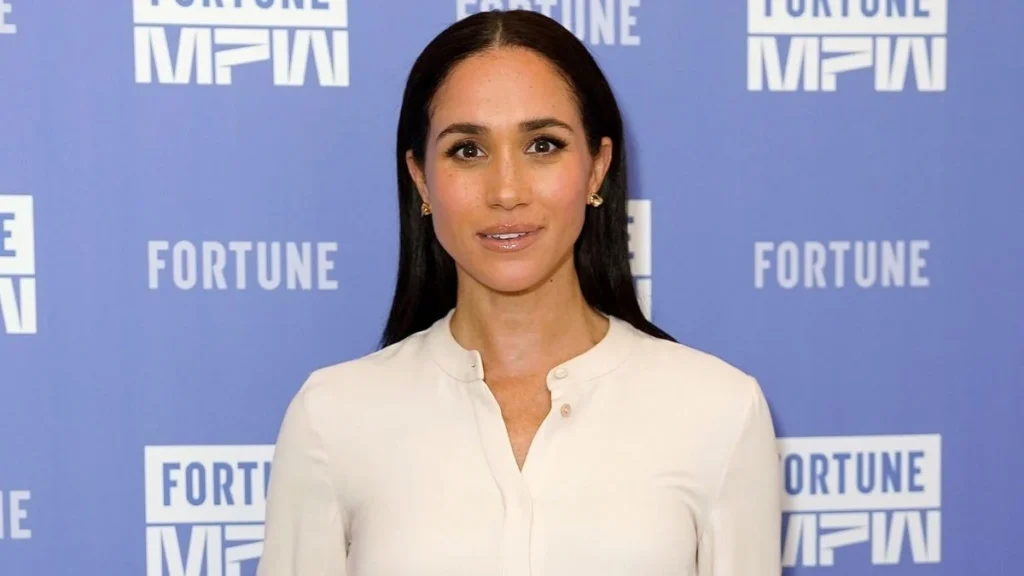

The Duchess of Sussex, Meghan Markle, has become the center of a burgeoning media controversy following the official confirmation of her upcoming guest appearance on the popular reality television franchise MasterChef Australia. According to a formal announcement released by Channel 10, the Australian broadcaster responsible for the series, the former "Suits" actress filmed a surprise segment for the eighteenth season of the culinary competition. While the production was intended to be a high-profile cameo designed to boost viewership, it has instead ignited a firestorm of criticism from royal commentators, media analysts, and social media users. The crux of the backlash centers on two primary issues: the Duchess’s continued reliance on her royal title for commercial and promotional endeavors, and a perceived lack of technical culinary expertise that some argue makes her an unsuitable judge for a professional-grade cooking competition.
The specific episode, scheduled to air on Sunday, July 26, reportedly features the Duchess tasking contestants with a challenge to create a "dish fit for a Duchess." Sources close to the production indicate that the challenge emphasizes the use of seasonal, organic ingredients—a theme consistent with Markle’s long-standing public interest in sustainable living and healthy eating. However, the framing of the challenge has been labeled by critics as "tone-deaf," with many pointing out that Markle and her husband, Prince Harry, officially stepped back from their roles as senior working members of the British Royal Family in early 2020. The decision to leverage the "Duchess" styling in a commercial entertainment context has reignited the long-standing debate over whether the Sussexes should continue to use their titles while pursuing private financial gains in the United States and abroad.
A Chronology of the Sussex Media Transition
To understand the intensity of the current backlash, it is necessary to examine the timeline of Meghan Markle’s media presence following her departure from the United Kingdom. In January 2020, the Duke and Duchess of Sussex announced their intention to step back from royal duties, seeking a "progressive new role" that allowed for financial independence. This transition, often referred to by the media as "Megxit," resulted in a formal agreement with the late Queen Elizabeth II, which stipulated that the couple would no longer use their "His/Her Royal Highness" (HRH) titles or represent the Crown in an official capacity.
Since relocating to Montecito, California, the couple has engaged in a series of high-stakes media ventures. In late 2020, they signed multi-year deals with streaming giants Netflix and Spotify, estimated to be worth upwards of $100 million and $20 million, respectively. While these partnerships yielded the record-breaking docuseries "Harry & Meghan" and the "Archetypes" podcast, they also drew criticism for being overly reliant on the couple’s royal connections. The MasterChef Australia appearance is viewed by many industry insiders as a continuation of this trend—a strategic move to maintain a high public profile while preparing for the launch of Markle’s new lifestyle brand, American Riviera Orchard.
The announcement of her participation in the cooking show follows a period of relative quiet for the Duchess, who has been focused on developing content for Netflix, including an upcoming series that explores "the joys of cooking, gardening, entertaining, and friendship." The MasterChef appearance is thus seen as a calculated PR move to establish her authority in the culinary space before her own solo project premieres.
The Intersection of Title Usage and Commercial Branding
The primary criticism leveled against Markle regarding her MasterChef Australia appearance is the alleged "abuse" of her title. Critics argue that by inviting contestants to cook a dish "fit for a Duchess," she is actively commodifying a rank that was granted by the British monarchy, an institution she has frequently criticized in public forums. This perceived hypocrisy has become a focal point for royal traditionalists and media pundits alike.
According to reports from RadarOnline, several insiders have characterized the Duchess as a "laughing stock" within certain social and professional circles due to the perceived incongruity of her actions. The argument suggests that if the Duchess wishes to be viewed as an independent entrepreneur and media personality, she should rely on her own name and merit rather than a title tethered to the British state. From a public relations perspective, the timing is considered particularly sensitive. The British Royal Family has recently faced health challenges involving King Charles III and the Princess of Wales, leading some to suggest that the Sussexes’ continued commercial use of royal associations is disrespectful to the current state of the monarchy.
Furthermore, the "Duchess" branding on MasterChef Australia is being analyzed as a marketing tool for American Riviera Orchard. The brand, which was soft-launched on Instagram earlier this year, is expected to sell a range of products including jams, linens, and kitchenware. By appearing on a globally recognized culinary platform like MasterChef, Markle is effectively positioning herself as a tastemaker, though the use of her title remains the most contentious element of this strategy.
Viral Perceptions and Culinary Credibility
Beyond the political and ethical debates regarding her title, Meghan Markle is also facing scrutiny over her actual cooking abilities. In the world of MasterChef, guest judges are typically renowned chefs, Michelin-starred restaurateurs, or established food critics. The decision to cast a former actress and royal as a culinary judge has led to questions regarding her qualifications to critique the work of aspiring professional chefs.
This skepticism was exacerbated by a viral video that resurfaced following the announcement of her MasterChef appearance. The footage, taken from her 2022 Netflix docuseries, shows the Duchess chopping an onion in a manner that many viewers and professional chefs deemed "amateurish" and "incorrect." Social media platforms were quickly flooded with parodies and "memes" mocking her technique, with critics suggesting that someone who lacks basic knife skills should not be presiding over a high-stakes cooking competition.
"Add to that the viral jokes about her onion-chopping technique and supposed lack of kitchen know-how, and it’s created the perfect storm," an industry source noted. "Her critics think the contrast is impossible to ignore, which is why they’re already treating the episode as something of a punchline before it’s even aired."
Despite the online mockery, supporters of the Duchess point to her history of culinary-related philanthropy. In 2018, as one of her first major projects as a working royal, she supported the "Together: Our Community Cookbook," which featured recipes from women affected by the Grenfell Tower fire. The book was a commercial success and demonstrated her ability to use her platform to highlight food as a medium for community building. However, critics argue that there is a significant difference between supporting a charitable cookbook and acting as a technical judge on a program like MasterChef Australia, which is known for its rigorous standards.
Broad Impact and Media Implications
The backlash surrounding the MasterChef Australia appearance reflects a broader challenge facing the Duke and Duchess of Sussex: the difficulty of balancing their royal identities with their commercial ambitions. As they move further away from the traditional structures of the monarchy, every media appearance is scrutinized for its proximity to their former lives.
For Channel 10 and the MasterChef franchise, the controversy is a double-edged sword. On one hand, the involvement of the Duchess of Sussex guarantees international headlines and a potential spike in ratings for the Season 18 episode. On the other hand, the negative sentiment could alienate the show’s core audience, who value the program for its focus on culinary talent rather than celebrity cameos. The production team has reportedly gone to great lengths to ensure the episode remains focused on the contestants, yet the sheer "star power" and accompanying controversy of the Duchess inevitably shift the spotlight.
From a strategic standpoint, this episode serves as a litmus test for Markle’s future media projects. If the episode is well-received by the general public, it could pave the way for the success of her upcoming Netflix lifestyle series. If the "laughing stock" narrative persists, it may signal that her brand is too closely tied to controversy to achieve the mainstream "lifestyle guru" status currently held by figures like Martha Stewart or Gwyneth Paltrow.
Conclusion and Future Outlook
As the July 26 air date approaches, the conversation surrounding Meghan Markle’s MasterChef Australia appearance shows no signs of waning. The intersection of royal protocol, viral social media trends, and commercial branding has created a complex PR landscape for the Duchess. While her supporters see a woman reclaiming her narrative and pursuing her passions, her detractors see a calculated effort to maintain royal prestige without the accompanying responsibilities.
Ultimately, the success or failure of this move will be measured not just in television ratings, but in the long-term viability of the Sussex brand. Whether the "dish fit for a Duchess" becomes a celebrated moment of television or remains a "punchline" for critics depends largely on how the episode balances the reality of the competition with the celebrity of its guest. In the high-stakes world of international media, the Duchess of Sussex continues to be one of the most polarizing and talked-about figures, ensuring that her every move—even one in a kitchen—remains a matter of global interest.