
The modern digital media landscape has fundamentally transformed how audiences consume, critique, and interact with television and film content. At the intersection of pop culture commentary and copyright law sits a complex web of legal doctrines, digital ethics, and operational policies that govern independent media outlets. Prominent digital commentary platforms, such as the pop culture and style critique site Tom and Lorenzo, have long maintained explicit legal disclaimers and terms of service to navigate these turbulent waters. These notices—detailing disclaimers of affiliation, image copyright claims, and external link liabilities—highlight a broader, industry-wide challenge: balancing the rights of intellectual property holders with the protected forms of transformative critique, commentary, and fair use exercised by digital publishers.
As media consumption shifts increasingly toward subscription streaming services, cable conglomerates, and prestige television networks, the relationship between content creators and independent critics requires continuous legal and operational calibration. This article examines the framework of copyright notices utilized by digital entertainment platforms, the historical evolution of fair use in online commentary, the regulatory challenges facing independent media, and the broader implications for the future of digital journalism and pop culture analysis.
The Anatomy of Digital Legal Disclaimers
For independent digital publishers, establishing clear legal boundaries is not merely a formality; it is a critical operational safeguard. Standard website footers, terms of use agreements, and copyright notices serve as the first line of defense against potential intellectual property disputes. These documents typically outline several key legal parameters, including copyright attribution, non-affiliation clauses, limitations of liability for external links, and policies regarding third-party content.
In the case of independent entertainment analysis sites, disclaimers explicitly disavow any corporate affiliation with major media networks and streaming giants—ranging from traditional broadcast networks like ABC, CBS, NBC, and Fox to prestige cable and subscription video-on-demand platforms such as HBO, Max, Amazon Prime Video, Apple TV+, Hulu, FX, and AMC. This separation is vital. It preserves the editorial independence of the publication, ensuring that readers understand the commentary is unvarnished and objective, while also preempting potential trademark confusion or claims of false endorsement by corporate entities.
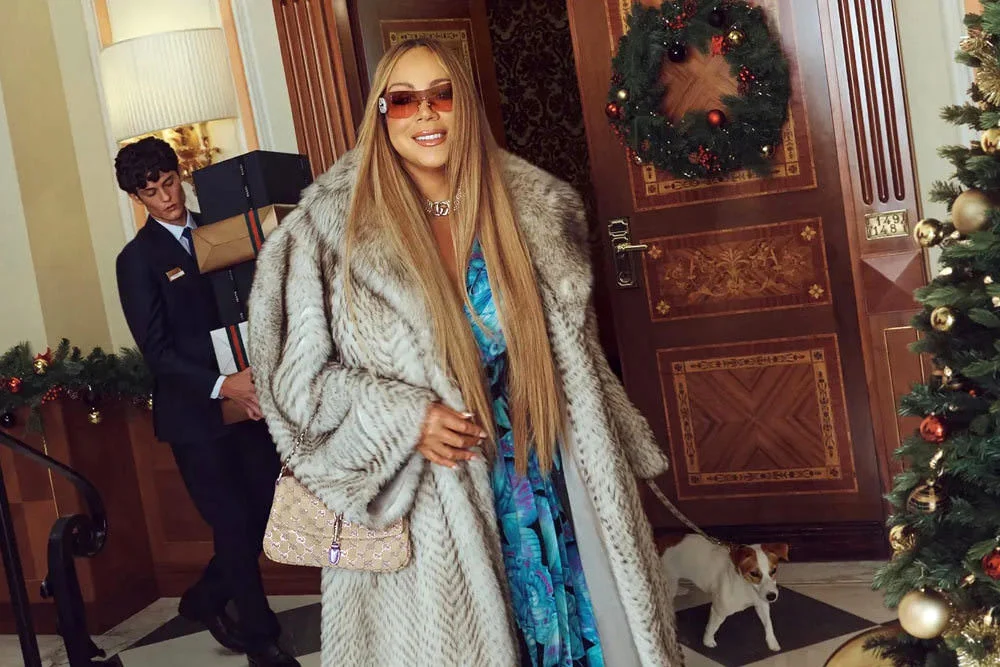
Furthermore, these platforms frequently address the complex issue of visual media utilization. Television critique and fashion commentary inherently rely on visual evidence—promotional stills, red carpet photography, and episodic screenshots—to substantiate critical analysis. Because independent publishers rarely own the copyright to these promotional materials, their legal frameworks typically assert reliance on the doctrine of fair use, explicitly noting that all visual assets remain the property of their respective copyright holders and are utilized strictly for commentary, critique, and educational purposes.
The Legal Framework: Fair Use and Entertainment Commentary
To understand why digital entertainment platforms structure their legal disclaimers in this manner, one must examine the legal bedrock of copyright law, particularly within the United States. Title 17 of the United States Code enshrines the doctrine of fair use, which permits the unlicensed use of copyright-protected works in certain circumstances, such as criticism, comment, news reporting, teaching, scholarship, or research.
Courts evaluate fair use claims on a case-by-case basis, weighing four statutory factors:
- The purpose and character of the use, including whether such use is of a commercial nature or is for nonprofit educational purposes. Transformative uses—those that add something new, with a further purpose or different character, altering the first with new expression, meaning, or message—are heavily favored.
- The nature of the copyrighted work.
- The amount and substantiality of the portion used in relation to the copyrighted work as a whole.
- The effect of the use upon the potential market for or value of the copyrighted work.
For digital commentary sites, establishing that their use of television stills and promotional imagery is transformative is crucial. When a publication deconstructs a character’s costume design, analyzes the narrative arc of a season finale, or critiques directorial choices, the imagery serves as direct evidence supporting an original work of criticism. The commentary does not substitute for the original television show or film; rather, it provides an analytical layer that often drives audience engagement back to the primary content providers.
Despite this legal protection, the line between permissible commentary and copyright infringement remains heavily contested. Media conglomerates invest heavily in protecting their intellectual property portfolios, employing automated digital rights management tools, content ID systems, and legal teams to monitor unauthorized reproductions across the internet. Consequently, independent publishers must maintain meticulous compliance protocols, including prompt takedown mechanisms for copyright holders who object to the display of specific assets.
Chronology of Digital Media Governance and Copyright Evolution
The mechanisms governing online copyright, fair use, and platform liability have evolved significantly over the past three decades, shaped by landmark legislation and shifting digital consumption habits.
-
October 1998: The United States Congress enacts the Digital Millennium Copyright Act (DMCA). The legislation establishes the "notice-and-takedown" framework, providing safe harbor protections for online service providers and website operators who expeditiously remove allegedly infringing material upon receiving proper notification from copyright holders. This framework becomes the procedural backbone for managing user-generated content and digital publishing compliance.
-
Mid-2000s: The rapid proliferation of blogs, independent digital publications, and social media platforms transforms pop culture commentary from print-exclusive journalism into a decentralized, real-time digital ecosystem. Platforms begin adopting formal terms of use, privacy policies, and copyright disclaimers modeled on corporate legal structures to protect against burgeoning liability.
-
2010s: The rise of prestige television—often termed the "Peak TV" era—dramatically increases the volume of serialized drama and complex narrative content across traditional networks and emerging streaming services like Netflix, Amazon Prime, and Hulu. The demand for immediate, episodic critical analysis surges, leading to an explosion of digital recaps, fashion breakdowns, and pop culture commentary sites.
-
Late 2010s to Present: Streaming platforms consolidate market dominance, and copyright enforcement becomes increasingly automated through algorithmic content identification. Concurrently, data privacy regulations (such as the European Union’s General Data Protection Regulation and the California Consumer Privacy Act) compel digital publishers to expand their legal disclosures, incorporating comprehensive cookie policies, data handling transparency, and updated terms and conditions alongside traditional copyright notices.
Industry Data and the Economic Ecosystem of Pop Culture Commentary
The symbiotic relationship between television networks and digital commentary sites is underscored by significant economic and media engagement data. According to industry analyses from organizations such as the Pew Research Center and media measurement firms like Nielsen, online discussion, critical analysis, and social media engagement directly influence viewership retention and subscriber acquisition for streaming services.
Key industry metrics highlight this dynamic:
- Audience Amplification: Studies on digital media consumption indicate that over 65% of dedicated television viewers actively seek out third-party recaps, critical reviews, or fashion breakdowns within 24 hours of a major episode airing.
- Promotional Value: Streaming platforms and cable networks frequently allocate marketing budgets toward seeding promotional stills and press kits precisely to encourage independent digital coverage, recognizing that critical discourse drives cultural relevance and word-of-mouth promotion.
- Legal Compliance Volume: A survey of independent digital publishers reveals that over 80% utilize standardized legal disclaimers and explicit terms of use to mitigate liability, reflecting a high awareness of intellectual property risks in the digital publishing sector.
These data points demonstrate that independent commentary sites operate as an essential component of the broader entertainment economy. They act as interpretive conduits between content creators and the consuming public, generating sustained interest long after initial broadcast windows close.
Official Perspectives and Legal Analysis
Legal scholars and industry representatives maintain nuanced views regarding the boundaries of digital copyright and fair use. Intellectual property attorneys generally advise independent publishers to adopt robust compliance frameworks, emphasizing that disclaimers alone do not provide absolute immunity against copyright infringement claims, but rather establish good-faith intentions and clarify operational parameters.
From the perspective of media conglomerates, the primary concern centers on unauthorized monetization, commercial exploitation, and market substitution. While networks generally welcome critical commentary that drives viewer engagement, they draw a firm legal distinction between transformative critique and unauthorized rebroadcasting or wholesale duplication of proprietary video and audio assets.
Independent media advocates, conversely, argue that overly aggressive enforcement or ambiguous copyright guidelines threaten freedom of expression and the viability of independent cultural criticism. They stress that the legal doctrines supporting fair use must remain robust and adaptable to ensure that small-scale publishers can continue to analyze, critique, and hold powerful media institutions accountable through public discourse.
Broader Implications for the Future of Digital Journalism
As the media landscape continues to evolve with the integration of artificial intelligence, automated content aggregation, and shifting streaming monetization models, the importance of clear legal governance and fair use protections will only intensify.
For digital publishers, maintaining transparent terms of use, precise copyright attributions, and explicit non-affiliation disclaimers is essential for preserving institutional credibility and protecting against legal liabilities. Simultaneously, policymakers, legal scholars, and industry stakeholders must navigate the delicate balance between safeguarding intellectual property rights and fostering an open, vibrant ecosystem of independent cultural commentary.
Ultimately, the disclaimers and legal frameworks maintained by digital platforms are emblematic of a mature digital media environment—one where independent critique coexists with corporate intellectual property ownership through mutual adherence to established legal principles, ensuring that the dialogue surrounding modern entertainment remains dynamic, accountable, and legally sound.