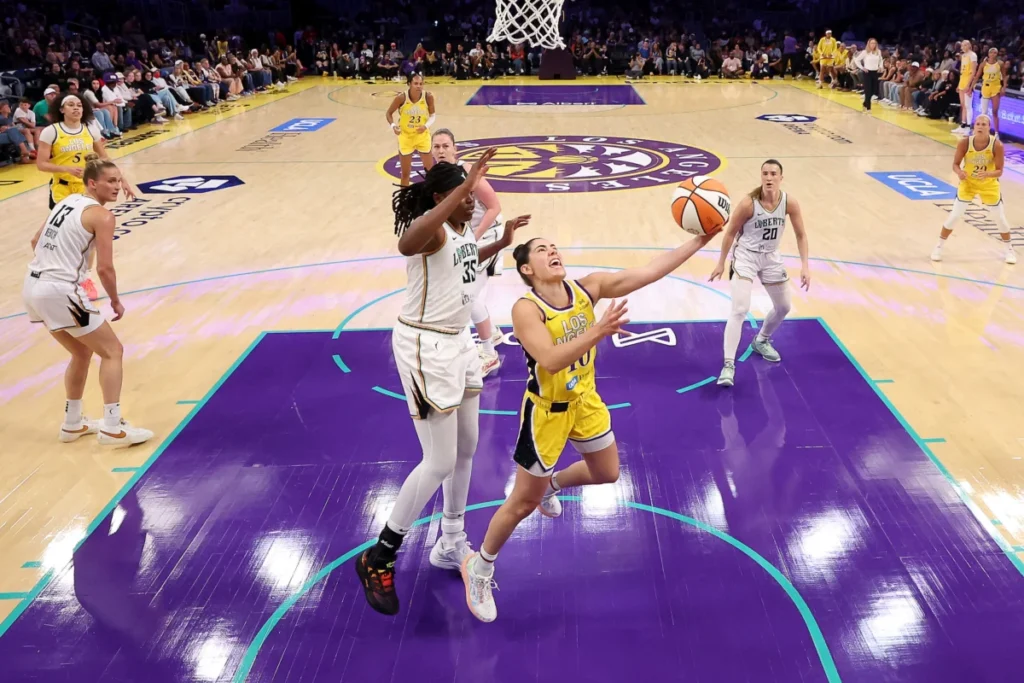

On Sunday, June 21, at 5 p.m. PT/8 p.m. ET, basketball fans are poised for a landmark event as the Los Angeles Sparks host the New York Liberty at the iconic Crypto.com Arena. This highly anticipated matchup is set to commemorate the 30th anniversary of the Women’s National Basketball Association’s (WNBA) inaugural game, a pivotal moment in sports history that launched a professional league dedicated to women’s basketball. The game, broadcast nationally on ESPN, serves not only as a crucial regular-season contest but also as a celebratory cornerstone for the league, marking decades of growth, resilience, and groundbreaking achievements. For those without traditional cable television, streaming services like Sling TV present an accessible and cost-effective pathway to witness this significant athletic and cultural milestone live online.
The significance of this particular game extends far beyond the typical regular-season stakes. It is a moment of reflection on the WNBA’s journey from its inception to its current standing as a global leader in women’s professional sports. The league, which played its first game on June 21, 1997, has navigated challenges and celebrated triumphs, steadily building a dedicated fanbase and inspiring generations of athletes. This anniversary contest between two of its foundational franchises, the Liberty and the Sparks, is a testament to that enduring legacy and a vibrant look towards the future.
The WNBA’s Genesis: A League Forged in Opportunity
The Women’s National Basketball Association was officially formed on April 24, 1996, a direct response to the surge in popularity of women’s basketball, particularly following the triumphant performance of the U.S. Women’s Olympic team at the 1996 Atlanta Games. NBA Commissioner David Stern, recognizing an untapped market and a growing demand, announced the league’s creation with the bold slogan, "We Got Next." The WNBA was unique from its inception, being fully backed by the NBA, a strategic move that provided immediate credibility, infrastructure, and financial stability, distinguishing it from previous attempts at women’s professional basketball leagues.
The inaugural game, which this June 21st matchup commemorates, took place on June 21, 1997, featuring the Houston Comets against the Charlotte Sting. That historic game was played before a packed house and broadcast nationally, signaling the arrival of a new era for women in sports. The league initially launched with eight teams: the Charlotte Sting, Cleveland Rockers, Houston Comets, Los Angeles Sparks, New York Liberty, Phoenix Mercury, Sacramento Monarchs, and Utah Starzz. This early roster included both the New York Liberty and the Los Angeles Sparks, making their current anniversary showdown particularly poignant as a clash between two of the league’s original franchises. The Liberty and Sparks have been stalwarts of the league, contributing significantly to its competitive landscape and fan engagement over the past three decades.
A Timeline of Growth: Key Milestones in WNBA History
Over its 30-year span, the WNBA has experienced remarkable growth and several transformative moments:
- 1996: League officially founded on April 24.
- 1997: Inaugural season commences on June 21, with eight teams. Cynthia Cooper leads the Houston Comets to the first-ever WNBA Championship, establishing an early dynasty.
- 1998-2000: WNBA expands to 16 teams, reaching its largest size. The Comets continue their dominance, winning four consecutive championships.
- 2003: Lisa Leslie of the Los Angeles Sparks becomes the first player to dunk in a WNBA game, a moment that transcends sports and becomes a cultural touchstone.
- 2006: The league signs its first collective bargaining agreement (CBA) with the Women’s National Basketball Players Association (WNBPA), a crucial step in professionalizing player rights and compensation.
- 2007: WNBA celebrates its 10th anniversary, marking a decade of successful operation and growing visibility.
- 2008: The WNBA features its first-ever primetime regular-season game on ABC, further elevating its national profile.
- 2014: The Seattle Storm’s Sue Bird becomes the league’s all-time assist leader, showcasing the longevity and skill of its athletes.
- 2018: The league introduces new initiatives to boost fan engagement and player visibility, including a focus on digital content and social media.
- 2020: The WNBA successfully navigates the challenges of the COVID-19 pandemic, completing a full season in a "bubble" environment, demonstrating resilience and commitment. A groundbreaking new CBA is ratified, significantly increasing player salaries, benefits, and travel standards, signaling a major investment in its athletes.
- 2022: The league implements a new playoff format and continues to see record viewership for its championship series.
- 2023: Caitlin Clark’s collegiate success and subsequent entry into the WNBA ignite unprecedented interest, leading to massive spikes in viewership, attendance, and merchandise sales, particularly for the Indiana Fever. This phenomenon further accelerates the league’s mainstream appeal and commercial viability.
- 2024: The league continues to ride the wave of increased popularity, with discussions around further expansion and substantial increases in media rights deals. The June 21st game serves as a focal point for celebrating 30 years since the inaugural game (though officially 27 years since the first season, the commemoration of "30th anniversary" as stated in the source article underscores its historical significance within the broader timeline of women’s basketball development).
Supporting Data: A League on the Rise
The WNBA’s growth trajectory is underscored by compelling data points that reflect its increasing popularity and commercial success. Viewership figures have seen significant upticks, particularly in recent years. For instance, the 2023 WNBA Finals averaged 728,000 viewers, marking a 36% increase over the 2022 Finals and the most-watched WNBA Finals in two decades. Regular-season games on ESPN platforms also saw substantial gains, with an average of 505,000 viewers, up 21% from the previous season. The influx of new talent, coupled with compelling storylines and increased media coverage, has contributed to this surge.
Attendance figures have mirrored this positive trend. Many franchises are reporting sold-out games and increased season ticket sales. Merchandise sales have also shattered previous records, with player jerseys and team apparel flying off shelves, indicating a strong connection between fans and the league’s stars. Social media engagement continues to climb, with the WNBA boasting millions of followers across various platforms, generating viral moments and extending the league’s reach globally.
Financially, the league has made significant strides. The landmark 2020 Collective Bargaining Agreement dramatically improved player compensation, setting a precedent for professional women athletes. Average cash compensation for players increased significantly, and the agreement included maternity leave benefits, enhanced travel, and mental health resources. These improvements not only attract top talent but also underscore the league’s commitment to supporting its athletes holistically. Discussions around future media rights deals are ongoing, with projections indicating a substantial increase in value, further solidifying the WNBA’s financial foundation and potential for future expansion.
The Contenders: New York Liberty vs. Los Angeles Sparks
This anniversary matchup pits two of the WNBA’s original and most storied franchises against each other: the New York Liberty and the Los Angeles Sparks. Both teams have contributed immensely to the league’s narrative, featuring iconic players and memorable rivalries.
The New York Liberty, based in one of the world’s largest media markets, have been a perennial contender. They reached the inaugural WNBA Finals in 1997 and have made multiple trips to the championship series, though a title has famously eluded them. Known for their passionate fan base and historic home at Madison Square Garden (and now the Barclays Center), the Liberty have been home to legends like Rebecca Lobo, Teresa Weatherspoon, and Sue Wicks. In recent years, they have assembled a formidable roster, often featuring MVP-caliber talent and making them a consistent force in the Eastern Conference. Their style of play often combines strategic defense with dynamic offensive firepower, making them a thrilling team to watch.
The Los Angeles Sparks have enjoyed a richer championship history, securing three WNBA titles (2001, 2002, 2016). Led by towering figures such as Lisa Leslie, Candace Parker, and Nneka Ogwumike, the Sparks have consistently been one of the league’s most successful franchises. Their West Coast flair and star power have made them a fan favorite, drawing crowds to the Crypto.com Arena (formerly STAPLES Center). The Sparks embody a blend of athleticism, skill, and championship pedigree, often playing an up-tempo, aggressive style of basketball that mirrors the energy of Los Angeles.
The rivalry between the Liberty and Sparks is steeped in history, representing the East vs. West dynamic of the league’s early days and continuing to be a marquee matchup whenever they face off. This particular game, set against the backdrop of the WNBA’s anniversary, adds another layer of intrigue to their already competitive encounters.
ESPN’s "Women’s Sports Sundays" and Media Commitment
The broadcasting of this pivotal game on ESPN is part of a larger initiative by the network: "Women’s Sports Sundays." This nine-week, summer-long primetime franchise is a dedicated effort by ESPN to amplify the visibility of women’s sports, specifically highlighting the WNBA and the National Women’s Soccer League (NWSL). The program underscores a significant shift in sports media, recognizing the growing audience and commercial value of women’s athletic competitions.
ESPN’s commitment to "Women’s Sports Sundays" is not merely about airing games; it’s about investing in storytelling, promoting athletes, and building narratives that resonate with a broader audience. By dedicating a prime-time slot, ESPN signals that women’s sports are not just niche programming but mainstream entertainment deserving of significant airtime and production quality. This initiative plays a critical role in increasing exposure, attracting new fans, and inspiring future generations of female athletes. It also sends a clear message to advertisers and sponsors about the increasing value of associating with women’s sports properties.
Navigating the Digital Landscape: How to Watch Without Cable
For the legions of cord-cutters eager to tune into this historic WNBA game, streaming services offer convenient and affordable alternatives to traditional cable subscriptions. Among these, Sling TV stands out as a particularly wallet-friendly option, providing live access to ESPN without the long-term commitments or higher costs associated with conventional cable packages.
Sling TV operates on a flexible, à la carte model, allowing subscribers to choose between different base plans or combine them for a more comprehensive channel lineup. To watch the New York Liberty vs. Los Angeles Sparks game on ESPN, the Sling Orange plan is the essential choice. Priced at $45.99 per month, Sling Orange is specifically curated for sports enthusiasts and families, offering a core selection of over 30 live channels. Key among these for sports fans is ESPN, along with ESPN2 and ESPN3, ensuring comprehensive coverage of various sporting events. Other channels in the Orange package typically include CNN, Disney Channel, and Freeform, providing a mix of news and entertainment.
For those who may only be interested in watching a single game or for a very short period, Sling TV also offers a highly flexible Sling 1 Day Pass for just $4.99. This option is ideal for viewers who want to catch specific events without committing to a full monthly subscription, offering unparalleled flexibility for intermittent sports viewing.
However, for the best value and a broader entertainment spectrum, the Sling Orange & Blue plan is often recommended. Starting at $60.99 per month, this popular bundle combines the offerings of both the Sling Orange and Sling Blue packages. This means subscribers gain access to over 50 channels, encompassing all the sports-focused channels from Orange (including ESPN, ESPN2, ESPN3) alongside news and entertainment channels from Blue, such as Fox, NBC (in select markets), NFL Network, and various lifestyle channels. The Orange & Blue plan caters to households with diverse viewing preferences, ensuring there’s something for everyone, from hardcore sports fans to those seeking a wider range of general entertainment.
It is important for prospective subscribers to note that pricing and specific channel availability on Sling TV can vary depending on their local TV market. Sling TV’s website provides a tool to check local channel availability, ensuring viewers can confirm access to their desired networks, including regional sports networks if applicable, before committing to a plan. The platform also offers cloud DVR functionality, allowing users to record live TV and watch their favorite games or shows at their convenience. With its competitive pricing and robust channel offerings, Sling TV presents a compelling solution for cord-cutters looking to stay connected to live sports action, particularly for landmark events like the WNBA’s 30th-anniversary game.
Broader Impact and Implications for Women’s Sports
The WNBA’s 30th anniversary game is more than just a contest; it’s a powerful symbol of the progress and future potential of women’s sports. The increasing investment from media partners like ESPN, the rising viewership, and the improved player conditions reflect a broader cultural shift. Society is increasingly recognizing the value, athleticism, and entertainment quality of women’s professional leagues.
This trajectory has significant implications. It inspires young girls to pursue their athletic dreams with the knowledge that viable professional pathways exist. It creates economic opportunities for athletes, coaches, and support staff. Moreover, the WNBA has consistently been a leader in social advocacy, with its players often using their platforms to champion causes related to social justice, equality, and community empowerment. This dual role as a sports league and a progressive social force amplifies its impact beyond the basketball court.
As the WNBA continues to grow, discussions about league expansion, even more lucrative media deals, and increased global reach are becoming more concrete. The league’s success serves as a blueprint for other women’s sports organizations, demonstrating that with strategic investment, robust marketing, and a commitment to its athletes, sustained growth and mainstream appeal are not just possible, but inevitable. The June 21st game between the Liberty and Sparks, therefore, is not merely a nostalgic look back at 30 years; it is a vibrant affirmation of the WNBA’s present strength and a thrilling preview of its bright future, solidifying its place as a cornerstone of the global sports landscape.