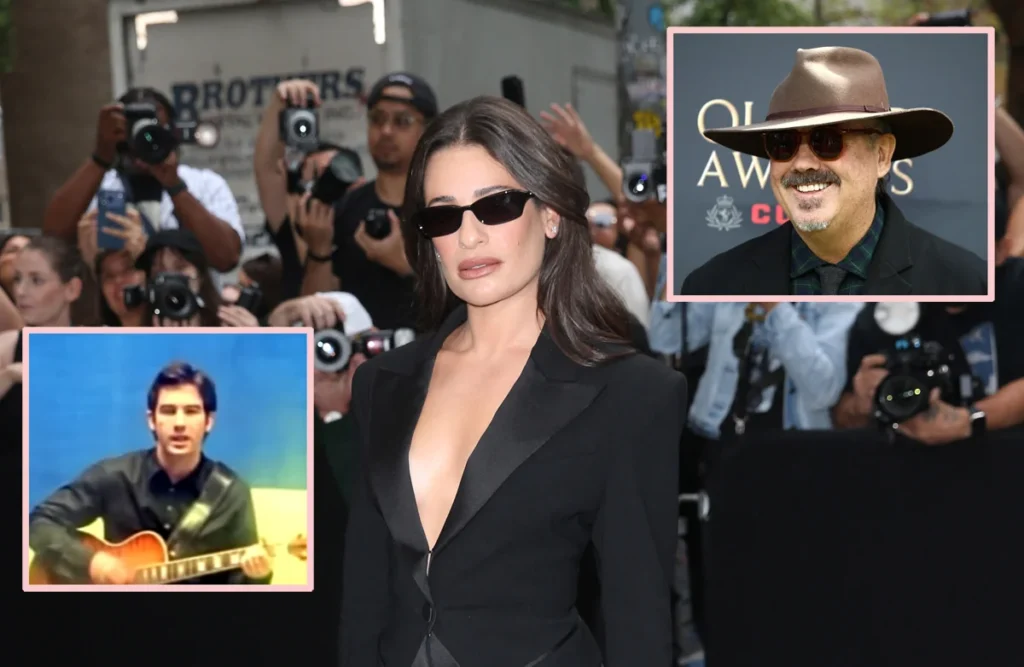

The theater and music communities are mourning the loss of Duncan Sheik, the Grammy and Tony Award-winning composer and singer-songwriter who died at the age of 56 due to organ failure. His passing was confirmed on Friday, September 18, 2026, by representatives, who noted that he was surrounded by loved ones at the time of his death. Sheik, a multifaceted artist whose career spanned decades of alternative pop success and Broadway innovation, leaves behind a legacy that fundamentally altered the trajectory of modern musical theater.
A Career Defined by Artistic Versatility
Duncan Sheik first entered the national consciousness in 1996 with his eponymous debut album, which featured the inescapable radio hit "Barely Breathing." The song spent 55 weeks on the Billboard Hot 100, peaking at number 16 and cementing Sheik’s reputation as a master of introspective, melodic alternative rock. While he remained a respected figure in the music industry for his subsequent albums, his career took a historic turn in the mid-2000s when he pivoted to the theater.
In 2006, Sheik collaborated with playwright Steven Sater on the musical adaptation of Frank Wedekind’s 1891 play, Spring Awakening. The production, which explored the turbulent intersection of adolescence, sexuality, and societal repression, became a cultural phenomenon. It famously launched the careers of Lea Michele, Jonathan Groff, and Skylar Astin, among others. The musical earned eight Tony Awards in 2007, including Best Musical, and secured a Grammy Award for Best Musical Show Album, marking a rare crossover success for a composer rooted in the alternative music scene.
Remembering a Mentor and Collaborator
The impact of Sheik’s passing has been felt deeply by the cast of Spring Awakening, many of whom were teenagers when they first encountered his work. Lea Michele, who originated the role of Wendla Bergmann, shared a poignant reflection on Instagram, recalling her first audition for the show at age 14.
"I listened to a demo on tape of him singing songs from Spring Awakening outside of my middle school before my first audition," Michele wrote. "I’m at a loss for words. This one hurts and does not seem real." Her tribute highlighted the intimacy of the creative process in the early days of the show’s development, noting that Sheik’s influence went far beyond the music itself.
Skylar Astin, who played Georg Zither in the original Broadway production, echoed these sentiments, emphasizing Sheik’s humility and personal mentorship. "The memories I’ll cherish most are the ones in your Tribeca apartment," Astin noted. "You treating me like an equal when I was just a kid. The way you would pop out a new song in an instant… You were who we aspired to be."
Official Statements and Family Confirmation
The official statement released by Sheik’s representatives acknowledged the broad reach of his artistry. "The world has lost a singular talent and a deeply influential voice in music and theater," the statement read. "Duncan was a father, husband, son, brother, and friend. He will be remembered for his sensitivity, wit, intelligence, and the depth of spirit he brought to those who knew and loved him."
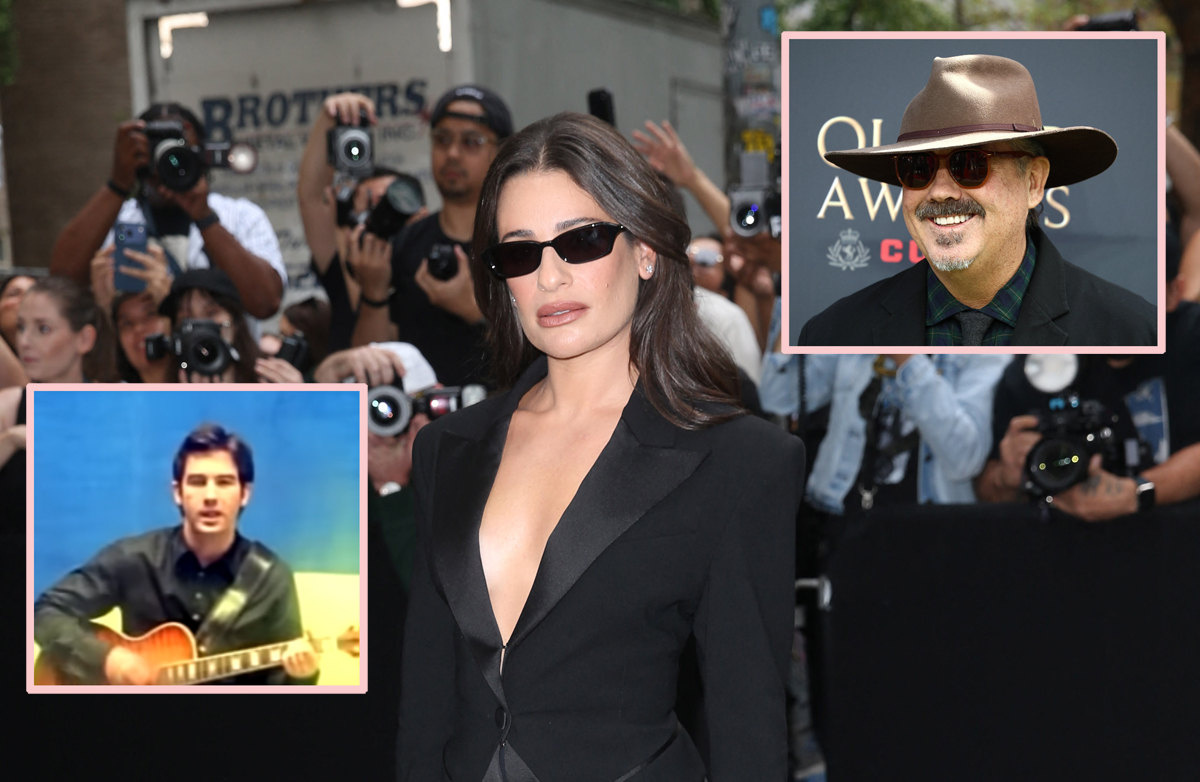
His family has requested privacy during this time, though his mother provided clarity on the medical circumstances of his passing, confirming that he succumbed to organ failure. The outpouring of grief from fans and industry peers underscores the degree to which Sheik’s work acted as a bridge between indie-rock sensibilities and the formal structures of musical theater.
Chronology of a Storied Life
Duncan Sheik’s life was marked by a relentless pursuit of artistic authenticity:
- 1969: Born in Montclair, New Jersey, and later raised in Hilton Head, South Carolina.
- 1996: Achieved mainstream breakthrough with his self-titled album and the hit single "Barely Breathing."
- 2006: Spring Awakening makes its Off-Broadway debut at the Atlantic Theater Company.
- 2007: Spring Awakening moves to Broadway, winning eight Tony Awards and launching the careers of a new generation of stars.
- 2008: Sheik receives a Grammy Award for his work on the Spring Awakening cast recording.
- 2015: His musical American Psycho, based on the Bret Easton Ellis novel, premieres, further establishing his reputation for tackling dark, complex subject matter.
- 2026: Passes away at age 56, leaving behind a profound legacy in both the music and theater industries.
The Lasting Impact on Musical Theater
Before Spring Awakening, Broadway music was largely dominated by traditional orchestral arrangements or pop-revue style compositions. Sheik’s infusion of modern rock, folk, and electronic sensibilities into the musical theater format proved that Broadway could be both commercially viable and stylistically experimental. His work challenged the "musical theater sound" and opened doors for subsequent composers to integrate diverse genres into their storytelling.
Beyond his hit musicals, Sheik was known for his rigorous work ethic and his ability to nurture young talent. By treating the young cast members of his shows as professional equals, he fostered an environment of creative freedom that allowed them to deliver the raw, vulnerable performances that defined the success of Spring Awakening. This collaborative spirit is perhaps his most enduring legacy, as the artists he mentored continue to carry his influence into their own professional lives.
Analysis: A Cultural Landscape Diminished
The death of Duncan Sheik at 56 is considered by many in the industry to be premature, occurring at a time when he was still actively creating and influencing the next generation of composers. His work was characterized by a specific blend of melancholy and hope—a hallmark of the "Spring Awakening" sound—that resonated with audiences who were tired of the saccharine nature of typical stage productions.
His influence on the "Glee" generation, in particular, cannot be overstated. By providing the source material that defined the early professional trajectories of actors like Lea Michele and Jonathan Groff, Sheik effectively helped shape the musical landscape of the late 2000s television and theater landscape. His ability to distill the complexities of the human condition into three-minute songs or two-hour stage plays made him a rare figure—a songwriter who could bridge the gap between a stadium concert and a Broadway stage.
As the industry reflects on his contributions, it is clear that Sheik’s music will continue to be a standard for future theater students and performers. His, however, was a unique voice—one that balanced the angst of youth with the wisdom of a seasoned composer. The outpouring of tributes from the artistic community serves as a testament to the fact that while he may be gone, the "Spring Awakening" era he helped pioneer remains a vital, living part of modern culture.
The theater community plans to honor his memory with a series of upcoming tributes, though no formal memorial plans have been announced at this time. For now, the focus remains on the family he leaves behind and the enduring, profound catalog of music that will ensure his name remains synonymous with innovation in the performing arts.