

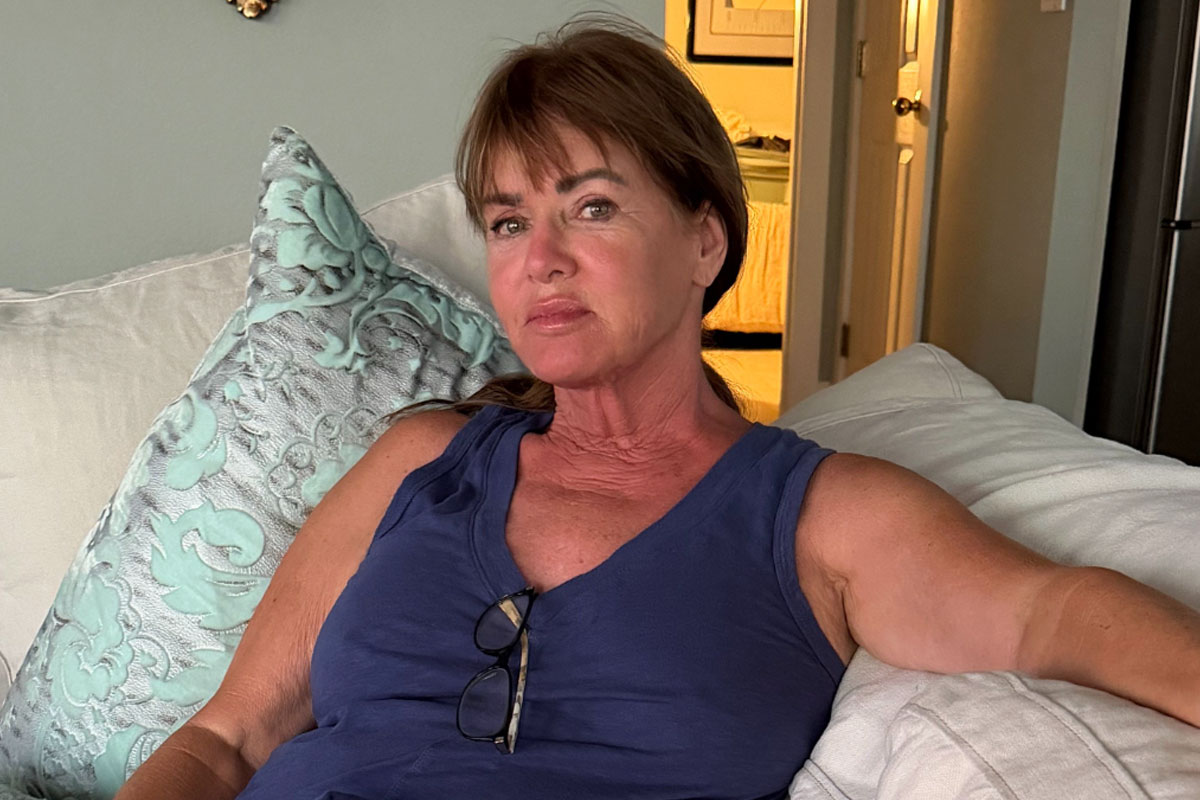
Jeana Keough, an iconic figure from the inaugural cast of Bravo’s The Real Housewives of Orange County, is currently engaged in a severe health battle, having been diagnosed with squamous cell carcinoma of the tongue. The revelation, made public on Sunday, July 19, 2026, by her daughter, Kara Bosworth, through a candid GoFundMe campaign, has sent ripples of concern through her widespread fanbase and the broader reality television community. At 70 years old, Keough’s journey through this aggressive cancer highlights the profound personal and financial challenges that accompany such diagnoses, even for public figures.
The Initial Alarm and Subsequent Diagnosis
The concerning health saga for Jeana Keough began subtly, as many serious illnesses often do. According to Kara Bosworth’s detailed account on the GoFundMe page, the first sign emerged "a few months ago" when Keough was visiting her daughter, Kara, and son-in-law Shane in Florida. During this visit, Keough mentioned a persistent, painful spot on her tongue. Initially, both mother and daughter attributed the discomfort to a dental issue, speculating that a sharp or ill-fitting tooth might be rubbing against the tongue’s surface. This led Keough to visit her dentist multiple times, seeking to have the offending tooth filed down in hopes of alleviating the irritation.
However, as time progressed, the symptom stubbornly persisted. Kara’s inquiry into the duration of the sore prompted a moment of stark realization for Jeana: the painful spot had been present for nearly a year. This prolonged presence, far beyond what would be expected from a minor dental abrasion, signaled a more serious underlying issue. This critical observation led to further medical investigation, culminating in a biopsy of the affected area. The results confirmed their deepest fears: a diagnosis of squamous cell carcinoma of the tongue, a type of cancer that originates in the thin, flat cells lining the tongue’s surface. This diagnosis marked the abrupt transition from a persistent annoyance to a full-blown life-threatening challenge.
Escalation to a Full Cancer Battle: Treatment and Deterioration
Following the diagnosis, Keough swiftly underwent her first surgical procedure, intended to excise the cancerous growth from her tongue. The family, naturally optimistic, harbored the hope that this initial intervention would be sufficient, marking the hardest part of the ordeal as behind them. Unfortunately, this optimism was short-lived. Medical professionals, in their thoroughness, recommended a second surgery to remove lymph nodes, a standard precautionary measure to check for potential cancer spread, particularly in cases of squamous cell carcinoma which has a propensity to metastasize to regional lymphatics.
It was during this second surgical procedure that the grim reality of the cancer’s aggression became fully apparent. Doctors discovered that the cancer had, in fact, spread beyond the primary tumor site, infiltrating the lymph nodes. This development transformed what was initially hoped to be a localized, one-time surgical intervention into a comprehensive and arduous "full cancer battle."
Currently, Jeana Keough is in her fifth grueling week of an intensive, multi-modal treatment regimen comprising chemotherapy, radiation therapy, and immunotherapy. These treatments, while vital for combating the cancer, are notoriously harsh and debilitating. Kara’s update paints a stark picture of her mother’s deteriorating condition: "The treatments are relentless. She is exhausted, struggling to stay awake, and becoming malnourished because the pain in her tongue and throat makes swallowing even the smallest bites or sips incredibly difficult. Every day is a battle just to get enough nutrition and hydration to continue treatment." This vivid description underscores the profound physical toll that advanced cancer therapies exert on patients, highlighting the constant struggle for basic sustenance and energy required to merely endure the ongoing treatment protocols.
Understanding Squamous Cell Carcinoma of the Tongue
To fully appreciate the gravity of Jeana Keough’s diagnosis, it is essential to understand squamous cell carcinoma of the tongue. This specific form of cancer falls under the broader category of oral cancers, which affect millions globally each year.
What is Oral/Tongue Cancer?
Oral cancer refers to cancer that develops in any part of the oral cavity, including the lips, tongue, gums, floor of the mouth, inner lining of the cheeks, and the hard or soft palate. Squamous cell carcinoma is the most common type of oral cancer, accounting for over 90% of all cases. It originates in the squamous cells, which are flat, thin cells that form the lining of the mouth and throat. Tongue cancer, specifically, can affect either the anterior two-thirds of the tongue (oral tongue) or the base of the tongue (oropharyngeal tongue). Jeana’s symptoms suggest involvement of the oral tongue.
Risk Factors and Symptoms
Several factors increase the risk of developing squamous cell carcinoma of the tongue. The most significant are tobacco use (smoking and smokeless tobacco) and heavy alcohol consumption. Other risk factors include human papillomavirus (HPV) infection, prolonged sun exposure (for lip cancer), a diet low in fruits and vegetables, and a weakened immune system. Age is also a factor, with most diagnoses occurring in individuals over 40, and the incidence increasing with age, making Keough’s age of 70 consistent with this trend.
The symptoms of tongue cancer often include:
- A persistent sore, lump, or ulcer on the tongue that does not heal (as experienced by Jeough for nearly a year).
- Pain or discomfort in the tongue.
- Difficulty or pain when swallowing (dysphagia).
- Numbness in the mouth or tongue.
- Persistent sore throat.
- Voice changes.
- Unexplained weight loss.
- Bleeding from the tongue.
The critical lesson from Jeana’s experience is the importance of not dismissing persistent oral sores. While a tooth rubbing against the tongue can cause irritation, a sore that lingers for weeks or months, especially if accompanied by pain or other symptoms, warrants immediate medical evaluation by a specialist. Early detection significantly improves prognosis and treatment outcomes.
Diagnosis and Staging
Diagnosis typically involves a thorough clinical examination, followed by a biopsy of the suspicious lesion. If cancer is confirmed, further imaging tests such as CT scans, MRI, or PET scans are performed to determine the extent of the cancer (staging) and whether it has spread to other parts of the body.
The staging of cancer is crucial for guiding treatment decisions and predicting prognosis. It often involves assessing:
- T (Tumor): The size and extent of the primary tumor.
- N (Nodes): Whether the cancer has spread to nearby lymph nodes. The discovery of cancer in Jeana’s lymph nodes indicates a more advanced stage, as nodal involvement is a significant prognostic factor.
- M (Metastasis): Whether the cancer has spread to distant parts of the body.
Treatment Approaches
Treatment for squamous cell carcinoma of the tongue is multi-faceted and depends heavily on the stage of the cancer, its location, and the patient’s overall health. Common modalities include:
- Surgery: The primary treatment for early-stage tongue cancer, involving the surgical removal of the tumor and a margin of healthy tissue. For more advanced cases, surgery may also include a neck dissection to remove affected lymph nodes, as was the case with Jeana.
- Radiation Therapy: Uses high-energy rays to kill cancer cells. It can be used alone for early-stage cancers, after surgery to eliminate any remaining cancer cells (adjuvant therapy), or in combination with chemotherapy for more advanced disease. Given Jeana’s current regimen, it’s being used aggressively.
- Chemotherapy: Uses drugs to kill cancer cells throughout the body. It is often used in combination with radiation (chemoradiation) for locally advanced cancers, or to treat metastatic disease.
- Immunotherapy: A newer class of drugs that boost the body’s natural defenses to fight cancer. It works by targeting specific proteins on cancer cells or immune cells, allowing the immune system to recognize and attack the cancer more effectively. Its inclusion in Keough’s treatment signifies the aggressive nature of her cancer and the comprehensive approach being taken.
The combination of chemotherapy, radiation, and immunotherapy, as Jeana is undergoing, represents an aggressive strategy for locally advanced or recurrent squamous cell carcinoma, aiming to maximize cancer cell destruction while presenting significant challenges to the patient’s body.
The Financial Strain and Community Support
Beyond the immense physical and emotional toll, a cancer diagnosis brings with it a staggering financial burden. For Jeana Keough, this challenge is particularly acute due to her professional circumstances. Kara Bosworth explained that her mother is "unable to work" because of her condition and the demanding treatment schedule. As Keough’s job is "commission-based," her inability to actively work has resulted in a complete loss of income. This loss, as Kara articulated, has "created an enormous financial burden at the very time she needs to focus all of her energy on healing."
The cost of cancer treatment in the United States is notoriously high, encompassing not only direct medical expenses like surgeries, chemotherapy drugs, radiation sessions, and hospital stays, but also a myriad of indirect costs. These can include lost wages for the patient and caregivers, travel expenses to and from treatment centers, specialized nutritional supplements, pain management medications, and potential home care or modifications. Even with robust health insurance, out-of-pocket expenses, deductibles, and co-pays can quickly accumulate into overwhelming figures, pushing families into financial distress.
Recognizing the dire financial need and the critical importance of allowing her mother to focus solely on recovery, Kara Bosworth launched the GoFundMe campaign. Her heartfelt plea resonates with the experiences of countless families facing similar circumstances: "Any funds raised will go directly toward expenses, everyday living costs, nutrition, and the additional support she needs while undergoing treatment. Most of all, your generosity will remind her that she is not fighting this battle alone." The campaign’s initial goal was set at $22,000, reflecting an immediate need for essential support. As of the time of this report, the GoFundMe has garnered significant traction, with more than $12,000 already raised, demonstrating the profound impact Jeana Keough has had on her audience and the community’s willingness to rally in support. This collective outpouring of financial and emotional aid underscores the power of community in mitigating the crushing weight of a cancer diagnosis.
Jeana Keough’s Legacy and Public Persona
Jeana Keough rose to national prominence as an original cast member of The Real Housewives of Orange County when it first premiered in 2006. As one of the pioneering figures of the wildly successful "Real Housewives" franchise, she offered viewers a glimpse into the opulent yet often tumultuous lives of women in Southern California’s exclusive enclaves. Her storyline often revolved around her family dynamics, particularly her relationship with her ex-husband, former MLB player Matt Keough, and their children, including Kara. Jeana’s candidness, resilience, and approachable demeanor endeared her to a broad audience, establishing her as a fan favorite.
After her full-time departure from the show, Keough transitioned her focus back to her successful career in real estate, a profession she maintained before and during her reality TV tenure. She has remained a recognizable figure, occasionally making guest appearances on RHOC and staying connected with her former castmates and fans through social media. Her public life has always been intertwined with her family, and Kara Bosworth, in particular, has often shared glimpses of their close bond. Kara herself has faced significant personal tragedies, including the loss of her infant son, McCoy, in 2020, and the passing of her ex-husband, Kyle Bosworth, in 2023. Her strength and public advocacy for her mother now add another chapter to her family’s narrative of resilience in the face of adversity. The public’s immediate response to the GoFundMe is a testament to the lasting connection Keough forged with viewers, who now stand ready to support her in her greatest time of need.
Broader Implications: Raising Awareness and Encouraging Early Detection
Jeana Keough’s public battle with tongue cancer serves as a poignant reminder of the pervasive nature of cancer and the critical importance of early detection. When a public figure, especially one as recognizable as an RHOC alum, shares their health struggles, it inevitably elevates public awareness surrounding the specific disease. Her experience underscores several key public health messages:
- Do Not Ignore Persistent Symptoms: The fact that Keough’s painful tongue sore persisted for nearly a year, initially misattributed to a minor dental issue, highlights the danger of self-diagnosis and the need to seek professional medical advice for any unexplained or persistent physical changes. Early detection of oral cancers dramatically improves treatment outcomes and survival rates.
- Regular Dental Check-ups are Crucial: Dentists are often the first line of defense in detecting oral cancers during routine examinations. They are trained to identify suspicious lesions or changes in the mouth that might otherwise go unnoticed.
- Understanding Risk Factors: Awareness of risk factors like tobacco and alcohol use, as well as the rising incidence of HPV-related oral cancers, can empower individuals to make informed lifestyle choices and engage in preventive health measures.
The outpouring of support from fans, former cast members, and the wider community not only provides tangible assistance to Jeana but also fosters a collective sense of empathy and solidarity. It reminds individuals facing similar health challenges that they are not alone and that resources, both medical and communal, are available. The Keough family’s openness about this difficult journey can inspire others to be proactive about their health and to seek help when needed.
Conclusion
Jeana Keough’s courageous fight against advanced squamous cell carcinoma of the tongue is a deeply personal struggle that has resonated widely. Her daughter Kara Bosworth’s transparent account of the diagnosis, the escalating treatment, and the severe physical and financial toll provides a stark look into the realities of a cancer journey. As Jeana navigates the relentless regimen of chemotherapy, radiation, and immunotherapy, her family, friends, and legions of fans are rallying around her, offering prayers, encouragement, and financial support through the GoFundMe campaign. This challenging period underscores not only the formidable nature of cancer but also the enduring power of community and the vital importance of vigilance in health. The entire community extends its deepest well wishes and unwavering support to Jeana Keough as she bravely confronts this profound health crisis.