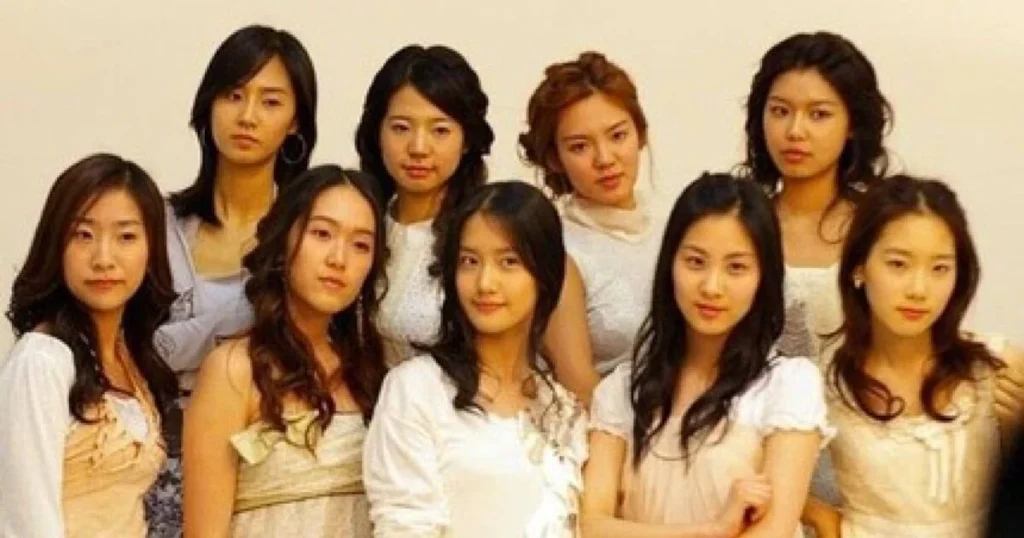

The trajectory of a career in the South Korean entertainment industry is often characterized by extreme highs and devastating lows, a reality poignantly illustrated by the recent revelations of veteran performer Heo Chanmi. During a recent broadcast of the TV Chosun program Dad and I, the singer, who has spent nearly two decades navigating the complexities of the K-pop and trot industries, shared the profound emotional and psychological toll of her journey. From being a member of the original debut lineup for the legendary group Girls’ Generation to her recent resurgence as the runner-up of the hit competition show Miss Trot 4, Heo’s story serves as a testament to personal resilience in the face of systemic industry challenges and intense public scrutiny.
The Evolution of the Trot Phoenix
Heo Chanmi, now a 17-year veteran of the entertainment scene, has earned the moniker "resilient trot phoenix" among fans and industry insiders. This title is not merely a stylistic label but a reflection of her repeated attempts to find a permanent foothold in the music industry. Her recent appearance on Dad and I provided a rare glimpse into her private life in Namyangju City, where she resides with her family. The program highlighted the stark contrast between her polished stage persona and her domestic reality, featuring her father personally waking her up and the singer revealing her bare face to the cameras—a move that garnered praise from viewers for her youthful and "baby-like" appearance.
Despite her current success in the trot genre, Heo’s path was marked by significant setbacks. Six years ago, she first challenged herself in the trot sphere by participating in Miss Trot 2. While she demonstrated undeniable vocal talent, she faced harsh criticism regarding her song choices and technical execution. These factors contributed to a disappointing finish, as she failed to secure a spot in the Top 7. Rather than retreating, Heo spent the intervening years fundamentally restructuring her vocal technique. This dedication culminated in her participation in Miss Trot 4 last year, where she shocked judges and audiences alike with a completely transformed singing style, ultimately securing the runner-up position and cementing her status as a top-tier trot artist.
The Weight of the SM Entertainment Legacy
To understand the depth of Heo Chanmi’s struggles, one must look back to 2004, when she joined SM Entertainment as a trainee at the age of 14. For six years, she was immersed in one of the most rigorous idol training systems in the world. Heo was famously part of the pre-debut lineup for Girls’ Generation (SNSD), a group that would go on to become the "Nation’s Girl Group" and a global phenomenon.
The psychological impact of being excluded from the final debut lineup after years of intensive preparation is a recurring theme in the narratives of former trainees. For Heo, the experience was particularly grueling as she witnessed her peers achieve unprecedented success while she remained in a state of professional limbo. Her father, reflecting on that period during the broadcast, noted that his primary hope was simply for his daughter to succeed and begin her career as a singer quickly, given the long duration of her adolescence spent in practice rooms.
A Turbulent Decade: From Coed School to Survival Shows
Heo’s eventual debut in 2010 with the 10-member mixed-gender group Coed School, under Core Contents Media (now MBK Entertainment), was intended to be her big break. However, the group’s activities were suspended just two months after their debut due to internal controversies and poor management. Following the dissolution of Coed School’s activities, she was re-debuted in 2011 as a member of the girl group F-ve Dolls.
The instability of her career continued when she was effectively demoted back to trainee status after only a year with F-ve Dolls. Heo recalled the CEO at the time telling her she needed "more practice," a directive that she found demoralizing after years of professional activity. This period marked the beginning of a cycle of "survival show" participation that would define her 20s. She appeared on Mnet’s Produce 101 in 2016 and later on JTBC’s MixNine, where she was frequently portrayed through "evil editing" that emphasized her veteran status and mistakes, leading to significant online backlash.
The Mental Health Crisis and Malicious Comments
The most harrowing revelation of the Dad and I broadcast concerned the impact of public perception on Heo’s mental health. Her parents disclosed that there was a period when Heo was so deeply affected by malicious comments and the repeated failure of her professional ventures that she contemplated ending her life.
"My parents really struggled beside me," Heo said through tears during the episode. Her father revealed that the family was "deeply shaken" by her hardships. At one point, seeing the immense pain their daughter was in, they encouraged her to quit the industry entirely. However, Heo’s resolve remained tied to her family’s well-being. According to her father, she insisted on continuing, stating, "I must succeed for mom and dad." This familial bond acted as both a pressure point and a source of ultimate strength, allowing her to persevere through years of professional instability and personal despair.
Analysis: The Resilience of the "Eternal Trainee"
Heo Chanmi’s narrative is emblematic of a broader phenomenon in the K-pop industry: the "eternal trainee" or the "re-debut idol." As the industry becomes increasingly saturated, many talented performers find themselves caught in a cycle of short-lived groups and survival competitions.
The transition from K-pop idol to trot singer is a strategic move that has become increasingly popular in South Korea. Trot, a genre traditionally associated with older generations, has seen a massive resurgence among younger demographics thanks to the Miss Trot and Mr. Trot franchises. For artists like Heo, trot offers a career longevity that the youth-centric idol industry cannot provide. Her success in Miss Trot 4 signifies a successful "rebranding" that leverages her years of performance experience while moving away from the precarious nature of idol groups.

The psychological toll described by Heo also highlights the urgent need for better mental health support systems within entertainment agencies. The "survival" format of many modern music programs often prioritizes dramatic narratives over the well-being of the contestants, frequently subjecting them to intense cyberbullying. Heo’s ability to survive this environment and emerge as a runner-up in a major competition is viewed by many as a significant achievement in emotional endurance.
Chronology of Heo Chanmi’s Career Path
To understand the timeline of her "resilient" journey, one can look at the following key milestones:
- 2004–2009: Trainee at SM Entertainment; part of the original debut lineup for Girls’ Generation.
- 2010: Debuts with Coed School under Core Contents Media.
- 2011: Debuts with F-ve Dolls; group experiences frequent lineup changes and management issues.
- 2012–2013: Departs from F-ve Dolls and Core Contents Media; returns to trainee status.
- 2016: Competes in Produce 101 Season 1; reaches the top 35 but faces significant online criticism.
- 2017: Competes in MixNine; continues to build a reputation for perseverance despite not making the final group.
- 2020: Participates in Miss Trot 2; fails to reach the final rounds, leading to a period of vocal retraining.
- 2025: Competes in Miss Trot 4; showcases a modernized trot style and earns the runner-up position.
- 2026: Appears on Dad and I, revealing the domestic and emotional reality of her 22-year journey in the spotlight.
Broader Impact and Industry Implications
The public reaction to Heo Chanmi’s story has been one of overwhelming support, with many netizens expressing remorse for past criticisms and admiration for her tenacity. Her story has sparked renewed discussions regarding the ethics of "evil editing" in reality television and the immense pressure placed on young trainees to succeed at all costs.
Furthermore, her success in the trot genre serves as a blueprint for other veteran idols seeking a second act. By proving that a performer can successfully transition from the idol world to a different musical discipline through sheer technical improvement and grit, Heo has expanded the definition of what "success" looks like in the Korean entertainment landscape.
As she continues her career as a trot artist, Heo Chanmi remains a figure of significant interest, not just for her vocal abilities, but for her transparency regarding the dark side of fame. Her father’s quiet support, as shown on Dad and I, serves as a reminder of the vital role that personal support systems play in an industry that is often indifferent to the individual struggles of its stars. For Heo, the "trot phoenix" has finally found a sky where she can fly without the fear of falling back into the trainee basement.