
The landscape of the South Korean entertainment industry has long been defined by the powerful infrastructure of major agencies, yet the transition of veteran idols into independent operations continues to reshape the narrative of longevity in K-pop. On October 30, Yuri, a prominent member of the legendary girl group Girls’ Generation (also known as SNSD), appeared on the popular YouTube channel TEO to discuss her evolving career. In a candid conversation, Yuri opened up about the stark realities of stepping away from SM Entertainment after a quarter-century, the chaotic charm of her recent unit activities with fellow members, and the growing anticipation surrounding the group’s upcoming twentieth-anniversary milestone.
The interview provided a rare, behind-the-scenes look at the administrative and emotional hurdles faced by artists who choose to navigate the industry independently. Furthermore, it cast a spotlight on the enduring legacy of second-generation K-pop acts who continue to influence contemporary industry standards while redefining their own professional boundaries.
Navigating Solo Independence After 25 Years at SM Entertainment
For most of her professional life, Yuri’s career was anchored by SM Entertainment, one of the pioneering powerhouses of the Hallyu wave. Having spent twenty-five years under the agency’s umbrella—spanning her trainee years and her historic career with Girls’ Generation—Yuri’s decision to transition to a solo operational framework marked a monumental shift in her daily routine and mindset.
Speaking on the TEO channel, Yuri detailed the steep learning curve associated with managing her own affairs. Unlike her tenure at a major corporate agency, where dedicated departments handled legalities, scheduling, logistics, and tax compliance, solo management requires a hands-on approach.
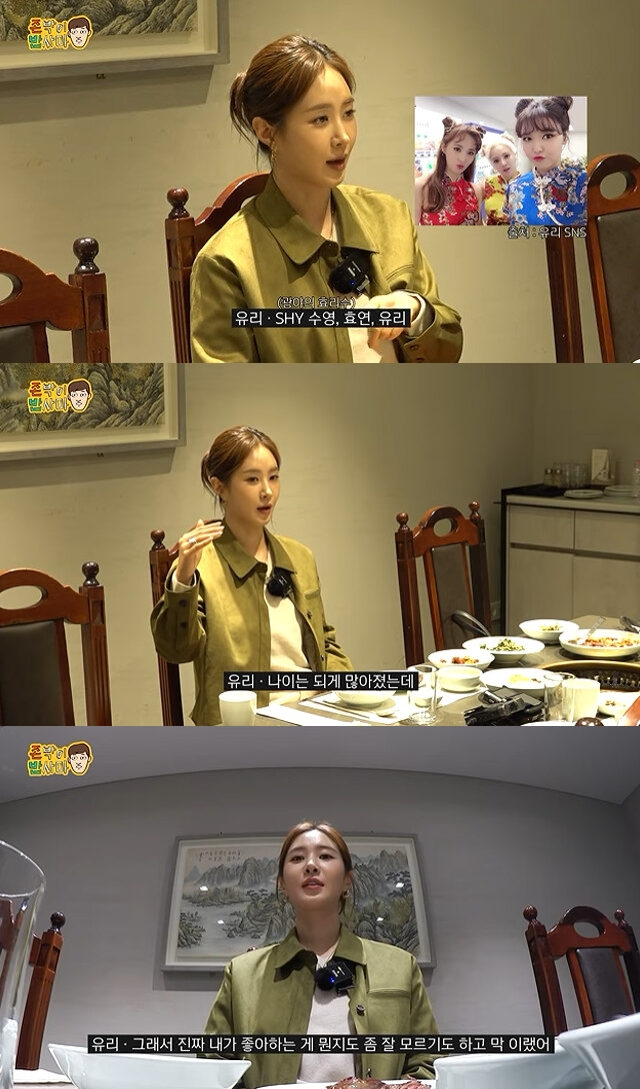
"After graduating from SM after 25 years, I’m working solo. There’s really a lot to do," Yuri shared, noting that she is learning the intricacies of business administration from the ground up. She revealed that her responsibilities now extend to tasks as granular as personally issuing tax invoices and coordinating directly with legal representatives.
This administrative awakening forced Yuri to reevaluate her perception of autonomy. "I realized there aren’t as many things I can do alone as I thought," she confessed. She reflected on how the protective corporate environment previously shielded her from the complexities of failure and logistical friction. "Until now, there were so many people helping me before I could complete something myself or before I even had to go through the process of trying again after failure. Even though I’m older, I feel like I’m too immature. I don’t even really know what I like."
Despite the hurdles, Yuri emphasized that the challenge has been immensely rewarding, fostering a renewed sense of personal growth and self-discovery.
A Paradigm Shift in Personal Mindset and Empathy
Beyond the logistical burdens of running a solo career, Yuri discussed the psychological evolution that accompanied her departure from the structured K-pop ecosystem. Navigating the unpredictable waters of the entertainment industry independently allowed her to confront her own vulnerabilities rather than relying on a corporate safety net.
Facing her shortcomings as an individual rather than merely as a brand ambassador or idol, Yuri adopted a philosophy of self-grace. "Facing my shortcomings as a human being, Kwon Yuri, I’ve come to think, ‘So what if I can’t do it?’" she explained.
This internal shift has not only altered how she views her own professional execution but has also transformed her interpersonal relationships. By extending patience and forgiveness to herself, Yuri noted that she has developed a deeper understanding of others. "I’ve become more forgiving of others. I’ve come to understand that everyone has their own circumstances."
Industry analysts often point out that veteran idols transitioning to independent management frequently experience this psychological metamorphosis. Shedding the perpetual pressure of maintaining a pristine, agency-curated image allows artists to embrace authenticity, resonating more deeply with mature audiences who have grown alongside them.
The Legacy of Hyorisoo and Unfiltered Stage Presence
While Yuri’s solo endeavors occupy much of her current schedule, her recent collaborative activities with fellow Girls’ Generation members Hyoyeon and Sooyoung under the informal unit banner "Hyorisoo" have generated substantial buzz across digital platforms.
Expressing genuine surprise at the enthusiastic public reception, Yuri remarked on the stark contrast between current K-pop performance standards and the spontaneous energy that characterized the trio’s recent appearances.
"These days, there are personal fancams and ending fairies, right? But we didn’t prepare those in advance. We just pushed each other on stage and fought for spots," she said with a laugh, highlighting the playful camaraderie built over nearly two decades of friendship.
This unfiltered approach to performance has not gone unnoticed by younger generations of idols. Yuri shared an anecdote in which industry juniors approached Sooyoung to express their admiration. According to Yuri, the younger artists remarked, "I’m jealous of those seniors who are so free on stage."
This dynamic underscores a distinct advantage held by veteran performers. Unencumbered by the rigid choreography protocols and algorithmic performance markers that often govern rookie acts, seasoned idols like those in Girls’ Generation possess the stagecraft confidence necessary to improvise, engage authentically, and command audience attention through sheer charisma.
Looking Ahead: The Anticipated 20th Anniversary and Full Group Comeback
The conversation naturally gravitated toward the monumental horizon facing Girls’ Generation: their upcoming twentieth anniversary. Having debuted in August 2007 under SM Entertainment with their self-titled single, the group has weathered industry shifts, member departures, and individual career expansions to remain one of the most enduring acts in K-pop history.
Although the members have pursued diverse paths—spanning acting, solo music, variety television, and fashion—they have consistently demonstrated a commitment to the group’s collective identity, highlighted by their 2022 fifteenth-anniversary album *Forever 1.
Building on that momentum, Yuri offered an encouraging update regarding future group activities. "It’s been a while since I stood on stage, and next year marks the 20th anniversary of Girls’ Generation’s debut, so I think there will be opportunities to perform," she stated, sparking immediate excitement among the fandom, commonly known as SONE.
Implications of Veteran Independence in the Modern K-pop Industry
Yuri’s transition from a legacy agency to independent operations reflects a broader, accelerating trend within the South Korean entertainment sector. Over the past several years, numerous veteran idols—including members of groups like GOT7, Girls’ Generation, MAMAMOO, and SHINee—have renegotiated their contracts to pursue individual projects outside their original labels while maintaining group affiliations.
This decentralized model introduces both structural opportunities and systemic challenges. For the artists, independent management or movement to boutique agencies allows for greater creative control, flexible scheduling, and a fairer division of revenue. However, as Yuri’s testimony illustrates, it also requires artists to absorb the administrative friction previously managed by massive corporate infrastructure.
From an industry perspective, the willingness of legacy artists to embrace these challenges validates a more mature, sustainable career trajectory in K-pop. Historically, K-pop acts faced steep decline curves post-contract expiration, often disbanding due to agency inflexibility. The modern paradigm, championed by figures like Yuri, demonstrates that idols can successfully pivot into multi-faceted entertainers, entrepreneurs, and independent creators without severing the emotional ties to their foundational groups.
As Girls’ Generation approaches its landmark twentieth anniversary, the juxtaposition of Yuri’s demanding administrative reality with her unbridled joy on stage encapsulates the duality of modern veteran idolhood. By embracing her human limitations, learning the mechanics of business, and preparing for a potential group reunion, Yuri continues to chart a resilient course that serves as a blueprint for the next generation of artists navigating the evolving waters of the global music industry.