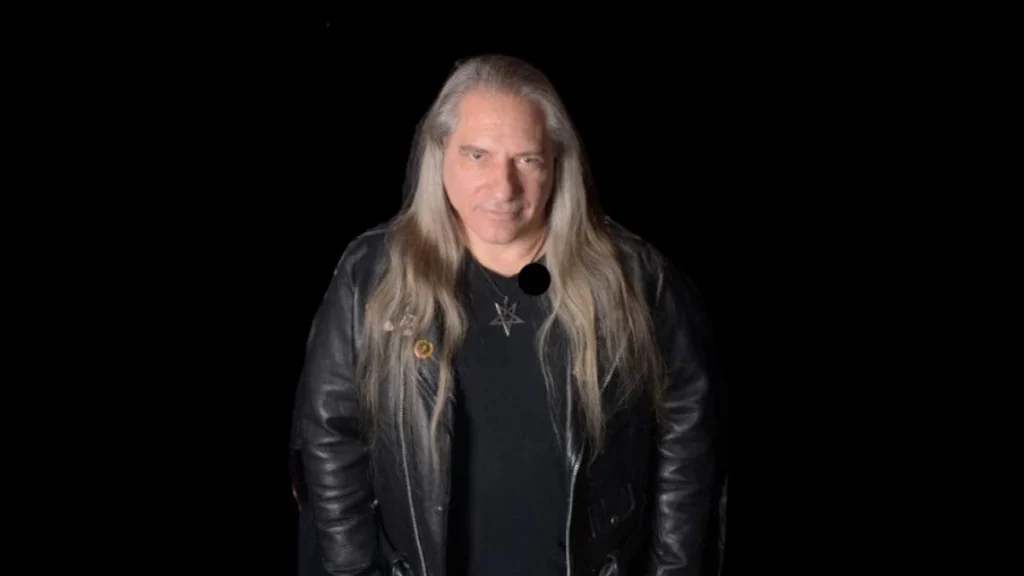

Mike Browning, a foundational figure in the extreme metal landscape, widely recognized as a pioneering drummer and vocalist for influential death metal bands Morbid Angel and Nocturnus, has passed away at the age of 62. His death, which marks a significant loss for the global metal community, was confirmed by Profound Lore Records, the label behind his most recent project, Nocturnus AD. The label’s statement, released via social media, eulogized Browning as a "death metal legend/sci-fi death metal godfather," offering a poignant farewell: "Journey beyond the gateway to the outer void!" The announcement quickly reverberated through the tight-knit world of extreme music, prompting an outpouring of grief and tributes for an artist whose contributions profoundly shaped the genre.
A Pioneer’s Legacy: The Genesis of Extreme Metal
Browning’s career spanned several decades, beginning at a pivotal moment in the evolution of extreme music. His work with Morbid Angel and Nocturnus was instrumental in defining the early sound of death metal, particularly within the burgeoning scene of Tampa, Florida, which would soon become a global epicenter for the genre. His distinctive drumming style, coupled with his guttural vocal delivery and visionary songwriting, helped lay the groundwork for a sound that was both brutal and innovative.
Early Days and Morbid Angel
The journey began in 1983 when Mike Browning co-founded Morbid Angel in Tampa, Florida, alongside guitarist Trey Azagthoth. This period was characterized by intense creativity and experimentation as musicians pushed the boundaries of traditional heavy metal, incorporating faster tempos, more complex structures, and guttural vocalizations that would become hallmarks of death metal. Browning served as both the lead vocalist and drummer for the nascent group, a dual role that showcased his formidable talent and commitment to the nascent genre.
One of the most notable chapters of his early career with Morbid Angel revolves around the recording of Abominations of Desolation. This collection of tracks, laid down in 1986, was originally intended to be the band’s debut full-length album. However, its official release was famously shelved, with the band initially citing dissatisfaction with the recording quality. Browning, however, offered a dramatically different account of events in a 2019 interview with Bardo Methodology. He asserted that the album’s suppression stemmed not from technical shortcomings, but from deep-seated internal strife and a personal conflict involving Azagthoth.
"There are… a few things out there written by [Morbid Angel guitarist] Trey [Azagthoth] himself where he clearly states that the album Abominations of Desolation was coming out. After it had been recorded, we played three shows and Sterling Scarborough replaced John Ortega on bass. Not a word was said about technical shortcomings, everything was all set to go," Browning recounted. "It wasn’t until I caught Trey with my girlfriend and beat the hell out of him — which led to the band splitting in half — that he decided not to release it. Prior to this, ‘Abominations…’ had been recorded and was going to be presented as Morbid Angel’s first LP. These comments about it not being technically good enough only came once I was out."
This candid revelation offered a rare glimpse into the often-turbulent early days of pioneering bands, where personal relationships could profoundly impact artistic output and career trajectories. While Abominations of Desolation was eventually released in 1991 as a demo compilation, long after Browning’s acrimonious departure, it remains a crucial historical document, showcasing the raw energy and nascent sound of one of death metal’s most iconic bands in its formative stage with Browning at its helm. The album, despite its delayed and unofficial initial release, demonstrated Browning’s significant compositional input and performance prowess, particularly in tracks like "Chapel of Ghouls" and "Morbid Angel," which would later be re-recorded by the band.
Forging a New Path: The Birth of Nocturnus
Following his exit from Morbid Angel, Browning channeled his creative energies into a new project that would further cement his status as an innovator: Nocturnus. Formed in the late 1980s, Nocturnus embarked on a mission to push the boundaries of death metal beyond mere brutality, integrating elements of science fiction, intricate song structures, and a then-uncommon use of keyboards. This fusion gave birth to what would become known as "sci-fi death metal" or "technical/progressive death metal," a subgenre that Nocturnus arguably pioneered.
The band’s 1990 debut album, The Key, stands as a landmark release in extreme metal history. Featuring Browning once again on drums and vocals, The Key was a revelation. Its lyrical themes explored alien civilizations, time travel, and cosmic horror, a stark departure from the typical occult or gore-focused lyrics prevalent in death metal at the time. Musically, the album was characterized by its dizzying technicality, unexpected tempo changes, and the atmospheric yet aggressive use of keyboards, which added a layer of cosmic grandeur to the ferocity. Tracks like "Lake of Fire" and "Standing in Blood" showcased a level of musicianship and conceptual ambition that was virtually unprecedented in death metal. The Key not only influenced countless bands in the burgeoning technical death metal scene but also opened doors for thematic diversity within the genre, proving that death metal could be both intellectually stimulating and viscerally powerful.
Browning recorded one more album with Nocturnus, 1992’s Thresholds. While continuing the band’s signature sci-fi themes and technical prowess, Thresholds saw a slight evolution in sound, with an even more refined production and sophisticated arrangements. Despite its critical acclaim and ongoing influence, internal issues led to Browning being fired from Nocturnus shortly after the album’s release, marking another significant transition in his career. The departure, much like his exit from Morbid Angel, underscored the often-volatile dynamics inherent in creative partnerships within the extreme music scene.
A Resilient Return: Nocturnus AD and Later Years
Undeterred by previous setbacks, Mike Browning’s passion for music and his unique vision for sci-fi death metal remained unyielding. In 1999, he re-established a new iteration of his groundbreaking band, initially forming Nocturnus AD with other original members of Nocturnus. The project underwent a brief name change to After Death shortly thereafter, a period during which they continued to hone their sound and maintain a presence in the underground. However, recognizing the enduring legacy and distinct identity associated with his original creation, the band officially reverted to the name Nocturnus AD in 2013.
This resurgence marked a deliberate effort by Browning to reclaim and continue the specific musical and thematic legacy he had initiated with the original Nocturnus. Nocturnus AD was not merely a nostalgic act; it was a vibrant continuation of his artistic vision, characterized by the same blend of technical precision, atmospheric keyboards, and cosmic narratives. Under this banner, Browning continued to lead the charge, crafting new material that stayed true to the spirit of The Key while demonstrating contemporary relevance.
As of his death, Nocturnus AD remained an active and respected entity within the extreme metal scene. Their commitment to their distinctive sound culminated in the release of their most recent album, Unicursal, in 2024. This album, a testament to Browning’s enduring creativity and the band’s unwavering dedication, showcased that even decades after The Key, the "sci-fi death metal godfather" was still pushing boundaries and delivering music that resonated with both long-time fans and new generations of metal enthusiasts. Unicursal received positive reviews, lauded for its intricate compositions, powerful performances, and Browning’s characteristic lyrical depth, proving that his artistic flame burned brightly until the very end.
Reactions and Tributes
The news of Mike Browning’s passing sent a ripple of sorrow across the international metal community. Tributes poured in from musicians, labels, journalists, and fans, all acknowledging his immense impact on the genre. Profound Lore, his most recent label, led the tributes, encapsulating the sentiment of many with their "death metal legend/sci-fi death metal godfather" designation, a fitting epitaph for an artist who created and defined a niche within an already extreme genre.
Morbid Angel, the band he co-founded, issued a concise but heartfelt statement acknowledging his foundational role: "R.I.P Mike, thanks for helping making all this happen. Our condolences to his family & especially his daughter." This message, coming from a band with whom Browning had a complex and at times contentious history, underscored the profound respect for his early contributions that ultimately transcended past conflicts. It served as a testament to the fact that, regardless of personal differences, his role in the genesis of one of death metal’s most iconic acts was undeniable.
Beyond official statements, social media platforms became a mosaic of shared memories, favorite tracks, and personal anecdotes from those whose lives and music were touched by Browning. Fellow pioneers of the genre and contemporary artists alike reflected on his unique drumming style – often described as frantic yet precise – and his pioneering lyrical themes. Fans worldwide celebrated his dual role as drummer and vocalist, a demanding feat that few in extreme metal have mastered with such distinction. Many also highlighted The Key as a timeless masterpiece, a testament to its enduring influence and the visionary scope of Browning’s artistry. The widespread sentiment was one of profound gratitude for his musical contributions and deep sadness at the loss of a true original.
The Enduring Influence: A Musical Visionary’s Impact
Mike Browning’s passing leaves a void in the extreme metal scene, but his legacy is indelible. His contributions extended far beyond merely playing instruments; he was a conceptual architect and a stylistic innovator. His work with Morbid Angel helped forge the brutal, uncompromising sound that would define early death metal, making Tampa, Florida, synonymous with the genre’s emergence. Even the unreleased (at the time) Abominations of Desolation served as a blueprint for the nascent sound.
With Nocturnus, Browning truly distinguished himself as a visionary. By infusing death metal with complex progressive structures, melodic keyboard passages, and sophisticated science fiction narratives, he created a sound that was both intellectually stimulating and ferociously aggressive. The Key is not just an album; it is a foundational text for progressive death metal and sci-fi metal, inspiring countless bands to explore thematic and musical territories beyond the conventional. Its influence can be heard in subsequent generations of technical and progressive death metal acts who embraced complexity and atmospheric elements. Browning demonstrated that death metal could be both cerebral and visceral, expanding its artistic potential.
His dual role as drummer and vocalist was particularly impactful. To execute such intricate drumming patterns while simultaneously delivering guttural, powerful vocals requires a rare level of coordination and skill. This demanding approach further solidified his reputation as a formidable and unique force in extreme music. He wasn’t just a performer; he was a central creative engine, responsible for much of the songwriting, lyrical concepts, and overall direction of his projects.
The continued activity of Nocturnus AD until his death, culminating in the 2024 release of Unicursal, speaks volumes about Browning’s unwavering commitment to his artistic vision. He remained an active and vital contributor to the scene, consistently delivering the brand of intelligent, technical, and sci-fi-laden death metal he helped create. His career arc is a testament to resilience, artistic integrity, and the enduring power of a unique musical voice.
Mike Browning will be remembered not only as a formidable musician but as a true pioneer whose innovations helped define and diversify death metal. His imaginative lyrical landscapes and groundbreaking musical compositions paved the way for numerous subgenres and countless bands. The universe of extreme metal is undoubtedly richer for his contributions, and his "journey beyond the gateway to the outer void" leaves behind a profound and lasting legacy that will continue to inspire for generations to come.