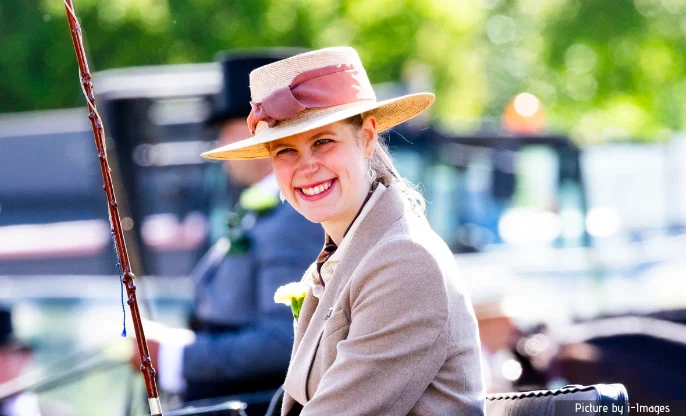

As Lady Louise Windsor marks her 23rd birthday, attention within British royal circles has once again turned to a lingering constitutional question: whether the young royal possesses the legal right to elevate her status and assume the style of a Princess. While celebrations surrounding her birthday remain largely private, the milestone revives a fascinating debate concerning Letters Patent, royal prerogative, and the deliberate choices made by her parents, the Duke and Duchess of Edinburgh.
Under the strict interpretation of historical royal decrees, Lady Louise—alongside her younger brother, James, Earl of Wessex—technically holds the entitlement to be styled as a Royal Highness and hold the title of Princess or Prince. However, the gap between legal entitlement and practical reality is bridged by deliberate parental choices, a century-old constitutional framework, and the evolving nature of the modern British monarchy under King Charles III.
The Legal Framework: The 1917 Letters Patent
To understand the debate surrounding Lady Louise’s title, one must examine the legal bedrock governing British royal styles: the Letters Patent issued by King George V on November 30, 1917.
Drafted to streamline the growing size of the royal family and clarify who was entitled to the style of Royal Highness (HRH), the 1917 decree established clear parameters. It decreed that the children of any sovereign, the children of the sons of any sovereign, and the eldest living son of the eldest son of the Prince of Wales would enjoy the titular dignity of HRH and Prince or Princess.
Because Prince Edward is a son of Queen Elizabeth II, his children—James and Louise—fall squarely within the male-line grandchildren category specified by George V. Consequently, under the unamended text of the 1917 Letters Patent, they are legally entitled to be known as HRH Prince James and HRH Princess Louise of Edinburgh.
Despite this statutory provision, neither sibling has ever utilized these styles. The rationale for this departure from tradition dates back to the wedding day of their parents in June 1999.
The 1999 Buckingham Palace Announcement and Parental Strategy
When Prince Edward married Sophie Rhys-Jones in 1999, Buckingham Palace issued an official statement outlining the couple’s future titles and those of their prospective children. It was announced that Edward would be created the Earl of Wessex and Viscount Severn—eschewing a traditional Dukedom at the time—and that any children born to the couple would be styled as the children of an earl, rather than bearing royal highness titles.
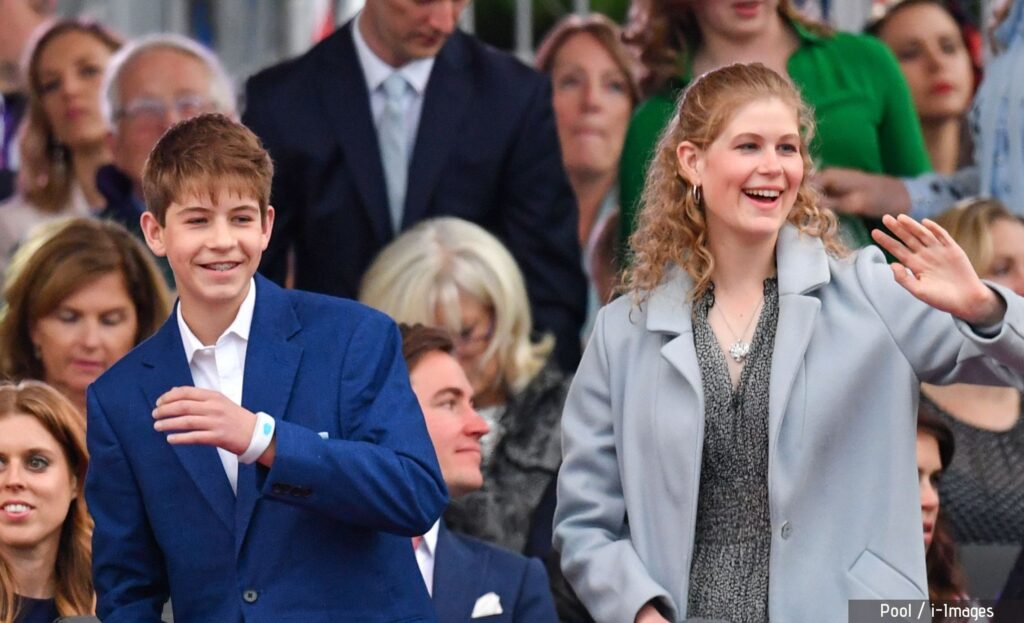
For years, observers assumed this press release overrode the 1917 Letters Patent. However, constitutional experts have long noted that a press release or announcement from Buckingham Palace carries no legal weight compared to Letters Patent, which are formal legal instruments issued under the Great Seal of the Realm. A press release expresses the immediate intentions or desires of the monarch and the family, but it does not formally alter statutory entitlements.
This nuance was confirmed unexpectedly in 2020 by the Duchess of Edinburgh herself. In a rare and candid interview with journalist Christina Lamb, Sophie revealed that her children do, in fact, retain the legal right to use HRH styles and the titles of Prince and Princess.
"They have them and can decide to use them from 18, but I think it’s highly unlikely," the Duchess stated at the time. She explained the pragmatic reasoning behind the family’s approach, noting that because her children were expected to carve out independent careers and "work for a living," using HRH styles would be entirely impractical.
Agency at Age 18: The Threshold of Adulthood
Under British law and royal precedent, once members of the royal family reach the age of majority—18 years old—they attain full legal agency over their own public identities and official actions.
Lady Louise reached her 18th milestone in November 2021, and James turned 18 in late 2007 (wait, correction for accuracy: James was born in December 2007, making him 16 as of 2024; however, the principle of adulthood applies as each sibling reaches their majority). When Louise turned 18, speculation naturally arose as to whether she might formally adopt the title of Princess.
Instead, she let the milestone pass without making any public alteration to her name or style. Her subsequent actions have underscored a consistent preference for a low-profile lifestyle. Unlike working royals who maintain full-time public schedules funded by the Sovereign Grant, Louise has focused on her education and personal pursuits. Enrolling at the University of St Andrews to read English literature, she has largely avoided the intense media spotlight that follows senior royals. Reports of her navigating everyday student life—such as quietly traveling on overcrowded trains—emphasize a deliberate distancing from formal royal pomp.
Precedents of Flexibility: The Dukedom of Edinburgh Case Study
The discrepancy between official press releases and hard constitutional law is further illustrated by the history of the Dukedom of Edinburgh itself.
The 1999 press release announcing Prince Edward’s marriage also included a formal statement declaring that the title of Duke of Edinburgh would eventually pass to Prince Edward following the deaths of both Prince Philip and Queen Elizabeth II. However, when Prince Philip died in April 2021, the hereditary dukedom initially passed to the eldest son, then-Prince Charles. When Charles ascended the throne in September 2022, the dukedom merged with the Crown and ceased to exist.
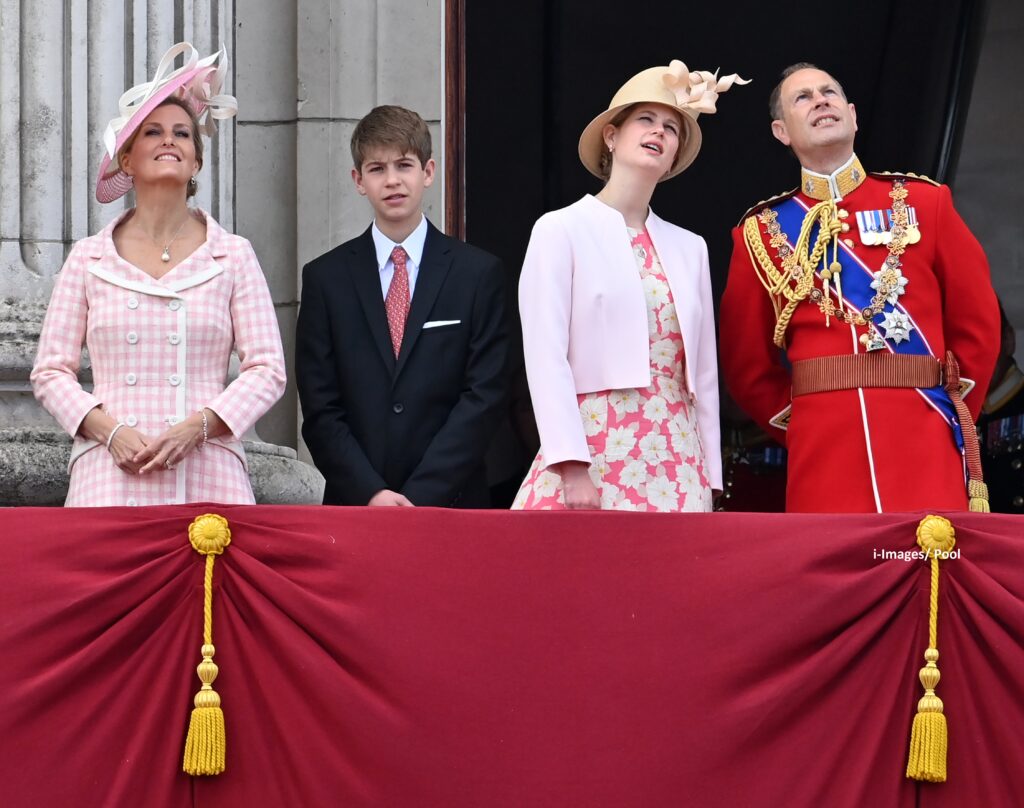
For the 1999 announcement to be fulfilled, King Charles III had to legally recreate the title and bestow it upon his youngest brother in March 2023. Crucially, however, Charles chose to create it as a lifetime peerage only, meaning Edward cannot pass the dukedom down to his son, James.
This evolution demonstrates that informal announcements made decades prior are subject to the discretion of the reigning monarch and shifting institutional priorities. Yet, just as the 1999 press release required formal monarchical action to realize the Dukedom of Edinburgh, any formal stripping of HRH rights from the children of the Duke of Edinburgh would theoretically require new Letters Patent from King Charles III—action which has not been taken.
Implications for the Future of the Working Monarchy
The handling of Lady Louise and James’s titles offers a window into the ongoing modernization and streamlining of the British royal family. As the institution faces pressures to reduce its financial footprint and focus its core personnel on official state duties, the model demonstrated by the Duke and Duchess of Edinburgh has garnered considerable institutional approval.
By raising their children to pursue independent employment—exemplified by Lady Louise’s summer jobs, including a stint working in a local garden centre—Edward and Sophie have successfully integrated their family into contemporary British society.
James, who currently uses the courtesy title Earl of Wessex as the eldest son of a Duke, is ultimately positioned to inherit both the earldom of Wessex and the earldom of Forfar, a title bestowed upon Prince Edward by Queen Elizabeth II in 2019. These peerages provide a dignified, traditional framework for public life without the extensive constitutional complications associated with active HRH statuses.
Conclusion: A Title Left Unclaimed
As Lady Louise celebrates her 23rd birthday, the legal architecture remains clear: while the 1917 Letters Patent grant her the theoretical right to be known as Her Royal Highness Princess Louise, the convergence of royal strategy, parental guidance, and personal choice makes the adoption of such a title exceedingly improbable.
For a young woman carving out an independent path through higher education and private pursuits, the quiet dignity of her current status offers the best of both worlds. Holding one of the most prestigious bloodlines in the world while retaining the freedom to live an ordinary life, Lady Louise Windsor’s ongoing choice to forgo a royal title stands as a modern pragmatic approach to life within the House of Windsor.