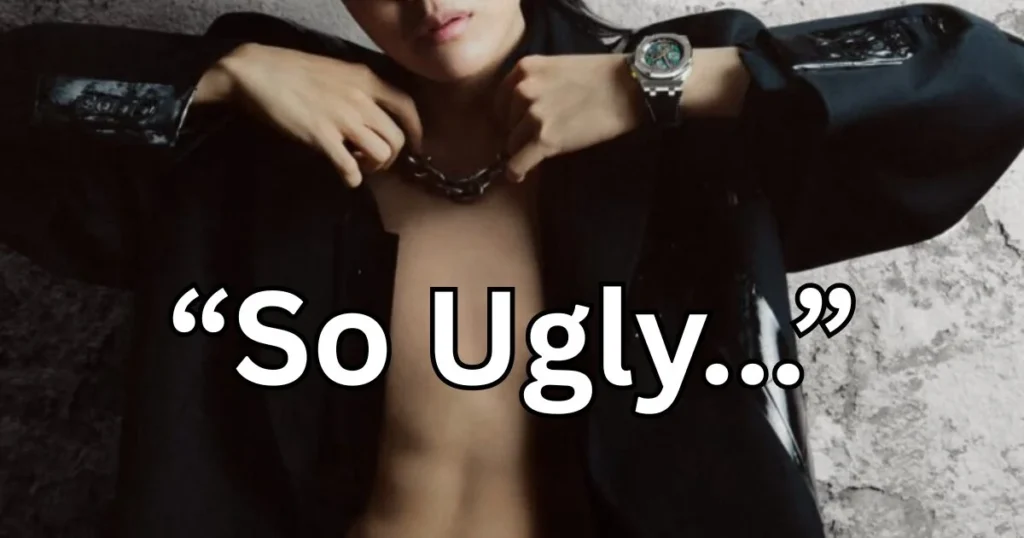

The intersection of high-fashion editorial work and K-pop superstardom has once again ignited a polarized discourse across social media platforms. J-Hope, a prominent member of the globally acclaimed South Korean group BTS, recently found himself at the center of a severe online backlash following the publication of his latest promotional photoshoot with Dazed Korea. While high-concept magazine spreads are typically designed to push artistic boundaries and challenge conventional aesthetic norms, the September 2026 feature drew an immediate and vitriolic wave of negative commentary from various corners of the internet. The incident has reignited ongoing industry discussions regarding the safety, psychological well-being, and relentless public scrutiny faced by high-profile musical artists in the digital age.
Chronology of the Release and Backlash
The sequence of events began on September 17, 2026, when major entertainment aggregators and fashion platforms shared previews of J-Hope’s editorial layout for Dazed Korea. The publication, renowned for its avant-garde and experimental styling, featured the BTS star in a series of dramatic, highly stylized poses meant to convey a dark, brooding narrative.
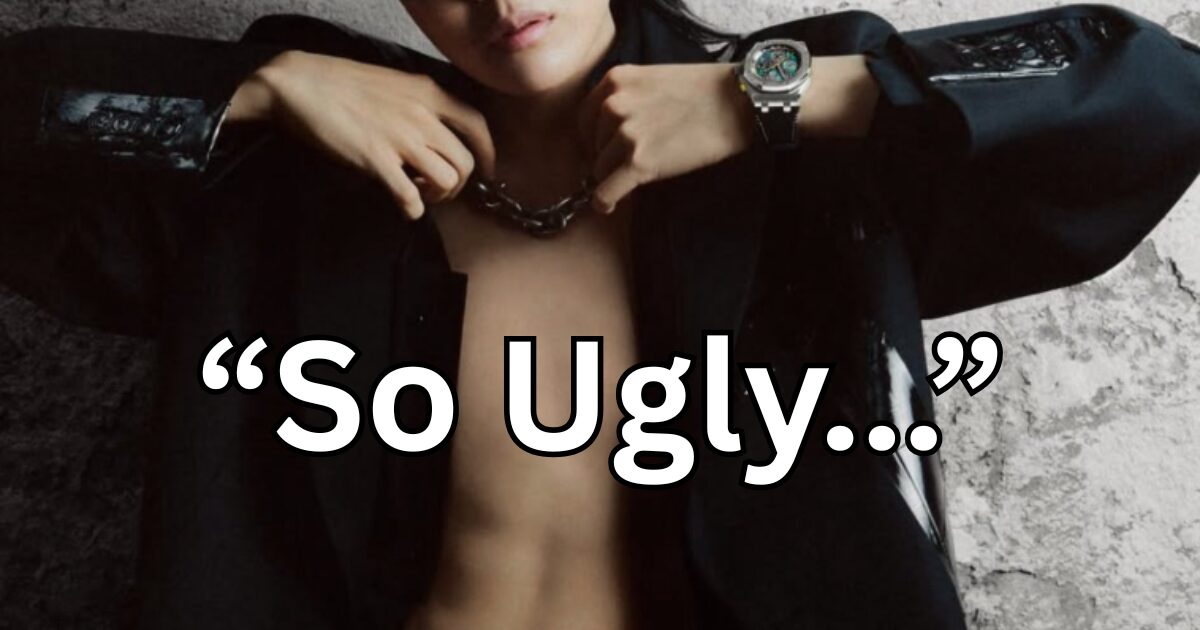
Almost immediately after the images were syndicated to broader social media networks—including X (formerly Twitter)—the post attracted widespread attention, quickly descending into a localized hub for targeted criticism. Within hours of the initial upload, disparate user accounts began flooding the replies with malicious remarks directed at the artist’s physical appearance, artistic choices, and overall viability as a solo recording artist. The swift transition from standard promotional engagement to coordinated negativity highlights the volatile ecosystem of modern fan and anti-fan culture online.
Examining the Nature of the Commentary
The critical responses spanned various vectors of attack, targeting both the aesthetic execution of the photoshoot and personal attributes of the artist. Several prominent replies leveraged derogatory language regarding J-Hope’s facial features, with specific comments suggesting that the styling choices were deliberate attempts to obscure his face. Other users targeted his attempts at projecting a high-fashion persona, utilizing satirical metaphors to diminish his sex appeal and credibility within the luxury branding sector. Furthermore, critics intertwined the visual critique with commercial commentary, undermining his musical catalog and commercial performance outside of the BTS group umbrella.
This localized outpouring of hostility reflects a broader phenomenon wherein visual mediums serve as a catalyst for individuals seeking to undermine the credibility of mainstream pop icons. While artistic direction in publications like Dazed Korea routinely employs unconventional lighting, heavy makeup, and bizarre silhouettes to evoke emotional responses, these elements were weaponized by detractors to validate pre-existing biases against the performer.

Background and Context of High-Fashion Endorsements in K-Pop
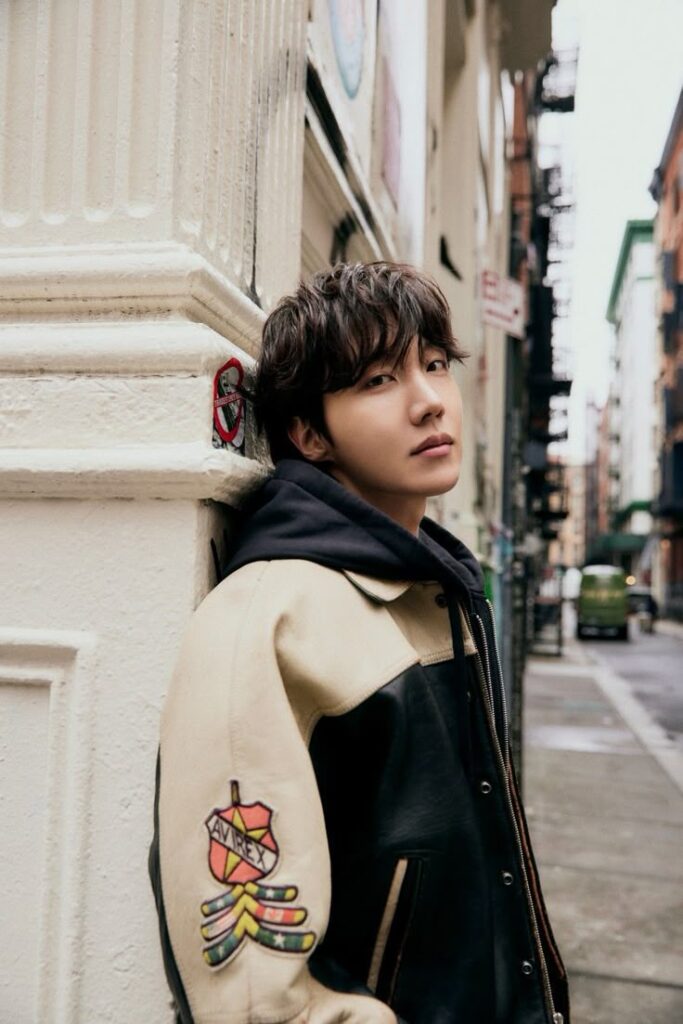
To understand the intensity of the reaction, one must examine the evolving relationship between K-pop idols and Western-influenced fashion houses. Over the past decade, members of BTS have transitioned from traditional pop performers into global luxury brand ambassadors, reshaping the luxury market in Europe and Asia. J-Hope, specifically, has cultivated a distinct identity centered around streetwear, high fashion, and performance art, often participating in international Fashion Weeks and major editorial campaigns.
Magazines like Dazed Korea operate in a distinct cultural space that prioritizes subversion over traditional beauty standards. Consequently, when mainstream idols step into these experimental spheres, the resulting imagery frequently alienates conservative viewers or provides ammunition for dedicated online detractors. The friction between mass-market pop appeal and niche artistic expression often results in heightened vulnerability for the artist, who becomes the focal point of aesthetic debates among internet commentators.
Broader Impact and Industry Implications
The incident involving J-Hope’s Dazed Korea feature underscores several critical implications for the entertainment industry, particularly concerning digital safety and the responsibilities of social media platforms. The ease with which coordinated hate campaigns can mobilize under the guise of fashion critique poses ongoing challenges for talent management agencies, such as BigHit Music and Hybe.
Industry analysts note that while negative engagement often inflates algorithmic metrics—temporarily boosting the visibility of a post—the psychological toll on the artist remains a significant concern. Entertainment agencies have increasingly moved toward robust legal protections, employing dedicated monitoring teams to gather evidence of malicious defamation and cyberbullying. However, the decentralized nature of platforms like X continues to complicate rapid enforcement.
Moreover, the event highlights the shifting metrics of success and scrutiny for members of BTS as they navigate their individual careers during and after mandatory military service obligations. As these artists expand their portfolios into fashion, acting, and independent musical ventures, the scrutiny has shifted from collective group achievements to hyper-individualized evaluations.
Ultimately, the severe reactions to J-Hope’s latest photoshoot demonstrate that the boundary between provocative art and public vitriol remains precariously thin. As K-pop artists continue to push the boundaries of fashion and identity on a global stage, the industry must continuously adapt to protect its talent from the darker fringes of internet culture, ensuring that artistic expression does not become a recurring liability for the individuals behind the global phenomenon.