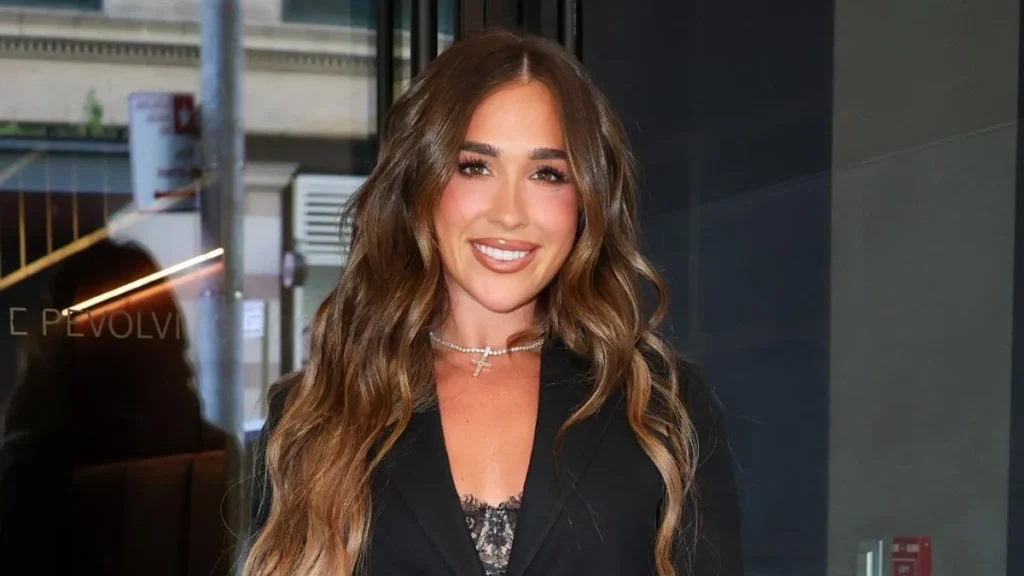

The landscape of reality television is frequently defined by shifting alliances, rapid romances, and sudden betrayals. However, few narratives capture public attention quite like those involving deeply personal accusations that transcend standard interpersonal conflict. Recently, the discourse surrounding the hit reality television series Next Gen NYC reached a fever pitch following serious allegations made by cast member Ariana Biermann against fellow participant Charlie Zakkour. Biermann has publicly accused Zakkour of utilizing religion and faith-based manipulation to gain her trust and influence her romantic decisions during and after the production of the show’s second season.
The unfolding controversy has sent shockwaves through the fan base of the Bravo series, leading up to a highly anticipated two-part reunion special. As both participants prepare to face off on television to address the fallout of their complex relationship dynamics, industry analysts and viewers alike are examining the broader implications of spiritual manipulation within the unscripted television genre. This report provides a comprehensive overview of the main facts, the chronological progression of the events, supporting contextual data, and an analysis of the broader impact this controversy holds for the individuals involved and the production network at large.
Main Facts of the Controversy
The core of the dispute centers on Ariana Biermann and Charlie Zakkour, two prominent figures featured in the second season of Next Gen NYC. While the pair were never officially designated as an exclusive romantic couple during primary filming, their interactions took a dramatic turn behind the scenes. According to statements made by Biermann during confessionals and promotional events leading up to the season finale, Zakkour engaged in calculated psychological and emotional manipulation by feigning shared religious values.
Biermann alleged that Zakkour claimed his ideal romantic partner would be a devout Christian woman, a statement that immediately drew her interest given her own spiritual background. Subsequently, Zakkour acquired a prominent tattoo reading “Only God can judge me” shortly after their initial conversations, an action Biermann now views as a strategic maneuver designed to solidify her trust and appeal directly to her personal convictions.
Rather than viewing the connection as a standard casual romance, Biermann revealed that she initially approached the dynamic with a sense of higher purpose, believing she might serve as a positive spiritual influence in Zakkour’s life. However, upon reflection and following the conclusion of principal photography, Biermann experienced a severe shift in perspective. She ultimately characterized Zakkour as a "horrible human being" who weaponized faith for personal advantage, vowing to confront him aggressively during the upcoming reunion special.
Chronology of Events and Relationship Progression
To fully understand the gravity of Biermann’s accusations, it is essential to examine the chronological timeline of events as they developed throughout the production and post-production phases of Next Gen NYC Season 2.
The foundational stages of the conflict began as the cast navigated the complex social hierarchies and romantic entanglements characteristic of the ensemble-driven program. Initially, Biermann’s romantic attention within the show was directed toward Liam Obergfoll. For a significant portion of the season, Biermann and Obergfoll explored a potential relationship, capturing considerable screen time as they negotiated the boundaries of their mutual attraction.
However, as tensions mounted and personal differences emerged, Biermann consciously chose to step back from her romance with Obergfoll. This tactical withdrawal created an interpersonal vacuum within the narrative arc, paving the way for unexpected developments involving Charlie Zakkour.
During the production of the season finale, the dynamic between Biermann and Zakkour shifted abruptly. Cameras captured the pair sharing an intimate kiss, signaling a transition from platonic or peripheral association to a more direct romantic liaison. The narrative momentum culminated when the two individuals subsequently retreated to Biermann’s private bedroom following the completion of scheduled filming, confirming to viewers that a clandestine hookup had occurred away from the primary camera crews.
Despite the apparent intimacy shared during production, the post-filming period revealed a stark contrast in sentiment. Months elapsed between the physical wrap of Season 2 and the recording of the reunion special. During this interim period, off-camera reflections and personal realizations prompted Biermann to reevaluate the nature of her interactions with Zakkour. By the time confessional interviews were recorded for broadcast, Biermann’s language regarding Zakkour had shifted from romantic interest to profound animosity, setting the stage for the dramatic confrontation scheduled for the reunion broadcast.
Background Context and Supporting Data of Next Gen NYC
Next Gen NYC represents a specific subgenre within contemporary reality television, focusing on the lives, careers, and social interactions of young adults descending from prominent public figures, high-net-worth families, or established entertainment industry dynasties. The series relies heavily on authenticity, interpersonal conflict, and the navigation of high-pressure social environments in one of the world’s most competitive metropolitan settings.
The ensemble cast for Season 2 features a diverse array of personalities well-acquainted with the pressures of public scrutiny. Alongside Ariana Biermann and Charlie Zakkour, the roster includes notable names such as Riley Burruss, Ava Dash, Emira D’Spain, Shai Fruchter, Gia Giudice, Brooks Marks, Georgia McCann, Hudson McLeroy, and Rowan Henchy. Within such an ensemble, individual storylines frequently compete for viewer engagement, heightening the incentive for dramatic narrative developments.
The integration of religious or spiritual themes into reality television storylines is relatively rare, particularly when handled outside of dedicated faith-based programming. When personal beliefs are invoked within secular reality television, they often carry significant emotional weight for the participants involved. Biermann’s background, characterized by public exposure from an early age, likely contributed to her vulnerability regarding matters of faith and personal trust, factors that she asserts were deliberately exploited by Zakkour.
Official Responses and Network Rollout
As public interest surrounding the allegations intensified, the network and platform distribution arms coordinated a structured promotional rollout for the conclusion of Season 2. Bravo released the official trailer for the highly anticipated two-part reunion special, signaling that the confrontation between Biermann and Zakkour would serve as a primary narrative anchor for the episodes.
The broadcast schedule dictates that the two-part reunion will premiere on September 16, airing at 9:15 p.m. ET on NBC, reflecting a strategic cross-platform visibility initiative by the network. Furthermore, to accommodate modern viewing habits and capture audiences who consume content primarily through subscription streaming services, uncensored versions of the reunion episodes will be made available to stream on Peacock on the day immediately following the live broadcast.
To date, Charlie Zakkour has not released a comprehensive, formal public statement directly countering the specific allegations of religious manipulation levied by Biermann, leaving industry observers to anticipate his direct responses during the unscripted reunion exchange. Representatives for the network have maintained standard promotional messaging focused on the emotional intensity and high-stakes resolutions promised by the reunion format.
Broader Impact and Implications of Spiritual Manipulation Claims
The allegations brought forward by Ariana Biermann transcend standard reality television drama, touching upon broader psychological and social themes that resonate outside the entertainment industry. The concept of emotional manipulation—specifically when executed under the guise of shared religious or moral values—is a recognized interpersonal dynamic often studied by behavioral psychologists.
In the context of the public eye, reality television personalities frequently face the challenge of establishing authentic connections while operating within an artificial, heavily produced environment. When personal trust is compromised through the simulation or exploitation of deeply held beliefs, the psychological toll on the affected party can be substantial. Biermann’s candid description of feeling "naive" highlights the vulnerability often experienced by individuals who extend grace and the benefit of the doubt to romantic prospects.
Furthermore, this controversy highlights the shifting nature of accountability in modern unscripted television. Historically, conflicts on reality shows were largely confined to interpersonal grievances regarding loyalty, social exclusion, or romantic jealousy. The introduction of accusations involving psychological exploitation and spiritual pretense introduces a gravity that demands careful navigation by both the participants and the platforms broadcasting the content.
As viewers prepare to tune in for the two-part reunion special, the discourse surrounding the Biermann-Zakkour dynamic underscores the enduring public appetite for transparency, resolution, and emotional authenticity in media. Whether the reunion platform will provide a genuine resolution to the deep-seated grievances expressed by Biermann remains to be seen, but the event promises to be a defining moment for the current season of Next Gen NYC and a significant case study in the complexities of modern interpersonal conflict under media scrutiny.