
The mid-point of May 2026 has arrived, signaling a period of significant transition across the global entertainment, arts, and lifestyle sectors. As the 79th Cannes Film Festival gains momentum in France, industry leaders are grappling with the dual forces of technological disruption and the enduring power of classic storytelling. Simultaneously, the domestic landscape in North America is seeing a resurgence in high-end hospitality, as evidenced by the acclaim surrounding establishments like Chez Lionel Brasserie in Montreal, while the streaming wars enter a new phase of prestige adaptations and archival recovery. This report synthesizes the primary developments defining the cultural zeitgeist of the second week of May 2026.
The Cinema Landscape: Artificial Intelligence and the Cannes Masterclass
At the Cannes Film Festival, the conversation has shifted from the red carpet to the future of the medium itself. Renowned filmmaker Peter Jackson, following his receipt of an Honorary Palme d’Or, held a masterclass that addressed the most pressing technological issue in modern cinema: the integration of Artificial Intelligence (AI). Jackson, whose work on the Lord of the Rings trilogy revolutionized digital effects and motion-capture technology, offered a nuanced perspective on the AI debate.
Jackson stated that he does not "dislike" the use of AI in film, though he acknowledged the existential risks it poses to broader society, remarking that the technology is "going to destroy the world." However, within the specific confines of artistic creation, Jackson argued that the fear surrounding AI has unfairly stigmatized the work of digital performers. He specifically cited Andy Serkis’s iconic portrayal of Gollum, noting that the ongoing debate over where human performance ends and digital enhancement begins is a primary reason Serkis has never been awarded an Oscar. Jackson’s defense of "performance capture" as a legitimate acting discipline comes at a time when the industry is still reeling from labor disputes regarding digital replicas and the ethical use of generative models.
Furthermore, Jackson clarified his role in the upcoming Lord of the Rings projects, including The Hunt for Gollum. While he is not directing the new installment—passing the torch to Andy Serkis—his influence as a producer ensures a continuity of vision for the Middle-earth franchise. This transition highlights a broader trend in Hollywood: the movement toward "legacy-driven" production, where original creators oversee the expansion of their universes by former collaborators.
The Streaming Evolution: Netflix and the Pursuit of Quality
The streaming sector continues to consolidate its power, with Netflix maintaining its position as the industry leader through a strategy of aggressive licensing and high-budget original productions. In May 2026, critical attention has turned toward the streamer’s "High-Quality Viewing" initiative. Netflix has shifted its focus from sheer volume to curated excellence, featuring a mix of Academy Award-winning dramas and highly anticipated genre sequels.
Key titles currently dominating the platform include the 2024 drama I’m Still Here and the blockbuster Godzilla Minus One. Additionally, the release of 28 Years Later (2025) has revitalized the horror genre for the streamer, proving that established intellectual properties (IP) remain the most reliable drivers of subscriber retention. Industry analysts note that Netflix’s ability to secure exclusive streaming rights for theatrical hits shortly after their cinema runs has created a "hybrid" consumption model that challenges traditional theatrical windows.
Television and Literary Adaptations: A New Era of "Romantasy" and Noir
Television production in 2026 is defined by two major trends: the expansion of dystopian universes and the rise of the "romantasy" genre. Hulu’s The Testaments, a sequel series to The Handmaid’s Tale, has drawn particular praise for its meticulous world-building. Costume designer reports indicate a deliberate use of "military-like wool" for the character of Aunt Lydia, played by Ann Dowd, to symbolize the hardening of the regime’s internal structure. The introduction of the "Plums"—young women on the verge of marriage—utilizes specific color palettes to denote social hierarchy, a visual shorthand that has become a hallmark of the franchise.
In the realm of fantasy, Amazon Prime Video has officially moved forward with a series order for Rebecca Yarros’s Fourth Wing. Produced by Michael B. Jordan, the series represents a massive investment in the "romantasy" market—a blend of high fantasy and romance that has dominated best-seller lists over the last three years.
Simultaneously, Apple TV+ is revisiting the psychological thriller genre with a 10-episode adaptation of Cape Fear. Showrunner Nick Antosca, known for The Act, has cast Amy Adams, Javier Bardem, and Patrick Wilson in the lead roles. This marks the third major adaptation of John D. MacDonald’s 1957 novel, The Executioners. Javier Bardem follows in the footsteps of Robert Mitchum and Robert De Niro as the antagonist Max Cady, a role that Wilson describes as a "beautifully strange and violent" exploration of vengeance.
Art History: The Recovery of Lost Legacies
The art world is currently undergoing a significant historical correction. Recent scholarship and exhibitions at institutions like the Getty have brought renewed attention to Michaelina Wautier (1614–1689) and Anne Vallayer-Coster (1744–1818). Both women were highly successful painters in their time but were largely omitted from the patriarchal narratives of 19th and 20th-century art history.
Wautier’s masterpiece, The Triumph of Bacchus, was for decades attributed to male contemporaries because historians refused to believe a woman could execute a work of such monumental scale. Vallayer-Coster, a favorite of Marie Antoinette, was the only woman to earn her own lodgings in the Louvre before the French Revolution. The current efforts to repatriate these artists into the canon reflect a broader societal trend toward gender equity and the re-evaluation of historical archives.

Music and Lifestyle: Hosting Milestones and Health Innovations
In the music industry, Shania Twain is set to host the 61st Academy of Country Music (ACM) Awards on May 17, 2026. Taking place at the MGM Grand Garden Arena in Las Vegas, the event will be broadcast via Prime Video, continuing the trend of major awards ceremonies migrating to streaming platforms. Twain, who replaces multi-year host Reba McEntire, expressed that the role allows her to mentor a new generation of artists, further cementing her status as a matriarch of the genre.
On the health and wellness front, the "longevity economy" has reached a fever pitch. Longevity doctors in the UK and North America are advocating for a shift from "life span" (how long one lives) to "health span" (how long one lives in good health). With UK life expectancy peaking at 82, the medical community is focusing on "biohacking" through simple daily habits. This movement is mirrored in the interior design sector, where "aging-in-place" renovations are becoming standard. Designers now caution against "style-only" choices, such as slippery flooring or poor lighting, urging homeowners to prioritize safety and ease of movement to accommodate their future needs.
Hospitality and Culinary Trends
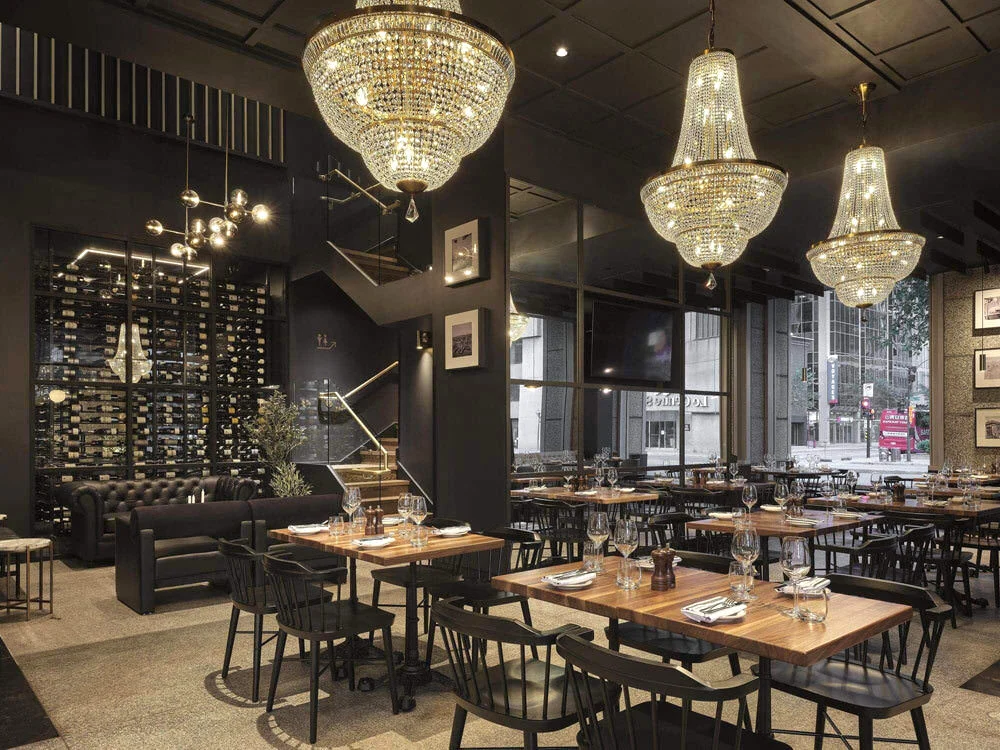
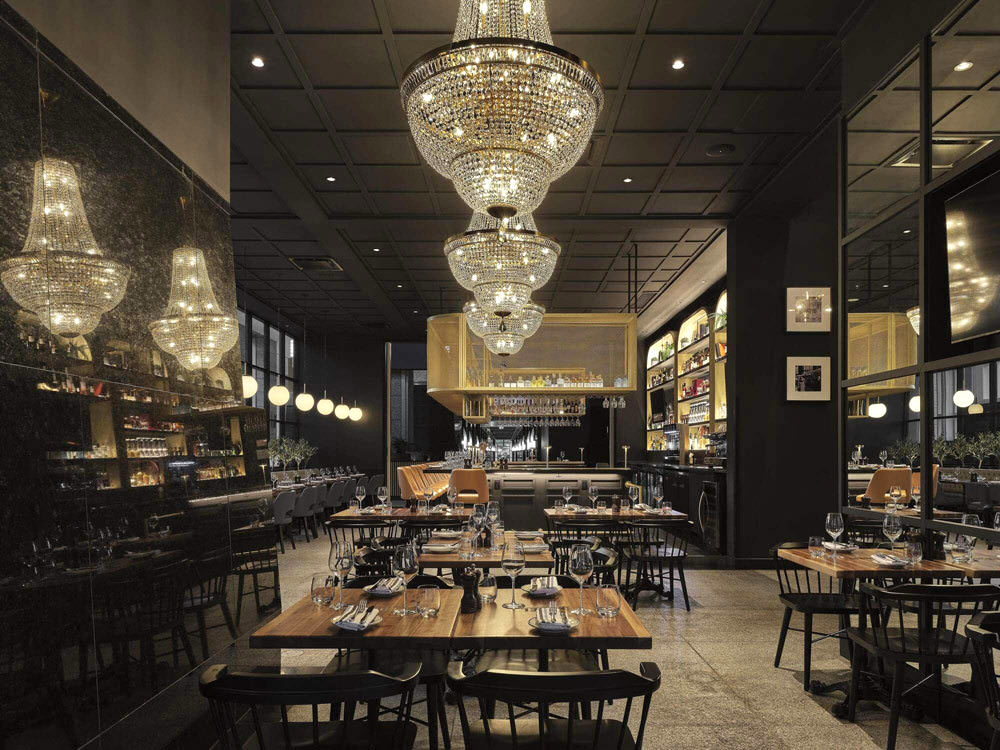
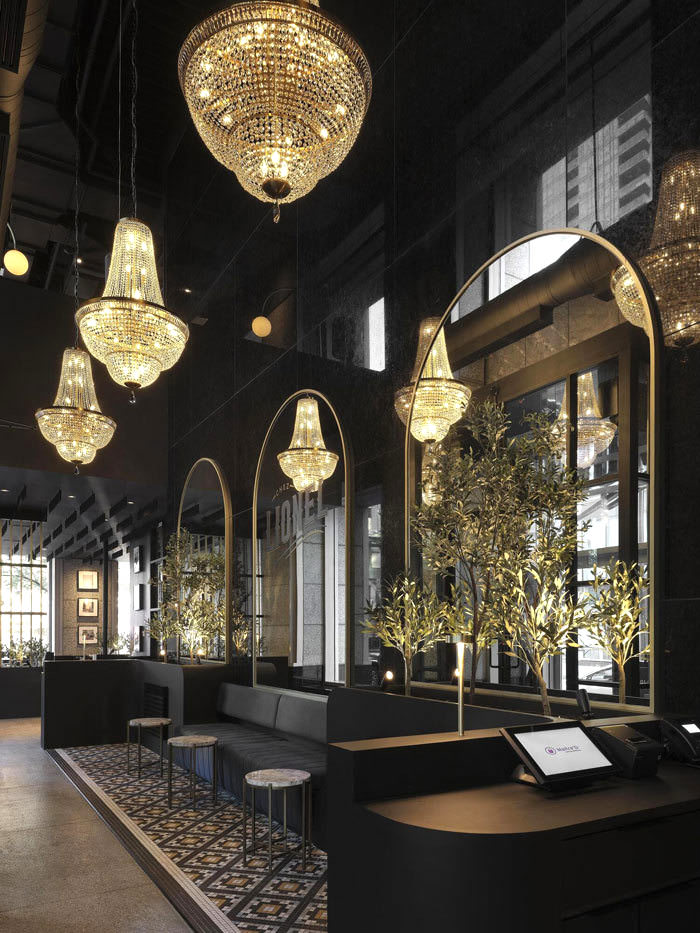
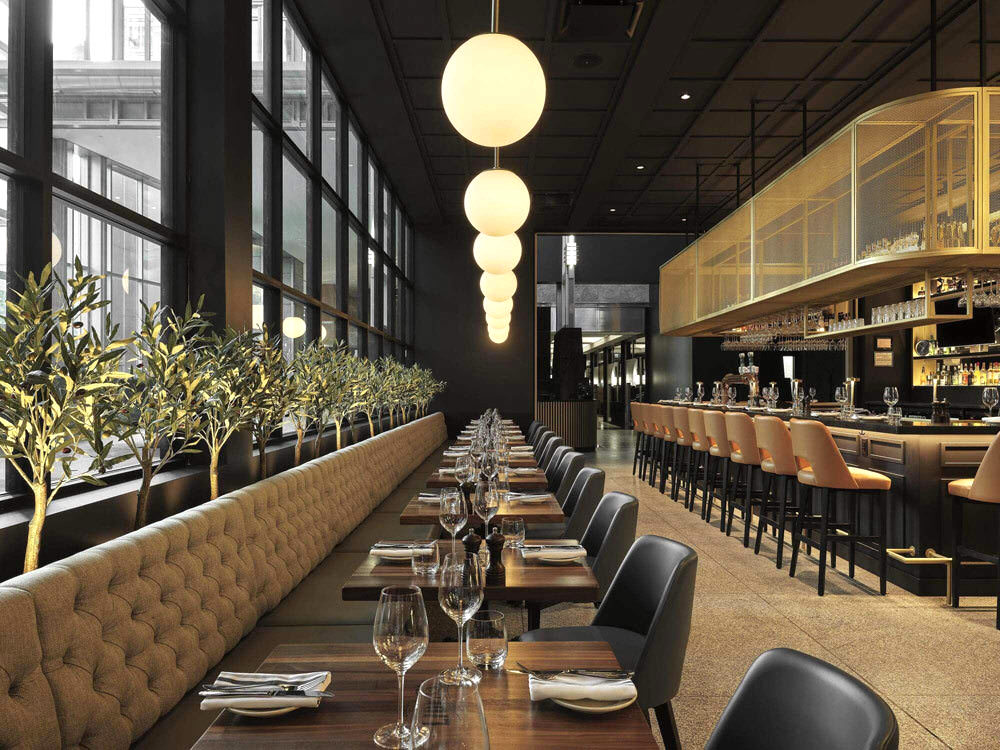
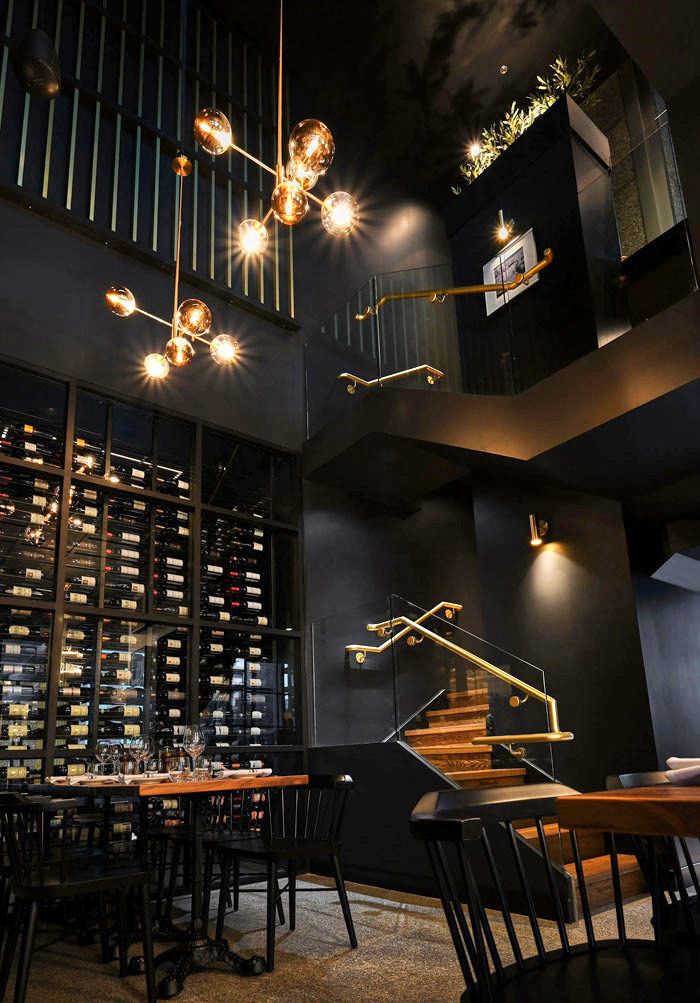
The hospitality industry continues to thrive on authenticity and specialized excellence. Montreal’s Chez Lionel Brasserie has emerged as a premier destination for those seeking a "darkly elegant" dining experience, blending traditional French brasserie aesthetics with contemporary Canadian culinary influences.
In the beverage sector, the 2026 World Beer Cup recently concluded, highlighting the resurgence of traditional lagers. Despite the continued dominance of IPAs, categories such as German-style Pilsener and Czech-style Pale Lager saw record-breaking submissions, often exceeding 100 entries per category. Gold medal winners from New Jersey, Utah, and New York indicate that American craft brewers are successfully mastering the technical precision required for high-quality lagers, a trend that aligns with a consumer shift toward sessionable, lower-alcohol beverages.
Urban Planning: The Primacy of Public Space
St. Louis’s Forest Park has been named the No. 1 city park in the United States for 2026, surpassing New York’s Central Park in both acreage and biodiversity. Spanning 1,300 acres—approximately 1.5 times the size of Central Park—Forest Park serves as a "living laboratory," home to over 200 bird species and 170 acres of nature reserves. Its success highlights the growing importance of urban green spaces as essential infrastructure for public health and environmental sustainability in the late 2020s.
Conclusion
The cultural landscape of May 2026 is one of profound synthesis. Whether through the lens of Peter Jackson’s technological pragmatism, the historical reclamation of Michaelina Wautier, or the strategic pivots of streaming giants like Netflix and Apple TV+, the overarching theme is a commitment to depth over superficiality. As society navigates the complexities of the AI era and an aging population, the value of well-crafted stories, preserved public spaces, and inclusive histories remains the bedrock of global culture.