
The Legal Verdict and Sentencing Conditions
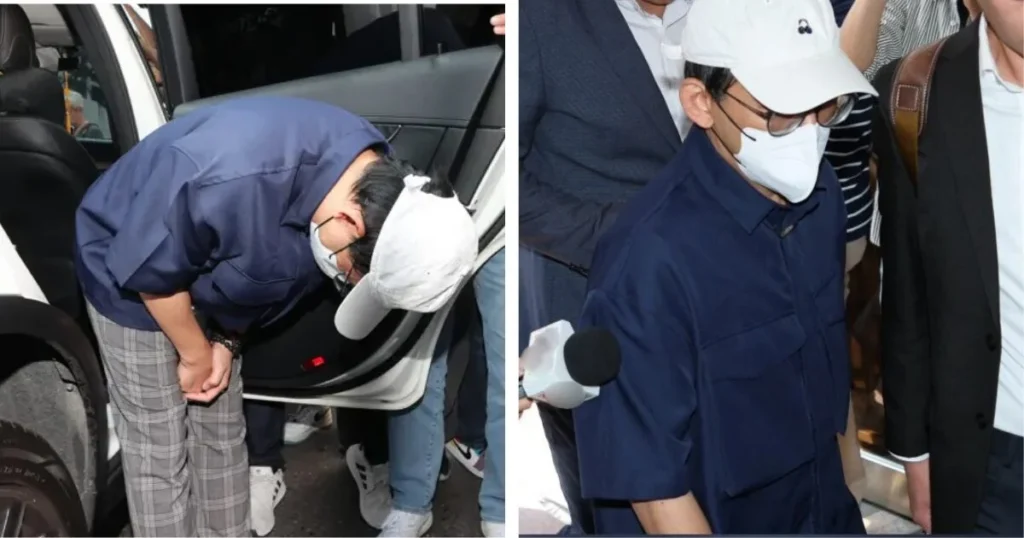
The High Court’s decision to grant a suspended sentence was based on several specific legal factors. According to the court’s official statement, the leniency was applied because Huang had no prior criminal record and had successfully reached financial and legal settlements with many of the victims involved. While the prison term is suspended, Huang is subject to strict conditions over the next four years. Should he violate any laws or fail to meet the court’s requirements during this probationary period, the suspension will be revoked, and he will be required to serve the full eighteen months in a correctional facility.
In addition to the suspended sentence, the court ordered Huang to perform 180 hours of community service. He is also mandated to attend three separate legal and ethics education sessions designed to address the nature of his crimes and the legal protections afforded to minors. This final verdict follows an earlier trial in December 2024, where a lower court had initially sentenced him to eight months in prison alongside a fine of approximately $3,400 USD. The adjustment by the High Court reflects a shift toward a longer, albeit suspended, term coupled with rehabilitative requirements.
The Catalyst: Taiwan’s #MeToo Movement
The legal troubles for Mickey Huang began in mid-2023, coinciding with the height of the #MeToo movement in Taiwan. The movement, which saw a surge of survivors coming forward to name powerful figures in politics, media, and academia, provided the platform for a woman to accuse Huang of sexual harassment. The accuser alleged that Huang had behaved inappropriately toward her when she was a teenager several years prior.
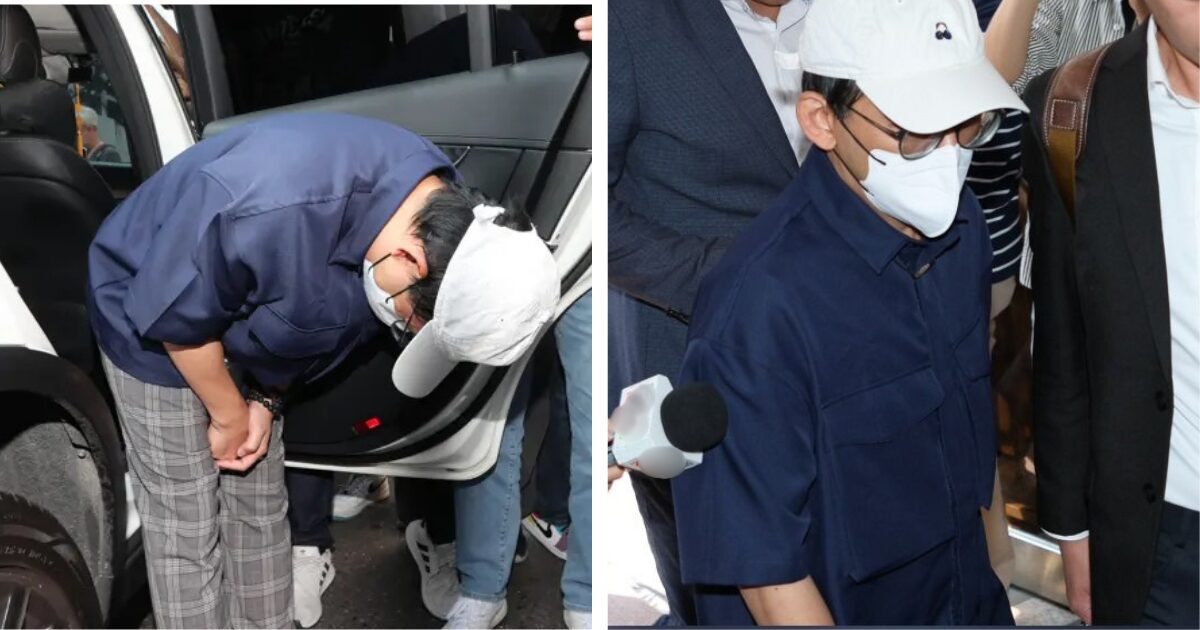
In response to these public allegations, Huang posted a video apology on social media, admitting to "inappropriate actions" and expressing remorse. Shortly after the apology, Huang was hospitalized following a reported suicide attempt. While the specific allegations of sexual harassment from the #MeToo movement did not immediately lead to criminal charges due to the statute of limitations or lack of physical evidence at the time, the ensuing police investigation into his personal devices uncovered a far more extensive and illegal digital archive.
Discovery of the "Creative Private Room" Archive
During the search of Huang’s personal computer and external hard drives, investigators discovered a massive collection of illicit content. The evidence revealed that Huang had been a long-time member of an illegal online community known as "Creative Private Room." This platform has been described by local media and law enforcement as "Taiwan’s Nth Room," a reference to the infamous South Korean digital sex crime ring that shocked the world in 2020.
The "Creative Private Room" operated as a hidden, invite-only community where users paid for access to non-consensual sexual content, including videos captured via hidden cameras (molka) and content involving minors. Investigation records indicate that Huang registered for the community as early as February 12, 2013. His activity on the site was consistent for years, with documented purchases occurring between August 8, 2017, and July 8, 2023. Notably, some of the purchases were made just days after his public #MeToo apology and suicide attempt, a fact that prosecutors highlighted to demonstrate a lack of genuine reform during that period.
Scale of the Evidence and Impact on Victims
The sheer volume of the material found in Huang’s possession served as the backbone of the prosecution’s case. Forensic analysis identified over 2,300 sexually explicit videos and images. Within this archive, authorities were able to identify at least 35 distinct victims who were minors at the time the content was produced. The ages of these victims ranged from as young as 10 to 17 years old.

The "Creative Private Room" investigation has been one of the largest crackdowns on digital sex crimes in Taiwan’s history. The platform functioned on a tiered membership system, where higher-paying members—often referred to as "Golden Members"—received access to the most "exclusive" and illegal content. Huang was identified as a high-level participant in this ecosystem. The discovery of his involvement sent shockwaves through the Taiwanese entertainment industry, as Huang had maintained a "clean" and "wholesome" public image for decades, hosting major award ceremonies and variety shows.
Official Responses and Public Backlash
The decision to grant a suspended sentence has met with intense scrutiny from child advocacy groups and the general public. Critics argue that the sentence is disproportionately light given the number of victims and the duration of the crime. Advocacy groups have pointed out that the consumption of such material directly fuels the market for the sexual exploitation of children, suggesting that high-profile individuals should be held to a higher standard of accountability to serve as a deterrent.
Huang’s legal team, however, argued that his cooperation with the investigation and his willingness to settle with victims showed a degree of remorse that justified a suspended sentence. In Taiwan’s legal system, reaching a settlement with victims is a significant factor in sentencing, as it is viewed as a form of restorative justice where the defendant takes financial responsibility for the harm caused.
Huang’s wife, Summer Meng, who is also a well-known actress, has faced significant public pressure throughout the proceedings. In previous statements, she acknowledged the gravity of her husband’s actions and expressed her commitment to supporting the victims while also standing by her family. Her public stance has been a point of contention, with some praising her loyalty and others criticizing her for seemingly minimizing the nature of the crimes.
Broader Implications for Digital Sex Crime Legislation
The Mickey Huang case has become a landmark moment for Taiwan’s judicial approach to digital sex crimes. It has highlighted several gaps in current legislation regarding the possession and purchase of illegal digital content. In the wake of the "Creative Private Room" scandal, there have been renewed calls in the Legislative Yuan (Taiwan’s parliament) to stiffen penalties for those who participate in digital sex crime rings.
Currently, Taiwanese law distinguishes between the production of such material and its mere possession. However, the Huang case has demonstrated that the "consumer" end of the industry is what sustains the production cycle. Legal experts suggest that the four-year suspension for Huang will serve as a test case for whether community service and legal education are sufficient deterrents for high-profile offenders.
Furthermore, the case has prompted a massive cleanup of Taiwan’s digital landscape. Authorities have worked to shut down mirrors of the "Creative Private Room" and have increased surveillance on encrypted messaging apps where such content is often traded. The investigation into the platform’s administrators and other high-paying members remains ongoing, with more arrests expected as forensic teams continue to decrypt server data.
Industry Consequences and Future Outlook
For Mickey Huang, the professional consequences have been absolute. Since the initial allegations surfaced in 2023, his career in the entertainment industry has effectively ended. Brands have severed ties, variety shows have replaced him, and his previous works have been pulled from many streaming platforms. The "cancel culture" response in this instance was driven by the severe nature of the child exploitation charges, which many fans found unforgivable.
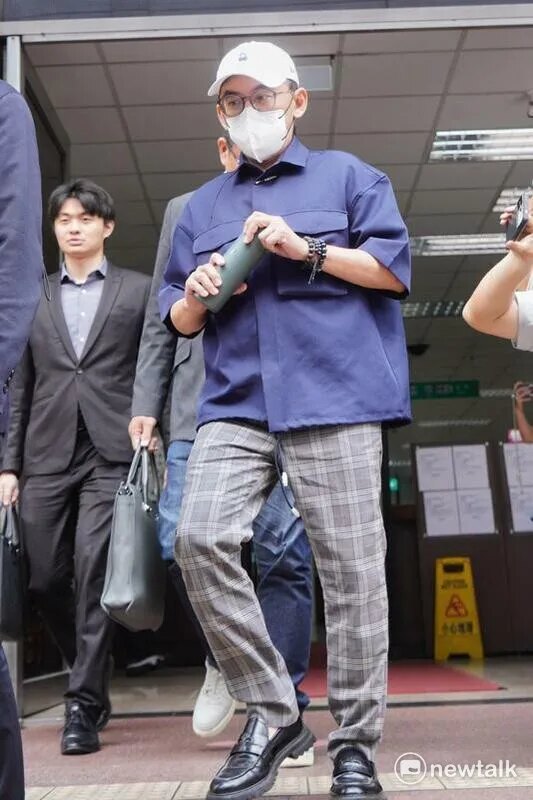
The entertainment industry in Taiwan is now grappling with a period of self-reflection. The #MeToo movement and the subsequent discovery of Huang’s digital activities have led to a "cleansing" of the industry, where several veteran stars have been forced into retirement or faced legal action. This shift marks a significant change in a culture that was previously criticized for being overly protective of its male stars.
As Huang begins his four-year probationary period, the eyes of the public remain on the judicial system. The case serves as a stark reminder of the dark underbelly of digital media and the ongoing struggle to protect minors from exploitation in the internet age. While the legal battle may be reaching its conclusion, the social and legislative repercussions of the Mickey Huang scandal are likely to be felt for years to come, potentially leading to a fundamental overhaul of how Taiwan handles crimes involving the sexual exploitation of children and the digital networks that facilitate them.