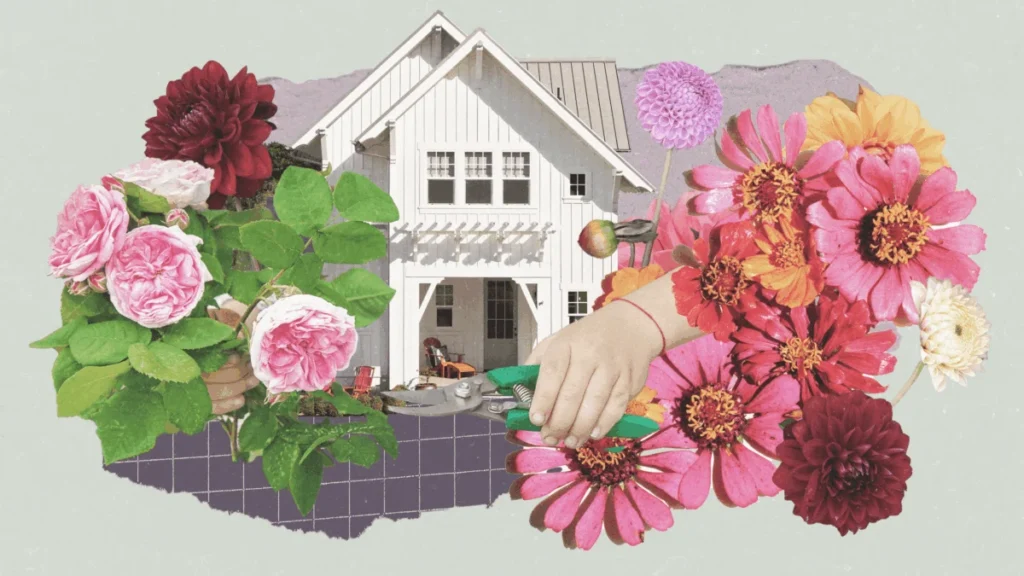

As the meteorological summer approaches, the horticultural landscape undergoes a profound transformation, shifting from the delicate buds of spring to a robust and diverse kaleidoscope of colors and scents. While traditional summer activities such as outdoor dining and pool recreation remain staples of the season, the cultivation of seasonal flora has increasingly become a focal point for homeowners and urban dwellers alike. This surge in interest is supported by a growing body of evidence suggesting that home gardening provides significant ecological benefits, including the support of local pollinator populations and the mitigation of urban heat island effects. To achieve a successful summer garden, horticulturists emphasize the selection of appropriate species, ranging from 15-foot-tall giants to low-maintenance perennials suited for novice enthusiasts.

The Science of Summer Selection: Understanding Hardiness Zones
The foundational element of successful summer gardening is the adherence to the United States Department of Agriculture (USDA) Plant Hardiness Zone Map. This map, which was significantly updated in 2023 to reflect changing climatic conditions, divides North America into 13 distinct zones based on average annual extreme minimum winter temperatures. These zones serve as a critical guide for determining which of the 21 most popular summer flowers will thrive in a specific geographic location. For instance, a perennial that flourishes in the humid heat of Zone 9 may struggle to survive the shorter growing season of Zone 4.

The 2023 update to the USDA map revealed that approximately half of the United States shifted into a warmer half-zone compared to the previous 2012 map. This shift has direct implications for summer gardening, as it allows for the cultivation of certain varieties—such as gardenias or hibiscus—in regions where they previously might have failed. Gardeners are encouraged to consult the updated digital maps, which now offer higher resolution and more accurate localized data, to ensure their summer investments are viable.

A Curated List of Summer Flora: From Tall Giants to Fragrant Blooms
Horticulturists categorize summer flowers based on their growth habits, maintenance requirements, and ecological roles. The following 21 varieties represent the diversity available to modern gardeners:

- Hydrangeas: Known for their large, globe-like flower heads, these are staples of the summer garden. They are particularly favored for their ability to change color based on soil pH levels.
- Marigolds: Highly valued for their pest-repellent properties, these hardy annuals are essential for integrated pest management in vegetable gardens.
- Geraniums: These versatile plants are favorites for container gardening and window boxes, offering consistent blooms throughout the heat of July and August.
- Gardenias: Prized for their intoxicating fragrance and waxy white petals, these require slightly more acidic soil and consistent moisture.
- Petunias: A mainstay of hanging baskets, modern hybrids offer a wide range of colors, including deep purples and striped varieties.
- Knockout Roses: These are bred specifically for disease resistance and a "self-cleaning" habit, meaning they do not require deadheading to continue blooming.
- Lavender: A drought-tolerant perennial that provides both visual appeal and a soothing scent, essential for "sensory gardens."
- Bee Balm (Monarda): As the name suggests, this plant is a magnet for bees and hummingbirds, characterized by its unique, ragged blossom shape.
- Zinnias: Often cited as the perfect flower for beginners, zinnias grow quickly from seed and produce sturdy stems ideal for cutting.
- Gerbera Daisies: Known for their vibrant, almost neon colors, these are frequently used in professional floral arrangements.
- Oriental Lilies: These offer some of the most powerful fragrances in the garden and can reach significant heights.
- Sunflowers: Capable of reaching heights of 15 feet or more, these serve as dramatic focal points and provide seeds for local bird populations.
- Coneflowers (Echinacea): A hardy native perennial that supports butterflies and is renowned for its medicinal properties.
- Black-eyed Susans (Rudbeckia): These bright yellow flowers are exceptionally heat-tolerant and can thrive in poor soil conditions.
- Daylilies: Known as the "perfect perennial," they are nearly indestructible and come in thousands of cultivars.
- Dahlias: Though they require more care—including the digging up of tubers in colder zones—their complex geometric shapes are a highlight of late summer.
- Hibiscus: Both hardy and tropical varieties offer a "vacation feel" with massive, plate-sized blooms.
- Lantana: An excellent choice for extreme heat, these clusters of small flowers are highly attractive to butterflies.
- Coreopsis: Also known as Tickseed, these provide a carpet of yellow or bicolor blooms with very little maintenance.
- Salvia: The spiky blue or red blooms of salvia provide a vertical element to garden beds and are highly drought-resistant.
- Peonies: While they bloom in early summer, their lush foliage remains an attractive garden backdrop throughout the season.
Chronology of the Summer Growing Season
The lifecycle of a summer garden follows a specific chronological trajectory that requires proactive management.

Phase I: Spring Preparation (March–May)
During this period, gardeners focus on soil health. Testing soil pH and amending it with organic compost ensures that nutrients are available when plants enter their rapid growth phase. This is also the time for "hardening off"—gradually exposing greenhouse-grown plants to outdoor conditions to prevent transplant shock.

Phase II: Early Summer Planting (June)
As the threat of frost passes, the 21 varieties mentioned above are typically transitioned into the ground or larger containers. This phase is critical for establishing root systems before the intense heat of mid-summer arrives.

Phase III: Mid-Summer Maintenance (July–August)
This is the peak blooming period but also the most stressful time for plants. Irrigation management becomes paramount. Experts recommend deep, infrequent watering at the base of the plant early in the morning to minimize evaporation and prevent fungal diseases on the foliage.

Phase IV: Late Summer and Harvest (Late August–September)
For those growing "cut flower" varieties like zinnias and lilies, this is the time for harvesting. Regular "deadheading"—the removal of spent blooms—is essential during this phase to trick the plant into producing more flowers rather than shifting its energy toward seed production.

Urban Gardening and the Rise of Balcony Horticulture
A significant trend in modern horticulture is the adaptation of summer flowers to small-space gardening. Data from the National Gardening Association indicates a 20% increase in container gardening over the last five years, driven largely by younger, urban-dwelling demographics.

For those limited to porches or balconies, the selection process focuses on "compact" or "dwarf" cultivars. Species such as petunias, geraniums, and petite knockout roses are specifically bred to thrive in the confined root space of pots. These small-scale gardens play a vital role in urban ecology by providing "pollinator waystations" in concrete-heavy environments. Furthermore, the presence of greenery on balconies has been shown to reduce the ambient temperature of buildings, contributing to energy efficiency during peak summer heat.

Economic and Environmental Implications
The cultivation of summer flowers extends beyond mere aesthetics; it is a significant economic driver. The U.S. floriculture industry is valued at billions of dollars annually, with summer being a peak season for both plant sales and the cut-flower market. However, there is a growing shift toward "slow flowers"—a movement that encourages consumers to grow their own bouquets or buy from local growers to reduce the carbon footprint associated with the international shipping of flowers.

Environmentally, the choice of summer flowers has a direct impact on biodiversity. The decline in pollinator populations, including the Monarch butterfly and various honeybee species, has prompted environmental agencies to advocate for the planting of nectar-rich species like Bee Balm and Coneflowers. By integrating these into home gardens, individuals contribute to a fragmented but vital network of habitats that support these essential insects.

Expert Perspectives and Future Outlook
Agricultural experts emphasize that as global temperatures continue to rise, the definition of "summer flowers" may evolve. Dr. Elena Richards, a horticultural researcher, notes that "we are seeing a trend toward ‘xeriscaping’—the use of drought-tolerant species—even in regions that traditionally had high rainfall. The summer garden of the future will likely prioritize resilience alongside beauty."

In response to these changes, many gardening communities are moving toward "smart gardening" technologies. This includes the use of soil moisture sensors and automated drip irrigation systems that ensure plants receive the exact amount of water needed, reducing waste and labor.

The broader implication of this horticultural resurgence is a renewed connection between the public and the natural environment. Whether through a 15-foot sunflower in a suburban backyard or a single pot of lavender on a high-rise balcony, the act of growing summer flowers serves as a vital intersection of art, science, and environmental stewardship. As the season progresses, these 21 varieties will continue to define the visual and ecological character of the landscape, providing a sanctuary for both humans and wildlife alike.