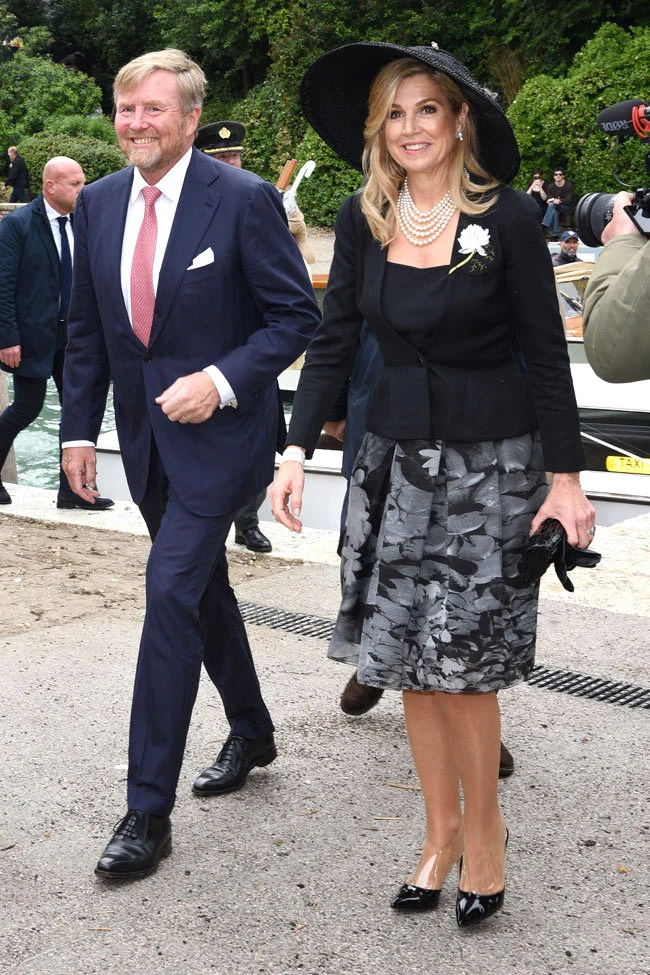

In a significant demonstration of cultural diplomacy, Queen Máxima and King Willem-Alexander of the Netherlands arrived in Venice, Italy, to officially inaugurate the Dutch Pavilion at the Venice Biennale. The visit underscores the Netherlands’ long-standing commitment to the international arts community and highlights the monarchy’s role in promoting Dutch creative industries on a global stage. The Venice Biennale, often referred to as the "Olympics of the art world," serves as a premier platform for contemporary art, and the Dutch presence this year continues a tradition of provocative and intellectually rigorous contributions.
The royal couple’s appearance at the Giardini della Biennale—the historic park that houses the national pavilions—marked a pivotal moment for the Dutch delegation. Their participation emphasizes the importance of the Mondriaan Fund, the public cultural funding organization that commissions the Dutch entry every two years. By attending the inauguration, the King and Queen have signaled that the arts remain a cornerstone of Dutch national identity and an essential tool for international dialogue.
The Inauguration Ceremony and Royal Tour
The inauguration began with an official reception at the Netherlands Pavilion, where the royal couple was greeted by high-ranking officials from the Biennale, including the President of the Biennale Foundation and the curator of the international exhibition. The atmosphere was one of sophisticated celebration as the King and Queen engaged with the artists and curators responsible for this year’s presentation.
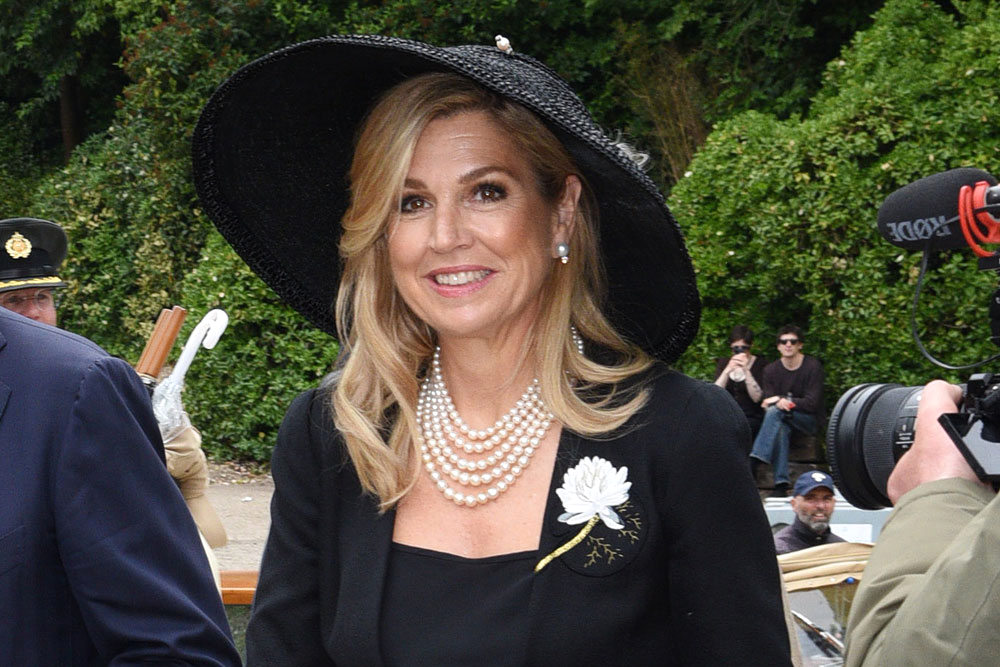
Following a ribbon-cutting ceremony, Queen Máxima and King Willem-Alexander were given a private tour of the exhibition. The royal couple is known for their genuine interest in contemporary issues, and the tour provided an opportunity for them to discuss the themes of the installation directly with the creators. The Dutch Pavilion has a history of addressing complex social and political themes, ranging from post-colonialism to environmental sustainability, and this year’s entry continues that trajectory.
During the tour, King Willem-Alexander remarked on the power of art to bridge cultural divides, while Queen Máxima noted the exceptional craftsmanship and innovation displayed by Dutch artists. The visit was not limited to the Dutch Pavilion; the royal couple also took the opportunity to visit several other national pavilions and the main international exhibition, demonstrating a broad support for the global artistic community.
Historical Context of the Netherlands Pavilion
The Netherlands has a storied history at the Venice Biennale, being one of the first countries to establish a permanent national pavilion in the Giardini. The current structure, designed by the renowned architect Gerrit Rietveld in 1954, is a masterpiece of modernist architecture. Its clean lines, open spaces, and emphasis on natural light reflect the De Stijl movement’s influence and provide a neutral yet powerful backdrop for contemporary art.
The Rietveld Pavilion replaced an earlier structure from 1912, symbolizing the Netherlands’ post-war commitment to modernity and internationalism. Over the decades, the pavilion has hosted some of the most influential figures in Dutch art, including Piet Mondrian, Willem de Kooning, and more recently, artists like Marlene Dumas and Guido van der Werve. The selection process for the pavilion is highly competitive, managed by the Mondriaan Fund, which appoints a jury to select a proposal that best represents the current state of Dutch contemporary art.
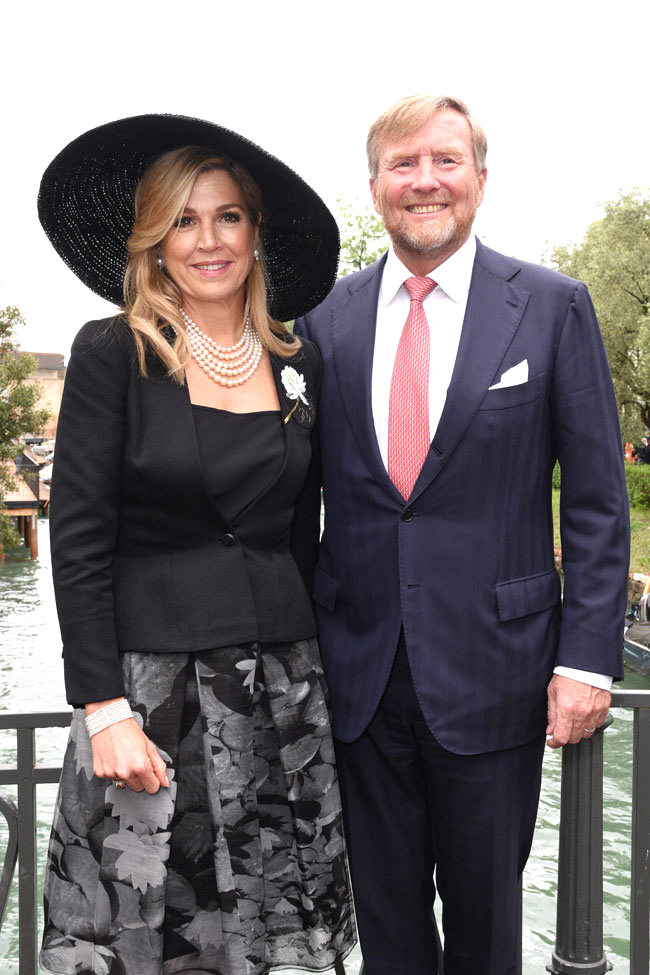
The 2026 edition of the Biennale, which the King and Queen inaugurated, occurs at a time when the festival is increasingly focused on the intersection of art and global challenges. The Dutch contribution is viewed by critics as a vital component of the Biennale’s broader narrative, often providing a unique Northern European perspective on shared global concerns.
Royal Attire and the Promotion of Dutch Design
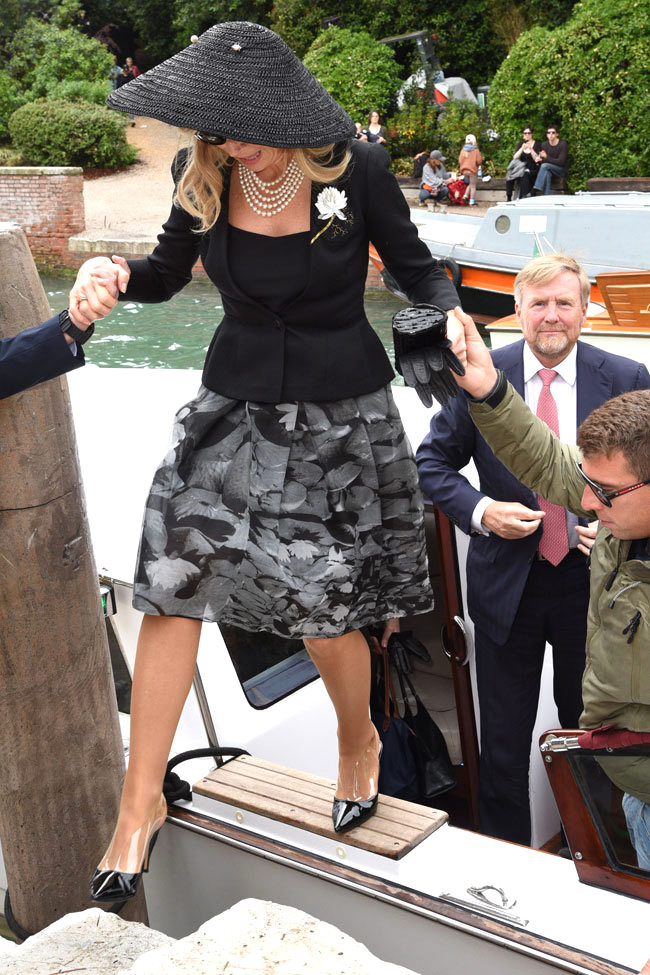
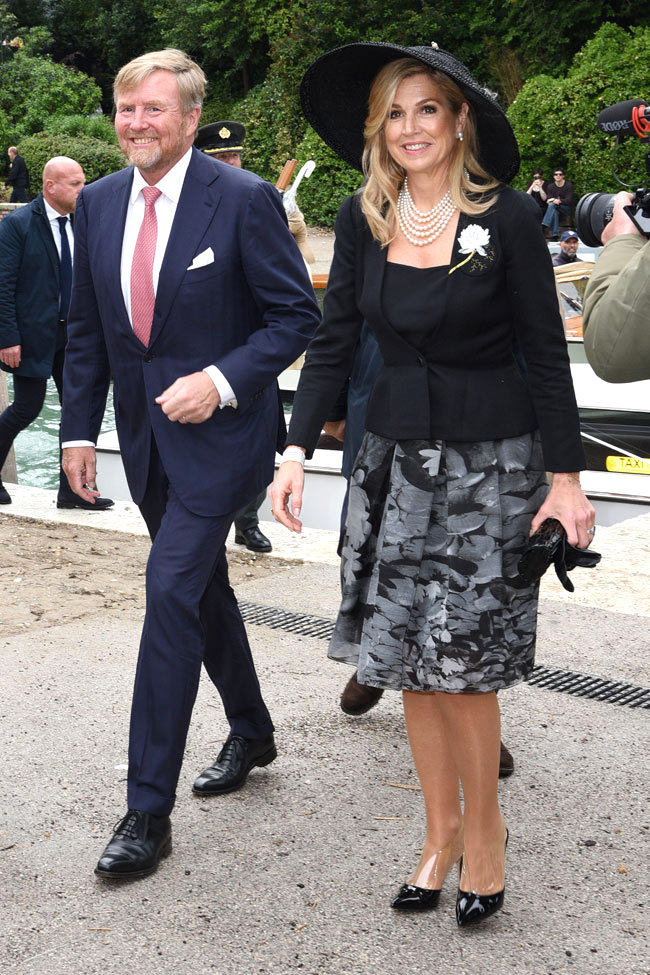
As is customary for international engagements, Queen Máxima used the occasion to showcase Dutch fashion, effectively acting as an ambassador for the nation’s design sector. For the inauguration, the Queen wore a sophisticated ensemble by Dutch designer Mattijs van Bergen. The outfit consisted of a meticulously tailored blazer and jacket paired with a coordinated top and a printed skirt featuring intricate pleating.
The choice of Mattijs van Bergen is significant. Van Bergen is celebrated for his architectural approach to fashion and his ability to blend traditional craftsmanship with contemporary silhouettes. The Queen’s ensemble, characterized by its textured fabrics and structured proportions, was complemented by a wide-brimmed hat, a signature element of her formal wardrobe.
While the Queen’s attire adhered to the formal requirements of a royal engagement, it also integrated modern elements, such as her choice of footwear. She opted for Gianvito Rossi shoes, featuring contemporary materials that added a sharp, modern edge to the overall look. King Willem-Alexander complemented the Queen’s aesthetic with a classic navy suit, accented by a whimsical pink tie—a subtle nod to the creative and celebratory nature of the Biennale.
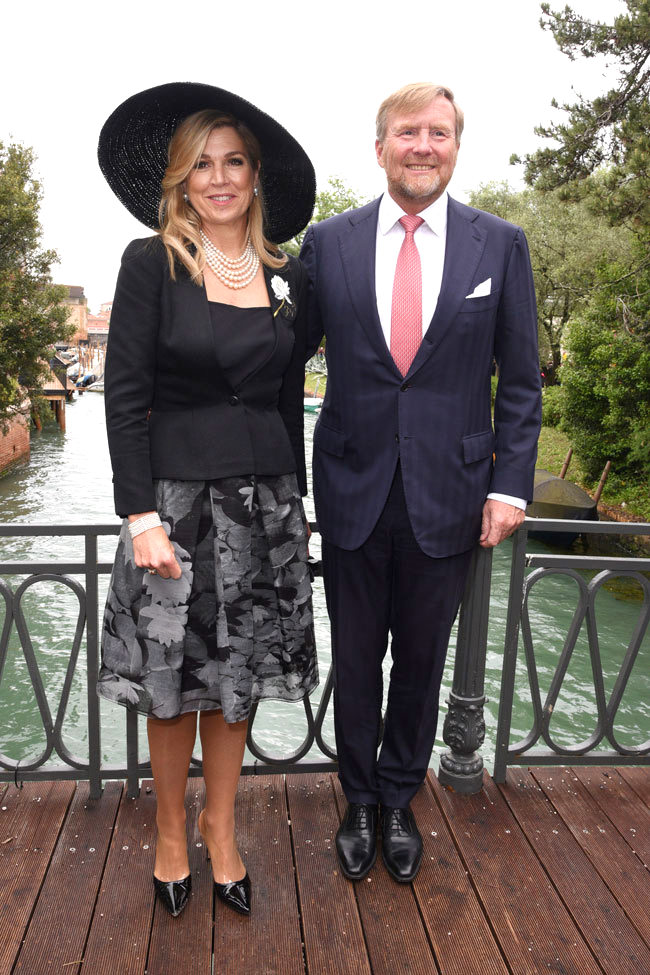
The royal couple’s sartorial choices are rarely accidental; they are a calculated part of the "soft power" exerted by the monarchy. By wearing Dutch designers, Queen Máxima provides them with a global platform, boosting the profile of the Netherlands’ creative economy.
The Role of the Mondriaan Fund and Artistic Selection
The Dutch entry at the Venice Biennale is the result of years of planning and significant financial investment. The Mondriaan Fund, which operates under the aegis of the Ministry of Education, Culture, and Science, is responsible for the Dutch representation. For each Biennale, the fund issues an open call for proposals, inviting curators and artists to submit concepts that challenge and inspire.
The selection for the 2026 pavilion was praised for its boldness. The chosen project reflects the fund’s mission to support art that is not only aesthetically significant but also socially relevant. The budget for the Dutch pavilion typically covers the production of the artwork, the publication of an accompanying catalog, and the maintenance of the pavilion for the duration of the seven-month exhibition.
Data from previous years indicates that the Dutch Pavilion attracts an average of 400,000 to 500,000 visitors per Biennale. This high level of visibility ensures that the investment made by the Mondriaan Fund has a lasting impact on the careers of the participating artists and the international reputation of Dutch art.
Supporting Data: The Economic and Cultural Impact of the Biennale
The Venice Biennale remains a powerhouse of cultural tourism and economic activity. According to data from the Biennale Foundation, the 2024 edition saw over 800,000 tickets sold, with international visitors accounting for nearly 60% of the total. The economic impact on the city of Venice is estimated in the hundreds of millions of euros, benefiting the hospitality, transportation, and service sectors.
For the Netherlands, participation is a strategic investment. The Dutch government allocates a specific portion of its international cultural policy budget to the Biennale, recognizing that a strong presence in Venice translates into increased opportunities for Dutch artists in museums and galleries worldwide. Statistical analysis of past participants shows a marked increase in international exhibitions and acquisitions for artists who have represented the Netherlands in the Rietveld Pavilion.
Furthermore, the Biennale serves as a networking hub for museum directors, collectors, and critics. The presence of the King and Queen elevates the Dutch pavilion’s status, ensuring it is a "must-see" destination for the art world’s elite. This high-level patronage is a key factor in the Netherlands’ ability to maintain its position as a leading cultural nation.
Broader Implications for Dutch Cultural Diplomacy
The visit of Queen Máxima and King Willem-Alexander to Venice is more than a ceremonial duty; it is a manifestation of the Netherlands’ "soft power" strategy. In an increasingly interconnected world, cultural influence is a vital component of international relations. By championing the arts, the Dutch monarchy helps to project an image of the Netherlands as an innovative, open, and intellectually vibrant society.
The themes explored in the Dutch Pavilion—often involving dialogue, reflection, and a critique of existing power structures—align with the broader values of Dutch foreign policy, which emphasizes human rights, international law, and global cooperation. The arts provide a space where these values can be explored and communicated in ways that traditional diplomacy cannot.
As the royal couple concluded their visit and departed the Giardini via the traditional Venetian water taxi, the impact of their presence was clear. The inauguration of the Netherlands Pavilion was not merely the opening of an art exhibition; it was a high-profile affirmation of the enduring link between the Dutch state, its monarchy, and the transformative power of contemporary art. The exhibition will remain open to the public through November, expected to draw hundreds of thousands of visitors who will engage with the Dutch creative vision on the world’s most prestigious artistic stage.