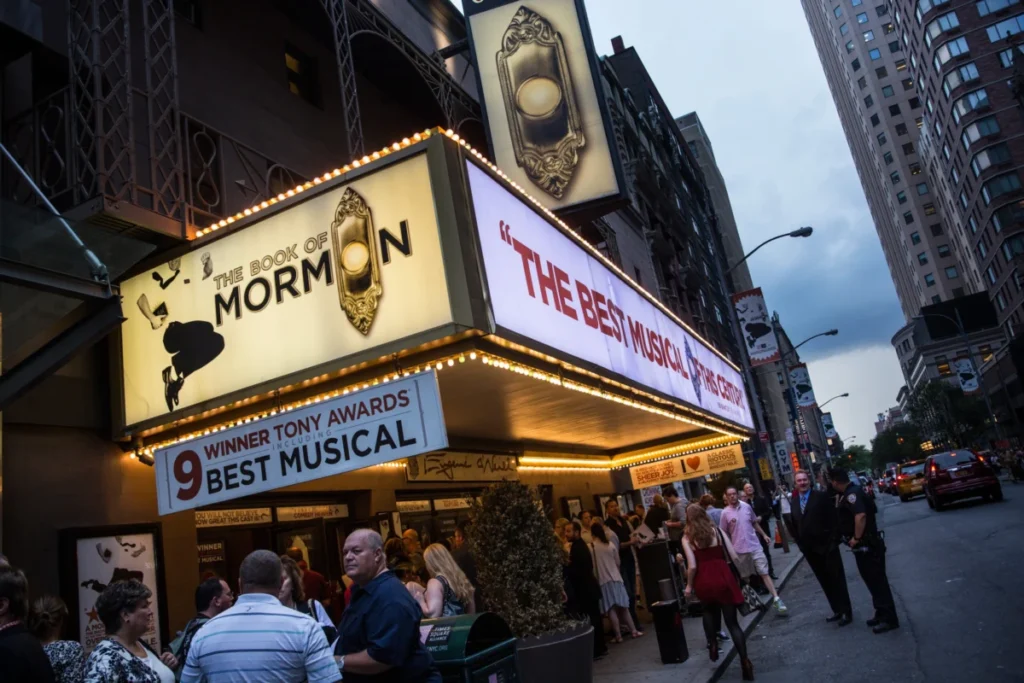

The critically acclaimed and long-running Broadway production of The Book of Mormon has announced a significant suspension of performances, extending through May 17, following a fire that erupted at the historic Eugene O’Neill Theater in New York City on the morning of May 4. While initial reports from the New York Fire Department (FDNY) indicated "substantial" damage to an electrical room on the fourth floor, subsequent updates from the production have clarified that the blaze was primarily contained to the follow spot booth, a critical technical area housing powerful lighting equipment. This incident has temporarily halted one of Broadway’s most enduring and financially successful shows, raising questions about the timeline for its return and the broader implications for theater safety and operations in a city renowned for its performing arts.
Immediate Impact and Cancellations
The fire’s immediate aftermath saw the swift cancellation of The Book of Mormon performances scheduled for May 5 and 6 as authorities assessed the damage and ensured the safety of the venue. As investigations progressed, the production later extended this cancellation period, confirming that no performances would take place through May 17. However, in a statement designed to reassure patrons and industry stakeholders, the production expressed optimism, indicating that performances are "anticipated to resume" at the Eugene O’Neill Theater "in the coming weeks." This projection suggests a concerted effort to mitigate the damage and restore the theater to operational capacity as quickly as possible, a complex undertaking given the specialized nature of theatrical infrastructure and the stringent safety standards required for public venues. The abrupt halt affects hundreds of cast, crew, and administrative staff, alongside thousands of ticket holders whose plans for attending the award-winning musical have been disrupted.
Chronology of the Incident
The alarm was first raised on Monday, May 4, at precisely 10:03 a.m., when the New York Fire Department received a report of a fire at the Eugene O’Neill Theater, located at 230 West 49th Street in the heart of the Theater District. The response was immediate and robust, characteristic of the FDNY’s protocol for incidents in densely populated areas and historic buildings. A total of 63 units, comprising 192 firefighters and EMS workers, were dispatched to the scene. Upon arrival, emergency personnel quickly initiated operations to locate and contain the blaze.
Initial reports from fire department officials at a press conference shortly after the incident detailed a fire in the electrical room situated between the fourth and fifth floors. This area, integral to the theater’s power distribution system, posed significant challenges due to the potential for widespread electrical damage. After successfully addressing this initial outbreak, firefighters encountered a secondary blaze. This subsequent incident, located between the fifth floor and the roof of the building, also involved a substantial amount of electrical equipment. The complexity of tackling two separate electrical fires in an active theater building underscored the professionalism and swift action of the FDNY. Throughout the operation, the building was safely cleared of all personnel, a testament to effective emergency protocols. Regrettably, one firefighter sustained an injury while actively engaged in combating the blaze, highlighting the inherent dangers faced by first responders. The nature of the firefighter’s injury was not immediately disclosed but served as a stark reminder of the risks involved in such operations.
Initial Damage Assessment and Subsequent Clarifications
Following the incident, the FDNY initially characterized the damage to the fourth-floor electrical room as "substantial." This assessment naturally led to concerns about a prolonged closure, given the intricate electrical systems required to power a major Broadway production. However, by Wednesday, the production issued a clarifying statement, indicating that the fire was, in fact, "limited to the follow spot booth." This distinction is crucial. A follow spot booth, while housing powerful and essential lighting equipment used to highlight performers on stage, typically represents a more localized area of potential damage compared to a primary electrical distribution room. This clarification offered a more optimistic outlook for a relatively quicker repair and resumption of performances, though the extent of smoke, water, and electrical damage within that specific area, and its potential impact on surrounding systems, remains a key factor in the repair timeline. The exact cause of the fire is currently under investigation, with fire marshals likely examining electrical wiring, equipment malfunction, and operational procedures within the booth. Understanding the cause will be vital for implementing preventative measures moving forward.
The Eugene O’Neill Theatre: A Historic Venue
The Eugene O’Neill Theater, where The Book of Mormon has been enchanting audiences for over a decade, is itself a piece of Broadway history. Opened on November 24, 1925, as the Forrest Theatre, it was designed by architect Herbert J. Krapp, a prolific figure responsible for many of Broadway’s iconic playhouses. The theater has undergone several name changes and renovations throughout its nearly century-long existence, eventually being renamed in 1959 to honor the groundbreaking American playwright Eugene O’Neill. With a seating capacity of approximately 1,100, it is a mid-sized Broadway house, known for its elegant interior and intimate atmosphere.
Over the decades, the O’Neill has hosted a diverse array of productions, from classic plays to contemporary musicals, contributing significantly to Broadway’s rich tapestry. Its infrastructure, like many historic Broadway theaters, blends original architectural elements with modern technological installations, a common challenge in maintaining these beloved venues. The integration of cutting-edge theatrical technology within structures nearly a century old requires continuous vigilance and significant investment in maintenance and upgrades to meet contemporary safety standards and production demands. This incident underscores the complexities of preserving and operating such historic buildings in a modern entertainment landscape.
The Book of Mormon: A Broadway Phenomenon
The Book of Mormon premiered on Broadway at the Eugene O’Neill Theater on March 24, 2011, and quickly became a cultural phenomenon. Created by Trey Parker and Matt Stone, the minds behind the animated television series South Park, along with Robert Lopez, co-creator of Avenue Q and Frozen, the musical brought a fresh, irreverent, and often controversial voice to the Great White Way. It tells the story of two young Mormon missionaries sent to a remote village in northern Uganda, where they encounter a community grappling with poverty, AIDS, and violence. The show’s satirical humor, catchy songs, and surprisingly heartfelt message resonated deeply with critics and audiences alike.
Its critical reception was overwhelmingly positive, leading to nine Tony Awards in 2011, including Best Musical. Its commercial success has been equally staggering, consistently ranking among Broadway’s top-grossing productions for over a decade. Before the pandemic, The Book of Mormon routinely generated weekly grosses exceeding $1 million, a testament to its enduring popularity. The show’s global reach extends beyond Broadway, with successful productions in London’s West End, national tours across North America, and international runs, solidifying its status as one of the most successful musicals of the 21st century. The financial impact of its temporary closure, even for a few weeks, is considerable, affecting not only the direct revenue streams but also the livelihoods of a large contingent of performers, musicians, stagehands, and administrative staff who rely on the show for their income.
Safety Protocols and Theater Infrastructure
The fire at the Eugene O’Neill Theater highlights the critical importance of robust safety protocols and continuous infrastructure maintenance within the theater industry. Broadway theaters, by virtue of being historic structures that host large public gatherings, are subject to rigorous safety inspections by various city agencies, including the FDNY, the Department of Buildings, and the Mayor’s Office of Media and Entertainment. These inspections cover everything from electrical systems and fire suppression equipment to structural integrity and emergency exits.
Modern theaters utilize sophisticated fire detection and suppression systems, including smoke detectors, sprinkler systems, and fire alarms, all designed to activate rapidly in the event of an emergency. Furthermore, electrical systems in theaters are incredibly complex, powering not only stage lighting and sound but also HVAC, emergency lighting, and various backstage machinery. Regular maintenance, adherence to electrical codes, and periodic upgrades are essential to prevent incidents like the one at the O’Neill. The fact that the fire was contained and the building cleared safely, with only one firefighter injury, speaks to the effectiveness of these protocols and the training of both theater staff and emergency responders. However, any incident involving an electrical fire in a historic building serves as a potent reminder of the constant vigilance required.
Broader Economic and Logistical Implications
The temporary closure of The Book of Mormon carries significant economic and logistical ramifications, extending beyond the production itself. Broadway is a cornerstone of New York City’s tourism industry, contributing billions of dollars annually to the local economy. In a typical pre-pandemic year, Broadway generates over $15 billion in economic impact for the city and supports nearly 100,000 jobs. Each canceled performance represents lost revenue not only for the theater owners (Jujamcyn Theaters, in this case) and the production but also for surrounding businesses such as restaurants, hotels, parking garages, and souvenir shops that rely on theatergoers.
From a logistical standpoint, resuming a major Broadway production is not as simple as flipping a switch. It involves:
- Thorough Damage Assessment: A detailed evaluation by structural engineers, electrical experts, and theatrical technicians to ensure the entire building is safe and compliant.
- Repairs and Replacements: Sourcing and installing specialized electrical components, lighting equipment, and potentially other damaged infrastructure. Given global supply chain issues, this could be a factor.
- Safety Inspections and Certifications: Obtaining new permits and certifications from city agencies confirming the venue is safe for public occupancy.
- Rehearsals: The cast and crew will likely require technical rehearsals to re-familiarize themselves with the stage and ensure all repaired systems are functioning correctly, especially after a period of hiatus.
- Ticketing Logistics: Managing thousands of canceled tickets, offering exchanges or refunds, and rescheduling future performances, all while communicating effectively with a broad audience base.
Community and Industry Response
While no official statements from the broader Broadway League or Jujamcyn Theaters were immediately available beyond the production’s updates, it can be inferred that the industry is closely monitoring the situation. The Broadway community is a tight-knit ecosystem, and any disruption to one of its flagship shows sends ripples throughout. There will likely be an outpouring of support for the cast and crew, and a collective sigh of relief that the damage was not more severe.
For ticket holders, the news presents an inconvenience, but the production’s proactive communication and anticipated return date will likely manage expectations. Many patrons travel to New York specifically to see Broadway shows, and cancellations can disrupt travel plans and incur additional costs. The smooth handling of refunds and exchanges will be paramount to maintaining customer goodwill.
Looking Ahead: Resumption and Recovery
The "coming weeks" timeline for the anticipated resumption of The Book of Mormon performances suggests a hopeful outlook for a relatively swift recovery. This period will be critical for repairs, rigorous safety checks, and the necessary administrative approvals to reopen the Eugene O’Neill Theater. The efficiency of this process will be a testament to the resilience and operational expertise of Broadway’s infrastructure and management.
As the theater world looks forward to the return of The Book of Mormon, this incident serves as a poignant reminder of the inherent challenges and responsibilities involved in maintaining the historic venues that house some of the world’s most beloved theatrical productions. It reinforces the paramount importance of stringent safety standards, regular maintenance, and the rapid, coordinated response of emergency services to protect both the irreplaceable cultural heritage of Broadway and the safety of its audiences and workforce. The ultimate goal remains the full and safe return of the lights on one of Broadway’s most vibrant stages, allowing Elder Price and Elder Cunningham to once again share their unique brand of missionary zeal with eager audiences.