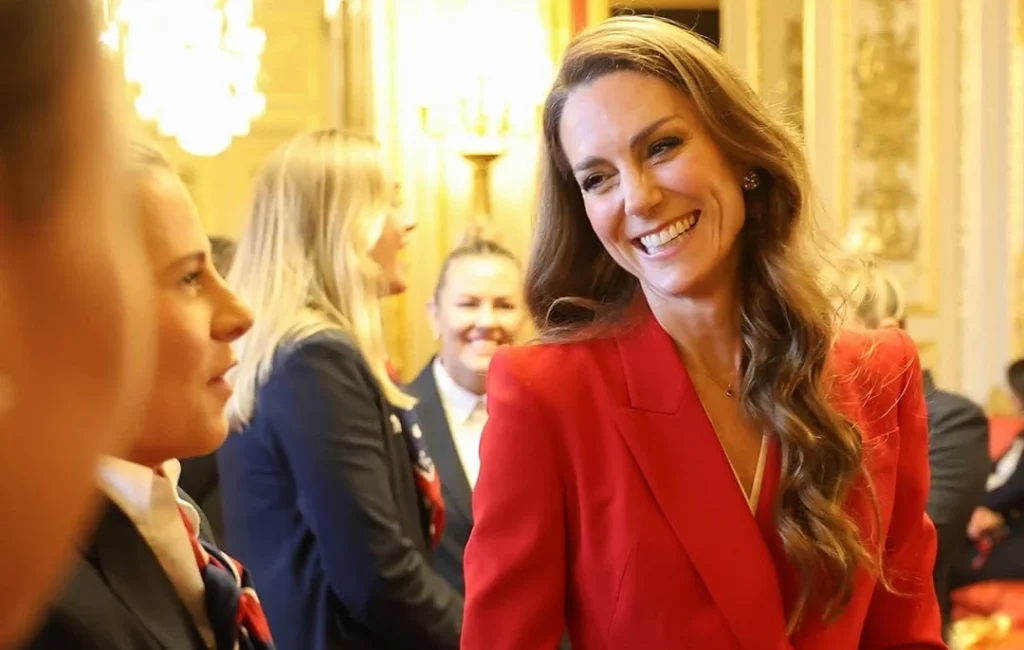

The Princess of Wales is poised to make a significant return to international engagements with her first overseas visit since beginning treatment for cancer. Her Royal Highness will travel to Reggio Emilia, Italy, next week for a two-day immersion into the celebrated early years educational philosophy that has long been a cornerstone of her philanthropic work. This visit marks a pivotal moment not only for the Princess personally but also for her Royal Foundation Centre for Early Childhood as it expands its reach and influence on a global scale.
The core objective of the Princess’s itinerary in northern Italy, scheduled for May 13th and 14th, is to gain firsthand insight into pioneering approaches that foster optimal development in the crucial early years of a child’s life. Her engagements will focus on understanding how environments, human relationships, and innovative pedagogical methods coalesce to shape young minds and support the well-being of both children and their caregivers. This initiative underscores the Princess’s unwavering commitment to elevating the discourse around early childhood development and advocating for policies and practices that nurture this formative period.
A Deep Dive into the Reggio Emilia Approach
The choice of Reggio Emilia is particularly resonant. This northern Italian city is internationally acclaimed for its distinctive educational philosophy, the Reggio Emilia Approach. This model is fundamentally rooted in the belief that every child possesses immense potential for growth and development, with a strong emphasis on the inherent rights of children. It champions a view of childhood as rich and full of possibilities, utilizing what is often referred to as the "hundred languages" – a metaphor for the myriad ways children express themselves, from drawing and sculpting to music and dance.
Key tenets of the Reggio Emilia Approach include the recognition of the environment as a third teacher, a space carefully designed to stimulate curiosity, exploration, and collaboration. It also places significant value on collegial work and relationship-based learning for educators and children alike. This holistic philosophy seeks to create learning environments where children are active participants in their own educational journey, encouraged to question, discover, and construct their understanding of the world through immersive experiences and dialogue.
Kensington Palace, in a statement previewing the visit, articulated the Princess’s enthusiasm: "The Princess is very much looking forward to visiting Italy next week and seeing firsthand how the Reggio Emilia approach creates environments where nature and loving human relationships come together to support children’s development." This sentiment highlights the Princess’s personal connection to the principles of the Reggio Emilia model, which she has actively promoted through her own initiatives.
The Royal Foundation Centre for Early Childhood: A Global Ambition
The Princess’s visit to Italy serves as a significant milestone for her Royal Foundation Centre for Early Childhood, established in 2021. This centre acts as a hub for research, collaboration, and practical action, aiming to transform societal understanding and prioritization of early years. Its mission is to foster a deeper societal appreciation for the critical importance of the first five years of life, recognizing that this period lays the foundation for lifelong well-being and opportunity.
In 2023, the Centre launched the impactful "Shaping Us" campaign, a nationwide initiative designed to raise public awareness about the profound influence of early childhood on individual development and societal progress. This campaign sought to encourage greater investment and focus on this crucial developmental stage. Building on this momentum, in 2025, the Centre unveiled its "Shaping Us Framework," which identifies 30 key social and emotional skills that are fundamental to healthy early development.
The expansion of the Centre’s work internationally, as exemplified by the Princess’s visit to Italy, signals a strategic move to engage with leading global expertise and to foster cross-cultural learning. By exploring the Reggio Emilia model, the Princess and her Foundation are seeking to identify transferable best practices that can inform and enrich early years provision both within the United Kingdom and on a broader international stage.
A Timeline of Early Years Advocacy
The Princess of Wales’s dedication to early childhood development has been a consistent and defining feature of her public life. Her advocacy in this area can be traced through a series of key initiatives and engagements:
- Founding of The Royal Foundation Centre for Early Childhood (2021): This marked a formalization of her commitment, establishing a dedicated entity to drive forward her vision for early years.
- Launch of the "Shaping Us" Campaign (2023): A high-profile public awareness campaign aimed at highlighting the critical importance of the first five years of life.
- Publication of the "Shaping Us Framework" (2025): A comprehensive guide detailing essential social and emotional skills for early development.
- International Engagements: Prior to her cancer treatment, the Princess had already begun to explore international models of early years care and education, recognizing the value of global collaboration. This current visit to Italy represents a continuation and amplification of these efforts.
The Princess’s itinerary in Reggio Emilia is expected to be multifaceted. She will engage with parents, educators, civic leaders, and business representatives to gain a comprehensive understanding of how the local approach to early childhood development is implemented and sustained. These interactions will provide invaluable insights into the practical application of the Reggio Emilia philosophy and its impact on shaping young lives.
Supporting Data and Broader Implications
The emphasis on early years development is supported by a substantial body of scientific evidence. Research consistently demonstrates that the experiences children have in their earliest years have a profound and lasting impact on their cognitive, social, emotional, and physical development. Investments in high-quality early childhood programs have been shown to yield significant returns, not only for individuals through improved educational outcomes and long-term health, but also for society through reduced crime rates, increased economic productivity, and greater social cohesion.
For instance, the World Health Organization (WHO) and UNICEF have repeatedly highlighted the critical window of opportunity during the first 1,000 days of a child’s life (from conception to age two) for establishing a foundation for lifelong health and well-being. The OECD’s "Starting Strong" reports have also underscored the importance of well-trained and supported early childhood educators, along with enabling environments, in fostering positive developmental trajectories.
The Princess’s engagement with the Reggio Emilia Approach, with its emphasis on child-led learning, creativity, and the environment as a facilitator of development, aligns with contemporary understandings of effective early years pedagogy. The "hundred languages" concept, in particular, speaks to the importance of diverse forms of expression and learning, moving beyond traditional academic metrics to embrace a more holistic view of child development.
Anticipated Reactions and Analysis
While official statements from Kensington Palace have been made, it is anticipated that the Princess’s visit will be met with considerable interest from early years professionals, educational theorists, and policymakers both in the UK and internationally. The visit provides an opportunity to:
- Showcase the strength of the UK’s commitment to early years: By engaging with a leading international model, the Princess signals the UK’s aspiration to be at the forefront of global best practices.
- Foster international collaboration: The visit could pave the way for further exchanges and partnerships between UK and Italian early years institutions, enriching the knowledge base for both countries.
- Highlight the importance of mental well-being in early childhood: The Reggio Emilia Approach’s focus on supportive relationships and responsive environments is particularly relevant in discussions around children’s mental health and emotional resilience, a growing area of concern.
- Provide a personal milestone: For the Princess, this visit represents a significant step in resuming her public duties following her cancer diagnosis, demonstrating her resilience and continued dedication to her charitable work.
The implications of this visit extend beyond the immediate engagements. By bringing the principles of the Reggio Emilia Approach to a wider audience through her platform, the Princess of Wales has the potential to influence policy discussions and public perception regarding early childhood education. This could lead to increased investment in early years settings, a greater emphasis on professional development for educators, and a deeper societal appreciation for the foundational importance of this developmental stage. The success of the "Shaping Us" campaign has already demonstrated her ability to galvanize public attention, and this international foray promises to further amplify her advocacy.
As the Princess of Wales embarks on this important journey to Italy, the world will be watching, eager to see how her insights from Reggio Emilia will shape the future of early years development initiatives championed by her and her Royal Foundation. Her commitment to this vital cause, particularly in resuming such a significant public engagement, underscores the enduring impact she aims to make on the lives of children and families.