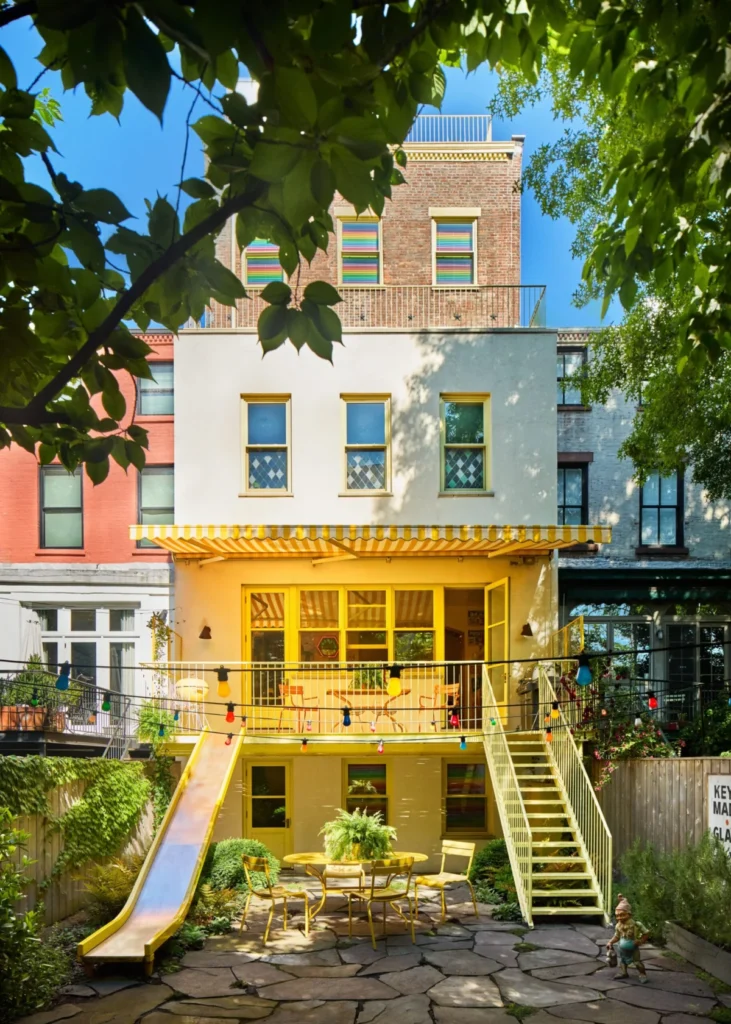

As urban density continues to reshape the residential landscape, the demand for sophisticated, small-scale outdoor furniture has reached an all-time high. In metropolitan hubs like New York City, London, and Tokyo, where outdoor square footage is often limited to modest balconies, fire escapes, or narrow terraces, the challenge for homeowners and renters alike is to transform these "perceived limitations" into high-functioning design opportunities. Industry analysts report that the global outdoor furniture market, currently valued at over $17 billion, is increasingly driven by the "compact living" segment, as consumers seek to replicate the luxury of a full-sized backyard within the constraints of an apartment balcony.

The shift toward intentional outdoor design reflects a broader societal trend where exterior spaces are treated as the "fifth room" of a home. This evolution has prompted manufacturers to move beyond the disposable, weather-worn plastic chairs of the past, focusing instead on durable materials such as powder-coated steel, weather-resistant wicker, and sustainably sourced acacia wood. The current market emphasizes pieces that offer maximum utility without the spatial "sprawl" traditionally associated with patio sets.
The Evolution of the Urban Outdoor Market
Historically, patio furniture was designed for expansive suburban lawns, characterized by oversized proportions and heavy materials. However, a decade of rapid urbanization has forced a design pivot. According to recent consumer reports, nearly 30% of new luxury residential developments in major cities now prioritize private outdoor space, even if that space is less than 50 square feet. This demographic shift has created a lucrative niche for "bistro-scale" and modular furniture.

The chronology of this design shift began in the early 2010s with the rise of the "industrial chic" aesthetic, which favored slim metal frames. By 2020, the global pandemic accelerated the need for high-quality outdoor respite, leading to a surge in demand for "resort-style" comfort—such as deep-seated lounge chairs and loveseats—re-engineered for small footprints. Today, the focus has matured into a blend of sculptural minimalism and high-performance material science.
Engineering for Constraints: The Rise of Armless and Low-Profile Seating
One of the most effective strategies in small-space design is the elimination of unnecessary bulk. Furniture designers have identified "arms" as a primary source of spatial inefficiency. Pieces like the Article Lubek Outdoor Low Loveseat and the 7th Avenue Armless Outdoor Seat exemplify this trend. By removing the armrests, these pieces provide the seating capacity of a traditional sofa while maintaining a significantly smaller visual and physical footprint.
.jpeg)
The Article Lubek, for instance, utilizes a low-profile frame constructed from acacia wood. Measuring just over two feet in depth, it allows for comfortable seating without obstructing the flow of traffic on a narrow balcony. Similarly, the 7th Avenue Armless Outdoor Seat employs premium all-weather aluminum paired with performance fabrics like basketweave and tweed. These materials are selected not only for their aesthetic appeal but for their ability to withstand the "micro-climates" of urban environments, which often involve high wind speeds on upper-floor balconies and increased exposure to pollutants.
Multifunctionalism and the "Side Table" Re-imagined
In a space where every square inch is contested, multifunctionality is the cornerstone of effective design. The HAY Palissade Ottoman serves as a case study in this philosophy. While traditionally classified as a footrest, its slatted steel construction allows it to function as a side table when paired with an outdoor-friendly tray. This dual-purpose utility is essential for urban dwellers who may need to transition a space from a solitary reading nook in the afternoon to a social hosting area in the evening.
.jpeg)
Furthermore, sculptural pieces like the CB2 Oakley Faux Limestone Outdoor Side Table demonstrate that small furniture can serve as a focal point. Limestone and faux-stone materials offer a sense of permanence and "weight" that prevents a small space from feeling cluttered or transient. At 16 inches tall, such pieces provide necessary surface area for beverages or plants without dominating the sightlines of the balcony.
Aesthetic Paradigms: From Provence to Contemporary Minimalism
While functionality is paramount, the current market shows a strong preference for specific historical and geographical aesthetics. The "Provence" or "Riviera" style remains a perennial favorite for its ability to evoke a sense of escapism. The Kathy Kuo Home Sara French Country Bistro Dining Set, constructed from pearl-white iron, is a primary example. Its lightweight nature—the table weighs approximately five pounds—makes it ideal for residents who must navigate narrow stairwells or frequent relocations, yet its durable construction ensures it can withstand the elements.
.jpeg)
Contrastingly, contemporary designs like the Sundays Poolside Outdoor Lounge Chair cater to a different demographic. Utilizing terra-cotta steel frames and white canvas, these pieces draw inspiration from Danish minimalism and mid-century California silhouettes. These designs prove that "small" does not have to mean "traditional." By utilizing bold colors and clean lines, manufacturers are appealing to a younger, design-conscious urban population that views their outdoor space as an extension of their curated interior identity.
Material Durability and Maintenance in Urban Environments
A significant concern for urban outdoor furniture is the "atrophy" mentioned by design critics—the tendency for lower-quality materials to mildew, rot, or rust when exposed to city elements. Professional designers now advocate for specific material standards:
.jpeg)
- Powder-Coated Steel and Aluminum: Essential for preventing rust in humid or coastal environments.
- Acacia and Teak Wood: Favored for their high oil content, which naturally repels water and insects.
- High-Performance Fabrics: Brands like Sunbrella have become the industry standard for cushions, offering UV resistance that prevents fading and antimicrobial properties that thwart mildew.
- Wicker and Resin: Modern high-density polyethylene (HDPE) wicker offers the look of natural fibers with a much higher resistance to cracking and peeling under direct sunlight.
The Pottery Barn Huntington Wicker Coffee Table represents a sophisticated use of these materials. Beyond its aesthetic, it incorporates a storage solution—a "blanket chest" functionality that allows users to hide decorative pillows and accessories during inclement weather. This addresses a common pain point for apartment dwellers: the lack of indoor storage for outdoor accessories.
Broader Economic and Psychological Impacts
The investment in high-quality small-space patio furniture has implications beyond simple aesthetics. Real estate data suggests that a well-staged and furnished outdoor space can increase the perceived value of an urban property by as much as 10% to 15%. For renters, the ability to "claim" their outdoor space has been linked to improved mental health outcomes, providing a necessary connection to the outdoors in densely built environments.
.jpeg)
Design experts and urban planners often cite the "biophilia" effect—the human tendency to seek connections with nature. By providing furniture that facilitates sitting, dining, and relaxing outside, even on a fire escape or a tiny Bed-Stuy roof, manufacturers are enabling a form of urban wellness. The "spring resolution" to utilize these spaces is more than a trend; it is a response to the psychological needs of the modern city dweller.
Industry Outlook: The Future of Compact Design
Looking forward, the industry is expected to lean further into modularity and smart materials. We are likely to see an increase in "folding" designs that do not sacrifice the structural integrity or comfort of permanent pieces. As remote work persists, the "outdoor office" will also drive innovation, with compact desks and ergonomic seating designed specifically for balcony use.
.jpeg)
The market has moved past the era of the "contraband" or "temporary" set. Today’s small-space patio furniture is built with the same intentionality as interior luxury pieces. Whether it is a $1,075 armless seat or a $249 sculptural side table, the emphasis remains on the "intentional backyard bliss" that can be achieved regardless of square footage. In the modern housing market, style is no longer a function of size, but of smart, durable, and creative engineering.