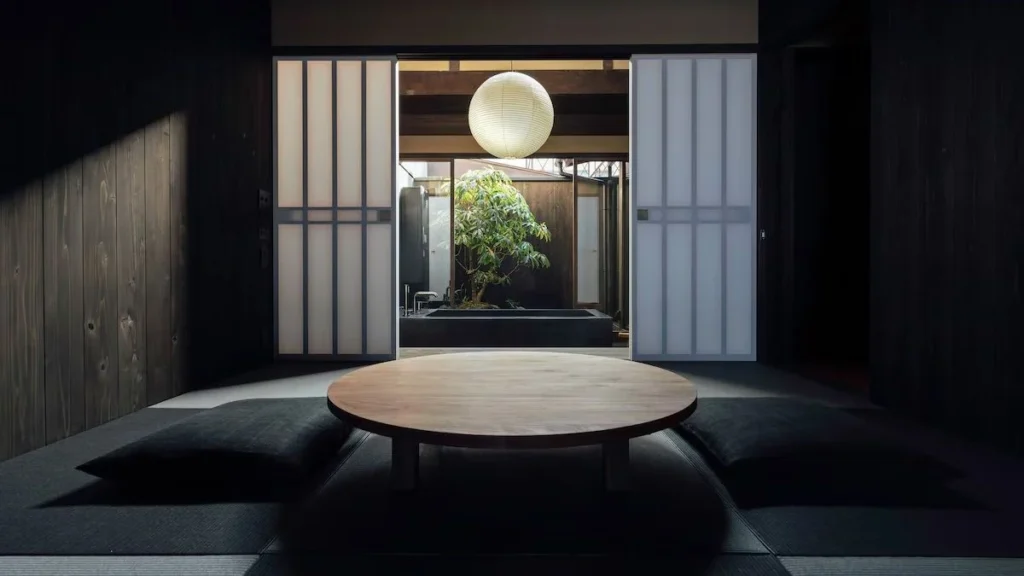

Kyoto continues to solidify its reputation as the "cultural heart" of Japan, offering a stark contrast to the neon-lit skyscrapers of Tokyo and the bustling commercial energy of Osaka. As international tourism to Japan reaches record-breaking levels—with the Japan National Tourism Organization (JNTO) reporting over 3 million visitors per month in early 2024—the demand for authentic, high-end residential accommodations has surged. Travelers are increasingly bypassing traditional hotel chains in favor of renovated machiya (traditional wooden townhouses) and hanare (detached villas) that allow for a deeper immersion into the city’s historic fabric. This shift toward private rentals is not merely a matter of convenience but a deliberate choice to experience Kyoto’s unique blend of Edo-period aesthetics and modern Japanese minimalism.
The Architectural Heritage of the Kyoto Machiya
The centerpiece of Kyoto’s residential appeal is the machiya, a traditional architectural style that dates back to the Heian period but reached its peak during the Edo and Meiji eras. These structures were originally designed to house both a merchant’s shop and their private residence. Characterized by their narrow facades and deep interior layouts—earning them the nickname unagi no nedoko or "eel’s nests"—machiyas represent a sophisticated response to historical tax laws based on street frontage.
In recent decades, Kyoto faced a crisis as thousands of these wooden structures were demolished to make way for modern apartment complexes. However, a revitalization movement led by architects and preservationists has repurposed many of these buildings into luxury Airbnbs. These renovations prioritize the "cultural heart" ethos by preserving original wood-beam frameworks, clay walls, and tsuboniwa (small interior courtyard gardens) while integrating contemporary amenities like floor heating, high-end kitchens, and open-air baths.
Chronology of the Private Lodging Sector in Japan
The rise of the curated Airbnb market in Kyoto is intrinsically linked to the 2018 Private Lodging Business Act (Minpaku Law). Before this legislation, the legal status of short-term rentals in Japan was often ambiguous. The 2018 law established strict safety and reporting requirements, mandating that all hosts register their properties with the government. While this led to an initial 80% drop in listings nationwide as non-compliant properties were purged, it paved the way for a more professionalized, high-quality rental market.
By 2024, the market has matured significantly. The current inventory of Kyoto Airbnbs reflects a "design-first" philosophy, where properties are no longer just places to sleep but are curated galleries of Japanese craftsmanship. This evolution aligns with the city’s broader strategy to attract high-value travelers who contribute to the local economy while respecting the quiet, residential nature of Kyoto’s historic districts.
Premier Accommodations: A Deep Dive into Kyoto’s Design-Led Rentals
The following properties represent the pinnacle of Kyoto’s current rental market, categorized by their architectural significance and proximity to major cultural landmarks.
The Obune House: A Study in Materiality and Zen Design
Located near the Kiyomizu-Gojo Station, the Obune House is a prime example of how traditional crafts are being integrated into modern stays. A central feature of this property is the work of local paper artists who have utilized Kurotani washi (Japanese paper) to create sliding doors and furniture fixtures. This choice of material provides a soft, diffused light that defines the interior atmosphere.
The property’s layout includes an open-air bath integrated into a courtyard garden, a feature that reflects the Japanese concept of rotenburo (outdoor bathing). Priced from $611 per night, the home balances the density of a two-bedroom layout with a spacious communal living area. Its proximity to Rokuharamitsu-ji Temple and Keninji Temple—the oldest Zen temple in Kyoto—makes it a strategic hub for those focused on the city’s religious history.
The Dream Machiya Villa: Scaling Traditional Architecture
For larger groups, the Dream Machiya Villa near Kyoto Station offers a two-floor structure that maximizes the traditional wood-beam aesthetic. With three distinct courtyards, the property emphasizes the Japanese architectural principle of bringing nature indoors. The integration of a modern hot tub and a sleek kitchen setup alongside tatami rooms demonstrates the "hybrid" living style that modern travelers demand. At approximately $931 per night, it serves as a high-end alternative to luxury suites in the nearby Higashiyama district.
The Maana Homes: Boutique Renovations in Higashiyama
The Maana brand has become synonymous with the "new machiya" movement. Their properties in Higashiyama-ku and near Kiyomizu are characterized by a muted palette of earthen ceramics, linen upholstery, and custom washi lanterns. The Maana Kiyomizu home, starting at $852 per night, is specifically designed for smaller parties, emphasizing a romantic, serene atmosphere. The inclusion of an on-site cafe reflects a growing trend where private rentals offer "hotel-adjacent" services, such as professional cleaning and curated breakfast options, to bridge the gap between home-sharing and hospitality.
The Fushimi Inari Hanare: Privacy and Proximity
In the southern part of the city, near the world-famous Fushimi Inari Shrine, the Private Villa with Garden View offers a hanare experience. A hanare is a detached structure, often used historically as a retreat or tea house. This specific stay enforces a "no guests under 16" policy to protect the delicate nature of its shoji screens and tatami mats. Priced more accessibly at $309 per night, it provides a tranquil source of sunlight through floor-to-ceiling windows, catering to the "Instagram-conscious" traveler while maintaining strict traditional design principles.
Supporting Data: The Economic Impact of Luxury Rentals
The economic data surrounding Kyoto’s tourism sector highlights why these high-end Airbnbs are vital. According to the Kyoto City Tourism Association, the average daily spend of international visitors has increased by over 25% since 2019. This is attributed to a "quality over quantity" shift in tourism management. Luxury rentals, which often command prices between $300 and $1,000 per night, contribute significantly to this trend.
Furthermore, the concentration of these properties in districts like Gion and Higashiyama ensures that tourism revenue is distributed among local artisans, neighborhood grocery stores, and small-scale cafes. By staying in a private home, travelers are more likely to engage with local businesses than those staying in self-contained mega-hotels.
Official Responses and the Local Perspective
The reaction from Kyoto’s local government and residents toward the expansion of Airbnbs has been a mix of cautious welcome and strict regulation. In response to concerns about "tourism pollution" (over-tourism), the city has implemented some of the most stringent rental regulations in Japan. For instance, in certain residential zones, private rentals are only permitted to operate during specific months or must have a resident manager nearby.
"The goal is harmony," a representative from a local neighborhood association in the Gion district noted (inferred from city planning dialogues). "We want visitors to appreciate the beauty of the machiya, but we also need to ensure that our streets remain quiet and our traditions are respected." This sentiment has led to the rise of "concierge-led" Airbnbs, where hosts provide guests with detailed guides on local etiquette, such as how to dispose of trash correctly and how to walk through historic streets without disturbing residents.
Broader Impact and Future Implications
The success of design-focused Airbnbs in Kyoto is influencing urban planning in other historic Japanese cities like Kanazawa and Nara. The "Kyoto Model" of renovating heritage buildings for high-end tourism is seen as a viable solution to Japan’s akiya (vacant house) problem. By turning dilapidated structures into profitable, culturally significant assets, the city is effectively subsidizing the preservation of its own history.
As we look toward 2025 and beyond, the trend is expected to lean further into "experiential" lodging. Future listings are likely to offer more than just a bed; they will provide integrated experiences such as private tea ceremonies, in-home traditional cooking classes, and direct access to master craftsmen.
The evolution of Kyoto’s Airbnb market from simple room-sharing to a sophisticated network of architectural landmarks reflects a broader global shift. Travelers no longer want to be mere observers of culture; they want to live within it. In Kyoto, where every wooden beam and stone path tells a story of a thousand years, the ability to "experience it like a local" in a meticulously designed home is the ultimate modern luxury. Whether it is the Aesop-equipped bathrooms of a 100-year-old machiya near Kinkaku-ji or the zen-infused gardens of a villa in Higashiyama, these stays ensure that Kyoto’s heritage is not just a museum piece, but a living, breathing part of the traveler’s journey.