
The highly anticipated promotional tour for the cinematic sequel to the 2006 cultural phenomenon, The Devil Wears Prada, reached a significant milestone this week as the primary cast assembled for a high-profile photo call at the Victoria and Albert Museum (V&A) in London. Marking nearly twenty years since the original film redefined the fashion-film subgenre, the event served as a formal reintroduction of the franchise’s central figures: Meryl Streep, Anne Hathaway, Emily Blunt, and Stanley Tucci. The selection of the V&A as a backdrop was a calculated nod to the film’s legacy, as the museum houses one of the world’s most comprehensive collections of dress and textile history, providing a prestigious atmosphere for a production centered on the high-stakes world of fashion journalism.
A Landmark Reunion of the Original Cast
The London photo call represents one of the first times the four principal actors have appeared together in an official capacity to promote the sequel, titled The Devil Wears Prada 2. The reunion of Meryl Streep, who returns as the formidable Miranda Priestly, alongside Anne Hathaway as Andrea "Andy" Sachs, Emily Blunt as Emily Charlton, and Stanley Tucci as Nigel Kipling, has been a focal point of industry interest since 20th Century Studios greenlit the project.
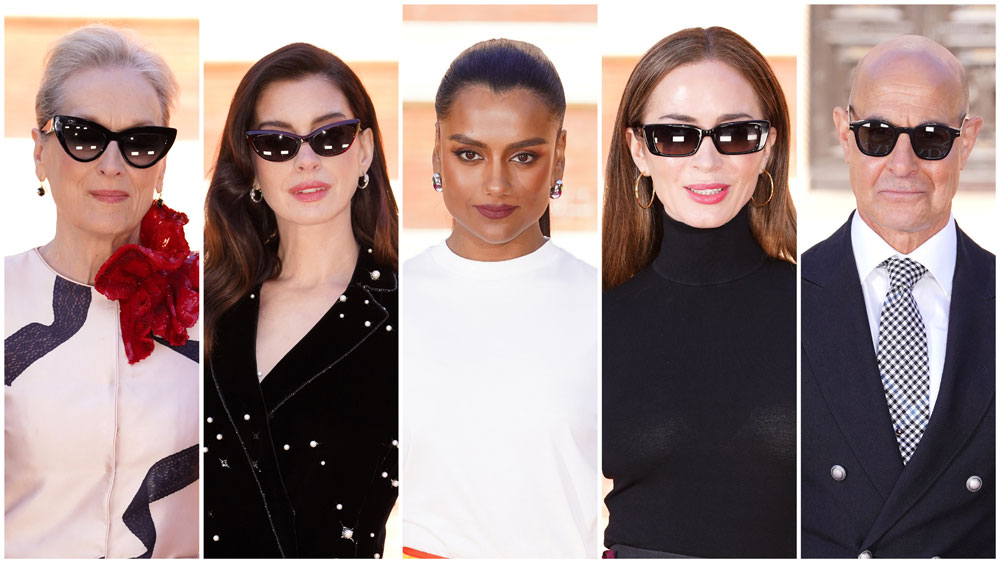
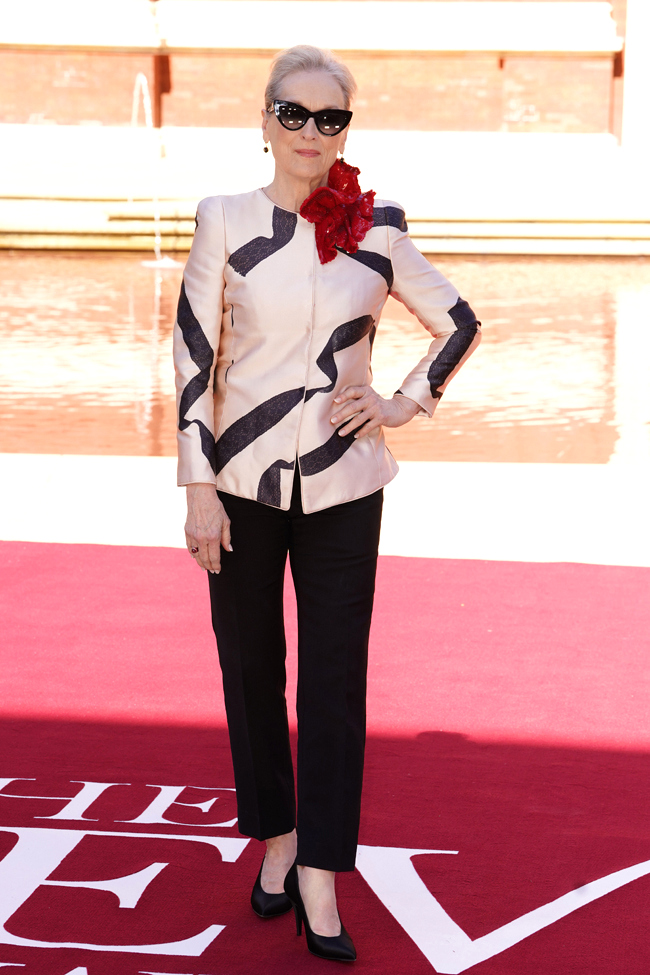
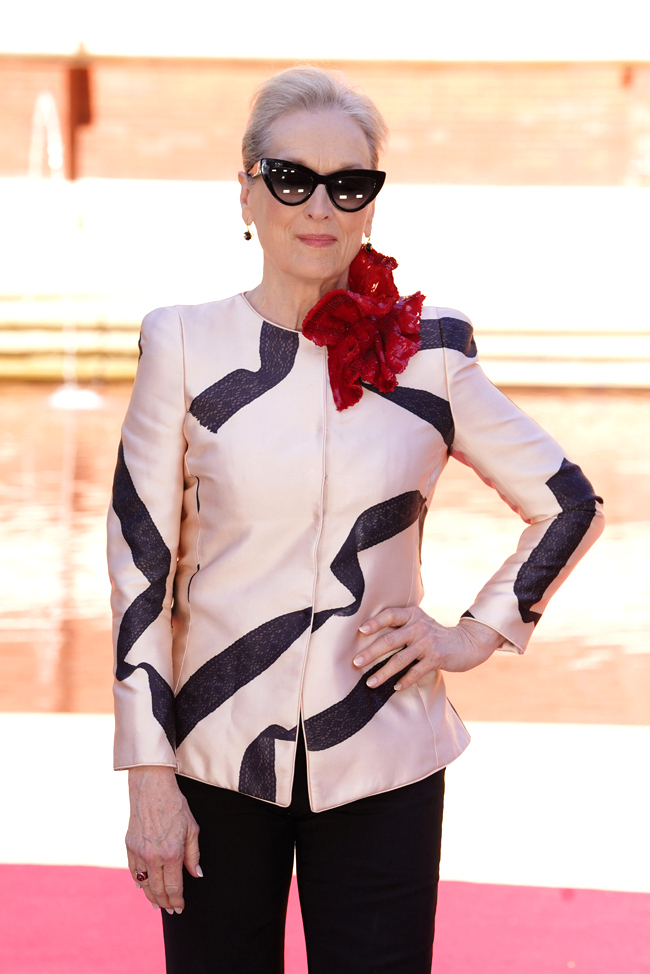
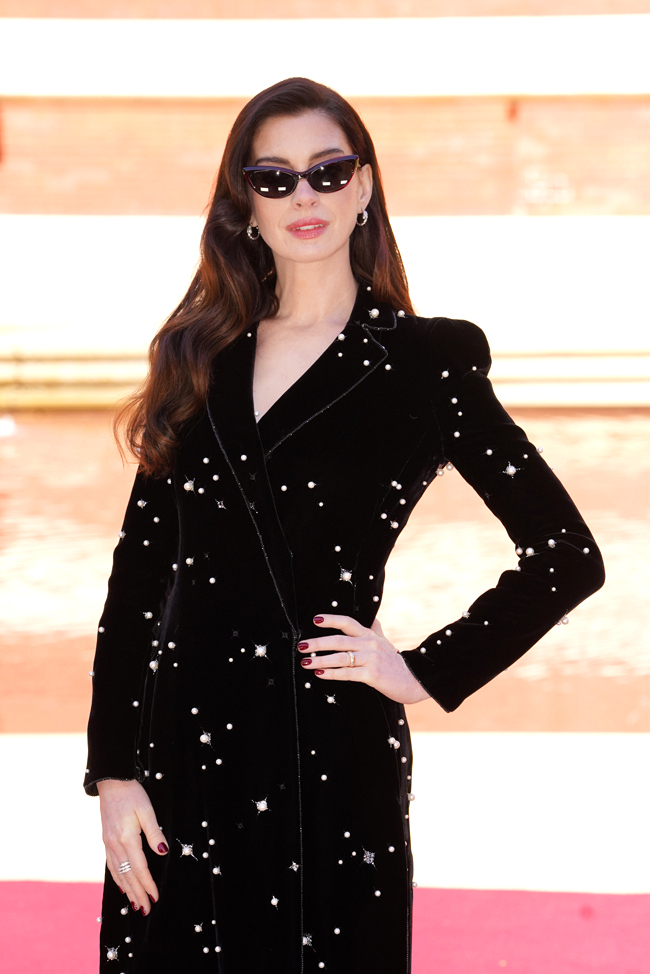
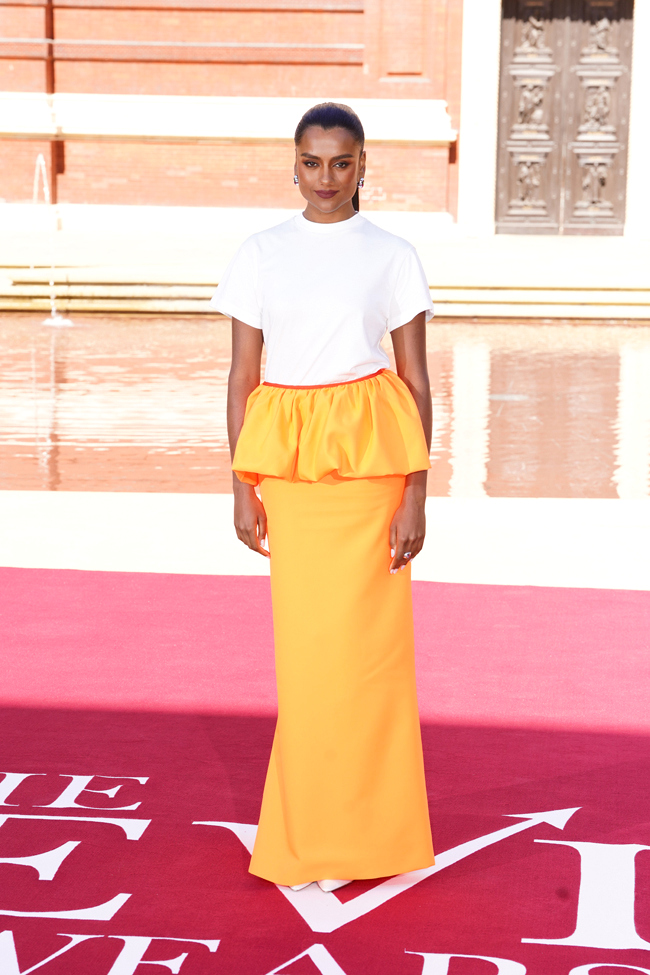
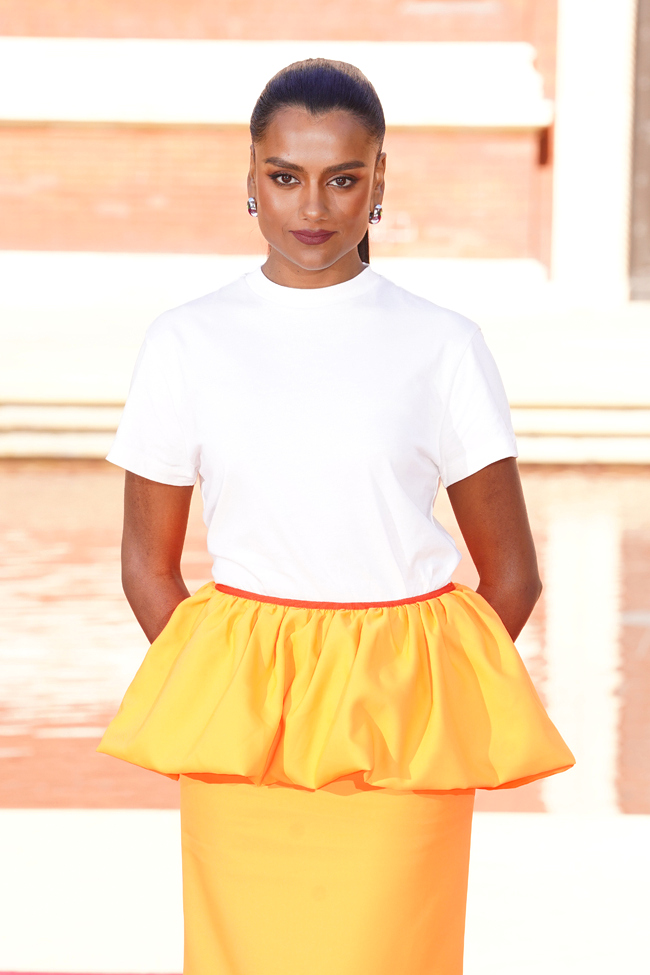
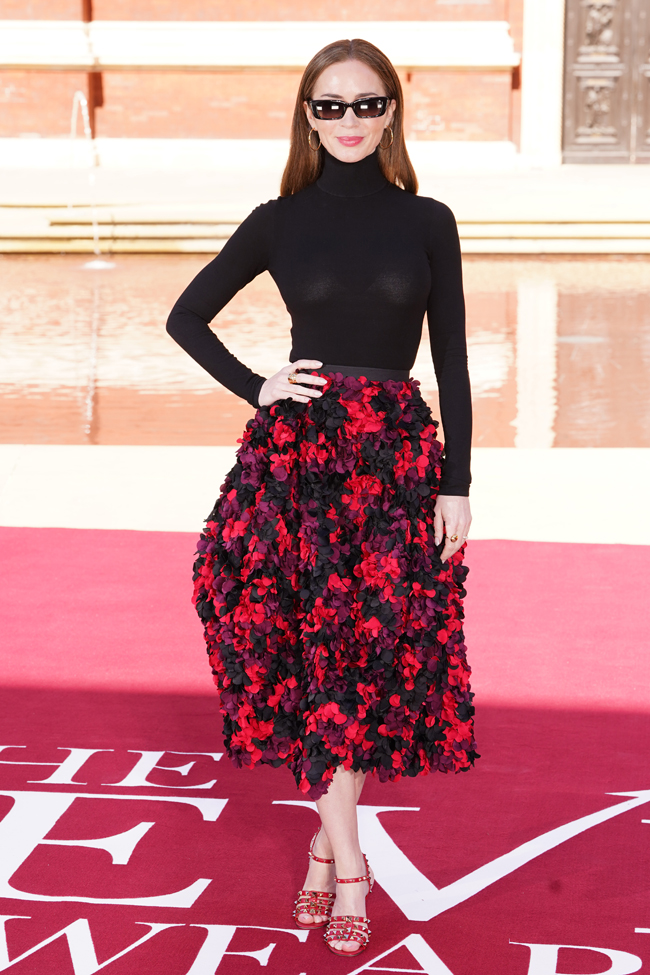
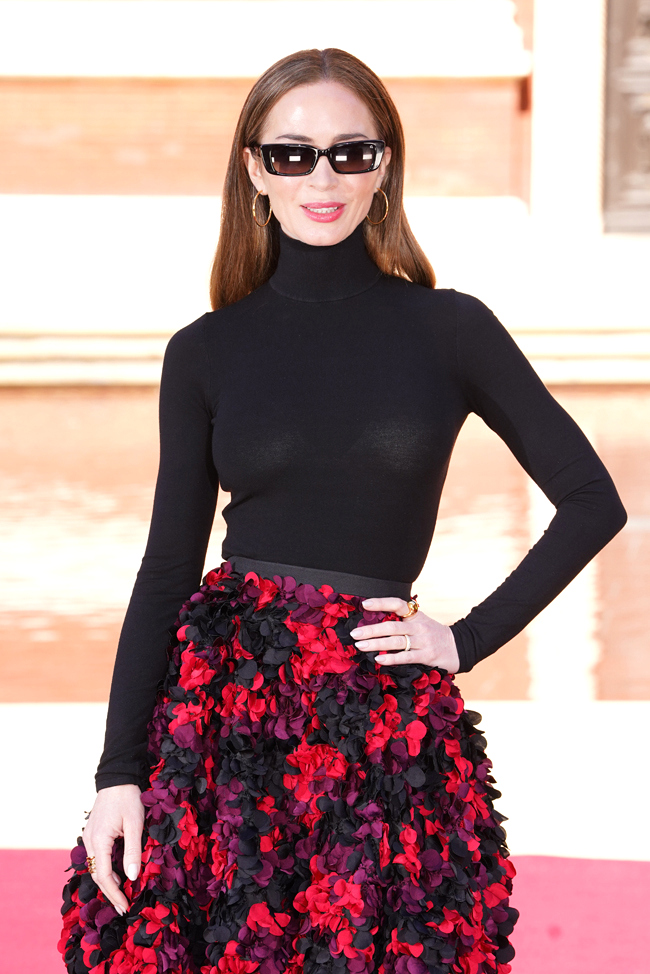
Observers at the event noted the strategic sartorial choices made by the cast, which appeared to balance their real-world status as Hollywood icons with the heightened aesthetic expectations associated with the Runway Magazine universe. Streep and Hathaway both opted for Armani Privé, a brand synonymous with timeless luxury and structural precision. Blunt appeared in Michael Kors Collection, while newcomer Simone Ashley, who joins the franchise in a yet-to-be-disclosed role, chose archival Jil Sander, signaling a bridge between the classic elegance of the original film and the contemporary trends of the current fashion landscape.
Chronology of the Sequel’s Development
The journey toward a sequel has been nearly two decades in the making. The original film, directed by David Frankel and based on the novel by Lauren Weisberger, was a massive commercial and critical success upon its release in June 2006. Grossing over $326 million worldwide against a $35 million budget, it earned two Academy Award nominations, including a Best Actress nod for Meryl Streep.
For years, the cast and crew remained non-committal regarding a follow-up. However, the project gained momentum in the early 2020s following the success of various legacy sequels in the industry. Production was officially confirmed in late 2024, with David Frankel returning to the director’s chair and Aline Brosh McKenna returning to pen the screenplay. Filming took place across New York City and London, reflecting the global evolution of the fashion industry since the mid-2000s. The London photo call serves as the penultimate stop before the film’s global premiere, signaling that the marketing campaign has entered its final, most intensive phase.
Sartorial Analysis: Defining the Modern Runway Aesthetic
The fashion presented at the V&A photo call was subjected to intense scrutiny by the international press, as the franchise itself is built on the critique of style.
Meryl Streep in Armani Privé
Streep’s appearance in Armani Privé was characterized by a sophisticated, fluid silhouette. Moving away from the rigid, structured power suits that defined Miranda Priestly in the 2006 film, Streep’s ensemble suggested a more relaxed yet authoritative presence. Fashion analysts noted that the choice of Armani—a brand frequently mentioned in the original script—reinforces the character’s long-standing ties to the upper echelons of European couture.
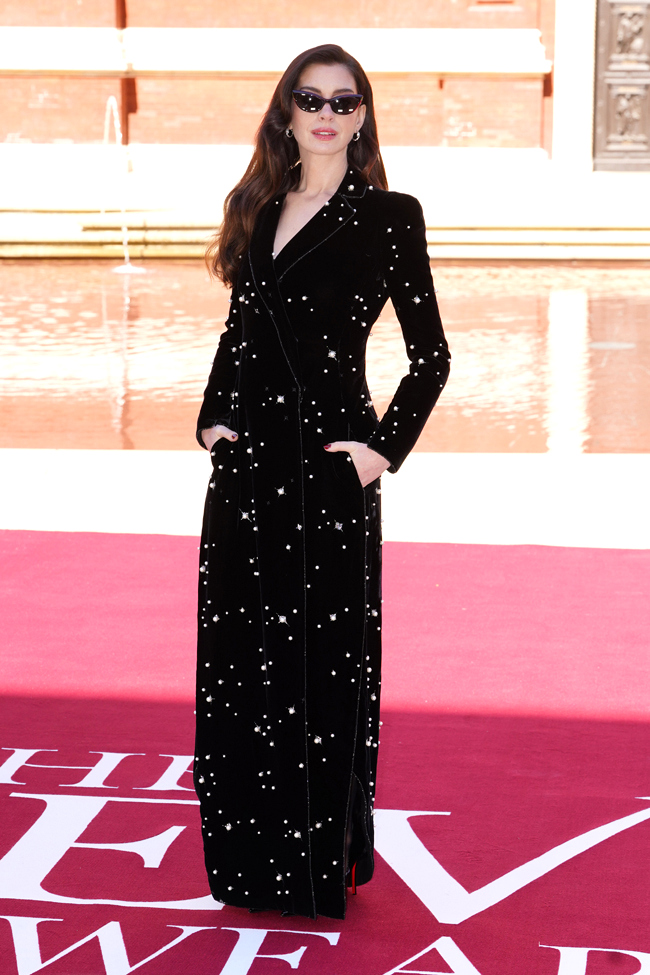
Anne Hathaway in Armani Privé
Hathaway’s look was described as a masterclass in modern minimalism. Her choice of a sleek, understated Armani Privé gown, complemented by high-end jewelry and oversized sunglasses, mirrored her character Andy Sachs’ transformation from a fashion outsider to a seasoned industry professional. The inclusion of sunglasses was particularly noted as a recurring motif in the film’s promotional materials, symbolizing the protective "armor" worn by those in the public eye.
Emily Blunt in Michael Kors Collection
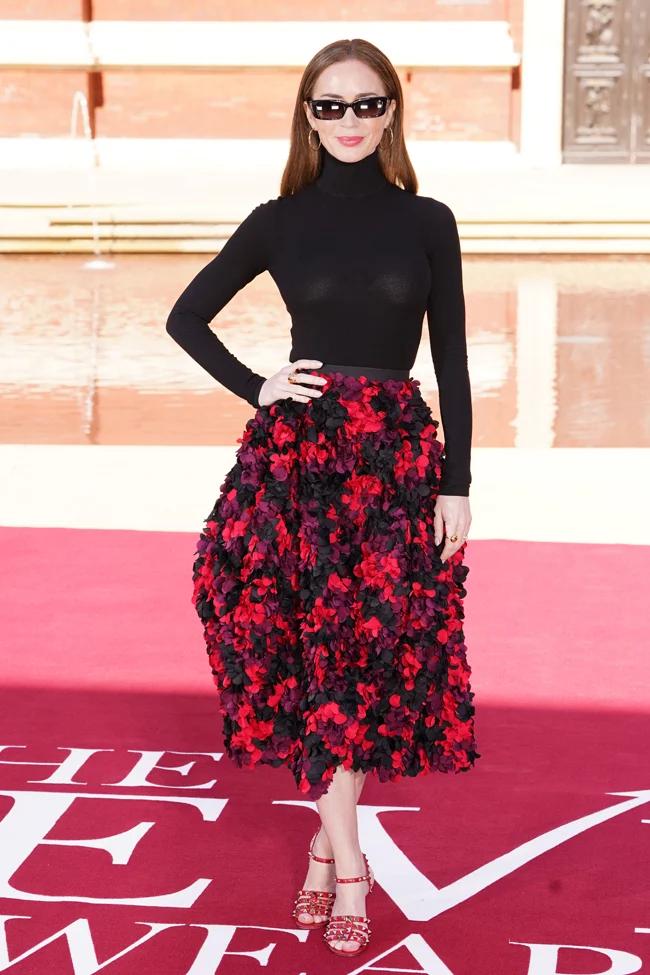
Emily Blunt’s ensemble featured a textured skirt from the Michael Kors Collection paired with a high-neck black top. While some critics viewed the look as a departure from the avant-garde edge of her character, Emily Charlton, others argued it represented the character’s maturation into a more established, corporate-inflected style. The use of American sportswear through Michael Kors provided a stylistic contrast to the European couture worn by her co-stars.
Simone Ashley in Archival Jil Sander
As a new addition to the cast, Simone Ashley’s choice of archival Jil Sander was viewed as a strategic move to establish a distinct visual identity. By opting for a vintage piece rather than a current-season look, Ashley aligned herself with the "quiet luxury" and "archival fashion" trends that have dominated the industry in recent years. Her refusal to adhere to the coordinated color schemes of the veteran cast members was interpreted as a sign of her character’s disruptive or independent role within the new narrative.
Supporting Data and Economic Context
The revival of The Devil Wears Prada comes at a time when legacy intellectual properties (IP) are proving to be the most reliable drivers of theatrical attendance. According to data from Comscore, sequels to films released between 2000 and 2010 have seen a 15% higher average box office return compared to original mid-budget dramas in the post-pandemic era.
Furthermore, the fashion industry’s involvement in the film has evolved significantly. In 2006, the film featured approximately $1 million worth of borrowed clothing and accessories, which was considered a record at the time. Industry insiders suggest that for the sequel, the value of the wardrobe—bolstered by direct partnerships with brands like Armani, Prada, and Michael Kors—has more than quintupled. This synergy between Hollywood and luxury conglomerates is a key component of the film’s financial strategy, as product placement and brand associations are expected to offset a significant portion of the production costs.
Production Logistics and Official Statements
In a statement released via 20th Century Studios, director David Frankel expressed the importance of capturing the current state of the media landscape. "The world of 2006 was about the dominance of print. In 2026, we are exploring a world of digital fragmentation, influencer culture, and the enduring power of the ‘Miranda Priestly’ archetype in a landscape that has tried to move past her," Frankel stated.
Producer Wendy Finerman emphasized the continuity of the creative team, noting that having Aline Brosh McKenna return for the screenplay ensured that the tone remained consistent with the original while addressing the twenty-year gap in the timeline. The sequel’s narrative reportedly follows Miranda Priestly as she navigates the decline of traditional magazine publishing, while Andy and Emily have moved into influential positions that may put them at odds with their former mentor.
Cast Expansion and Global Reach
While the return of the original four stars is the primary draw, the sequel features an expansive supporting cast designed to appeal to a broad demographic. The inclusion of Simone Ashley (Bridgerton), Pauline Chalamet (The Sex Lives of College Girls), and B.J. Novak suggests a focus on the generational clash within the workplace. Established actors such as Lucy Liu, Kenneth Branagh, and Justin Theroux are also set to appear, adding further prestige to the ensemble.
The film’s executive production team, including Michael Bederman and Karen Rosenfelt, has overseen a shoot that spanned multiple international fashion capitals. This global approach is reflected in the promotional strategy, with photo calls and premieres scheduled for Milan, Paris, and New York following the London event.
Broader Impact and Industry Implications
The release of The Devil Wears Prada 2 is expected to have a measurable impact on both the film and fashion industries. For Hollywood, a successful launch would confirm the viability of high-concept, female-led dramas in a market often dominated by action and superhero franchises. For the fashion industry, the film serves as a high-visibility platform for seasonal collections and brand storytelling.
Historically, the original film contributed to the democratization of fashion, famously explaining the "trickle-down" effect of color trends in the "cerulean sweater" monologue. Analysts predict that the sequel will attempt to provide a similar cultural commentary on the "fast fashion" vs. "sustainability" debate and the role of artificial intelligence in creative fields.
As the cast concludes their London engagements, the focus shifts to the upcoming theatrical release. The event at the Victoria and Albert Museum has successfully re-established the franchise’s presence, proving that even after two decades, the intersection of Miranda Priestly’s exacting standards and the evolving world of high fashion remains a potent draw for global audiences. The Devil Wears Prada 2 is scheduled for release later this year, distributed by 20th Century Studios.