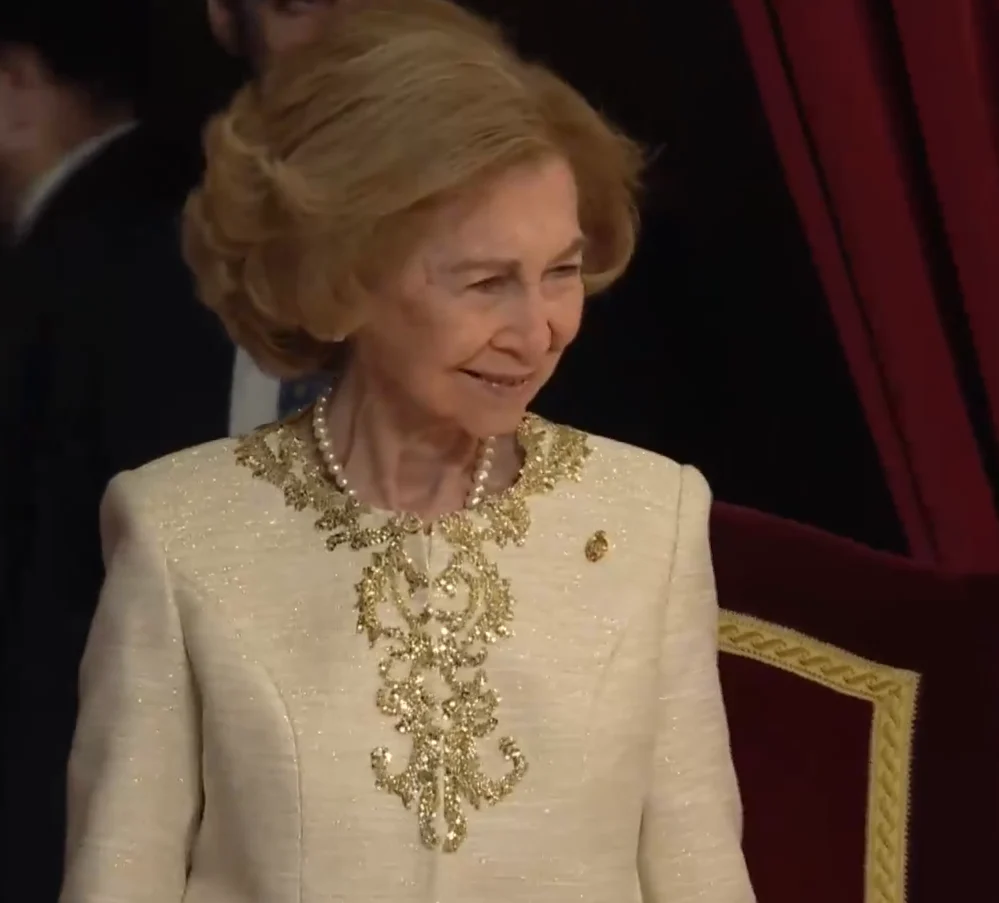

Queen Sofia of Spain, a respected figure in European royalty, is poised to be a distinguished guest at what is anticipated to be the most significant gathering of European royals this year. The 87-year-old former Queen of Spain is scheduled to travel to Sweden next week to celebrate the milestone 80th birthday of His Majesty King Carl XVI Gustaf of Sweden. This momentous occasion promises a dazzling display of international royal presence, culminating in a grand gala dinner to be held at the Royal Palace in Stockholm on the King’s actual birthday.
A Royal Confluence in the Swedish Capital
The invitation to King Carl XVI Gustaf’s 80th birthday has drawn a considerable number of royal families from across the continent, signifying the enduring relationships and respect shared among Europe’s monarchies. While the full guest list remains a subject of keen interest, the confirmation of Queen Sofia’s attendance, as reported by Hola, underscores Spain’s continued engagement with European royal diplomacy. As the mother of the current Spanish monarch, His Majesty King Felipe VI, Queen Sofia’s presence highlights a significant familial and historical connection between the two royal houses.
While it remains unconfirmed whether other members of the Spanish Royal Family will accompany Queen Sofia, her journey to the Swedish capital was widely anticipated. Queen Sofia has cultivated a long-standing friendship with King Carl XVI Gustaf and his consort, Queen Silvia, a bond that has been nurtured over many years of shared royal duties and personal interactions. This enduring friendship likely played a role in her eager acceptance of the invitation.
The Birthday Celebrations: A Day of Royal Reverence and Public Engagement
King Carl XVI Gustaf’s 80th birthday falls on April 30th, and the day’s festivities are meticulously planned to offer both solemn reflection and public celebration. The day is set to commence with a church service, a traditional element in royal commemorations, allowing for a moment of spiritual reflection and thanksgiving. Following the service, there will be an opportunity for well-wishers to extend their personal greetings to the King, providing a rare chance for the public to connect with their monarch and share in the joy of his special day. This public engagement aspect of the celebrations is a testament to the Swedish Royal Family’s commitment to remaining accessible and connected to their citizens.
The pinnacle of the celebrations will be the gala dinner, scheduled for the evening of April 30th. This event will bring together the King and his entire immediate family, creating a powerful visual representation of the Swedish monarchy’s continuity. The presence of the King’s children and their spouses is a significant aspect of the celebration, symbolizing the strength and unity of the royal lineage.
The Swedish Royal Family: A New Generation in the Spotlight
Crown Princess Victoria, the King’s eldest child and heir to the throne, will be in attendance with her husband, Prince Daniel. Their presence is always a highlight, as they represent the future of the Swedish monarchy. Also attending will be Prince Carl Philip and his wife, Princess Sofia. This occasion marks a significant public appearance for Princess Sofia, as it is her first major royal event since recent revelations regarding her past acquaintance with the convicted sex offender Jeffrey Epstein. The Swedish Royal Court has maintained a policy of transparency regarding such matters, and Princess Sofia’s participation in this high-profile event signals a continued commitment to public life.
The youngest child of King Carl XVI Gustaf and Queen Silvia, Princess Madeleine, will also be present with her husband, Christopher O’Neill. Their attendance further emphasizes the family’s collective support for the King and the importance of this milestone birthday.
European Royalty Descends Upon Stockholm: A Notable Guest List
The Swedish Royal Court has extended invitations to a wide array of European royals, making this event a significant diplomatic and social occasion. It has already been confirmed that Their Majesties King Frederik and Queen Mary of Denmark will be attending, along with Queen Margrethe, the King’s aunt. The presence of the Danish royal family highlights the close historical and familial ties between Sweden and Denmark.
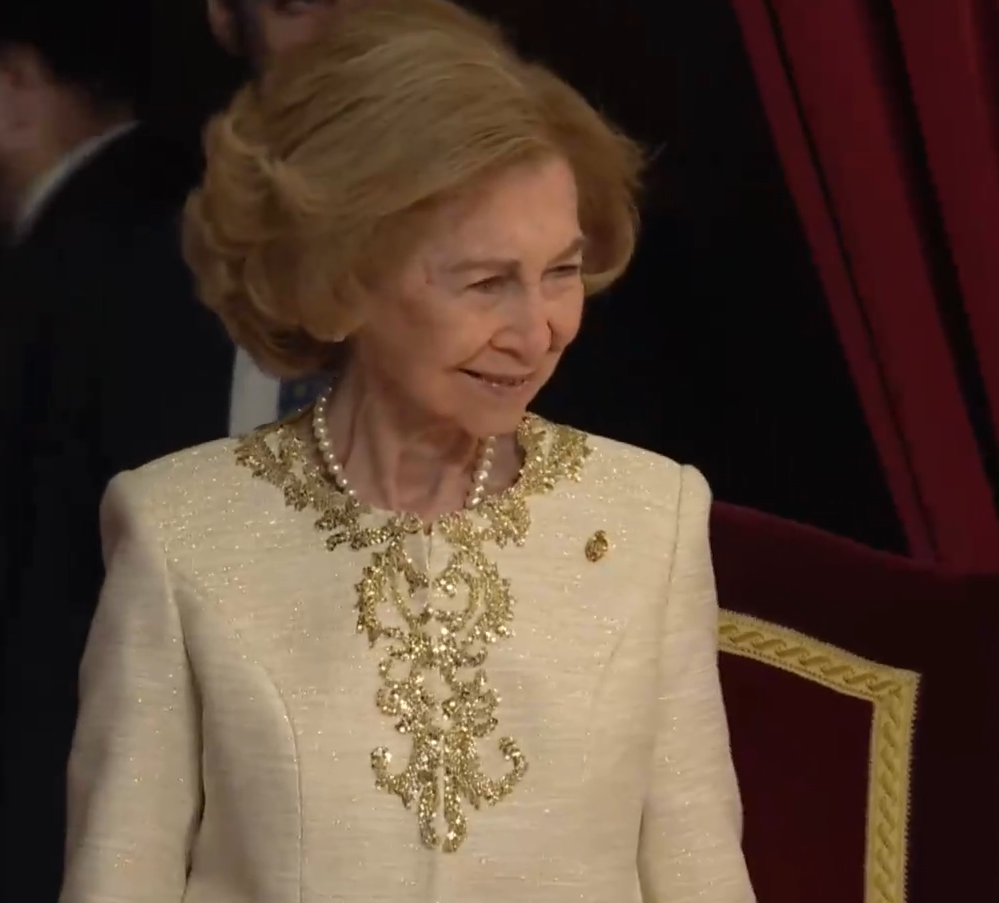
From Norway, Their Majesties King Harald and Queen Sonja are expected to grace the celebrations, accompanied by Crown Prince Haakon. While Crown Prince Haakon will be present, his wife, Crown Princess Mette-Marit, will not be attending. She is currently undergoing treatment for pulmonary fibrosis, a serious lung condition. Crown Princess Mette-Marit has also maintained a lower public profile in recent times, following revelations about her past connections to Jeffrey Epstein. This situation underscores the complex personal challenges that can intersect with public royal duties.
Notable Absences and Diplomatic Considerations
While many European royals will converge in Stockholm, certain prominent figures will be absent. Their Majesties King Charles and Queen Camilla of the United Kingdom will not be able to attend. This is due to their scheduled State Visit to the United States, which will coincide with the Swedish birthday celebrations. It remains to be seen whether other members of the British Royal Family, such as the Prince and Princess of Wales, will represent the UK. The Duke and Duchess of Edinburgh, who frequently attend major European royal events, also have prior engagements in the UK on the day of the celebrations, precluding their attendance. These absences, while understandable due to prior commitments, nonetheless mark a slight shift in the typical representation at such significant pan-European royal gatherings.
Historical Context and Significance of the Occasion
King Carl XVI Gustaf ascended to the Swedish throne in 1973 at the age of 27, following the death of his grandfather, King Gustaf VI Adolf. His reign, now spanning over five decades, has witnessed profound societal and political changes in Sweden. He is the longest-reigning monarch in Swedish history, a testament to his dedication and the stability he has provided to the Swedish monarchy. His 80th birthday is not merely a personal milestone but a celebration of a significant period of Swedish history and the enduring role of the monarchy.
The Swedish monarchy, while largely ceremonial, plays a crucial role in national identity and continuity. King Carl XVI Gustaf and Queen Silvia have worked to modernize the institution while preserving its traditions, adapting to the evolving role of monarchy in a democratic society. The extensive royal participation in his birthday celebrations serves as a powerful visual endorsement of the institution and its continued relevance.
The Role of Royalty in Contemporary Europe: An Analysis
The convergence of so many European royals in Stockholm offers a valuable glimpse into the contemporary landscape of European monarchies. These gatherings serve multiple purposes: they reinforce familial bonds, showcase diplomatic ties, and provide a platform for shared values and traditions. In an era where the relevance of monarchies is often debated, these high-profile events demonstrate their continued capacity to unite nations and provide a sense of historical continuity.
The attention drawn to Princess Sofia’s appearance, given the recent revelations, also highlights the increased scrutiny faced by royal family members in the digital age. The media’s focus on such matters underscores the delicate balance between public life and personal history that modern royals must navigate.
Furthermore, the confirmed absences of the British King and Queen due to their State Visit to the US point to the complex scheduling demands and diplomatic priorities that govern royal calendars. These events are not merely social occasions but are often interwoven with broader foreign policy objectives.
The 80th birthday of King Carl XVI Gustaf is, therefore, more than just a personal celebration. It is a significant event that will be closely watched, offering insights into the enduring strength of European royal networks, the challenges and adaptations of modern monarchies, and the continued importance of these institutions in the cultural and diplomatic fabric of the continent. Queen Sofia’s attendance signifies Spain’s continued commitment to these vital inter-royal relationships, ensuring a robust representation of European heritage at this landmark Swedish celebration.