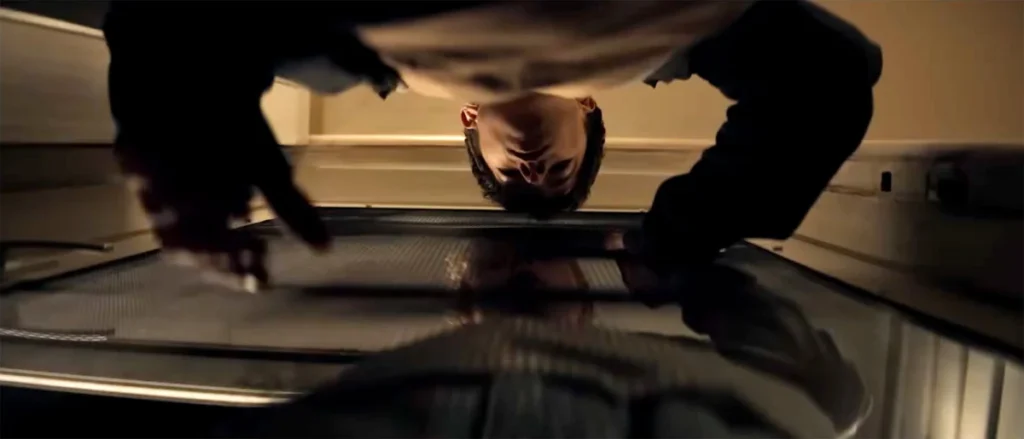

Neon has unveiled the inaugural official trailer for the highly anticipated LGBTQ+ indie horror film, Leviticus, a standout selection from the Midnight program at the 2026 Sundance Film Festival. The film, which also garnered significant attention at subsequent festivals including SXSW, Overlook, and New Directors/New Film, is slated for a theatrical release in select U.S. theaters on June 19, 2026. This Australian production, directed by Adrian Chiarella, delves into the terrifying narrative of two teenage boys who find themselves pursued by a malevolent entity that assumes the form of their deepest desires, specifically each other. Early critical reception from Sundance has been overwhelmingly positive, with numerous outlets praising the film as a "heart-wrenching tale of queer love, small-town hate, and an unstoppable demonic force."
Sundance Acclaim and Festival Circuit Success
The 2026 Sundance Film Festival, held annually in Park City, Utah, serves as a crucial platform for independent cinema, often catapulting emerging filmmakers and distinctive projects into the global spotlight. Leviticus emerged as a significant talking point within the festival’s boundary-pushing Midnight section, a curated lineup known for its genre-defying and often unsettling offerings. Its selection here signals a departure from conventional horror tropes, hinting at a narrative that prioritizes thematic depth alongside visceral scares. Following its Sundance premiere in January 2026, the film embarked on a successful festival tour, reinforcing its critical appeal. Its inclusion at SXSW in Austin, Texas, a festival renowned for its blend of film, music, and technology, further cemented its status as a film of broad cultural relevance. The Overlook Film Festival, dedicated to horror cinema, and New Directors/New Film at the Film at Lincoln Center, which champions emerging directorial voices, also provided stages for Leviticus to captivate audiences and critics alike.
Narrative Premise and Thematic Resonance
At its core, Leviticus explores the complex interplay of burgeoning sexuality, societal prejudice, and supernatural terror. The film’s premise centers on Naim and Ryan, two teenage boys navigating the emotional and physical landscape of their developing identities within a seemingly idyllic yet potentially suffocating small Australian town. Their intimate bond becomes the focal point of a terrifying supernatural threat, a force that manifests as the very person they are drawn to, creating a psychological and physical horror that blurs the lines between love, desire, and fear.

The official synopsis from Sundance aptly describes the film as "a haunting and sensitive feature directorial debut from writer-director Adrian Chiarella, Leviticus promises a new, poignant entry into the canon of coming-of-age horror." It further elaborates on the film’s atmospheric tension: "An isolated Australian small town hosts the evils of religious fanaticism and its consequences for queer youth, creating an atmosphere that’s chilling and near-claustrophobic." This thematic layering suggests that the horror in Leviticus is not solely derived from external supernatural forces but also from the internal conflicts and external pressures faced by its protagonists, particularly within a community that may harbor intolerance.
Key Cast and Creative Team
The success of Leviticus is further bolstered by its talented cast and the vision of its director. Joe Bird and Stacy Clausen deliver what critics are calling "tender" performances as Naim and Ryan, respectively. Bird, having previously appeared in the critically acclaimed horror film Talk to Me, brings a proven track record in the genre, while Clausen makes a notable impact in this significant role.
The supporting cast includes acclaimed actors such as Mia Wasikowska, known for her versatile performances in films like Alice in Wonderland and The Kids Are All Right; Ewen Leslie, a respected Australian actor with credits in The Daughter and Top of the Lake; and Nicholas Hope, recognizable for his role in the cult classic The Sum of All Fears. The ensemble also features Jeremy Blewitt, Davida McKenzie, and Edwina Wren, all contributing to the film’s rich dramatic tapestry.
Leviticus marks the feature film directorial debut for Adrian Chiarella, an emerging Australian filmmaker who has previously directed short films and episodes of popular television series such as "Totally Completely Fine" and "Five Bedrooms." His transition to feature filmmaking with Leviticus is a significant milestone, showcasing his ability to craft compelling narratives within the horror genre. The film is produced by Kristina Ceyton, Samantha Jennings, and Hannah Ngo, a team with a strong background in producing impactful and critically recognized Australian cinema.

Release and Distribution Strategy
The distribution of Leviticus by Neon, a studio known for its discerning taste in independent and genre films, signals a strategic push to bring this acclaimed work to a wider audience. Neon has a history of successfully launching unique and artistically driven films, and their involvement with Leviticus suggests confidence in its commercial and critical potential.
The release date of June 19, 2026, positions Leviticus as a significant summer release, a period traditionally dominated by large-scale blockbusters. However, the film’s strong critical reception and its appeal to a demographic seeking more thought-provoking and character-driven genre fare suggest it can carve out a substantial niche. The decision to open in select U.S. theaters allows for a curated rollout, potentially building word-of-mouth and critical buzz before a broader expansion.
Comparisons and Genre Innovation
Early discussions surrounding Leviticus have drawn comparisons to other critically successful horror films, notably It Follows. This comparison, made by the film’s initial report, highlights Leviticus‘s potential to explore supernatural threats through a lens of thematic resonance and psychological depth. While It Follows explored themes of inherited trauma and sexual transmission through a relentless, shape-shifting entity, Leviticus appears to delve into the specific vulnerabilities and desires of its LGBTQ+ protagonists, offering a fresh perspective on the "pursuit" narrative.
The film’s approach to horror is characterized by its sensitivity and emotional intelligence, aiming to deliver scares that are intertwined with genuine human emotion. The "coming-of-age horror" subgenre has seen a resurgence in recent years, with films like Hereditary, Midsommar, and The Babadook demonstrating the power of blending adolescent anxieties with supernatural or psychological terror. Leviticus is poised to contribute to this evolution, offering a narrative that is both terrifying and deeply empathetic.

Broader Implications and Cultural Impact
The emergence of Leviticus from a major festival circuit and its subsequent distribution by Neon underscore a growing trend in the film industry: the increasing demand for diverse storytelling and representation within genre cinema. The film’s explicit focus on an LGBTQ+ narrative within the horror genre addresses a critical need for more inclusive storytelling that reflects the complexities of contemporary society.
The "religious fanaticism" mentioned in the film’s synopsis also points to a deeper exploration of how societal and religious doctrines can intersect with personal identity and create environments of fear and persecution. This thematic element has the potential to resonate with audiences beyond the LGBTQ+ community, tapping into universal anxieties about conformity, judgment, and the struggle for self-acceptance.
The film’s critical success at Sundance and its positive early reviews suggest that it is more than just a genre exercise; it is a work of art that uses the tools of horror to explore profound human experiences. The "unstoppable demonic force" can be interpreted not only as a literal supernatural entity but also as a metaphor for the oppressive forces of prejudice, fear, and intolerance that queer youth often confront.
Looking Ahead
As Leviticus prepares for its theatrical debut, the anticipation is palpable. The trailer itself has been described as "superb," effectively conveying the film’s atmospheric dread and emotional stakes. The combination of a compelling narrative, strong performances, and a timely thematic focus positions Leviticus as one of the most significant independent horror films to watch in 2026. Its success could pave the way for further exploration of LGBTQ+ themes within the horror genre, opening doors for more diverse voices and stories to reach mainstream audiences. The film’s ability to blend genuine scares with a heartfelt exploration of love and identity promises a cinematic experience that is both terrifying and profoundly moving. The critical acclaim and festival buzz suggest that Leviticus is not just another horror film, but a significant cultural artifact that speaks to contemporary anxieties and aspirations.