
The South Korean entertainment industry is currently grappling with a significant legal development involving Song Min-ho, better known as Mino of the popular boy group WINNER. The multifaceted artist, recognized for his contributions to music, variety television, and the arts, is facing severe legal repercussions following allegations of non-compliance with his mandatory military service obligations. As the legal proceedings unfold, the public and the media have turned their attention back to Mino’s previous admissions regarding his mental health, creating a complex dialogue regarding the intersection of legal responsibility and psychological well-being.
Song Mino’s current legal predicament centers on his period of service as a public service worker. In South Korea, all able-bodied men are required to serve in the military, though those with documented health issues may be permitted to fulfill their duties through alternative public service. It has been reported that Mino failed to report for duty for a total of 102 days during his enlistment period. This substantial absence led to charges of violating the Military Service Act, a serious offense in South Korea that carries significant social and legal weight. During the first trial held in April 2026, the prosecution formally requested an 18-month prison sentence for the idol, citing the intentional nature of the absences. While the defense has the opportunity to argue mitigating circumstances, the maximum sentence for such violations can reach up to three years of incarceration.
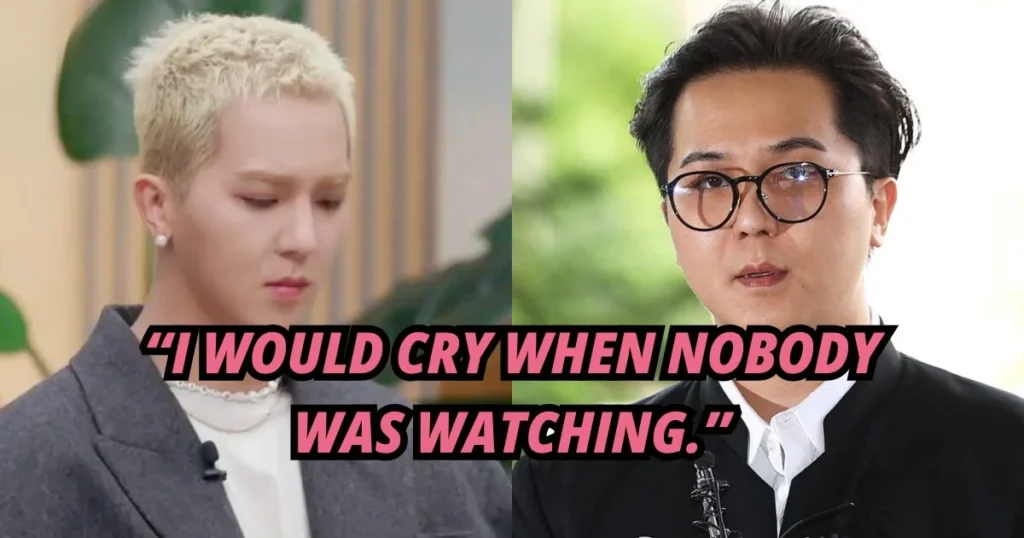
The revelation of Mino’s legal struggles has prompted a resurgence of interest in his 2022 appearance on the television program Oh Eun Young’s Gold Counseling Center. During this broadcast, Mino shared deeply personal details about his mental health that were previously unknown to the general public and even his fellow WINNER members. He disclosed that he had been diagnosed with both panic disorder and bipolar disorder in 2017. His confession was a watershed moment in the K-pop industry, which has historically been reticent to discuss the mental health of its stars. Mino described a harrowing internal reality, stating that he would often break down in tears during filming hiatuses, only to mask his pain and return to the set once the cameras began rolling. He characterized his life as feeling "tragic" the moment the professional spotlight was removed.
Bipolar disorder, the condition Mino identified as a primary struggle, is a chronic mental health condition characterized by significant shifts in mood, energy, and activity levels. These shifts range from periods of extremely "up," elated, irritable, or energized behavior (known as manic episodes) to very "down," sad, indifferent, or hopeless periods (known as depressive episodes). For an individual in the high-pressure environment of the global entertainment industry, managing such a condition is exceptionally challenging. The resurfacing of these comments has led many to question whether his 102-day absence was a deliberate attempt to evade duty or a symptomatic manifestation of a severe mental health crisis.
The timeline of Mino’s service and subsequent legal issues provides a clearer picture of the escalating situation. Mino officially enlisted for his mandatory service on March 24, 2023. Due to his pre-existing health conditions, he was assigned to serve as a public service agent rather than an active-duty soldier. This assignment is typically reserved for those who cannot meet the physical or psychological rigors of standard military training but are still capable of contributing to the state in administrative or social capacities. However, the requirements for attendance and conduct remain strict. The 102-day absence cited by prosecutors suggests a prolonged period of non-compliance that eventual administrative oversight could no longer ignore.
The legal environment in South Korea regarding military service is notoriously rigid. The Military Service Act is designed to ensure equity across all social strata, and any perception of "celebrity privilege" is met with intense public scrutiny and harsh judicial sentencing. Historical precedents involving high-profile figures who attempted to evade or improperly fulfill their service have resulted in permanent damage to careers and, in some cases, exile from the country. Consequently, the prosecution’s demand for an 18-month sentence reflects the gravity with which the state views any deviation from military protocols.
In the wake of the trial news, social media has become a primary battleground for public opinion. A significant portion of the WINNER fanbase and mental health advocates have rallied behind Mino, emphasizing the debilitating nature of bipolar disorder. Many individuals who live with the condition have shared their own experiences, noting that during depressive or manic phases, even basic daily functions can become impossible. Supporters argue that Mino’s mental health history should be considered a mitigating factor, suggesting that his actions may have been the result of a medical breakdown rather than a calculated effort to break the law. One viral post from a fan highlighted the bravery required for an active idol to speak openly about such stigmatized conditions, urging the public to show empathy.

Conversely, a segment of the general public maintains a more critical stance. For many South Koreans, military service is viewed as a sacred duty and a rite of passage. Critics argue that regardless of mental health status, the law must be applied equally to all citizens. They point out that many ordinary citizens serve their country while managing various personal and health-related challenges. From this perspective, a 102-day absence is seen as an inexcusable breach of national duty that warrants the requested prison time to maintain the integrity of the conscription system.
The implications of this case for Song Mino’s career and the future of WINNER are profound. YG Entertainment, the agency representing the group, has traditionally maintained a cautious approach during legal proceedings involving their artists. While the agency provides legal support, the potential for an 18-month prison sentence threatens to extend Mino’s hiatus significantly and could potentially lead to a forced retirement or a long-term suspension from the industry. For WINNER, a group known for its cohesive bond and sophisticated musicality, the absence of one of its primary rappers and creative forces is a major blow.
Furthermore, this case highlights a broader systemic issue within the K-pop industry: the sustainability of the "idol" lifestyle. The pressure to maintain a perfect public image while adhering to grueling schedules and intense public scrutiny often takes a toll on the mental health of performers. Mino’s 2022 admission that his life felt tragic behind the scenes is a sentiment echoed by several other artists in recent years. While there has been progress in providing mental health resources within agencies, the intersection of these health issues with rigid national requirements like military service remains a volatile and unresolved area.
As the court prepares to deliver its verdict, the focus remains on whether the judiciary will view Mino’s mental health as a legitimate defense or as an unrelated personal matter. If the court accepts the defense’s argument that the absences were a direct result of his diagnosed bipolar and panic disorders, it could set a significant precedent for how mental health is treated under the Military Service Act. However, if the prosecution’s view of "intentional evasion" prevails, it will serve as a stark reminder of the uncompromising nature of South Korean law.
The case of Song Mino is more than just a legal battle for a single celebrity; it is a cultural touchstone that reflects the ongoing tension between traditional societal obligations and the evolving understanding of mental health. Regardless of the outcome, the resurfacing of Mino’s past struggles serves as a sobering reminder of the invisible burdens carried by those in the public eye. The final judgment will not only determine the next two years of Song Mino’s life but will also signal how South Korean society intends to balance the scales of justice and compassion in the modern era. The industry now waits for the court’s decision, which will undoubtedly have lasting ramifications for the artist, his fans, and the broader landscape of Korean entertainment law.