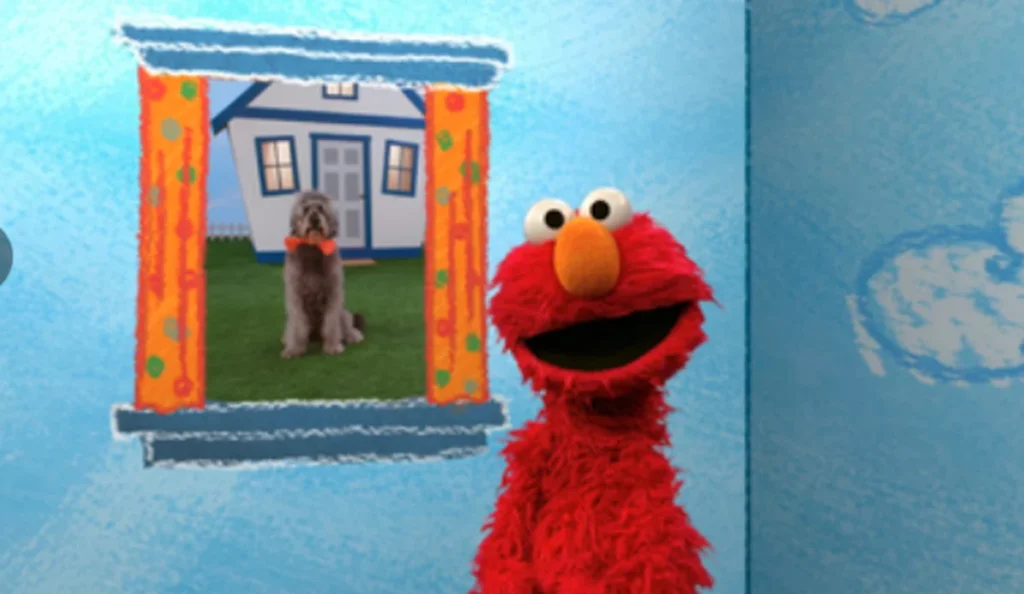

The recent appearance of comedian Ramy Youssef on the beloved children’s program Sesame Street has ignited a passionate debate, drawing sharp criticism from conservative commentators and prompting a broader discussion about cultural representation and the role of education in early childhood. Youssef, known for his work exploring themes of faith and identity in his Hulu series Ramy, visited the iconic street to celebrate Arab American Heritage Month, engaging with Elmo in a segment designed to introduce young viewers to certain Arabic words. The segment, which aired earlier this month, featured Youssef teaching Elmo phrases like "salamu alaykum" (meaning "peace be upon you," a common Arabic greeting) and "habibi" (a term of endearment, roughly translating to "my dear" or "my love").
The Genesis of the Controversy
The controversy erupted following the broadcast of the episode. Prominent conservative voices, most notably Raymond Arroyo of Fox News, voiced strong disapproval. Speaking on The Ingraham Angle, Arroyo expressed his frustration, stating, "I wish Sesame Street would stick to teaching kids about letters and numbers and leave the Arabic immersion to someone else." His remarks escalated with a rhetorical question, "Next, Bert and Ernie will be praying five times a day on Sesame Street, facing east." This statement drew a direct parallel between introducing basic Arabic greetings and the practice of Islamic prayer, a comparison that many found to be alarmist and misrepresentative.
The segment itself was intended as an educational and celebratory moment. A social media post from the official Sesame Street account, accompanying a clip of the interaction, declared, "The word of the day is HABIBI! Happy #ArabAmericanHeritageMonth from Ramy Youssef, Elmo, and all of your friends on Sesame Street!" The accompanying video clip showed Elmo enthusiastically repeating the words and phrases taught by Youssef, with Youssef explaining the meaning of "salamu alaykum" as a greeting signifying peace. He also expressed his pride in his Arab American heritage and his joy in sharing the month with fellow Arabs and Elmo.
Youssef’s Response and Broader Context
Ramy Youssef, when confronted with the backlash, addressed the criticism during an appearance on ABC’s The View. He suggested that the negative reactions stemmed from a broader political and cultural anxiety. "I think they’re worried [about] Arabic immersion, and it’s got to be tough because I think they’re supporters of the president," Youssef stated, alluding to a perceived link between conservative opposition to the segment and broader political sentiments.
To underscore his point, Youssef drew a parallel to former President Donald Trump’s social media activity. He recalled a post Trump made on April 5 regarding the Iran War, in which the former president wrote, "Praise be to Allah." Youssef juxtaposed this with the conservative outcry over Elmo saying "habibi," remarking, "Imagine your president on Easter is tweeting, Praise be to Allah, and now Elmo saying ‘habibi’ feels threatening." This comparison aimed to highlight what Youssef perceived as a double standard, where expressions of Arabic or Islamic sentiment from a political figure were seemingly accepted, while similar introductions on a children’s show were met with strong opposition.
Youssef also expressed his surprise at the intensity of the backlash, noting that Sesame Street has historically incorporated various languages and cultural elements without eliciting such a strong negative response. "There’s been a lot of languages on Sesame Street and there’s been no backlash to those," he observed. He further pointed out that his own public commentary on controversial issues, including the Israeli-Palestinian conflict, had not previously generated this level of widespread outcry. The fact that Elmo saying "habibi" had "set them off in a way that has never happened to me before" struck him as particularly noteworthy.
The Significance of Arab American Heritage Month
The timing of Youssef’s appearance on Sesame Street was deliberate, coinciding with Arab American Heritage Month, which is observed annually in April. This month is dedicated to celebrating the rich history, diverse cultures, and significant contributions of Arab Americans to the United States. For many, the inclusion of Arabic language and cultural elements on a widely watched children’s program is a vital step towards fostering inclusivity and providing positive representation for Arab American children.
Data from the U.S. Census Bureau indicates that there are over 3.5 million Arab Americans in the United States, representing a diverse range of ethnicities, nationalities, and religious backgrounds. Initiatives like Youssef’s appearance on Sesame Street aim to acknowledge and validate this significant demographic, promoting understanding and breaking down stereotypes.
A Look at Sesame Street‘s History of Inclusivity
Sesame Street has a long-standing history of embracing diversity and promoting social-emotional learning through its programming. Over its more than 50-year run, the show has featured characters and segments designed to teach children about different cultures, languages, abilities, and family structures. This commitment to inclusivity has often been a cornerstone of its educational mission. For example, the show has previously introduced Spanish words and phrases, celebrated various cultural holidays, and featured characters with diverse family backgrounds.
The show’s creators have consistently emphasized that their goal is to reflect the diverse world in which children live and to instill values of empathy, understanding, and respect. The inclusion of Arabic, therefore, aligns with this broader mission. The specific choice of Youssef, a prominent Arab American artist whose work often tackles complex cultural and religious themes with nuance, was likely intended to bring an authentic and relatable voice to the segment.
Broader Implications and Analysis
The controversy surrounding Ramy Youssef’s Sesame Street appearance highlights several ongoing cultural and political tensions in the United States:
- Cultural Wars and Representation: The incident is a microcosm of broader cultural debates about representation in media, particularly for children. For some, the inclusion of elements from non-dominant cultures is seen as an enrichment of the national fabric, while for others, it is perceived as an unwelcome imposition or a deviation from perceived traditional values.
- Political Polarization: The strong reactions from conservative media figures suggest a connection to broader political polarization. The segment became a focal point for expressing discontent with cultural shifts and perceived liberal agendas, even within seemingly innocuous children’s programming.
- The Nature of Education: The debate also touches upon fundamental questions about what children should be taught and by whom. While Sesame Street‘s mission has always been educational, the definition of what constitutes appropriate educational content for young children is clearly subject to differing interpretations.
- Misinformation and Stereotyping: The fear expressed by critics, such as the prediction of Bert and Ernie praying five times a day, often stems from a lack of understanding or the perpetuation of stereotypes about Muslim or Arab cultures. Introducing basic greetings is a far cry from advocating religious practices, and the conflation of the two reveals a significant gap in cultural literacy.
Youssef himself found the experience to be deeply meaningful. He shared that it was "surreal" to be on Sesame Street, a program he grew up watching. He described being "very emotional" at the prospect of Elmo saying "salamu alaykum" and "habibi." This personal connection underscores the positive impact such representation can have on individuals and communities.
The episode serves as a reminder that even seemingly small moments of cultural exchange can become significant cultural touchstones, sparking important conversations about identity, inclusion, and the evolving landscape of American society. As Sesame Street continues its mission to educate and entertain, its commitment to reflecting the diversity of its audience will undoubtedly remain a subject of both appreciation and, at times, contention.