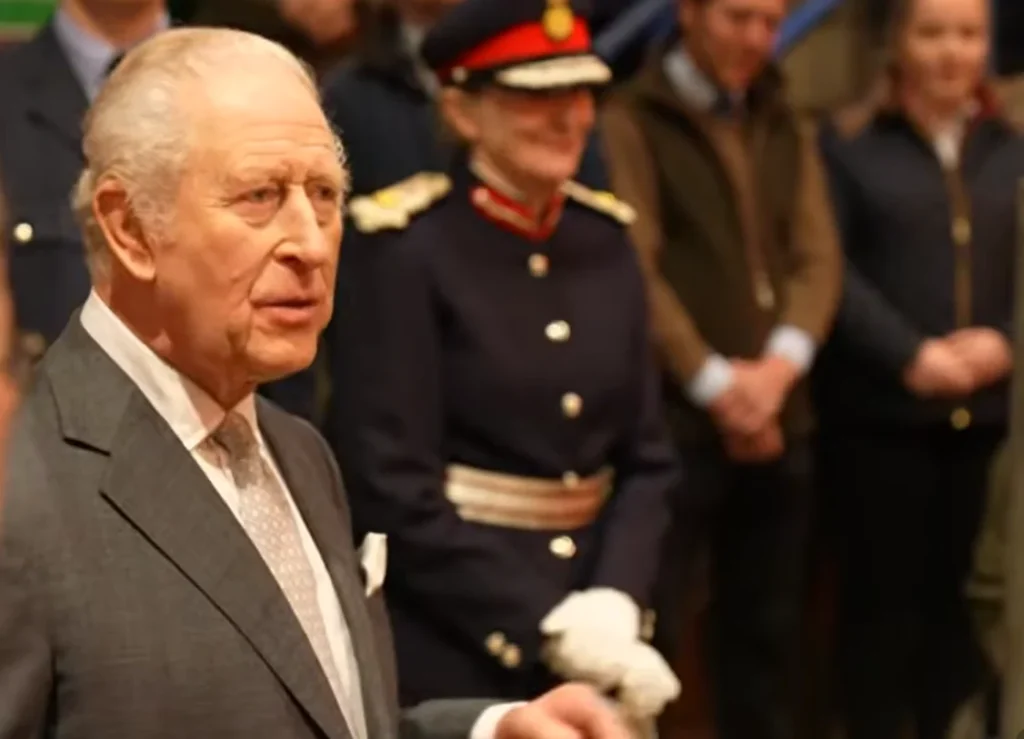

King Charles III, accompanied by Queen Camilla, met with Prime Minister Sir Keir Starmer at the British Museum to review the final designs for a national memorial honouring the late Queen Elizabeth II. The gathering occurred on what would have been Her Majesty’s 100th birthday, a poignant occasion marked by a series of national tributes. However, the royal engagement unfolded against a backdrop of intense political scrutiny, as the Prime Minister found himself embroiled in controversy stemming from evidence presented to a Select Committee concerning the vetting of potential ambassadors.
The meeting at the prestigious museum, a fitting venue for discussions on national heritage and remembrance, focused on the culmination of plans for a significant tribute to the beloved monarch. The proposed memorial, slated for installation in St. James’s Park, aims to encapsulate the enduring legacy of Queen Elizabeth II. This royal appearance, intended to highlight a moment of national reflection and commemoration, was overshadowed by parliamentary proceedings that cast a shadow over Downing Street.
A Day of Dual Significance: Royal Tribute and Political Storm
The day began with King Charles III offering a heartfelt tribute to his late mother, reflecting on her extraordinary reign and the profound impact she had on the nation and the Commonwealth. His words, imbued with personal warmth and a deep sense of duty, set a tone of remembrance and honour for the centenary. This personal reflection underscored the emotional weight of the day, as the nation collectively recalled the life and service of Queen Elizabeth II.
However, by the time His Majesty and Sir Keir Starmer convened at the British Museum, the political landscape had shifted dramatically. Evidence presented to a House of Commons Select Committee by Sir Olly Robbins, a former senior civil servant at the Foreign Office, had ignited a fierce debate. Sir Olly, who served as the Permanent Secretary of the Department for Exiting the European Union (DExEU) and previously held a key role in the Foreign and Commonwealth Office, was questioned rigorously by MPs. His testimony centred on the vetting processes for diplomatic appointments, specifically in relation to Peter Mandelson.
Scrutiny Over Ambassadorial Vetting: The Mandelson and Doyle Cases
The crux of the Select Committee’s inquiry involved allegations surrounding the proposed ambassadorship of Peter Mandelson to the United States. Sir Olly Robbins reportedly stated that Downing Street had held a "very strong expectation" that their candidate for the prestigious diplomatic post would receive clearance. This assertion has raised serious questions about the due diligence undertaken by the government.
The controversy intensified with the revelation of Peter Mandelson’s extensive links to the convicted sex offender Jeffrey Epstein. These connections, brought to light earlier this year through the release of the Epstein files, have cast a long shadow over his suitability for any public or diplomatic role. The timing of these revelations, coinciding with discussions about national memorials and royal engagements, amplified the public and political concern.
Further complicating the situation, Sir Olly Robbins also testified that Number 10 had actively lobbied for another associate, Matthew Doyle, to be granted a diplomatic posting. Subsequently, Matthew Doyle faced suspension from the Labour Party due to his own documented links to a convicted paedophile. These revelations have led to widespread criticism and calls for greater transparency and accountability in the appointment of individuals to sensitive positions.
Political Reactions and the Liberal Democrat Stance
As the news of Sir Olly Robbins’ testimony emerged, political reactions were swift and sharp. Sir Ed Davey, the leader of the Liberal Democrats, did not mince his words, describing the evidence presented to the Select Committee as "incredibly damning" for the Prime Minister. This strong condemnation from a senior opposition figure highlighted the gravity of the allegations and the potential political fallout for the government. The Liberal Democrats have consistently called for greater scrutiny of government appointments and have been vocal in their criticism of perceived ethical lapses.
The Prime Minister’s attendance at the British Museum was framed as a commitment to national remembrance and to a significant public project. However, his presence there, while engaging with royal duties, could not entirely deflect attention from the unfolding political drama. The juxtaposition of a solemn royal occasion with a contentious parliamentary hearing created a complex narrative for the day.
The Queen Elizabeth II Memorial: A Vision of Remembrance
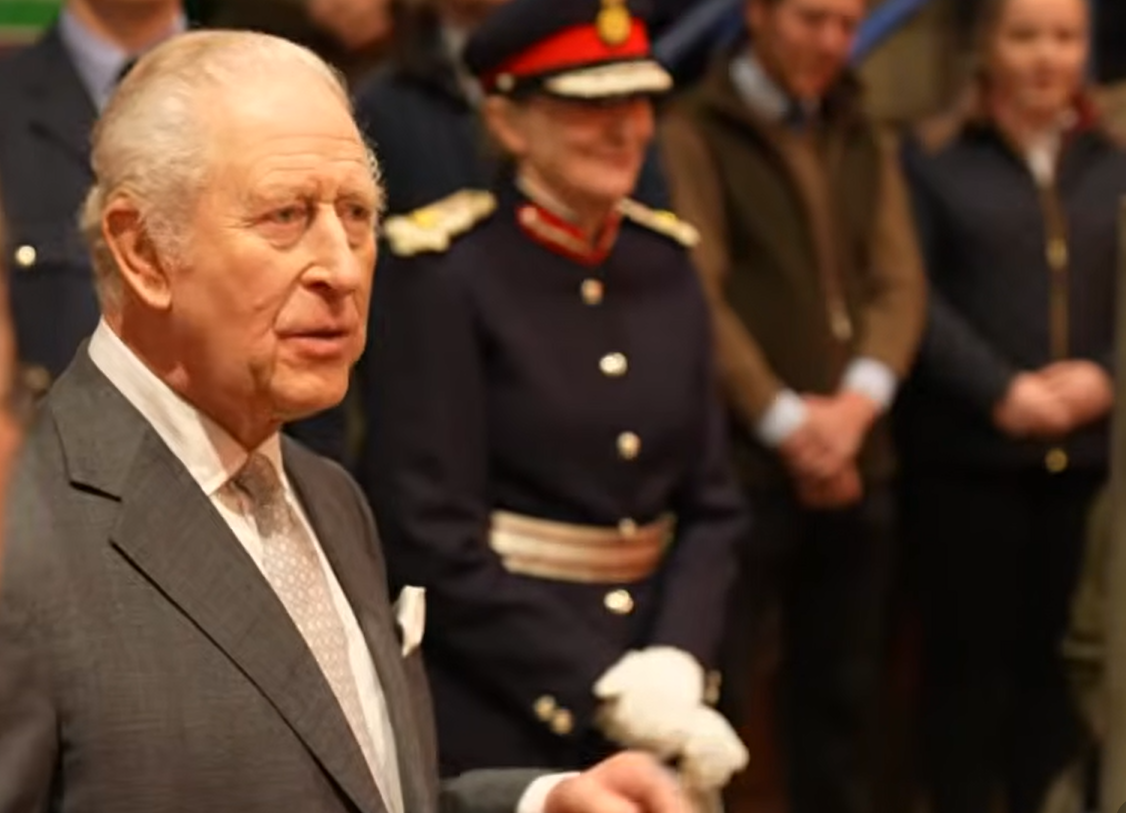
The national memorial to Queen Elizabeth II, the subject of the Prime Minister’s review at the British Museum, is intended to be a lasting testament to her remarkable 70-year reign. The proposed site in St. James’s Park, a location steeped in royal history and accessible to the public, has been chosen for its prominence and symbolic significance.
At the heart of the memorial will be a new statue of Her Majesty, sculpted by the renowned artist Martin Jennings. Jennings, whose work is known for its dignified and evocative portrayals, has depicted the Queen in her Garter robes, a symbol of her deeply held commitment to the Order of the Garter and her sovereign role. Plans also include a nearby statue of Prince Philip, the Duke of Edinburgh, a fitting tribute to the late consort who shared so many years of service alongside the Queen.
Beyond the sculptural elements, the memorial will feature an innovative architectural design. A glass cast bridge is envisioned, intended to echo the iconic Queen Mary fringe tiara, which Queen Elizabeth II wore at her wedding to Prince Philip. The design, with its "constant string of glass lines," aims to subtly reference the tiara’s delicate structure, creating a symbolic link between the Queen’s personal life and her public role. This thoughtful integration of symbolic elements underscores the desire to create a memorial that is both grand and intimately personal, reflecting the multifaceted nature of the late monarch.
Royal Participation and Centenary Celebrations
The day’s events were marked by a broad spectrum of royal involvement, underscoring the family’s collective commitment to honouring Queen Elizabeth II. Beyond the Prime Minister’s meeting with King Charles and Queen Camilla, other members of the Royal Family participated in significant tributes.
The Duke and Duchess of Edinburgh, along with the Duke and Duchess of Gloucester, were in attendance at the British Museum, lending their support to the memorial review. Their presence reinforced the unified front of the Royal Family in commemorating the Queen.
Meanwhile, the Princess Royal, an active and dedicated member of the Royal Family, was present at Regent’s Park to formally open the Queen Elizabeth II Memorial Garden. This garden, a more intimate and naturalistic tribute, offers a space for quiet reflection and appreciation of nature, complementing the more formal memorial planned for St. James’s Park.
Later in the day, the King and Queen were scheduled to host a special celebratory tea party at Buckingham Palace. This event was planned to welcome a select group of centenarians – individuals who, like the late Queen, have reached the remarkable milestone of 100 years of age. The gathering was intended as a heartwarming celebration, connecting those who have lived through significant historical periods with the enduring memory of Queen Elizabeth II.
Broader Implications and the Future of Public Trust
The convergence of a significant royal commemoration with serious allegations of impropriety in government appointments raises important questions about public trust and accountability. The evidence presented to the Select Committee, particularly concerning the vetting of individuals with potential links to individuals of ill repute, strikes at the heart of the government’s integrity.
The "very strong expectation" mentioned by Sir Olly Robbins suggests a potential complacency or an undue influence in the appointment process. In a democratic society, the vetting of public servants and diplomats is crucial for maintaining national security, upholding ethical standards, and ensuring public confidence. When these processes are perceived to be compromised, it can lead to a erosion of trust in institutions.
The detailed accounts of lobbying for diplomatic postings for individuals subsequently linked to serious criminal activity are particularly concerning. This raises the possibility of political interference overriding due diligence and ethical considerations. Such issues can have far-reaching consequences, potentially impacting diplomatic relations, national security, and the reputation of the country on the international stage.
The political fallout from these revelations is likely to be significant. Opposition parties will undoubtedly seize upon the evidence to hold the government to account, potentially leading to parliamentary debates, further inquiries, and demands for resignations. The Prime Minister faces the challenge of navigating this political storm while simultaneously participating in national events of great importance.
The commitment to honouring Queen Elizabeth II through a fitting national memorial is a vital undertaking, offering a moment of national unity and reflection. However, the contemporary political context, marked by scrutiny of governmental conduct, adds a layer of complexity to these commemorative efforts. The public’s expectation is that such significant tributes are conducted with integrity, and that the institutions responsible for public service operate with the highest ethical standards, particularly when considering individuals for positions of influence and trust. The coming days and weeks will likely see continued debate and investigation into these matters, with a clear demand for transparency and accountability from the government.