
The Genesis of the Controversy: Allegations Against Liz
The situation first gained public traction when reports surfaced regarding Liz, a vocalist for IVE under Starship Entertainment. A clothing brand CEO reportedly shared messages indicating that items provided to the artist for promotional purposes had not been returned within the agreed-upon timeframe. According to the brand owner’s social media activity, the delay was not due to logistical errors but rather because the artist "liked the clothes so much" that she continued to hold onto them.
In the K-pop industry, fashion is a primary pillar of an idol’s brand. Stylists and agencies frequently work with PR showrooms and independent designers to "pull" looks for music videos, variety shows, and airport fashion. Standard industry practice dictates that these items are borrowed for a specific duration and returned in original condition. When an artist or their team fails to return these items, it places a significant financial and operational burden on smaller brands that may only have a limited number of samples available for press and other celebrities.
Netizens reacted swiftly to the news regarding Liz, with many pointing out the vast wealth disparity between a top-tier K-pop idol and an independent business owner. IVE has seen unprecedented success since their debut in 2021, with hit singles like "Love Dive," "After Like," and "I AM" dominating domestic and international charts. Given the group’s high earning potential from album sales, touring, and high-end endorsements, the public sentiment leaned toward the idea that Liz should have purchased the items she liked rather than allegedly exploiting a borrowing agreement.
The Escalation: Jang Wonyoung’s Involvement
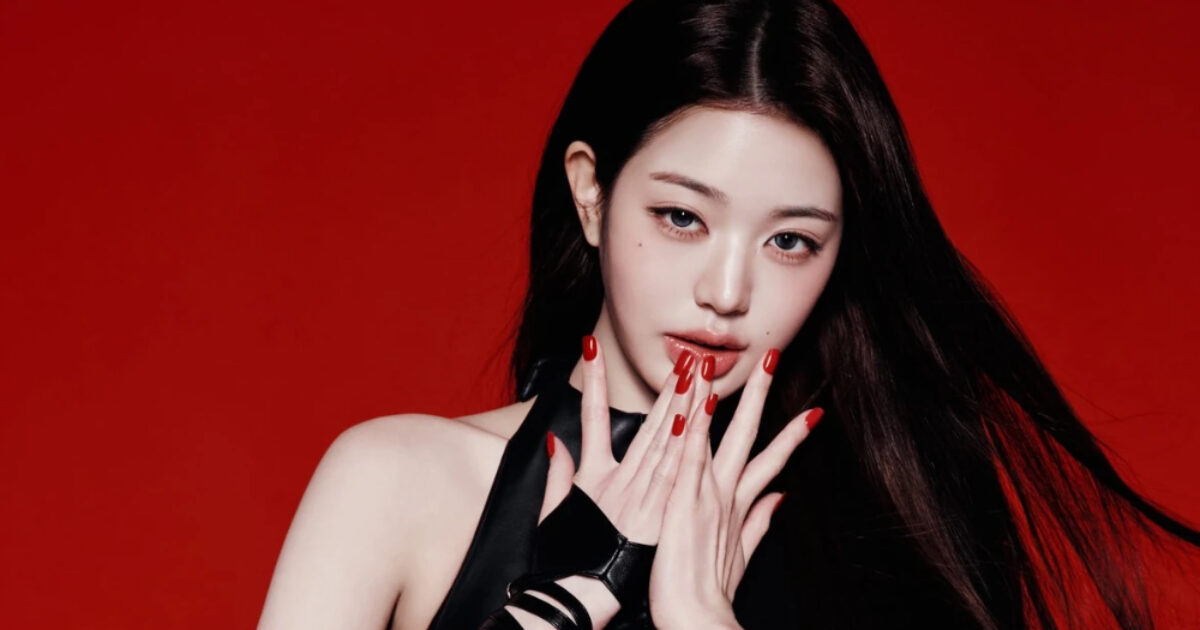
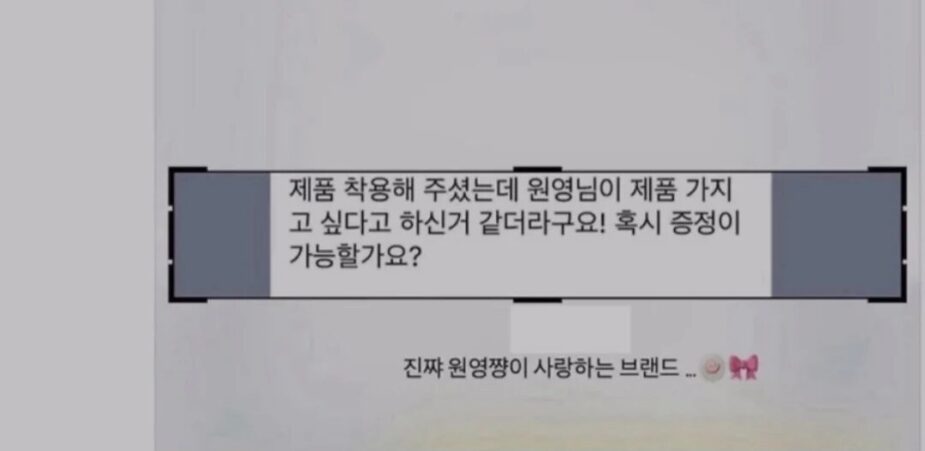
As the discourse surrounding Liz intensified, a secondary wave of allegations emerged, this time targeting Jang Wonyoung. A post on the popular Korean community forum Instiz garnered significant attention, revealing screenshots of communications that suggested Wonyoung had also expressed a desire to keep items from a brand.
The leaked text messages, purportedly between a representative and the brand owner, stated that Wonyoung had tried on a specific product and mentioned wanting to keep it. The representative then asked the brand owner, "Would it be possible to give it to her as a gift?" The brand owner later captioned a photo of the interaction, noting that their brand was one that "Wonyoung really loves."
While the tone of the request was framed as an inquiry, its exposure in the wake of Liz’s controversy led to a more critical interpretation by the public. Netizens argued that for a brand owner, a request from a superstar like Jang Wonyoung—who boasts millions of followers and immense market influence—is rarely a "request" that can be easily denied. The power dynamic inherent in such an interaction is what many have labeled as a subtle form of a "power trip."
Understanding the K-Pop Sponsorship Ecosystem
To analyze the implications of these allegations, it is necessary to understand the mechanics of fashion sponsorships (often referred to as hyeop-chan in Korea). Sponsorships are mutually beneficial: the brand receives exposure through the idol’s massive platform, and the idol receives high-fashion wardrobes for their public appearances.

There are generally three levels of clothing acquisition in the industry:
- Direct Purchases: The agency or the idol buys the clothes.
- Sponsorship/Loans: The brand lends the clothes for a specific event or period, expecting them back.
- Gifting: The brand voluntarily gives the clothes to the idol in hopes they will wear them and provide "organic" promotion.
The controversy involving IVE members suggests a blurring of these lines. When an idol "requests" a gift or fails to return a loan, it disrupts the financial ecosystem of the brand. For small-to-medium enterprises (SMEs), a single pair of high-end trousers or a designer jacket can represent a significant portion of their production budget. If multiple idols from a major agency follow this pattern, the cumulative loss for the brand can be substantial.
Chronology of the Dispute
The timeline of the controversy reflects the rapid escalation typical of modern social media-driven scandals:
- Initial Disclosure: A brand CEO posts on social media regarding unreturned items, specifically naming Liz. The CEO expresses frustration that despite the group’s success, the items remain in the artist’s possession.
- Public Backlash: Netizens begin discussing the ethics of "rich idols" taking advantage of small businesses. Discussions go viral on platforms like Pann and Instiz.
- Secondary Exposure: New screenshots emerge involving Jang Wonyoung. These messages show a request for items to be gifted rather than returned.
- Community Reaction: The narrative shifts from a single isolated incident to a potential pattern of behavior within the group’s management or among the members themselves.
- Current Status: Public demand for a statement from Starship Entertainment grows, while fans and critics debate the severity of the actions.
Netizen Sentiment and Public Reaction
The reaction from the public has been polarized, though a significant portion of the discourse remains critical. On platforms like Instiz, comments have ranged from disappointment to outright condemnation. One popular sentiment highlights the financial reality: "They make billions of won; why can’t they just buy the clothes?"
Conversely, some defenders argue that the fault lies with the styling team rather than the idols themselves. In most K-pop agencies, the idols do not handle the logistics of borrowing or returning clothes; these tasks are managed by a dedicated styling department. Supporters of Wonyoung and Liz suggest that if a stylist asks a brand for a gift on behalf of an idol, the idol might not even be aware of the specific terms or the pressure being applied to the brand owner.
However, critics counter that as the "face" of the brand, idols have a responsibility to ensure their team acts ethically. The "Young and Rich" image that IVE successfully projects—characterized by luxury, confidence, and high fashion—is now being used as a point of criticism, with netizens suggesting that the image is being maintained at the expense of smaller creators.
Broader Implications for Brand-Idol Relationships
This controversy could have lasting effects on how brands approach sponsorships with major K-pop agencies. While the exposure gained from a member of IVE wearing a product is undeniably valuable, the risk of "losing" inventory or being pressured into gifting could deter smaller brands from collaborating with top-tier groups.
Furthermore, this incident touches upon the broader "Gapjil" culture that the South Korean public is increasingly sensitive to. In recent years, several high-profile figures in the entertainment and corporate sectors have faced "cancel culture" after being accused of mistreating staff or smaller business partners. For IVE, a group that is currently at the peak of its popularity, these allegations represent a significant threat to their brand reputation (BR) rankings.

Analysis of Agency Responsibility
Starship Entertainment has yet to release a comprehensive official statement addressing the specific screenshots or the brand CEO’s claims. Historically, K-pop agencies prefer to handle such disputes privately, often settling financial discrepancies or returning items behind the scenes to avoid further public scrutiny.
However, the fact that these messages were leaked suggests a breakdown in the private negotiation process. It implies that the brand owner felt their only recourse was to go public. This highlights a need for more transparent and professional standards within agency styling departments. Professionalism in the fashion-entertainment pipeline is essential to maintaining the integrity of the K-pop industry as a global cultural export.
Conclusion and Future Outlook
The controversy surrounding IVE’s Liz and Jang Wonyoung serves as a cautionary tale regarding the intersection of celebrity influence and commercial ethics. While the individual members may or may not have been directly involved in the logistical failures or the specific wording of the "gift" requests, the incident reflects a systemic issue in how power is exercised within the sponsorship model.
As the story continues to develop, the focus will likely remain on whether Starship Entertainment will implement stricter protocols for their styling teams and whether the members will take steps to mend their relationships with the affected brands. For Jang Wonyoung, whose career is built on her status as a fashion icon, maintaining a reputation for professionalism and fairness is just as important as her visual appeal and performance talent. The public’s watchful eye remains on IVE, waiting to see if the group will address these concerns with the maturity and transparency expected of global stars.