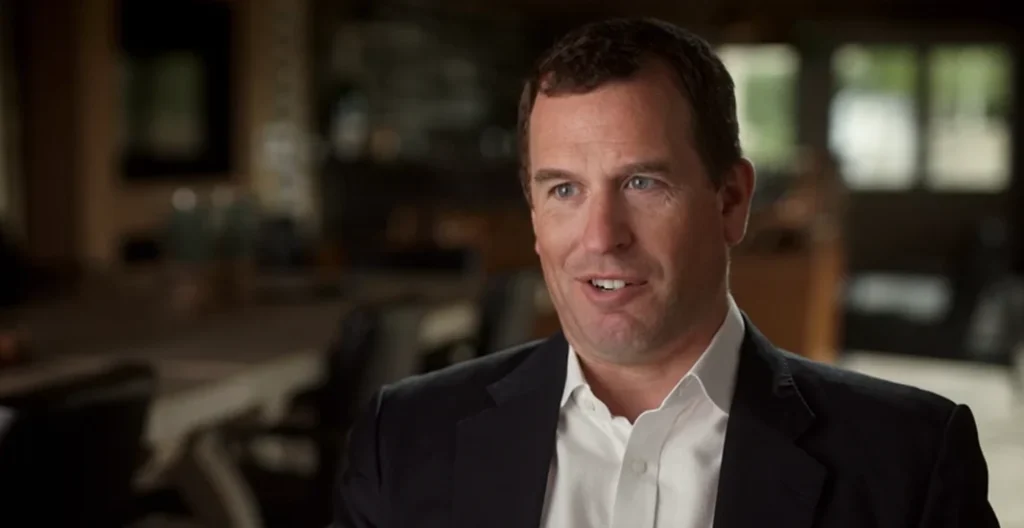

Queen Elizabeth II’s eldest grandson, Peter Phillips, has offered a unique insight into the moments leading up to one of the most celebrated and surprising segments of the 2012 London Olympic Games Opening Ceremony. Phillips revealed that, like millions of viewers worldwide, the Royal Family themselves were kept in the dark about the now-iconic skit featuring Her Majesty and Daniel Craig as James Bond. The revelation came during a new BBC One programme, "Queen Elizabeth II: Her Story, Our Century," which delves into the life and impact of the late monarch.
Phillips recounted the palpable sense of anticipation and curiosity within the Royal Family as the Opening Ceremony began. "When the clip first started, we were like, we wonder who they’ve got playing The Queen," he shared, echoing the sentiments of a global audience. The surprise was profound when the figure seated at the desk turned around, revealing Queen Elizabeth II herself. "And then she turned round and we were like, ‘wow’… it was sheer amazement… literally nobody knew," Phillips added, highlighting the extraordinary secrecy and meticulous planning that underpinned the segment.
The Genesis of a Historic Olympic Moment
The 2012 London Olympics Opening Ceremony, directed by Danny Boyle, was a spectacle designed to celebrate British culture, history, and innovation. The ceremony, held on July 27, 2012, at the Olympic Stadium in Stratford, London, was a grand affair attended by an estimated one billion viewers worldwide, including heads of state, dignitaries, and members of the Royal Family. The segment involving Queen Elizabeth II and Daniel Craig as James Bond was a carefully guarded secret, intended to be a surprise for the world.
The short film depicted James Bond, portrayed by Craig, arriving at Buckingham Palace to escort the Queen to the Olympic Stadium. The Queen, appearing in good humour, greeted Bond with the now-famous line, "Good evening, Mr. Bond." She then appeared to walk with him towards a waiting helicopter, which then seemingly flew her to the stadium. The illusion was completed as two paratroopers, dressed as Bond and the Queen, parachuted into the stadium, with the real Queen making her entrance moments later. This moment was a testament to the Queen’s willingness to embrace contemporary culture and her remarkable sense of humour, endearing her to a new generation of viewers.
A Glimpse into Royal Family Dynamics and Grief
Beyond the celebratory anecdotes, "Queen Elizabeth II: Her Story, Our Century" also touched upon more poignant aspects of royal life. Peter Phillips also shared a deeply personal reflection on the funeral of his grandfather, Prince Philip. He revealed his personal desire to offer comfort to his grandmother, Queen Elizabeth II, during this difficult time. "I had wanted to go and give my granny a hug," he confessed, but the prevailing social distancing measures, a consequence of the global pandemic, prevented such physical expressions of solace. This poignant detail underscores the unique challenges faced by the Royal Family, balancing public duty with private grief, especially during the unprecedented circumstances of the COVID-19 pandemic. The funeral, held on April 17, 2021, at St. George’s Chapel, Windsor Castle, was a carefully managed event with strict adherence to public health guidelines, limiting the number of attendees and enforcing physical distancing.
Queen Camilla’s Perspective on Her Majesty’s Legacy
The programme also featured insights from Queen Camilla, who offered her perspective on Queen Elizabeth II’s enduring reign. Camilla observed that Queen Elizabeth II had, in her view, "carved her own role in a man’s world." This statement highlights the groundbreaking nature of Elizabeth II’s ascension to the throne in 1952, at a time when leadership roles were predominantly held by men. Her Majesty’s reign spanned over seven decades, witnessing immense societal and technological change, and she navigated these shifts with a steadfast commitment to duty and tradition, while also demonstrating a remarkable capacity for adaptation and evolution. Her ability to lead and inspire across such a vast expanse of time, in a world that was constantly transforming, is a testament to her unique strength and vision.
Timing and Significance of the Documentary
The broadcast of "Queen Elizabeth II: Her Story, Our Century" held particular significance, airing just days before the 100th anniversary of Queen Elizabeth II’s birth on April 21, 2026. This anniversary marked a moment of national reflection on her extraordinary life and reign. The timing also coincided with the announcement that King Charles III had appointed Anna Keay as the official biographer of his late mother. This appointment signals the beginning of a comprehensive and authoritative historical account of the Queen’s life, undertaken by a respected historian. Keay, known for her work on Restoration history and her role as Director of the Landmark Trust, is expected to provide a definitive and nuanced portrait of the monarch.
The upcoming centenary celebrations were set to culminate in a significant event hosted by King Charles at Buckingham Palace. This reception was planned to honour centenarians, individuals who have also lived through a century of profound change, and to collectively commemorate the milestone anniversary of Queen Elizabeth II’s birth. Such events underscore the enduring legacy of Queen Elizabeth II and her connection to the fabric of British society.
Broader Context: A Reign of Unprecedented Change
Queen Elizabeth II ascended to the throne on February 6, 1952, at the age of 25, following the death of her father, King George VI. Her reign, the longest of any British monarch and the second-longest verified reign of any monarch of a sovereign country in history, spanned a period of monumental transformation. When she became Queen, the United Kingdom was still recovering from the Second World War, the British Empire was in the process of decolonization, and the world was on the cusp of the Cold War.
During her 70-year reign, Queen Elizabeth II witnessed:
- The end of the British Empire: The transition from Empire to Commonwealth saw numerous nations gain independence, and the Queen played a crucial role in fostering relationships within this new association of states.
- Technological Revolutions: From the advent of television and space travel to the digital age and the internet, she presided over an era of unprecedented technological advancement that reshaped global communication and society.
- Social and Political Upheavals: The Queen navigated periods of significant social change, including the Civil Rights movement, the women’s liberation movement, and evolving attitudes towards monarchy and tradition. She also oversaw numerous changes in government, working with 15 Prime Ministers, starting with Winston Churchill.
- The Cold War and its Aftermath: Her reign encompassed the intense geopolitical tensions of the Cold War, the fall of the Berlin Wall, and the subsequent emergence of a new global order.
- The Rise of the Commonwealth: The Commonwealth of Nations evolved significantly under her leadership, transforming from a predominantly imperial structure to a voluntary association of independent nations.
The 2012 Olympics Opening Ceremony segment served as a powerful symbol of Queen Elizabeth II’s ability to connect with her people and adapt to the changing times. It demonstrated a willingness to embrace contemporary media and a sense of humour that resonated deeply. This, coupled with her unwavering dedication to duty, solidified her image as a modern monarch while remaining a figure of stability and continuity.
Analytical Implications: The Enduring Appeal of the Monarchy
The continued public fascination with the Royal Family, as evidenced by the discussions surrounding the documentary and the upcoming centenary commemorations, speaks to the enduring appeal of the institution. The ability of Queen Elizabeth II, and now King Charles III, to engage the public through moments of shared experience, whether in national celebrations or personal reflections, remains a key aspect of the monarchy’s relevance.
The inclusion of Peter Phillips and Queen Camilla’s perspectives in "Queen Elizabeth II: Her Story, Our Century" offers a valuable dimension to the public’s understanding of the monarchy. By humanizing the Royal Family and sharing their personal experiences and insights, these contributions help to bridge the perceived distance between the Crown and the populace. The revelation of the Royal Family’s shared surprise during the Bond skit, for instance, fosters a sense of inclusivity, reminding viewers that even those at the very heart of the institution can be captivated by unexpected and well-executed public moments.
Furthermore, the documentary’s exploration of Queen Elizabeth II’s legacy, particularly Queen Camilla’s observation about carving a role in a man’s world, highlights the monarch’s influence on gender roles and leadership. Her Majesty’s long and impactful reign provided a powerful example of female leadership on the world stage, inspiring women and girls for generations.
The appointment of an official biographer and the planned centenary celebrations underscore the ongoing commitment to documenting and commemorating Queen Elizabeth II’s historical significance. These efforts ensure that her story, and the profound impact of her reign, will continue to be studied and understood for future generations. The Royal Family’s continued engagement with public discourse, through programmes like this BBC documentary, serves to reinforce their role as a living link to Britain’s past and a symbol of its enduring traditions, while also demonstrating an adaptability that is crucial for the monarchy’s continued existence in the 21st century.